Plain PPR is safe and weldable, but it expands and offers no oxygen barrier. Both composite structures fix that, differently. Here is the engineer’s comparison of PPR-FG (fiberglass) vs PPR-AL-PPR (aluminum): thermal expansion, oxygen barrier, strength, weldability and the right pick for hot water, heating and solar.
We supply PPR piping wholesale to importers, distributors and contractors, not single-item retail.
Plain PPR (PN20/PN25) is a proven hot- and cold-water material, food-safe, corrosion-free and heat-fusion welded for leak-free joints. But it carries two engineering limits that show up on real projects, and a composite middle layer is added to solve one or both. The layer you choose is exactly what separates fiberglass composite PPR (PPR-FG) from aluminum composite PPR (PPR-AL-PPR). This guide compares both structures against plain PPR, thermal expansion, oxygen barrier, weldability, strength, sizing and certification, so you can specify by working condition, not by price. Every dimension quoted below comes from the same Bekaatherm production range, so switching structure never means switching supplier.
If you only remember one line, remember this: fiberglass is peel-free but does not block oxygen; aluminum blocks oxygen and expands least but must be peeled before fusion. Everything else in this article is the detail behind that sentence, and the real size, wall-thickness and article-number data you need to actually place an order.
Plain PPR pipe is one of the most widely used polypropylene materials for potable water and hot-and-cold supply. Its two well-known weaknesses only appear once you scale up to long runs and sealed heating circuits. First, linear thermal expansion: a long PPR run carrying hot water lengthens noticeably as it heats, which can push against clips, bow between supports and load fittings, the reason plumbers leave expansion gaps and add extra brackets on hot risers. Second, no oxygen barrier: in a sealed heating loop, oxygen can permeate the wall over time and accelerate corrosion of steel boilers, pumps and valves, and it feeds the sludge that clogs radiators and manifolds. Understanding these two limits is the whole basis for choosing a composite structure, a composite layer is engineered to fix one or both.
| Plain PPR limit | What it causes on site | Which layer fixes it |
|---|---|---|
| High thermal expansion | Long runs bow, clips stressed, fittings loaded | Fiberglass and aluminum both cut it |
| No oxygen barrier | Corrosion of steel parts in sealed heating loops | Aluminum foil layer (barrier); fiberglass does not barrier |
| UV sensitivity (exposed) | Wall degrades if run in direct sun long-term | Both composites improve; keep piping shaded regardless |
| Sag on long spans | Extra clips needed, wavy horizontal runs | Both composites add stiffness; support spacing widens |
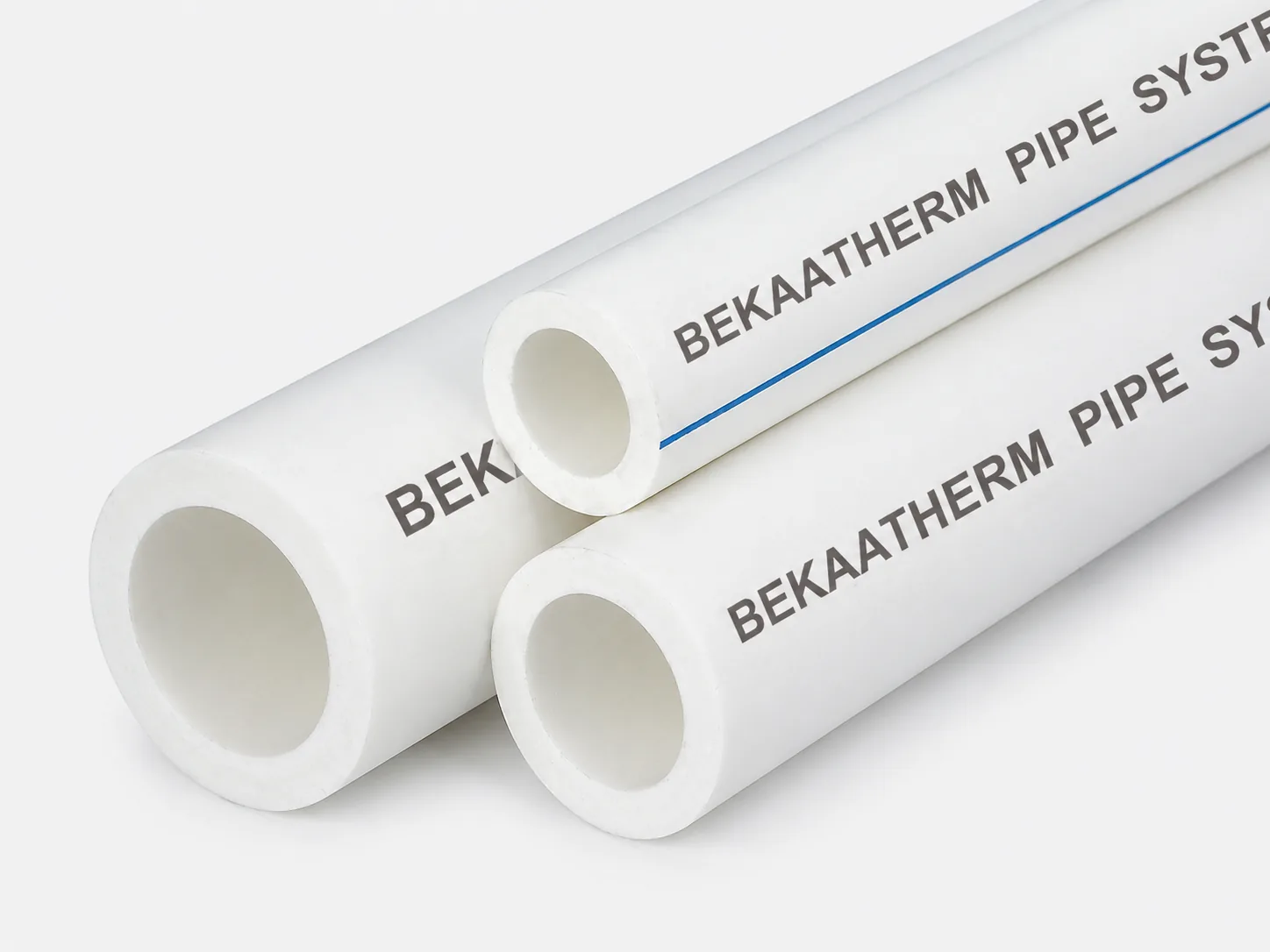
Fiberglass composite PPR blends a glass-fiber-reinforced middle layer between two PPR layers, all of the same polypropylene family. Because the reinforcement is a fiber-filled PPR compound rather than a metal foil, the whole wall stays fully weldable with no peeling step, you heat-fuse it exactly like plain PPR, which speeds installation and removes a common source of joint error on site. The fiberglass layer sharply reduces linear thermal expansion and raises stiffness and strength, so long hot-water risers and distribution runs stay stable in their clips and sag less between supports. What it does not add is an oxygen barrier, for a sealed heating loop protecting steel components, that is the trade-off to weigh.
Contractors like PPR-FG because it behaves like plain PPR at the welding machine: same fusion temperature, same socket depth, same insertion time, just with a middle layer that keeps the pipe straight when the hot water arrives. There is no aluminum edge to trim, so there is no chance of leaving foil exposed at the joint, which is one of the most common installation defects on metal-composite pipe. That makes it a forgiving structure for teams that fuse a lot of pipe fast.
| PPR-FG at a glance | Value |
|---|---|
| Structure | PPR / fiberglass-reinforced PPR / PPR (single polymer family) |
| Thermal expansion | Sharply reduced vs plain PPR |
| Oxygen barrier | No |
| Weldability | Full heat-fusion, no peeling |
| Strength / stiffness | Increased vs plain PPR |
| Pressure ratings | PN20, PN25 |
| Sizes | 20–63mm |
| Article numbers (Bekaatherm) | PN20 = BK-13…18 · PN25 = BK-19…24 |
| Best for | Hot & cold water, long risers, general heating where oxygen barrier is not required |
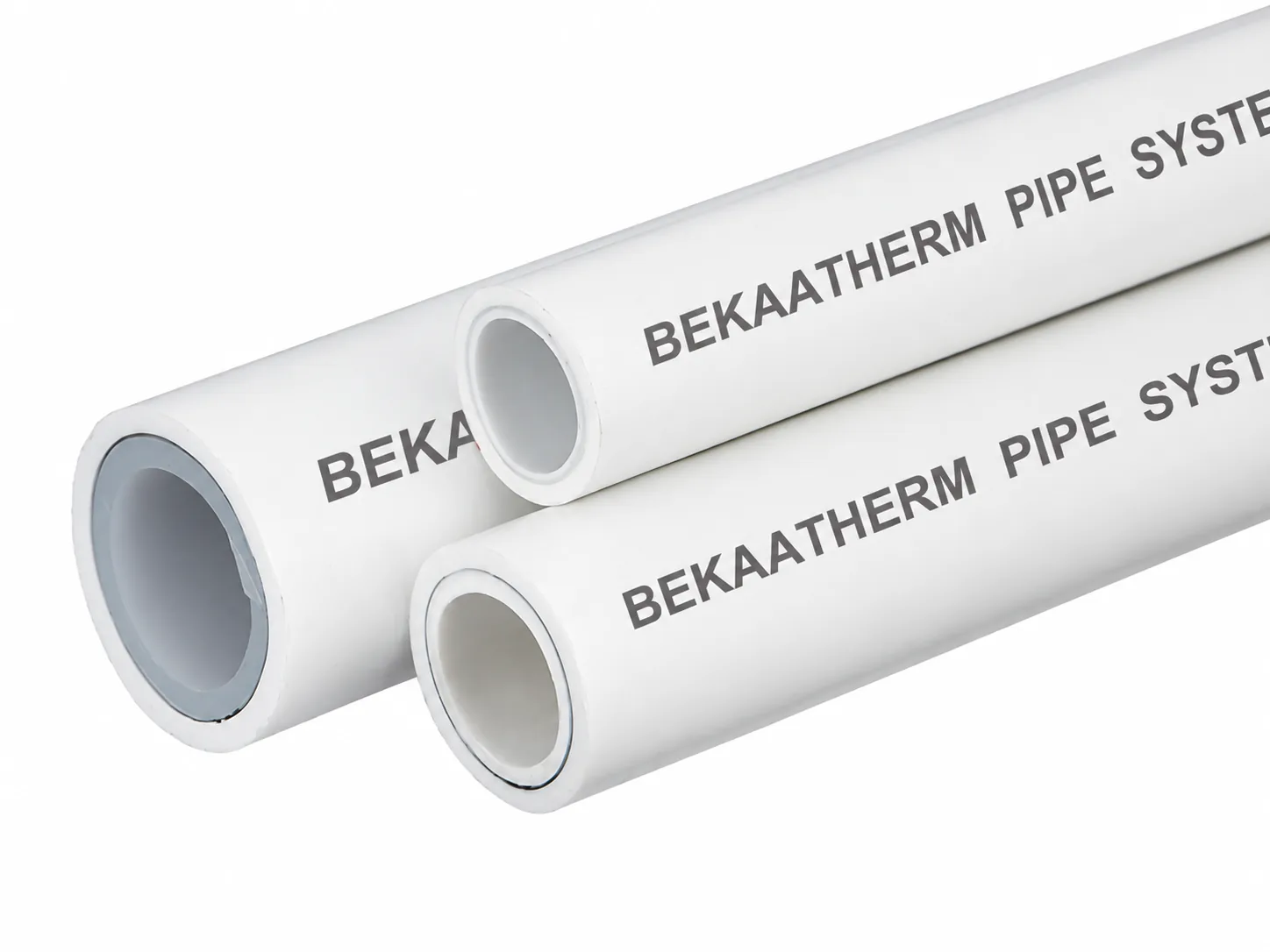
Aluminum composite PPR sandwiches a continuous aluminum foil layer between PPR layers. That foil does two jobs a fiber layer cannot. First, it acts as an oxygen barrier, blocking oxygen permeation into sealed heating loops, the reason it is often specified for radiator and underfloor systems with steel boilers, pumps and manifolds. Second, aluminum gives the lowest thermal expansion of the three structures, so long heated runs move the least of all, useful where architectural exposure or tight clip spacing leaves no room for movement. The trade-off is installation: because a metal layer is present, pipe faces must be peeled (skinned) before heat fusion so the PPR bonds cleanly, an extra step, but a well-understood one. PPR-AL-PPR is the choice when oxygen barrier and minimum movement outrank welding speed.
A detail worth planning for: the aluminum layer changes the wall build-up, so a PPR-AL-PPR pipe can carry a slightly thinner PPR wall at the same size and pressure than the fiber or plain versions (see the dimension table below, for example 63mm PN20 is 63×7.0 in aluminum vs 63×8.6 in plain/fiber). That is normal and by design; the foil does part of the structural work. Always match the pipe’s stated PN to your system’s peak temperature and pressure, and use a proper peeling tool so no foil is left in the fusion zone.
| PPR-AL-PPR at a glance | Value |
|---|---|
| Structure | PPR / aluminum foil / PPR |
| Thermal expansion | Lowest of the three |
| Oxygen barrier | Yes (aluminum foil) |
| Weldability | Heat-fusion after peeling the aluminum face |
| Strength / stiffness | Increased vs plain PPR |
| Pressure ratings | PN20, PN25 |
| Sizes | 20–63mm |
| Article numbers (Bekaatherm) | PN20 = BK-01…06 · PN25 = BK-07…12 |
| Best for | Sealed heating loops, radiator & underfloor systems, solar returns, anywhere oxygen barrier matters |
Explore aluminum composite PPR pipe
Specify by working condition, not by price. The table below puts plain PPR, fiberglass composite (PPR-FG) and aluminum composite (PPR-AL-PPR) side by side on the properties that decide a project, thermal movement, oxygen barrier, installation and where each belongs. All three are available from Bekaatherm in PN20/PN25, 20–63mm, under the same SKZ, ISO, CE and WRAS certification, so switching structure never means switching supplier.
| Property | Plain PPR | Fiberglass PPR (PPR-FG) | Aluminum PPR (PPR-AL-PPR) |
|---|---|---|---|
| Middle layer | None | Glass-fiber-reinforced PPR | Aluminum foil |
| Thermal expansion | Highest | Low | Lowest |
| Oxygen barrier | No | No | Yes |
| Weldability | Heat-fusion | Heat-fusion, no peeling | Heat-fusion after peeling |
| Strength / stiffness | Baseline | Higher | Higher |
| UV resistance (exposed) | Baseline | Improved | Improved |
| Support spacing | Tightest | Wider | Wider |
| Pressure ratings | PN20 / PN25 | PN20 / PN25 | PN20 / PN25 |
| Sizes | 20–63mm | 20–63mm | 20–63mm |
| Typical use | Cold & hot water | Hot water, long risers, general heating | Sealed heating, radiator/underfloor, solar returns |
Exact thermal-expansion coefficients, the peeling-step diagram and the full PN/size table are in the downloadable Comparison Sheet. Not sure which to spec? Ask our team
Marketing pages compare structures; buyers order dimensions. Below is the actual outer-diameter × wall-thickness table for all three structures across the six standard sizes, in both PN20 and PN25, exactly as we produce them. Notice two patterns: PN25 always carries a thicker wall than PN20 at the same diameter (more pressure margin), and the aluminum-composite wall runs slightly thinner than plain/fiber at PN20 because the foil shares the structural load. Use this to check fit against your fittings, clips and wall chases before you order.
| OD (mm) | Plain PPR PN20 | Plain PPR PN25 | PPR-AL-PPR PN20 | PPR-AL-PPR PN25 | Fiberglass PN20 | Fiberglass PN25 |
|---|---|---|---|---|---|---|
| 20 | 20×2.8 | 20×3.4 | 20×3.1 | 20×3.4 | 20×2.8 | 20×3.4 |
| 25 | 25×3.5 | 25×4.2 | 25×3.3 | 25×4.2 | 25×3.5 | 25×4.2 |
| 32 | 32×4.4 | 32×5.4 | 32×4.1 | 32×5.4 | 32×4.4 | 32×5.4 |
| 40 | 40×5.5 | 40×6.7 | 40×5.0 | 40×6.7 | 40×5.5 | 40×6.7 |
| 50 | 50×6.9 | 50×8.4 | 50×5.5 | 50×8.4 | 50×6.9 | 50×8.4 |
| 63 | 63×8.6 | 63×10.5 | 63×7.0 | 63×10.5 | 63×8.6 | 63×10.5 |
Dimensions are outer diameter × wall thickness in mm. Article numbers: plain PPR PN20 = BK-001…006, PN25 = BK-007…012; aluminum PN20 = BK-01…06, PN25 = BK-07…12; fiberglass PN20 = BK-13…18, PN25 = BK-19…24. All three ship in Green / White / Coffee series. Weight, coil/straight length and packaging available on request.
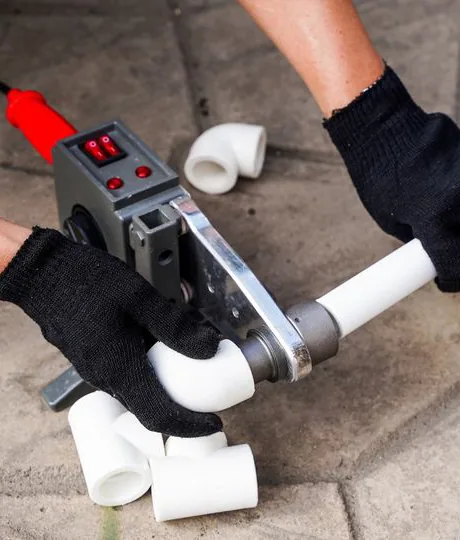
The single biggest day-to-day difference between the two composites is not on the datasheet, it is at the welding machine. Both are joined by heat fusion with the same PPR fittings, sockets, valves and manifolds; the pipe and fitting faces are heated on a hot-melt tool, then pushed together to form a homogeneous, leak-free joint. The difference is one preparation step:
A Bekaatherm PPR Hot Melt Welding Machine (BK-222, 20–63mm), Pipe Cutter (BK-221) and PTFE tape (BK-220) cover the toolkit for both structures. For thread transitions, our brass-insert fittings and unions join the composite runs to boilers, manifolds and metering points.
See PPR fittings, unions & brass-insert transitions

The right structure follows the working condition. Use this as a starting point, then confirm the PN rating against your system’s temperature and pressure:
For temperature-driven selection across heating and solar, see our Solar & Underfloor Heating systems
A composite structure is only as good as the polypropylene and the process behind it. Both Bekaatherm composites are built from 100% high-standard raw material and carry the same certification set: German SKZ, described in our catalogue as one of the strictest certifications in the global piping industry, auditing both product quality and factory production, plus ISO 15874, CE and WRAS. That means a buyer qualifying fiberglass and aluminum composite PPR is qualifying one approved source, not two. Colour is consistent across the Green, White and Coffee series so multi-structure jobs still look like one system, and mould precision (10,000 tools) keeps fittings and pipe dimensionally matched batch to batch.
Specific certificate numbers are available on request and are being published. See our certifications
Pipe and fittings for both composite structures, produced in-house across the Green, White and Coffee series, PN20/PN25, 20–63mm, plus the brass-insert transitions that join composite runs to boilers, manifolds and meters.
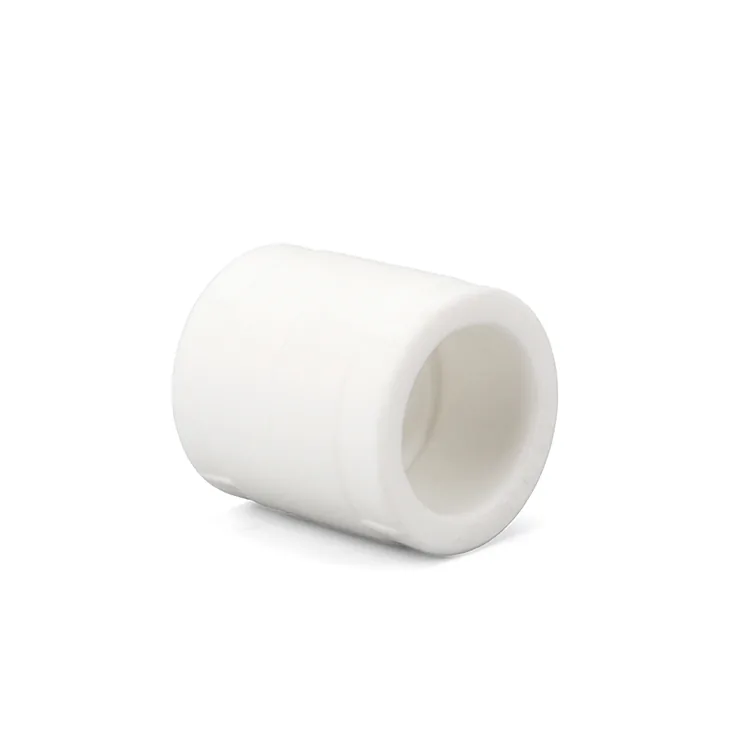
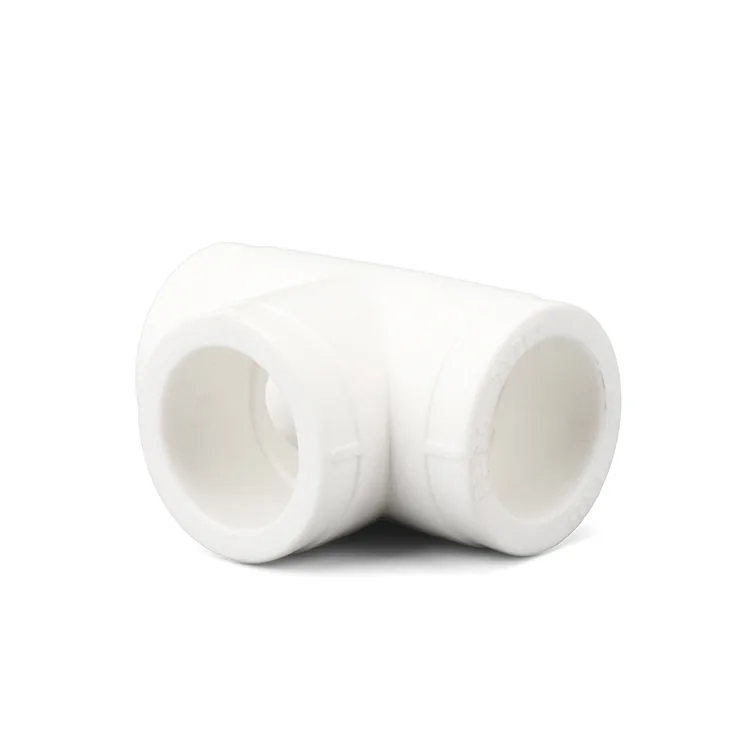
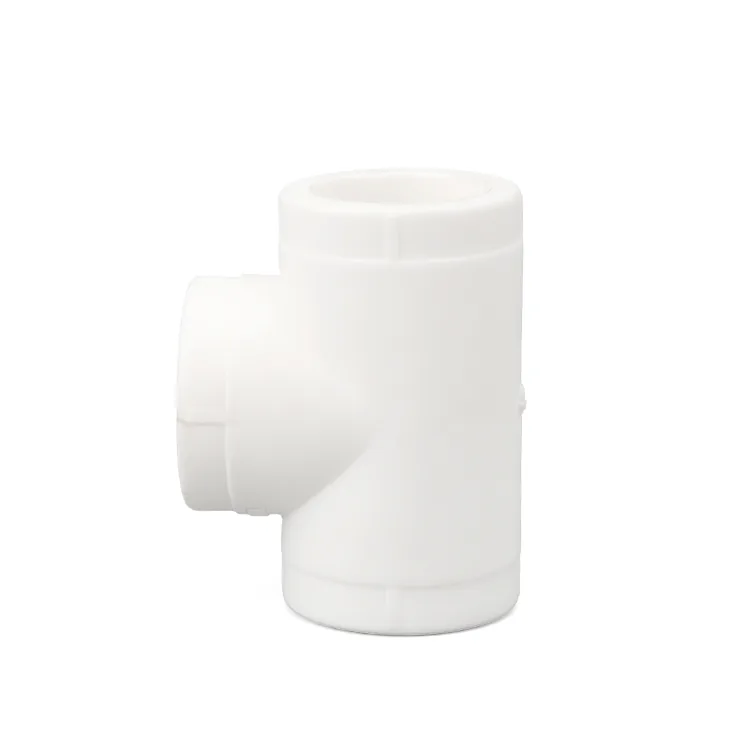
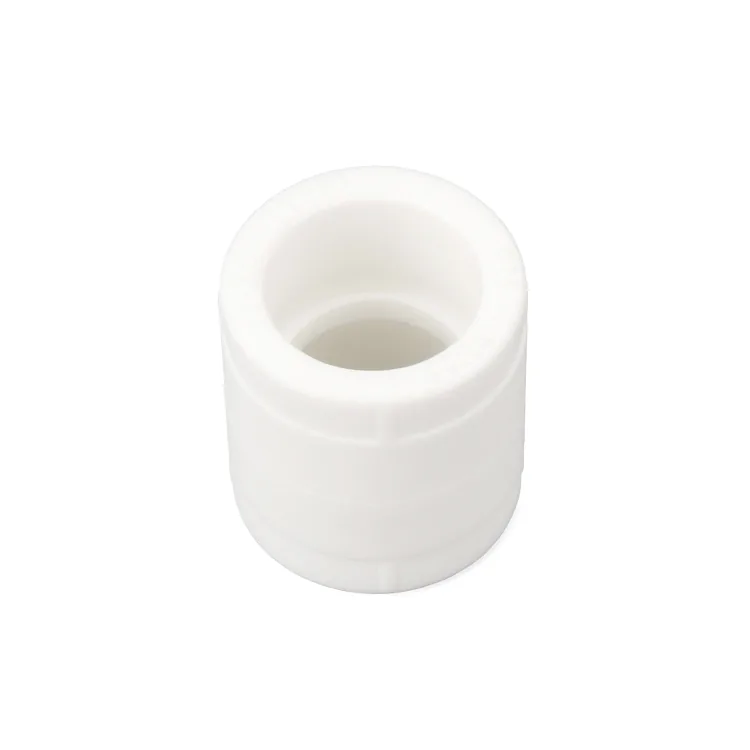
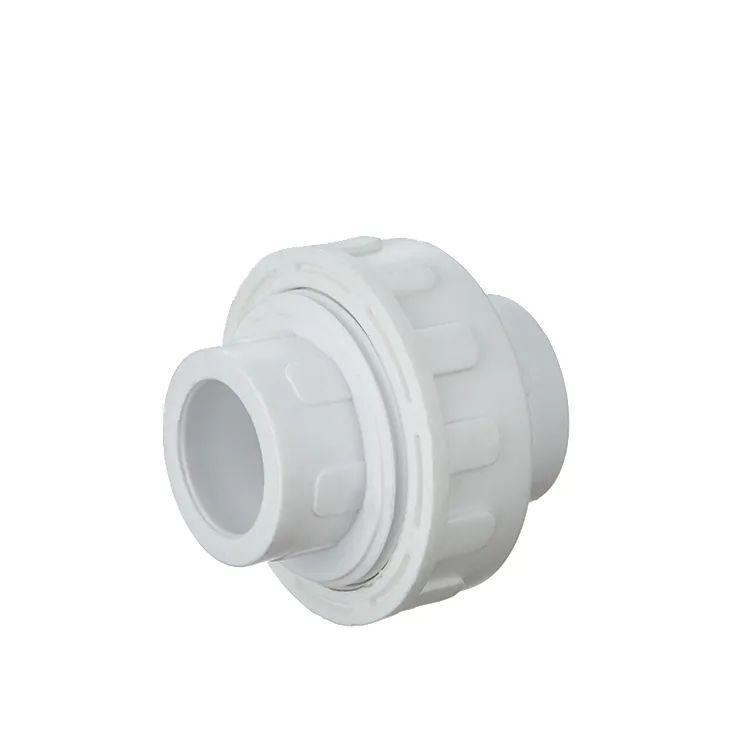
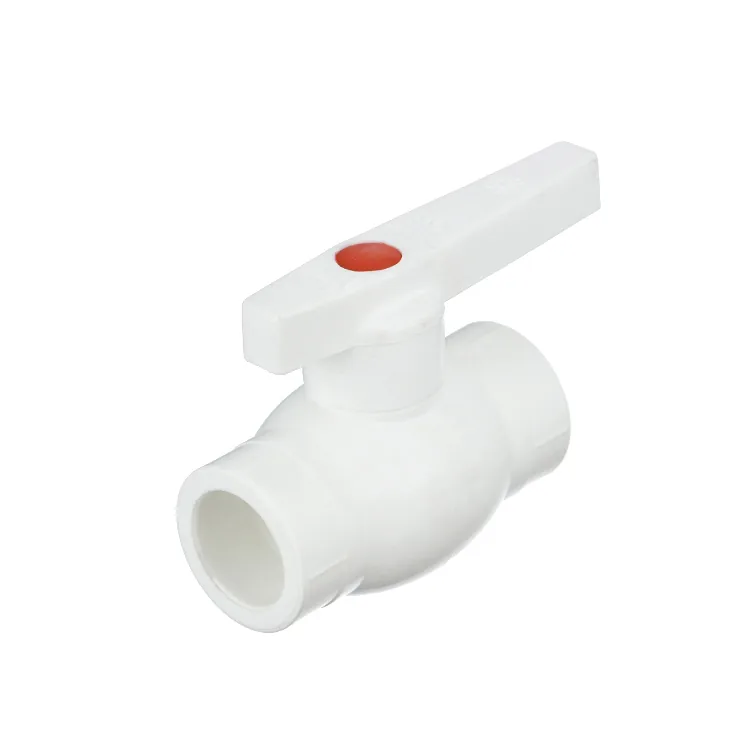
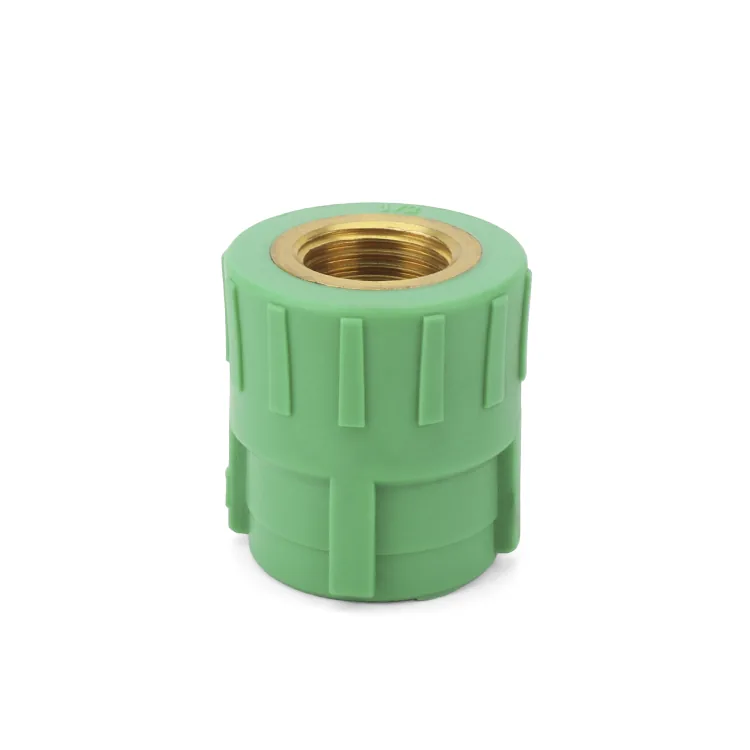
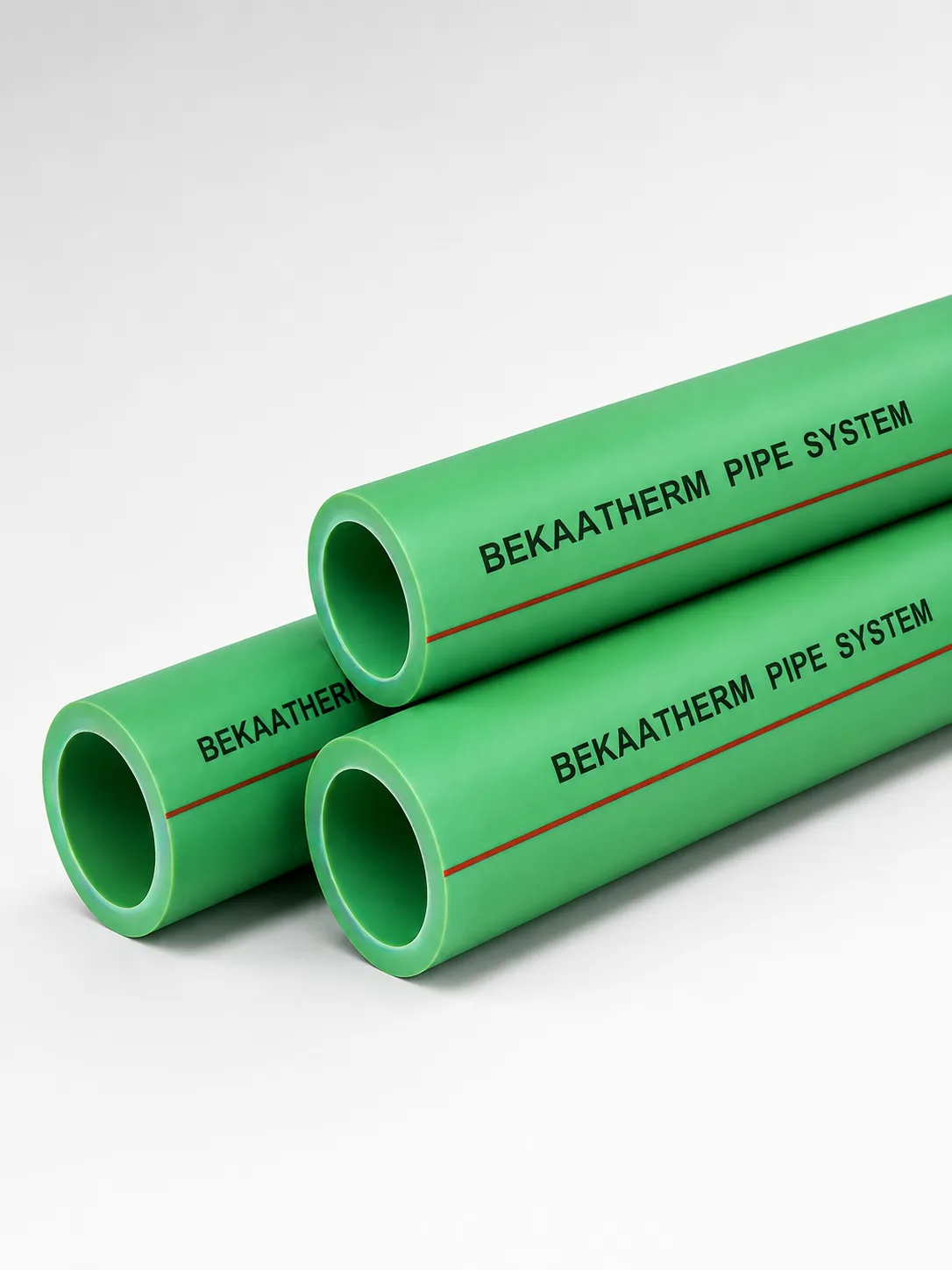
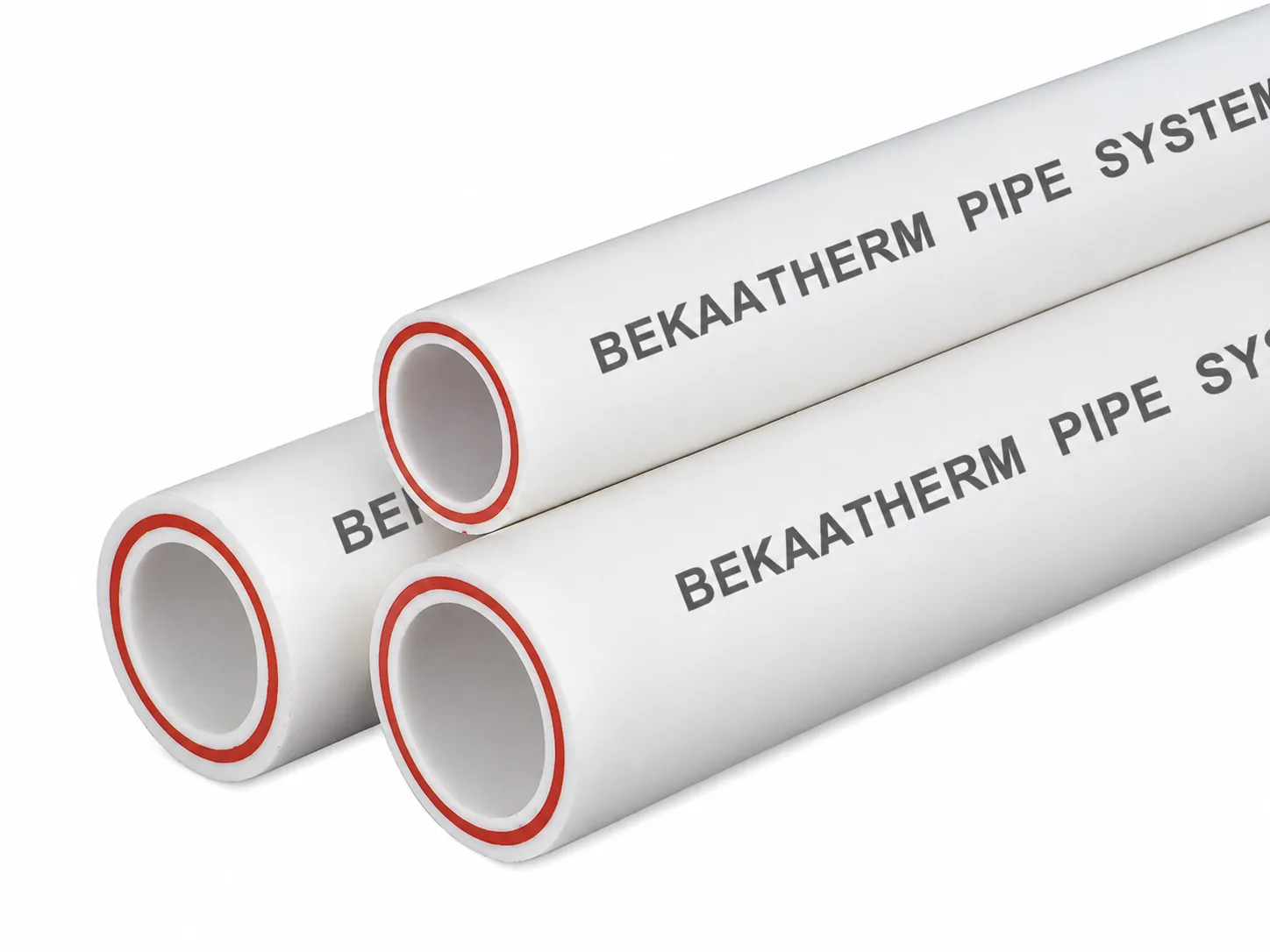
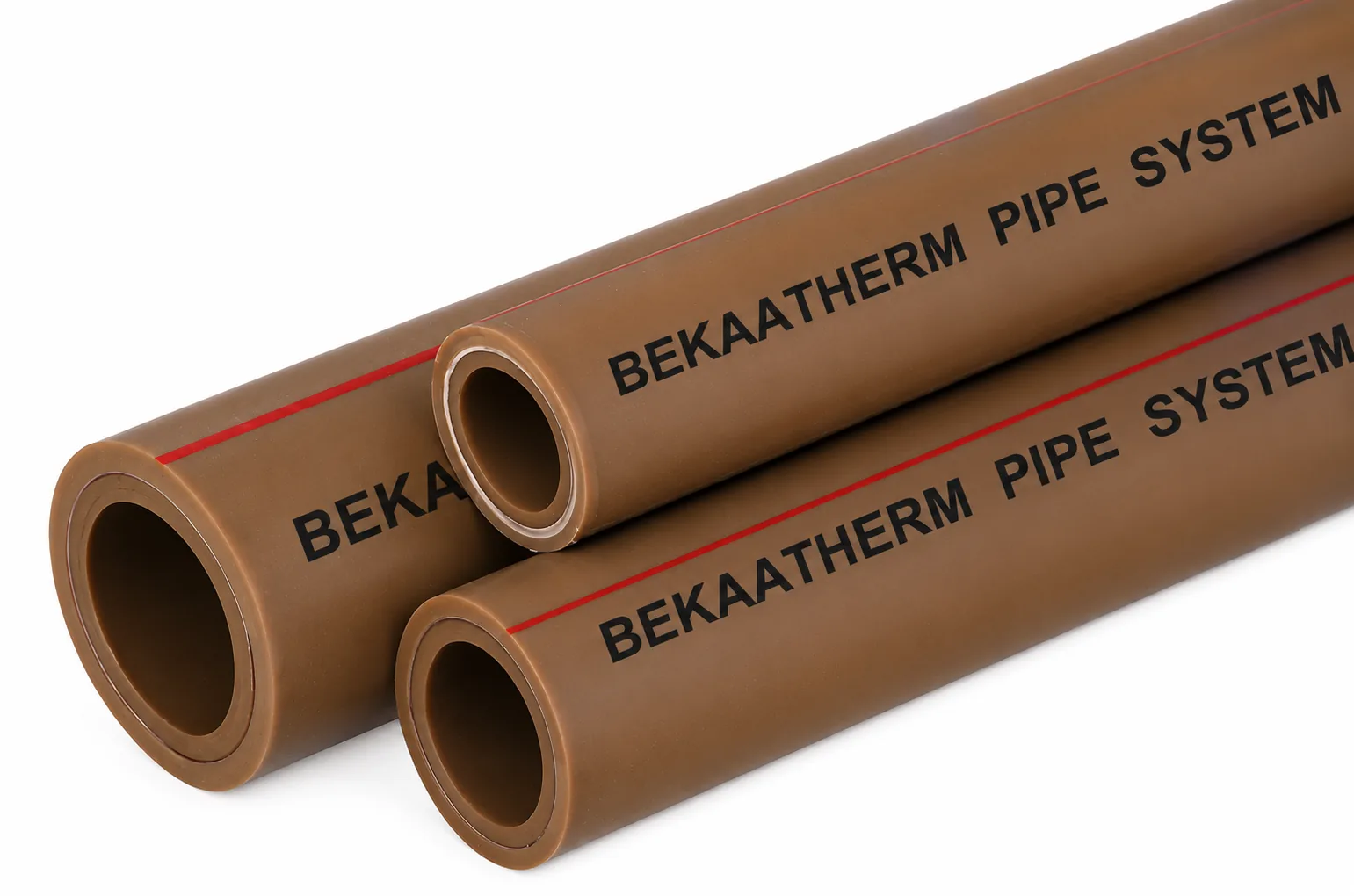
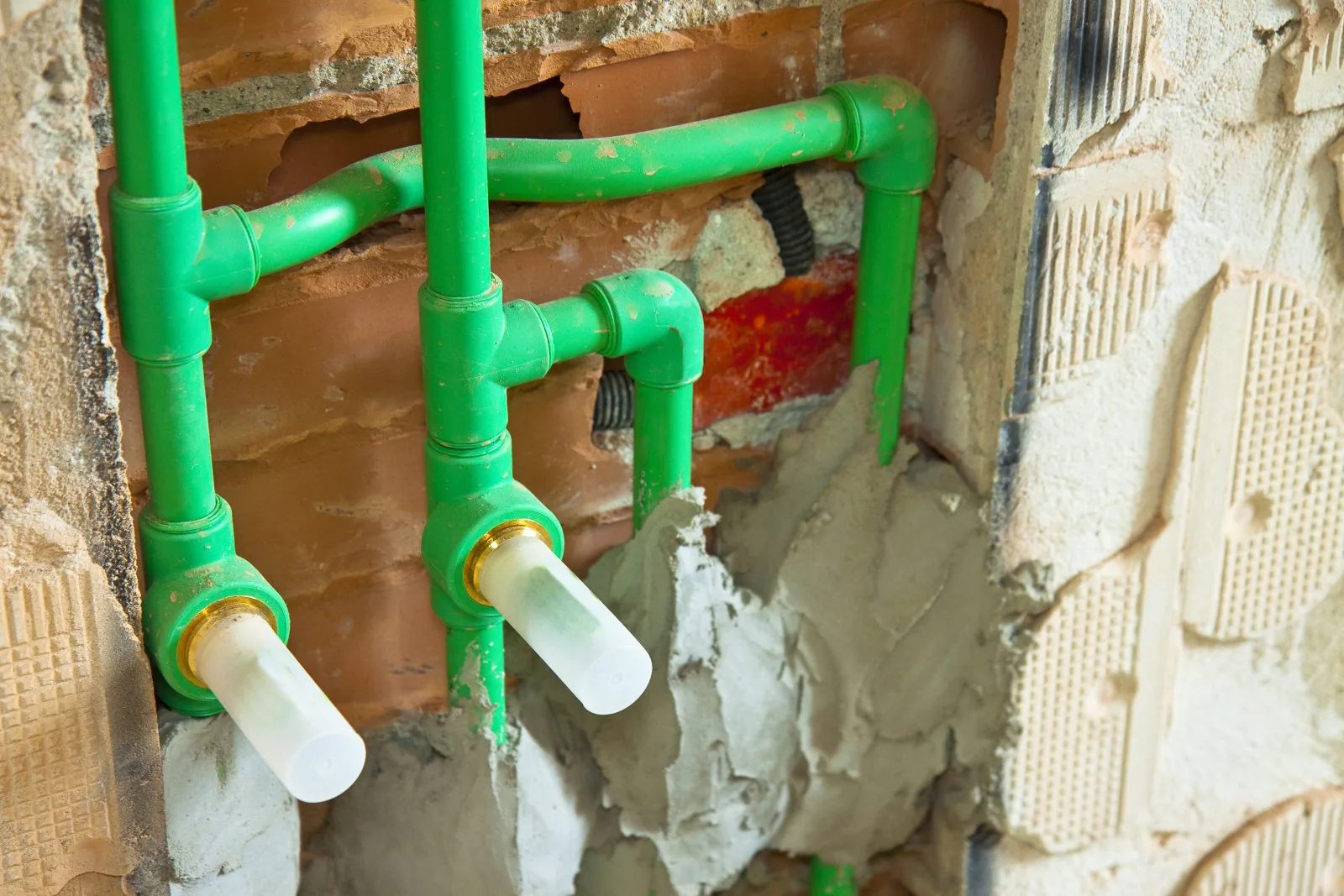
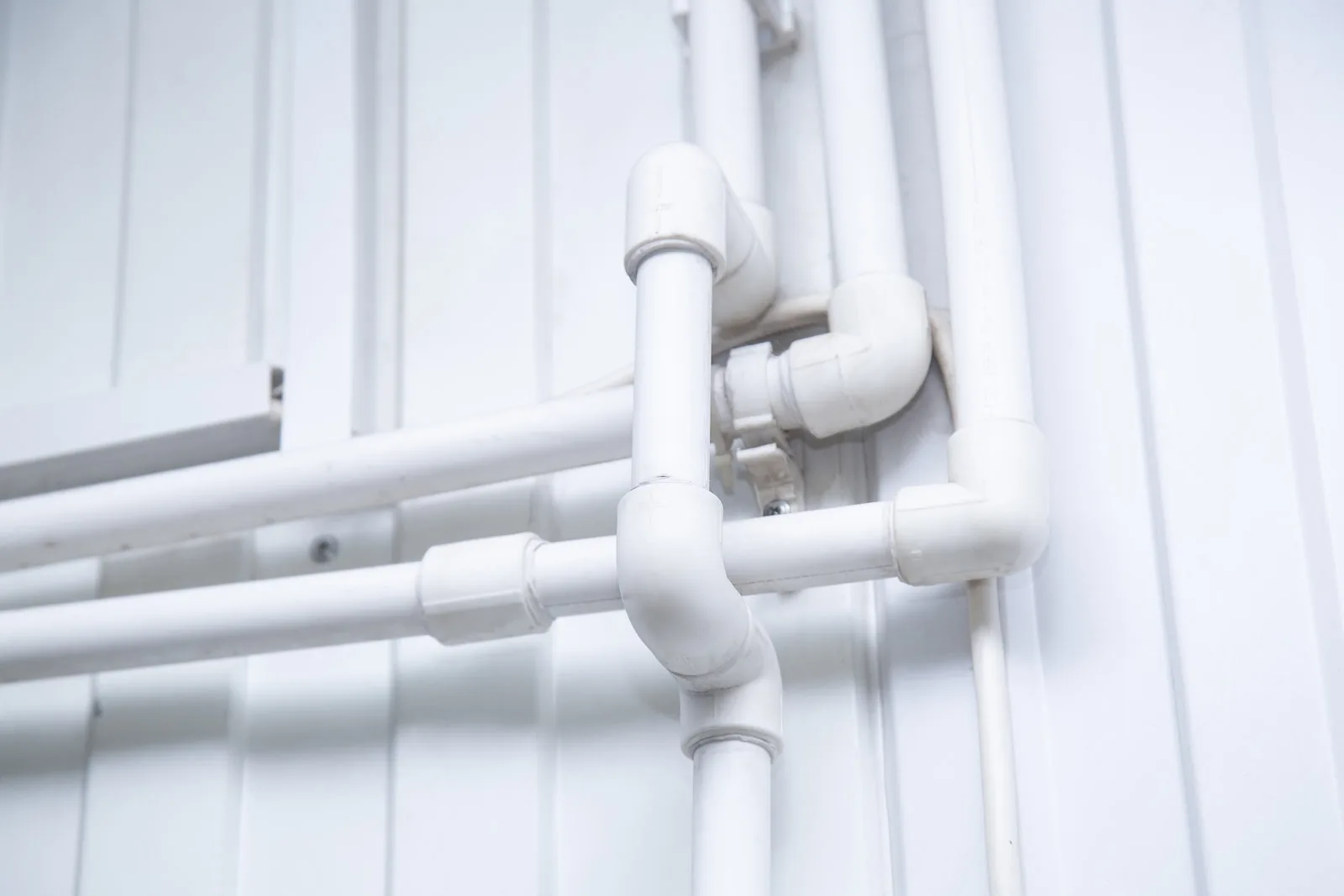
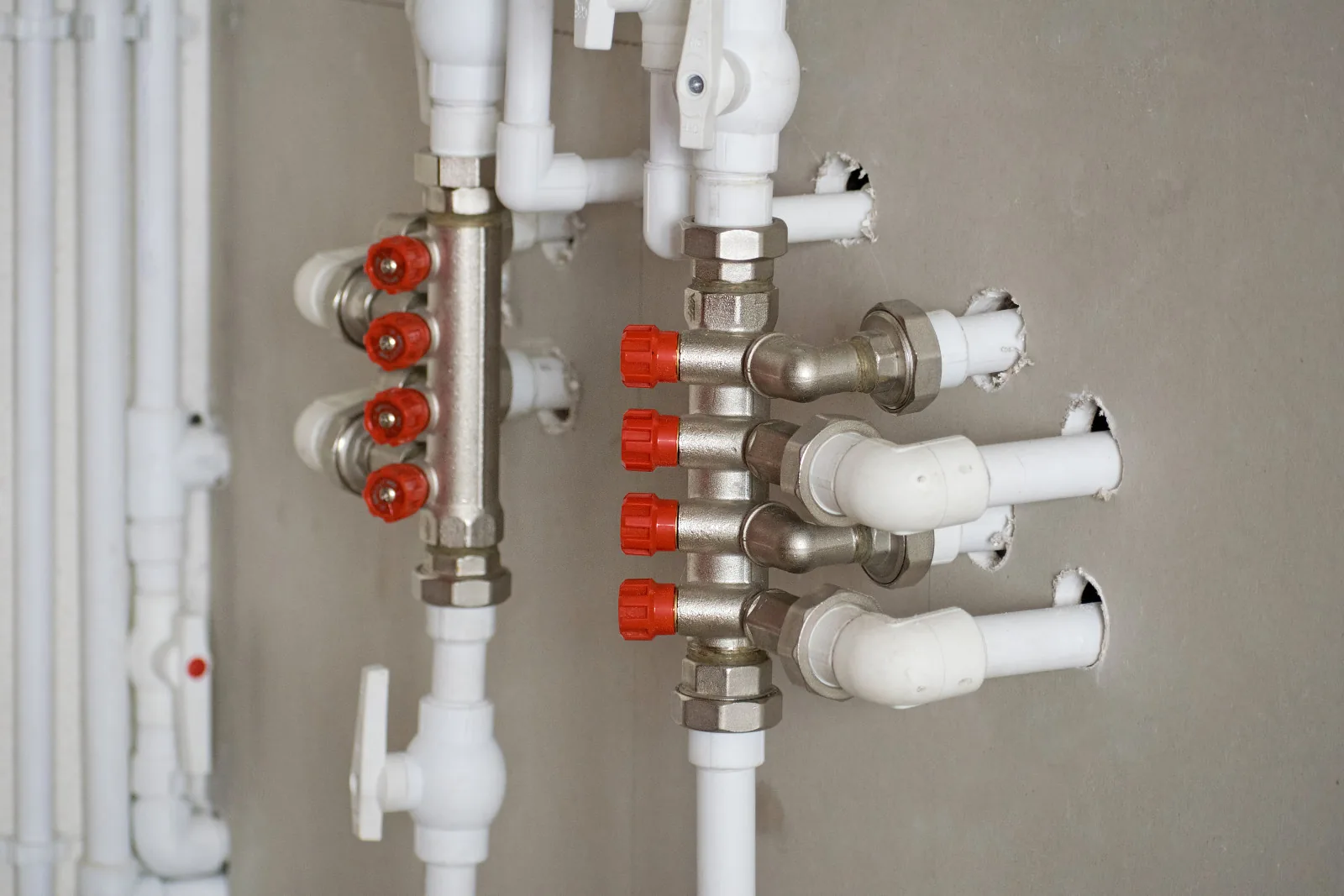
Same pipe family, three working conditions. Fiberglass keeps long open-plumbing runs straight; aluminum’s oxygen barrier and lowest movement suit sealed heating and solar loops.
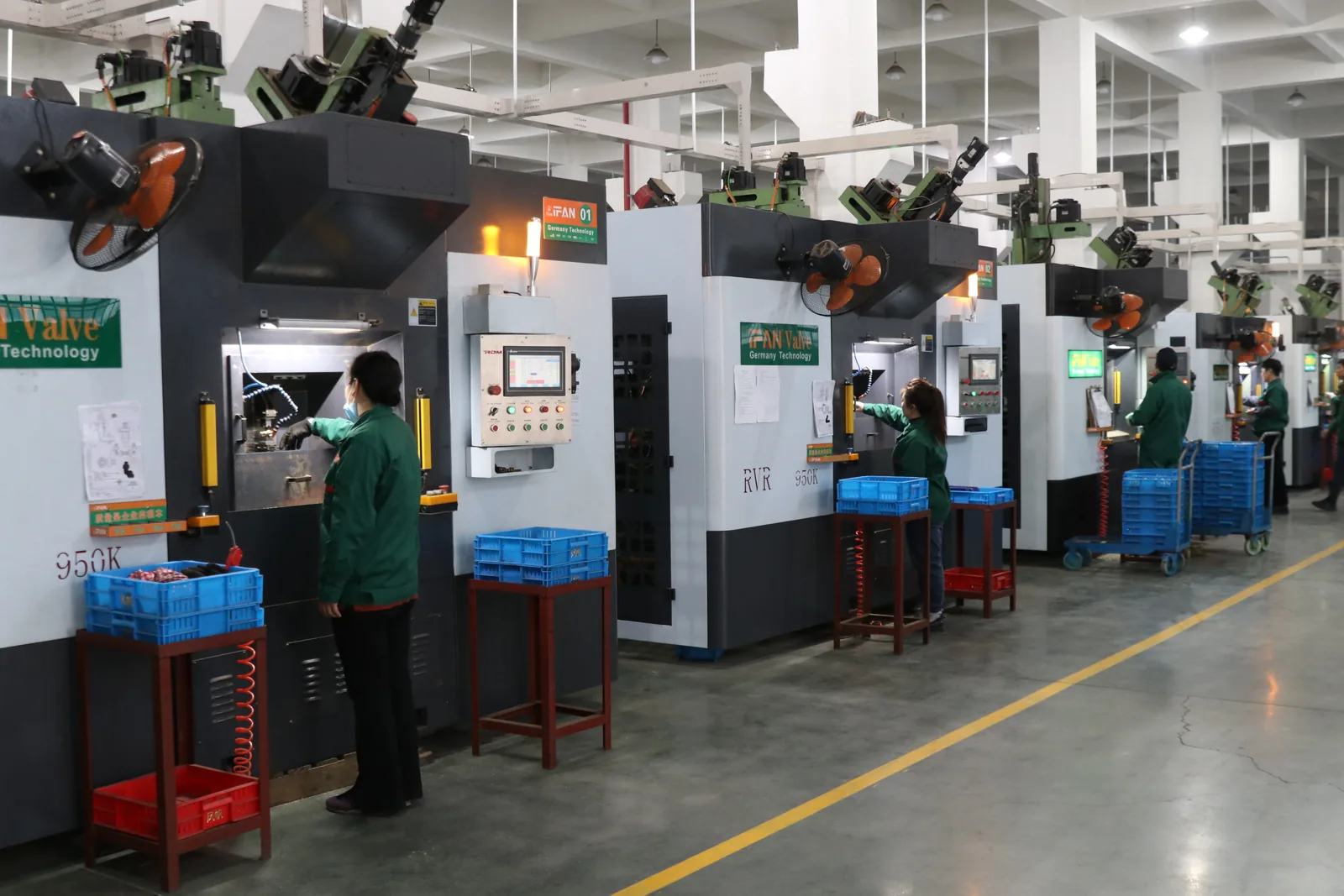
Whichever structure your project calls for, you should not have to qualify two suppliers to get it. Bekaatherm manufactures both fiberglass composite (PPR-FG) and aluminum composite (PPR-AL-PPR) PPR pipe in-house, PN20 and PN25, 20–63mm, in green, white and coffee series, under one set of certifications and 100% high-standard raw material.
| Both structures in-house | PPR-FG & PPR-AL-PPR, no second supplier |
| Pressure ratings | PN20 / PN25 across both |
| Size range | 20–63mm across both |
| Color series | Green / White / Coffee |
| Certification | SKZ · ISO 15874 · CE · WRAS (same set) |
| Scale & reach | 30 years · 120,000 m² · 118+ countries |
| Capacity backbone | 1,000+ staff · 10,000 moulds · 24h online |
| OEM / private label | Supported, with regional exclusivity available |
| MOQ | Low MOQ (details on request) |
For the Contractor: Both add a middle layer to cut PPR’s thermal expansion. Fiberglass (PPR-FG) uses a glass-fiber-filled PPR layer, fully weldable, no peeling, but no oxygen barrier. Aluminum (PPR-AL-PPR) uses a foil layer that blocks oxygen and expands least, but faces must be peeled before fusion.
For the Solar & Underfloor Integrator: For sealed loops with steel boilers, pumps and manifolds, aluminum composite (PPR-AL-PPR) is often specified, its foil is an oxygen barrier that reduces corrosion, and it expands the least. Where an oxygen barrier isn’t needed, fiberglass gives low expansion with faster, peel-free welding. Bekaatherm supplies both in PN20/PN25.
For the Project Buyer: Plain PPR expands the most; both composites cut linear thermal expansion by a large margin, with aluminum typically the lowest and fiberglass close behind. That keeps long hot-water risers and heating runs stable in their clips. Exact expansion coefficients are on our technical datasheet, available on request.
For the Installer: No. Fiberglass (PPR-FG) needs no peeling, the whole wall is polypropylene, so you cut, deburr, heat and fuse like plain PPR. Only aluminum composite (PPR-AL-PPR) must be peeled to remove the foil face from the fusion zone. Both join with the same PPR fittings and a hot-melt machine (BK-222, 20–63mm).
For the Technical Buyer: Both run 20–63mm in PN20 and PN25. Wall thickness matches at PN25; at PN20 the aluminum wall is slightly thinner (e.g. 63×7.0 vs 63×8.6 fiber) because the foil shares the load. The full OD × wall table and article numbers (BK-01…24) are above and in the datasheet, on request.
For the Importer / Distributor: Yes. Bekaatherm makes both PPR-FG and PPR-AL-PPR in-house, in PN20/PN25, 20–63mm, green/white/coffee, under the same SKZ, ISO, CE and WRAS certification. You carry two composite lines from one 30-year Turkish factory exporting to 118+ countries, no second vendor to qualify.
This guide sits inside our PPR composite-pipe cluster. Follow the links to the product range, the fittings that join it, the systems that use it and the sister guides that go deeper.
Tell us your application (hot water, radiator/underfloor, solar), temperature and pressure, sizes and quantity. We’ll recommend fiberglass (PPR-FG) or aluminum composite (PPR-AL-PPR), send the comparison sheet and technical datasheet, and quote, PN20/PN25, 20–63mm, SKZ/ISO/CE/WRAS.
Explore: PPR Pipe range · Solar & Underfloor Heating · Blog