A glass-fibre reinforced middle layer engineered into fully-welded PPR, so hot-water and heating runs expand less, resist sag, and still heat-fuse like standard PPR. PN20 & PN25, 20–63mm, green / white / coffee. SKZ, ISO, CE & WRAS certified. Made in Türkiye, exported to 118+ countries.
We supply fiberglass PPR pipe wholesale to importers, distributors & contractors, not single-item retail.
A fiberglass PPR pipe, also called PPR-FG, ppr fiber pipe or fiber-glass composite PPR, is a polypropylene random copolymer (PP-R) pipe with a glass-fibre reinforced middle layer co-extruded between two solid PPR layers in a single continuous wall. Plain PPR is safe, hygienic and easy to weld, but it has a relatively high linear thermal expansion: long hot-water and heating runs grow noticeably when they heat up, loading fittings, brackets and supports every time the system cycles.
The glass-fibre layer stiffens the wall and sharply reduces that expansion, while the inner and outer PP-R layers keep the pipe fully weldable by standard socket fusion, there is no aluminium foil to trim, no need to peel or ream a layer, and no risk of the middle layer separating or peeling off over the pipe’s service life. The result is a pipe that behaves exactly like PPR at the joint but moves along the run like a far more dimensionally stable material.
| Inner layer | 100% PP-R, smooth, drinking-water-safe flow surface |
| Middle layer | Glass-fibre reinforced PP-R, reduces expansion, adds strength & rigidity |
| Outer layer | 100% PP-R, fusion-ready surface, UV / handling protection |
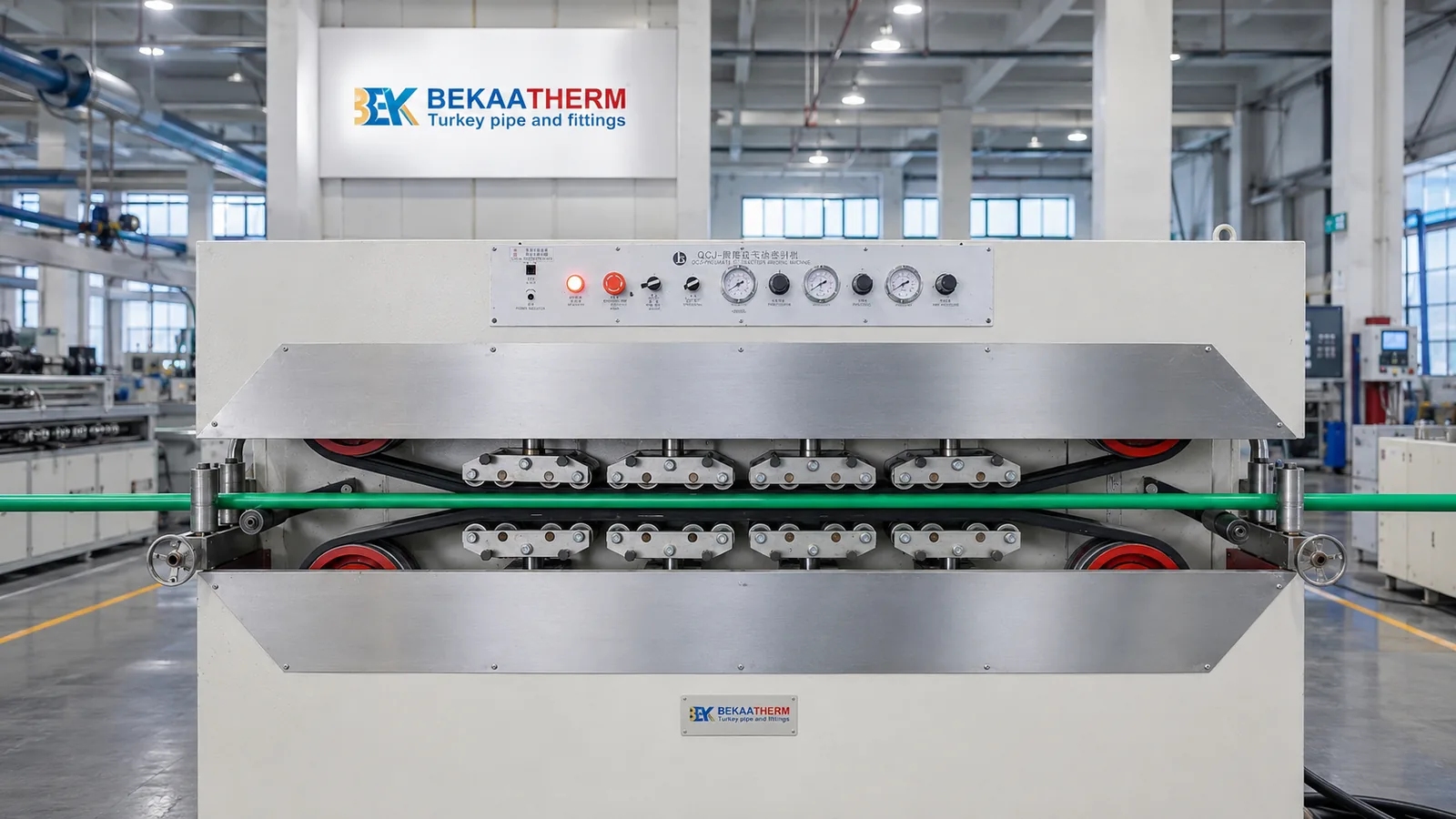
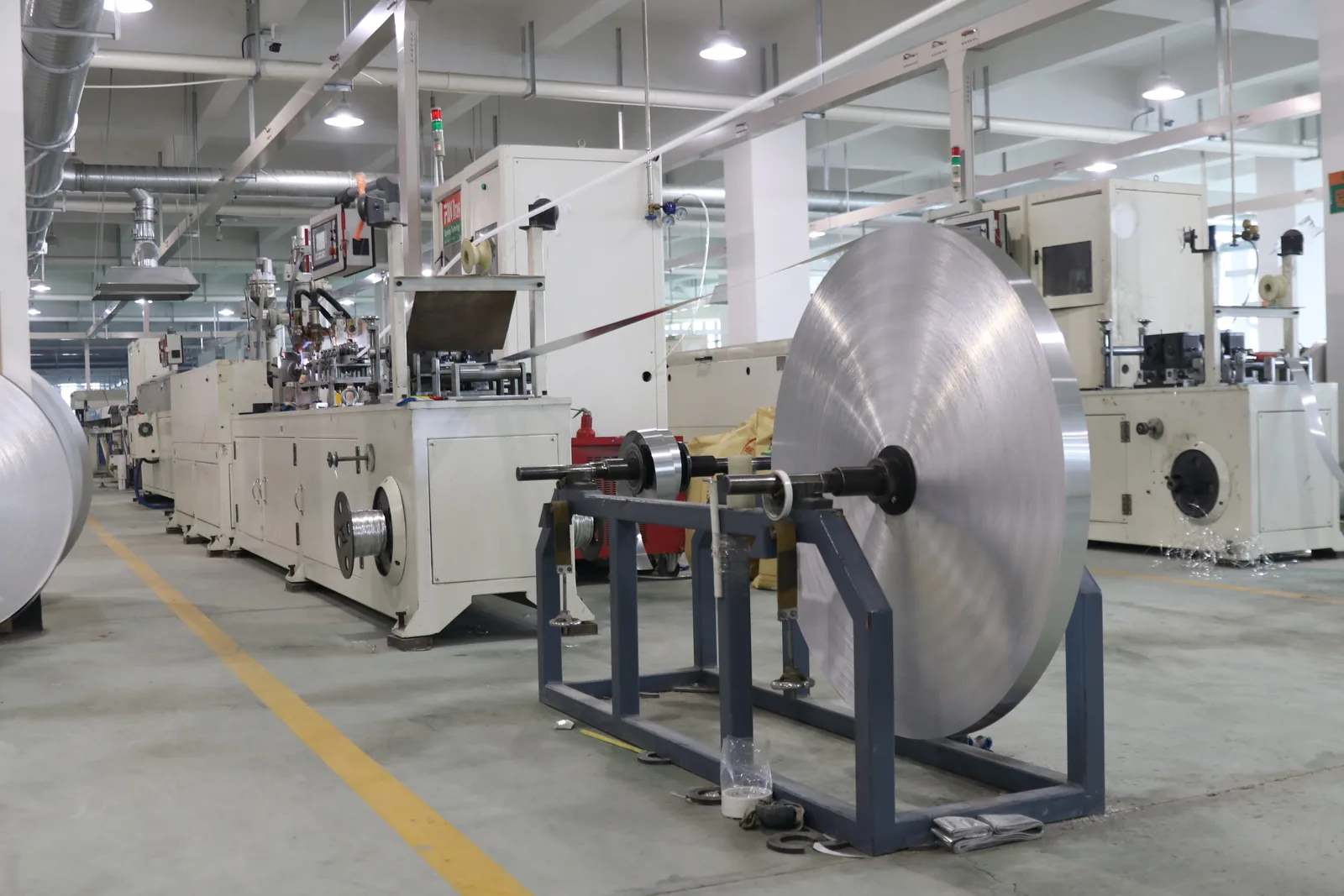
Every plastic pipe expands as it warms. What decides how much it moves is the stiffness of the wall relative to the thermal strain the material wants to develop. In plain PPR the whole wall is one soft, ductile polymer, so a hot run simply grows, and on a straight run of many metres that growth adds up fast, pushing on every fixed point and elbow.
In PPR-FG, short glass fibres are dispersed through the reinforced middle layer and locked into the polymer matrix during co-extrusion. Glass barely expands with heat and is many times stiffer than PP-R, so the fibre network resists the polymer’s tendency to grow. The middle layer effectively pins the wall, cutting the pipe’s overall linear expansion well below that of plain PPR while adding hoop and axial rigidity. That is why an FG run needs fewer expansion loops, tolerates wider support spacing and puts less stress into fused joints over years of hot–cold cycling.
Exact linear-expansion coefficients per size are documented in the technical data sheet, available on request.
The three PPR families we manufacture solve the same problem, thermal expansion on hot lines, in different ways. This is the decision most project buyers and integrators actually need help with, so we lay it out as a spec, not a sales pitch. Plain PPR is the lowest-cost and easiest to weld, but expands the most. Fiberglass PPR-FG cuts expansion and adds strength while staying fully fusible with no trimming. PPR-AL-PPR aluminum composite goes one step further on expansion and adds a true oxygen barrier, at the cost of face-trimming before each fusion. Match the family to the job, and note we supply all three in the same PN ratings, sizes and colours, so you can standardise on one supplier.
| Property | Plain PPR | Fiberglass PPR (PPR-FG) | Aluminum Composite (PPR-AL-PPR) |
|---|---|---|---|
| Thermal expansion | Highest | Sharply reduced | Lowest |
| Wall structure | Single PP-R | 3-layer, glass-fibre core | 3-layer, aluminium core |
| Oxygen barrier | No | No | Yes (full barrier) |
| Jointing | Heat fusion | Heat fusion, no trim | Heat fusion, face-trim required |
| Strength / rigidity | Standard | Higher | Higher |
| Wall thickness @ 20mm PN25 | 3.4 mm | 3.4 mm | 3.4 mm |
| Wall thickness @ 63mm PN25 | 10.5 mm | 10.5 mm | 10.5 mm |
| Best for | Cold & general hot water | Hot water & heating runs | Heating where O₂ barrier is specified |
| Pressure ratings | PN20 / PN25 | PN20 / PN25 | PN20 / PN25 |
| Sizes | 20–63 mm | 20–63 mm | 20–63 mm |
Exact linear-expansion coefficients per family and size are available on request. Wall thicknesses shown are from the Bekaatherm PPR dimension table.
This is the outer-diameter × wall-thickness data our PPR-FG line actually runs, in both PN20 and PN25, straight from the Bekaatherm dimension table. Wall thickness climbs with both diameter and pressure class, so PN25 walls are thicker than PN20 at every size, that extra wall is what carries the higher working pressure at temperature on hot-water and heating mains. Article numbers let you order and re-order exactly the same item across shipments.
| Outer diameter (OD) | PN20, OD × wall (mm) | PN20 Art. No. | PN25, OD × wall (mm) | PN25 Art. No. |
|---|---|---|---|---|
| 20 mm | 20 × 2.8 | BK-13 | 20 × 3.4 | BK-19 |
| 25 mm | 25 × 3.5 | BK-14 | 25 × 4.2 | BK-20 |
| 32 mm | 32 × 4.4 | BK-15 | 32 × 5.4 | BK-21 |
| 40 mm | 40 × 5.5 | BK-16 | 40 × 6.7 | BK-22 |
| 50 mm | 50 × 6.9 | BK-17 | 50 × 8.4 | BK-23 |
| 63 mm | 63 × 8.6 | BK-18 | 63 × 10.5 | BK-24 |
PN20 ≈ 20 bar working pressure at 20°C · PN25 ≈ 25 bar. Weight per metre, coil/length and packaging are available on request. All sizes are offered in Green, White and Coffee.
PPR-FG pipe ships as part of a fully matched system, same resin, same three colours, same fusion technique across pipe, fittings and valves. Below is a look at the pipe, the fittings that weld straight onto it, and the finished product groups distributors shelf together.
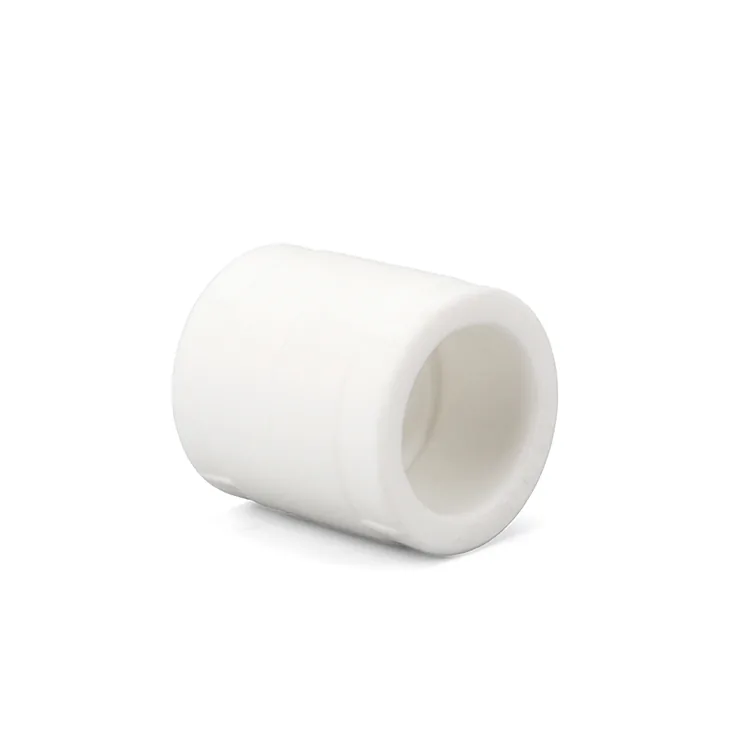
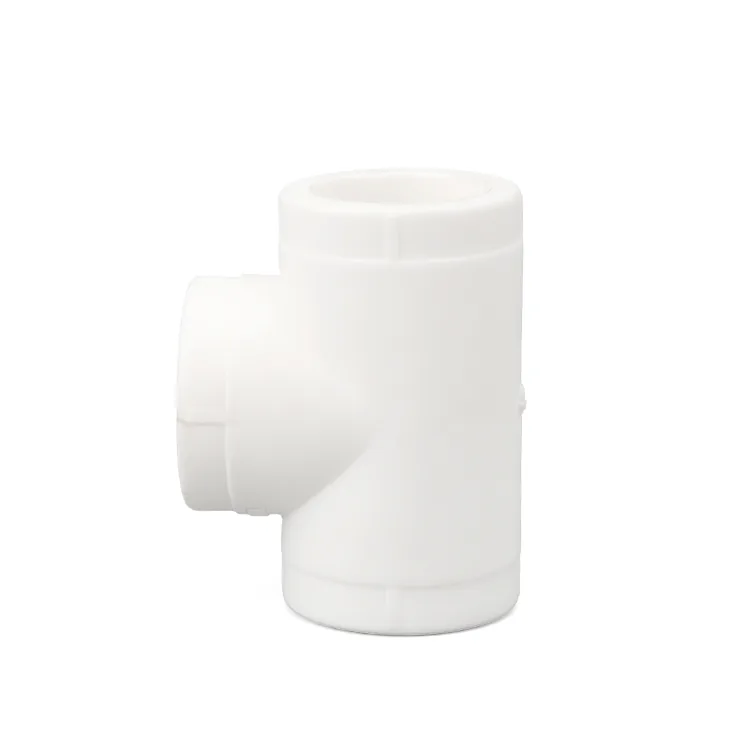
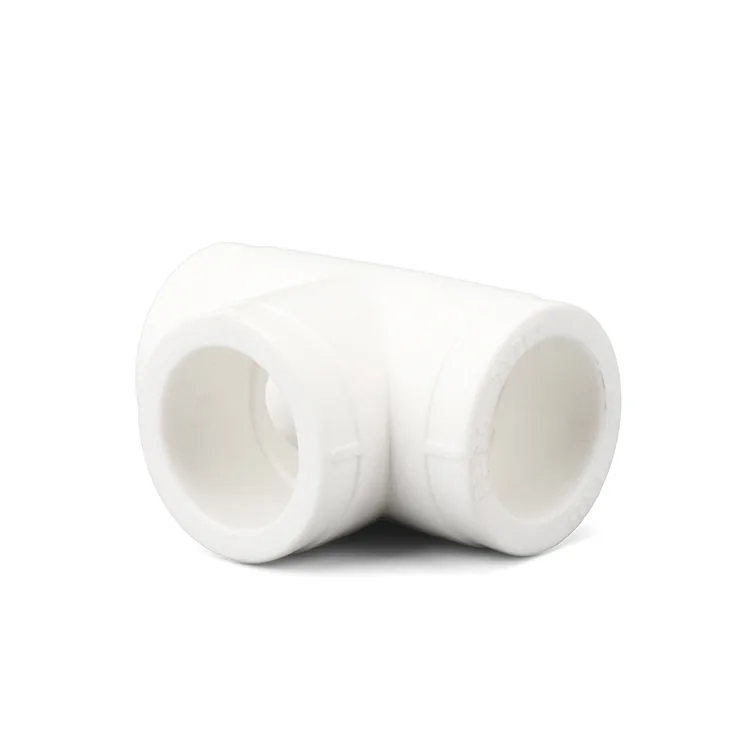
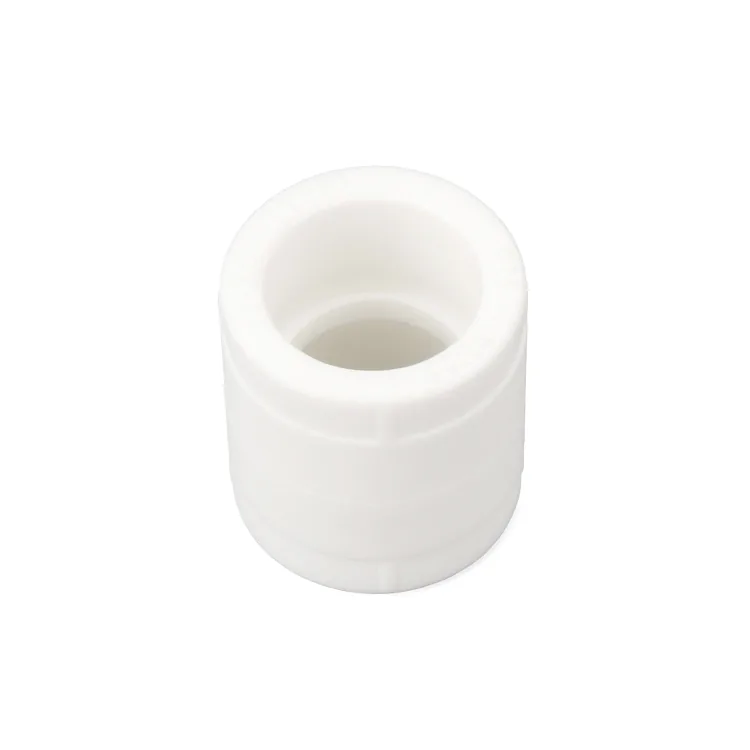
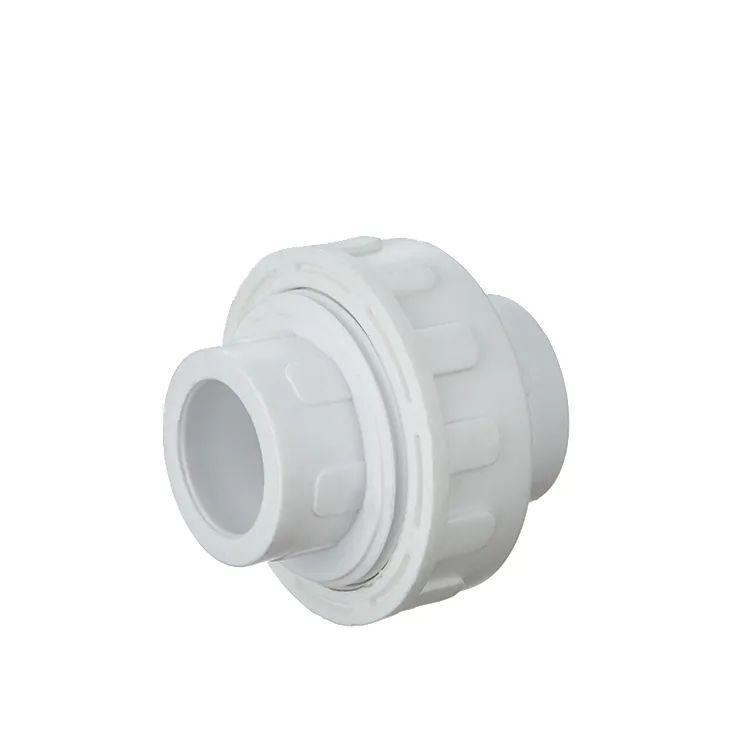
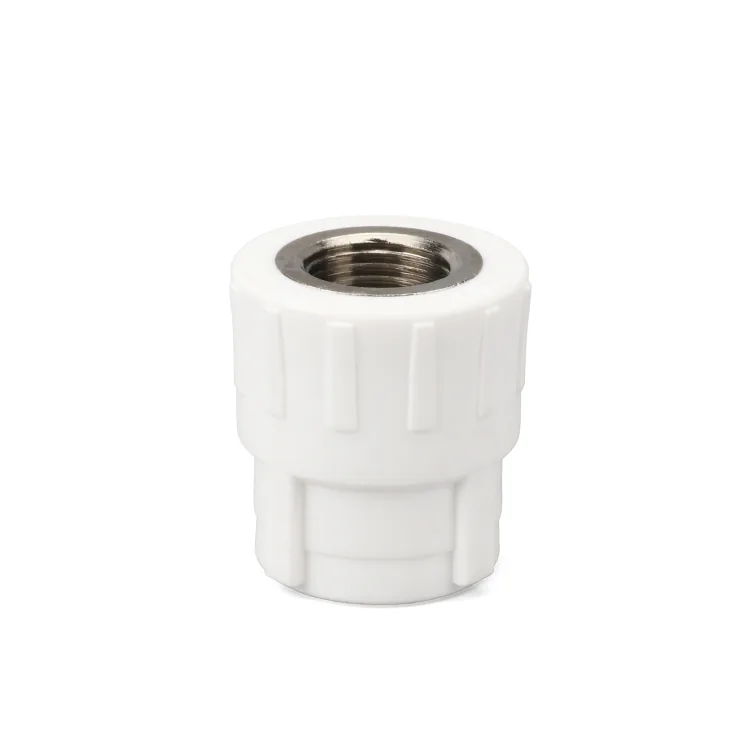
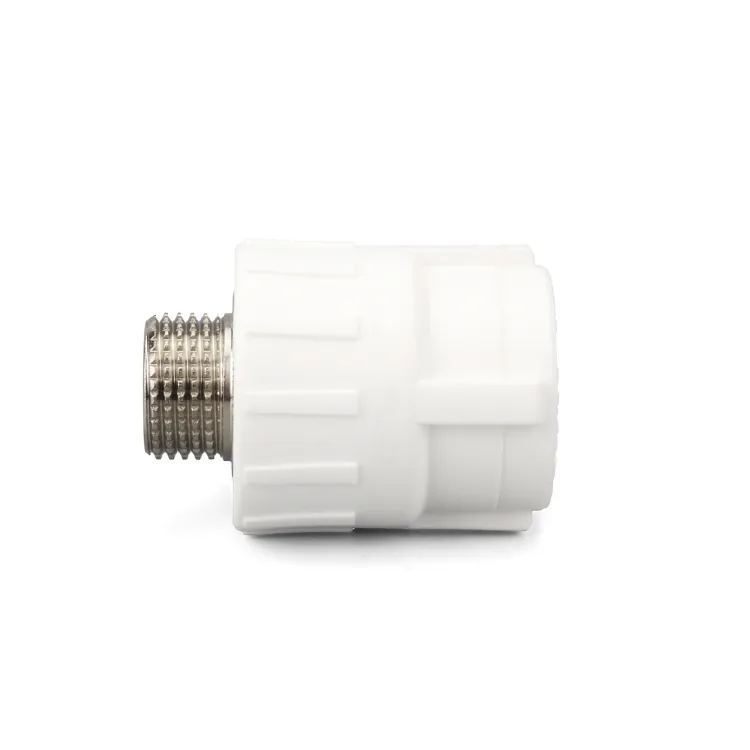
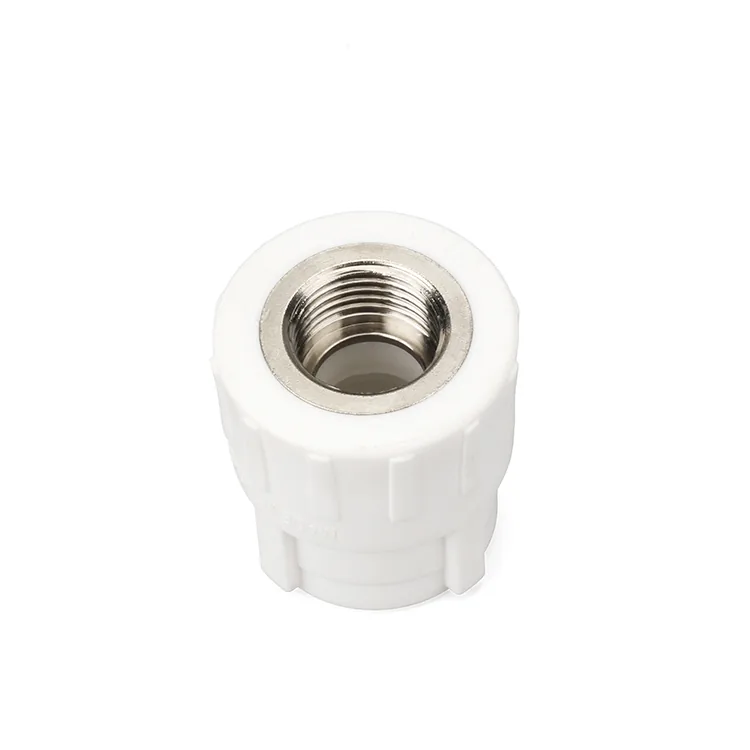
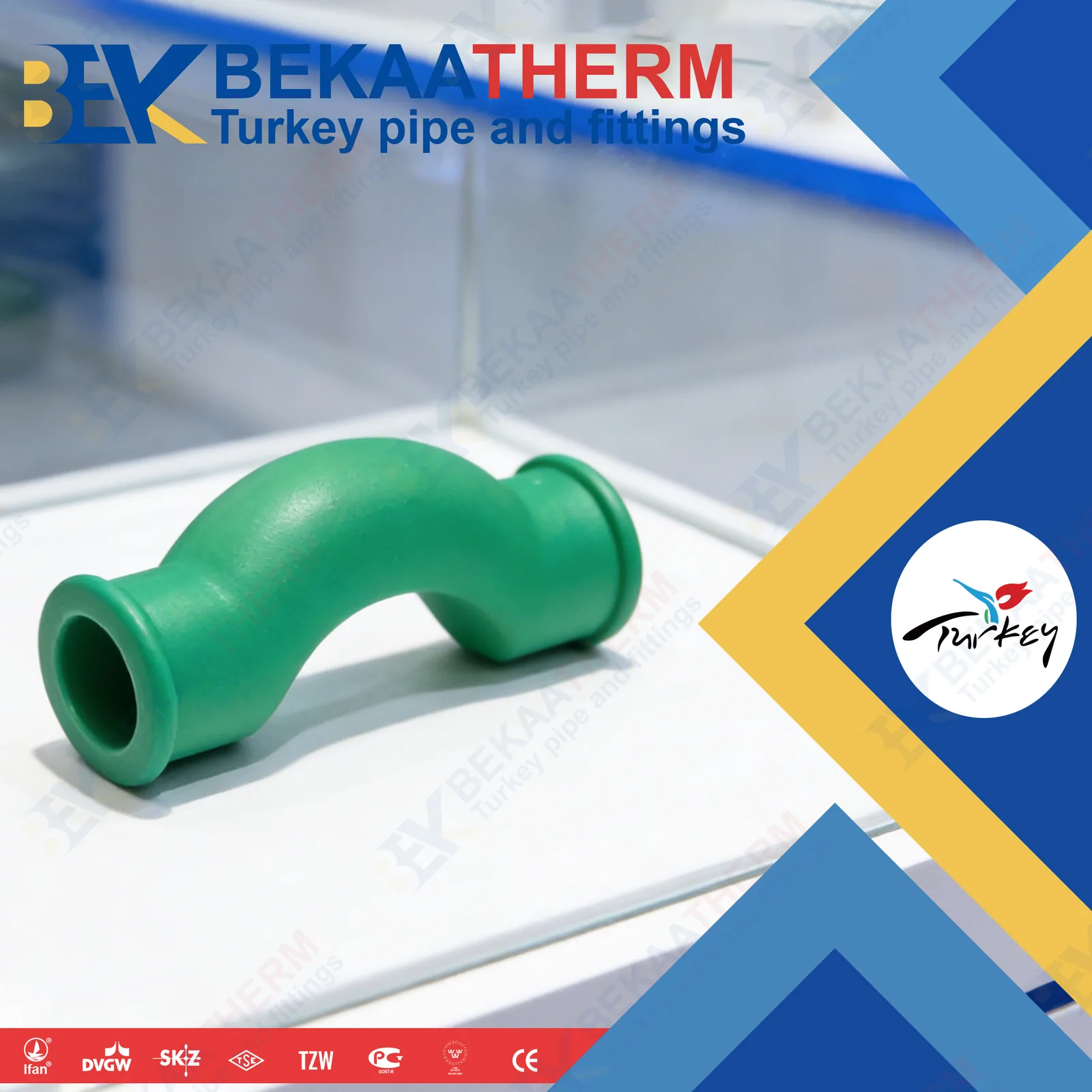
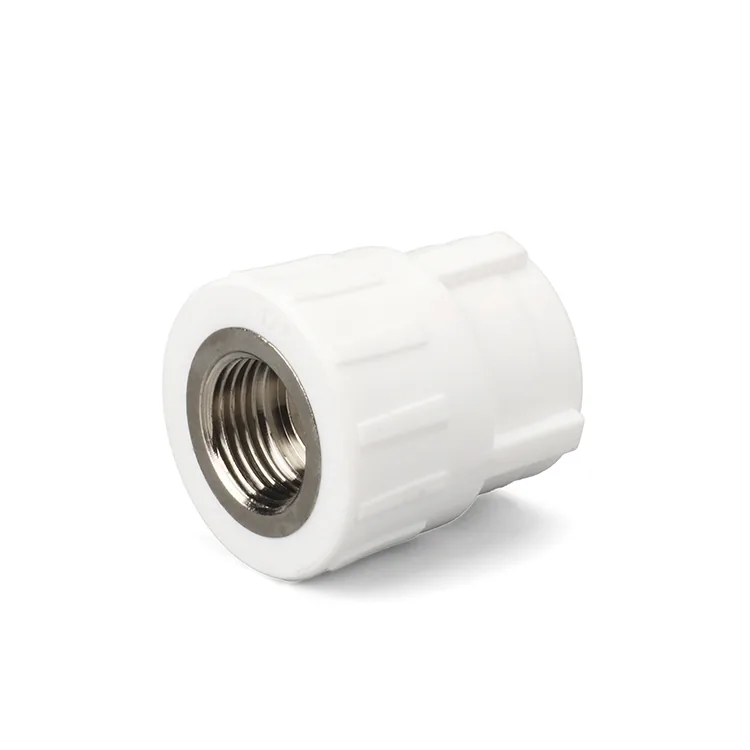
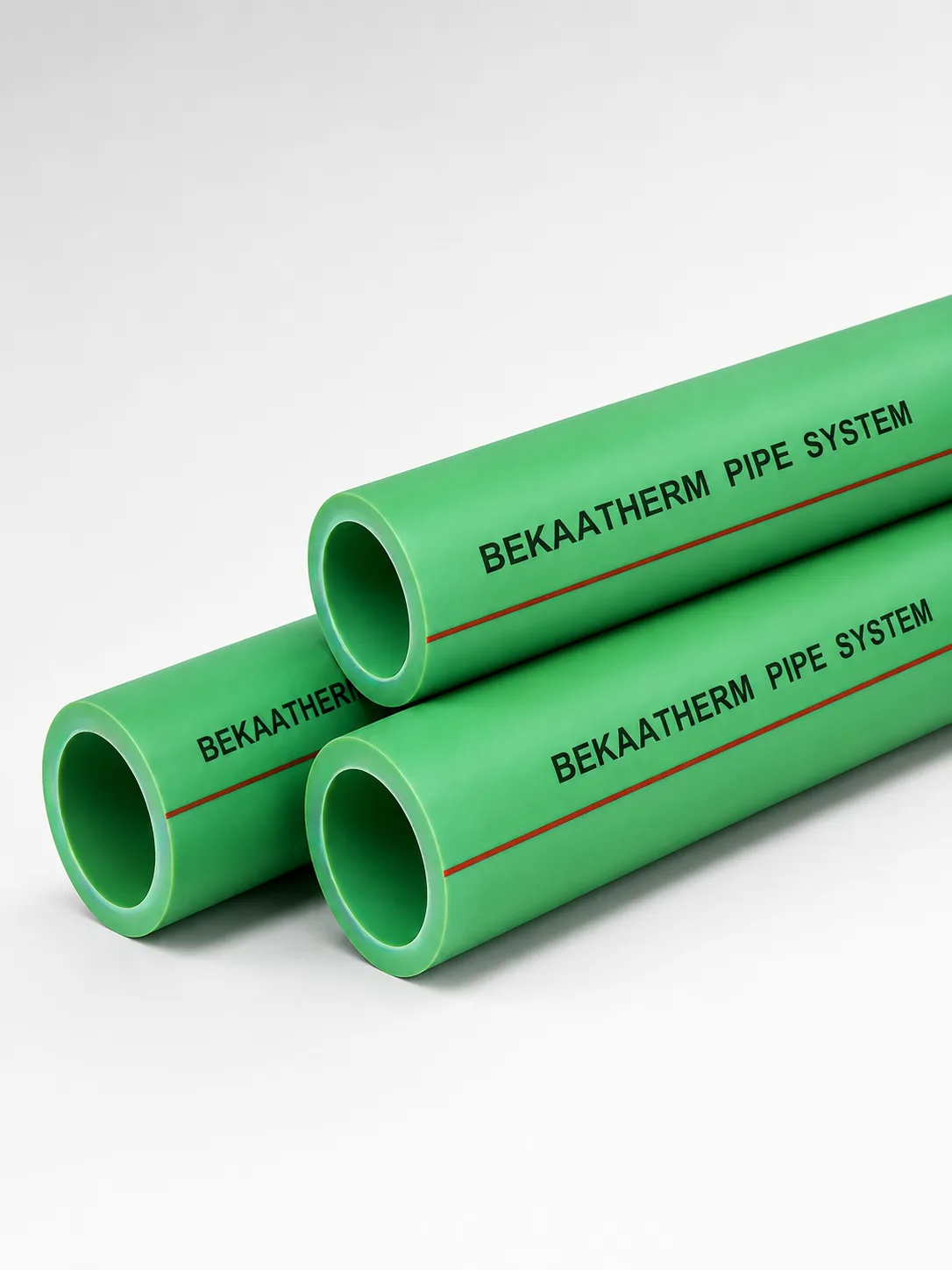
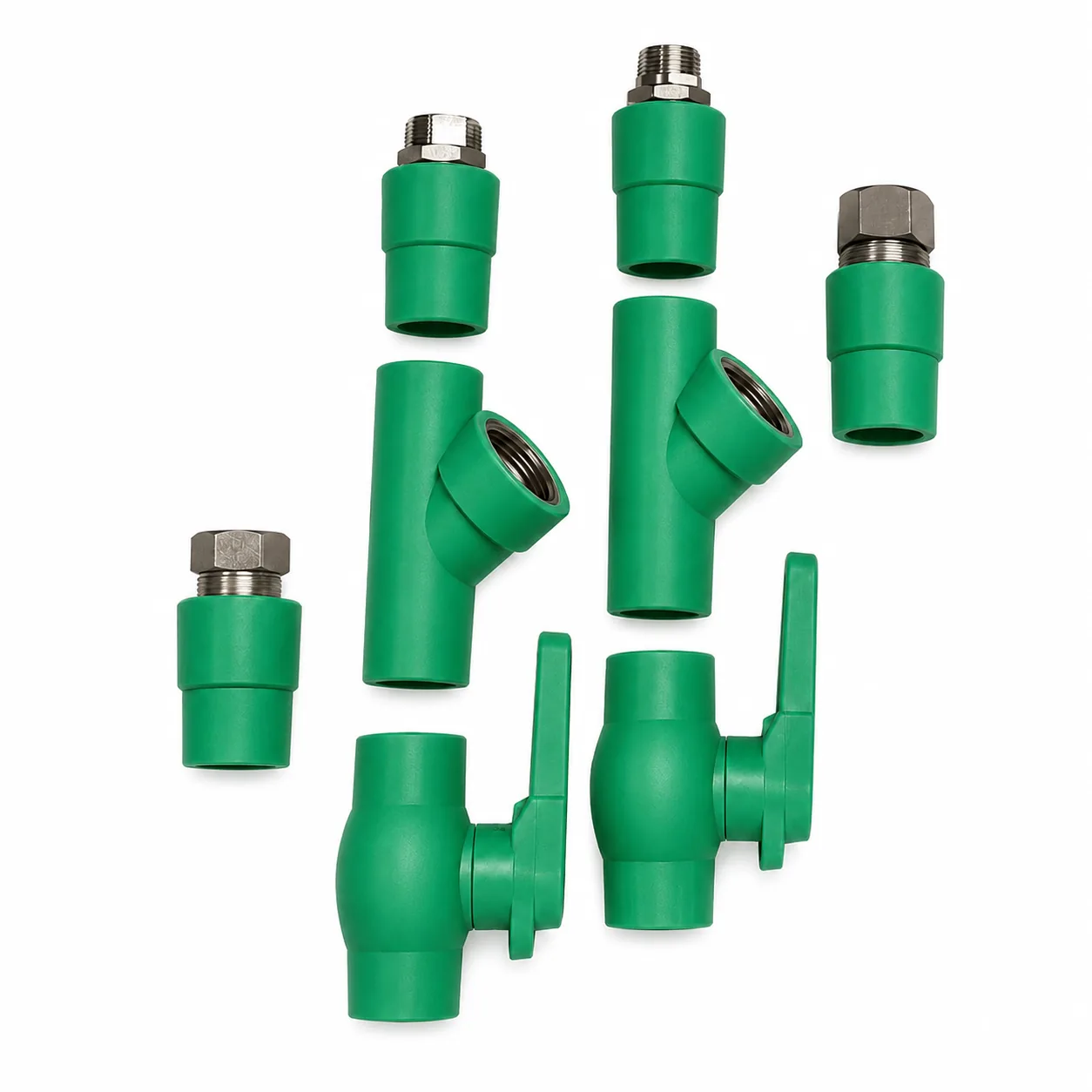
Every PPR-FG size is produced in Green, White and Coffee from the same 100% premium-grade resin, so distributors can shelf a matched range for different markets and installers can colour-code hot, cold and heating lines across a whole building.
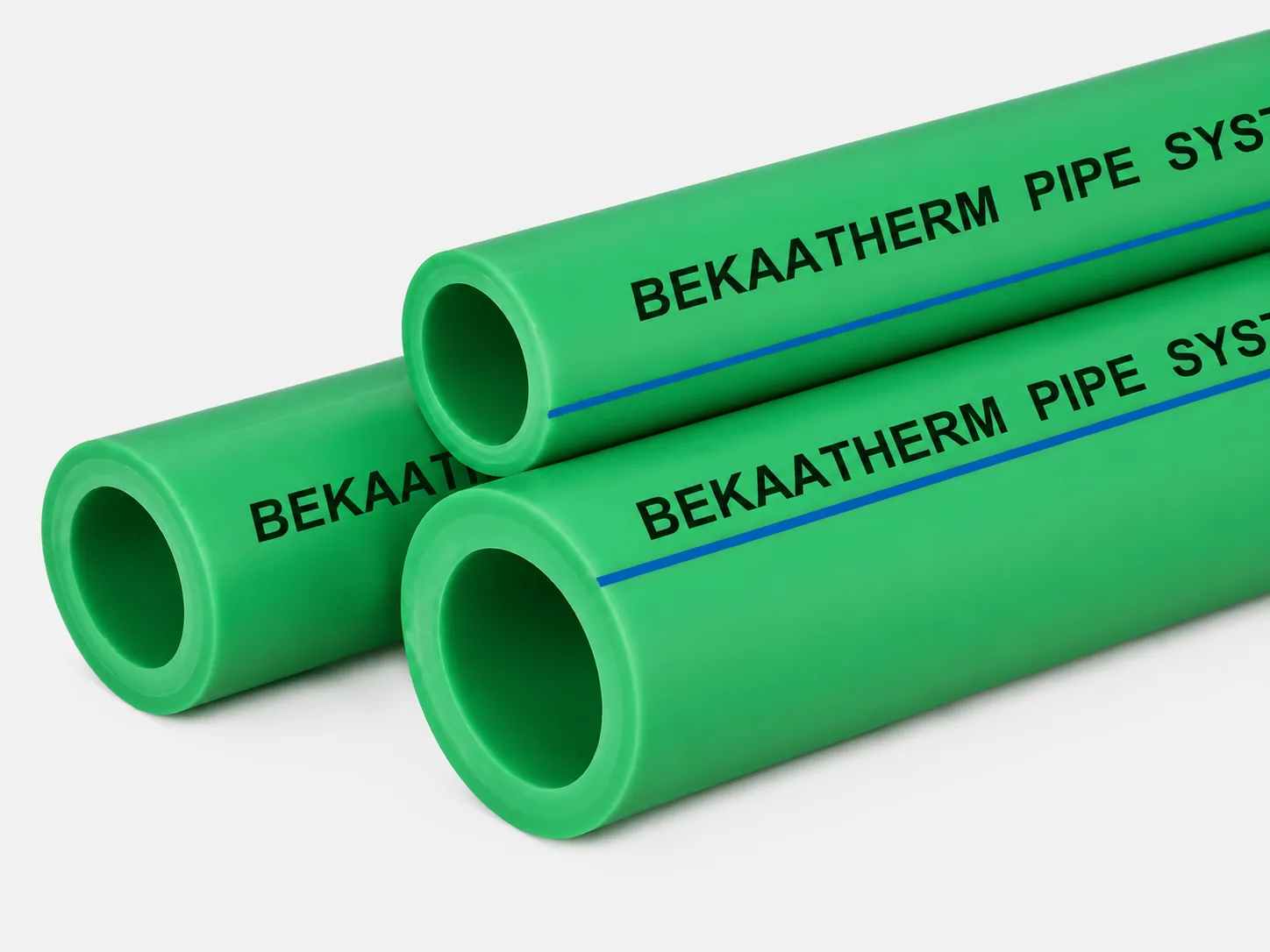
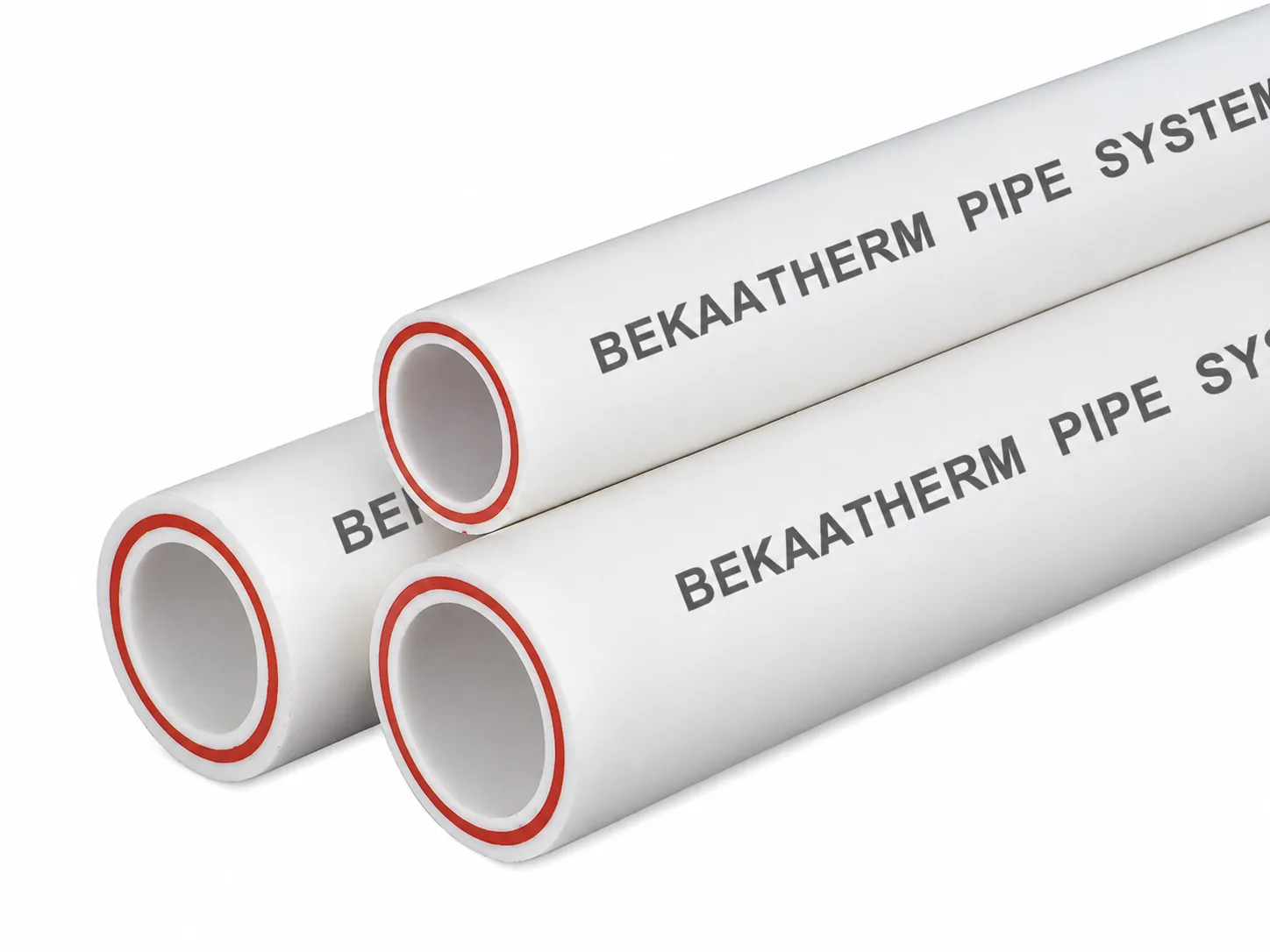
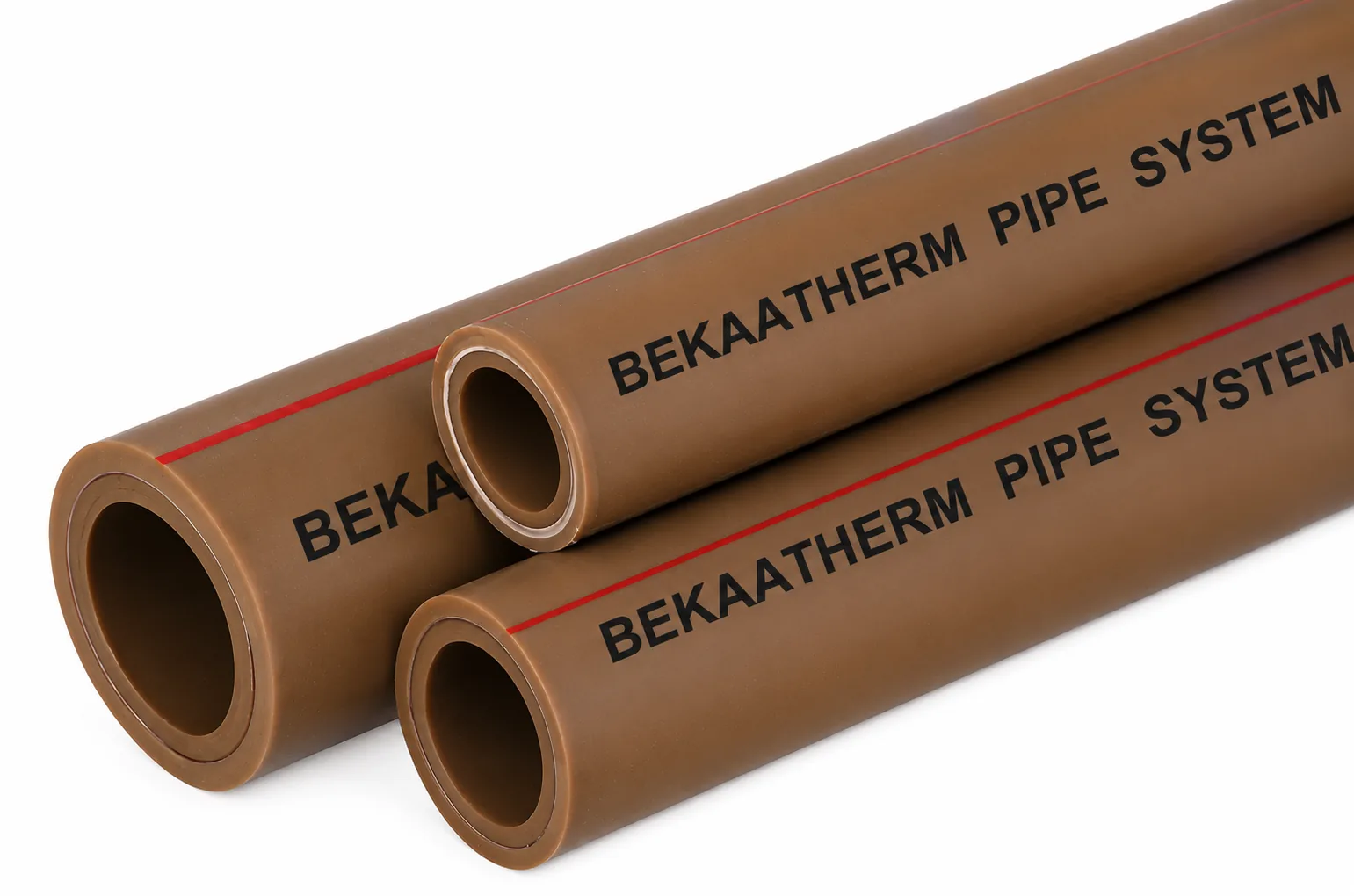
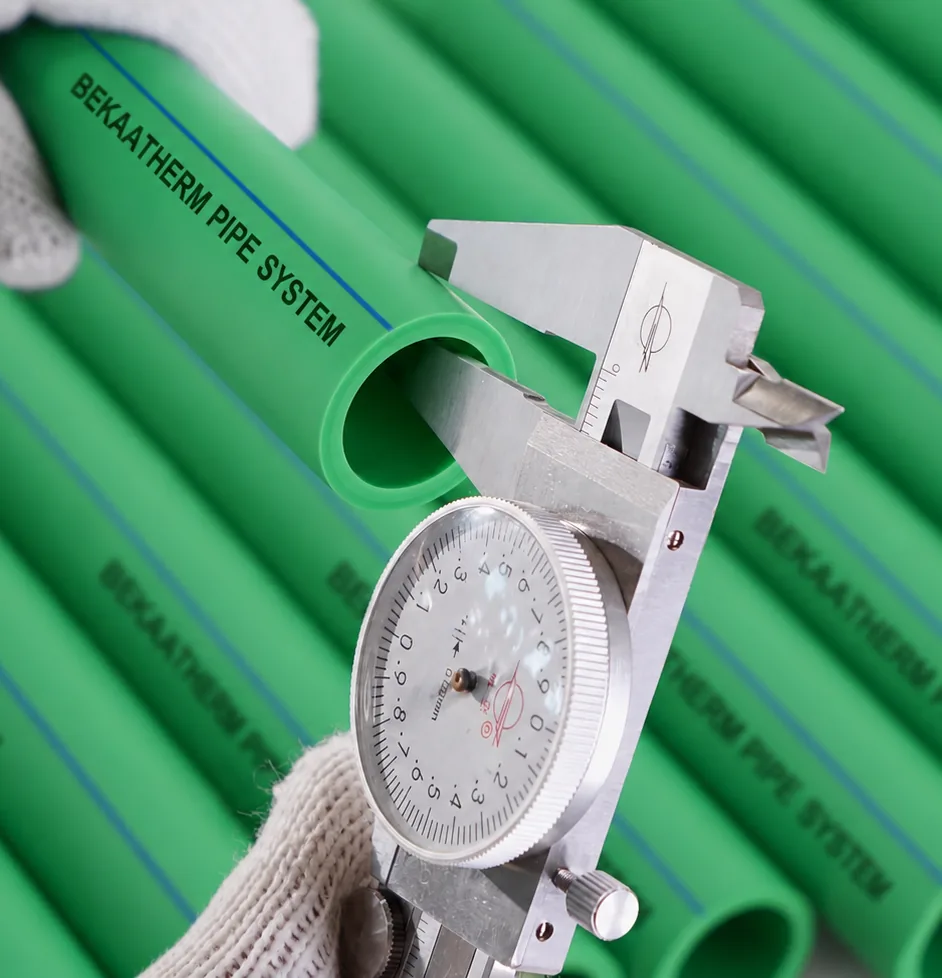
Fiberglass PPR-FG is produced across the working range projects actually need. PN25 carries a higher working pressure at temperature and is the usual choice for hot-water and heating mains; PN20 covers general hot and cold water. Both come in 20 to 63mm outer diameter and in green, white and coffee, so distributors can shelf a matched range and contractors can standardise across a building. Because it fuses like standard PPR, PPR-FG uses the same fittings, welding machine and technique as our plain and aluminium lines, one skillset across the whole system. Wall thicknesses follow the DIN 8077 series, S3.2 at PN20 and S2.5 at PN25, with hydrostatic strength verified to ISO 15874-2 and system suitability to ISO 15874-5, so a specifier can write PPR-FG into a tender against the same clauses as plain PPR.
| Pressure ratings | PN20, PN25 |
| Outer diameter | 20, 25, 32, 40, 50, 63 mm |
| Colours | Green, White, Coffee / Brown |
| Connection | Heat (socket) fusion, no trimming |
| Article numbers | PN20 BK-13–18 · PN25 BK-19–24 |
| Wall thickness by size | See dimension table above (full PN table on request) |
| Raw material | 100% premium-grade resin |
| Standards | SKZ, ISO 15874, CE, WRAS |
| Reference standards | ISO 15874-1/-2/-5 · EN ISO 15874 · DIN 8077 (dimensions) · DIN 8078 (quality) |
Because both outer surfaces of PPR-FG are solid PP-R, jointing is identical to plain PPR socket fusion. There is no aluminium foil to face-trim, no reaming step and no risk of a layer separating at the weld, so the crew keeps one machine, one method and one set of fittings across your whole PPR system.
Cut the pipe to length with a proper pipe cutter for a clean, square face.
Push pipe and fitting onto the heated socket-fusion tool for the size’s dwell time.
Push together straight, without twisting, to full insertion depth.
Hold aligned while it fuses, no trimming or peeling needed on FG pipe.
Let the joint cool, then pressure-test the line before commissioning.
Fusion temperatures and dwell times per size are documented in the technical data sheet, available on request.
PPR-FG is at its best on the lines where thermal movement causes real problems on site. Reduced expansion translates directly into fewer expansion loops, wider support spacing and less stress at every joint, which is why heating installers and hot-water contractors reach for the fibre-reinforced grade over plain PPR.

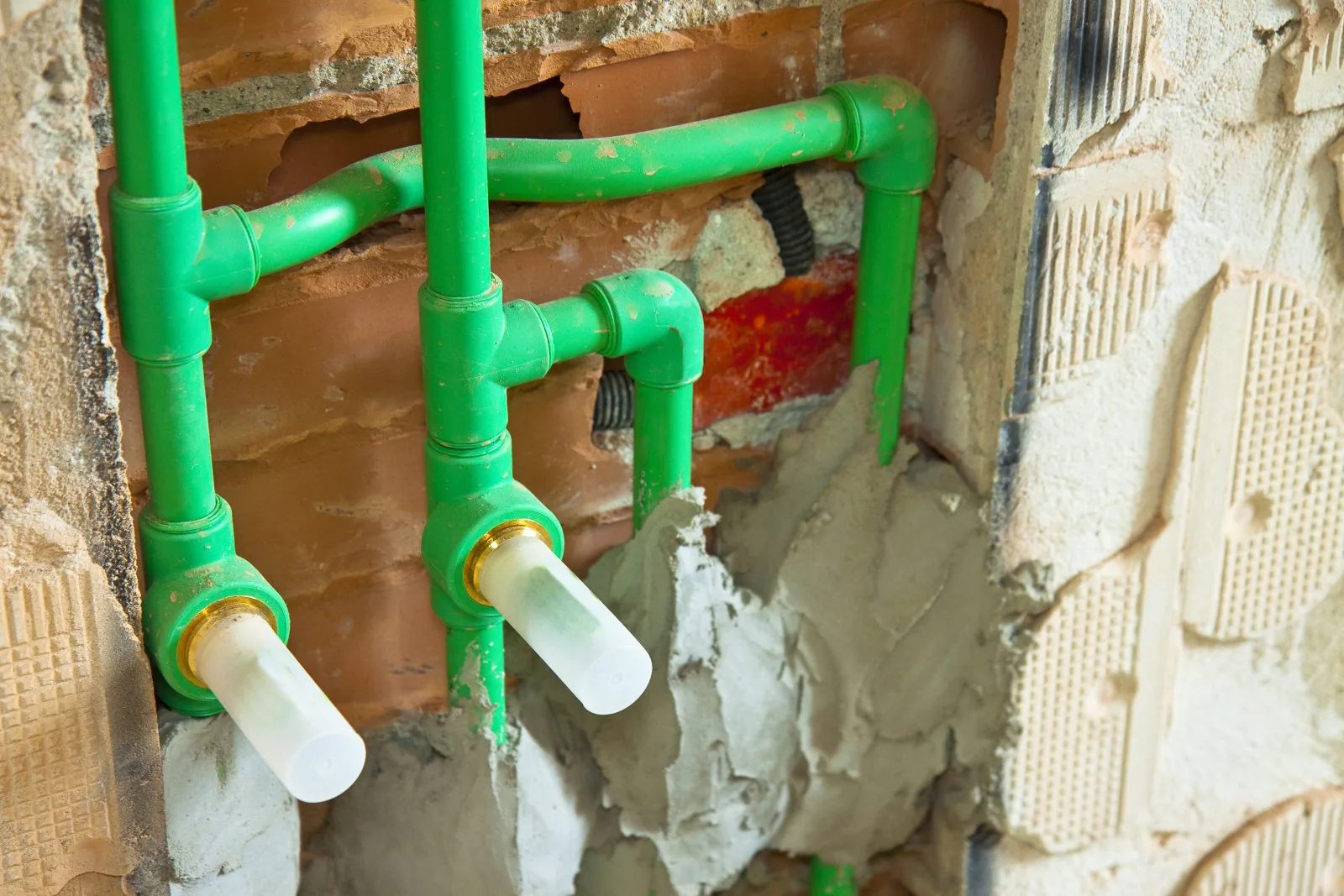
Concealed hot- and cold-water lines where reduced expansion keeps concealed runs quiet and stable.
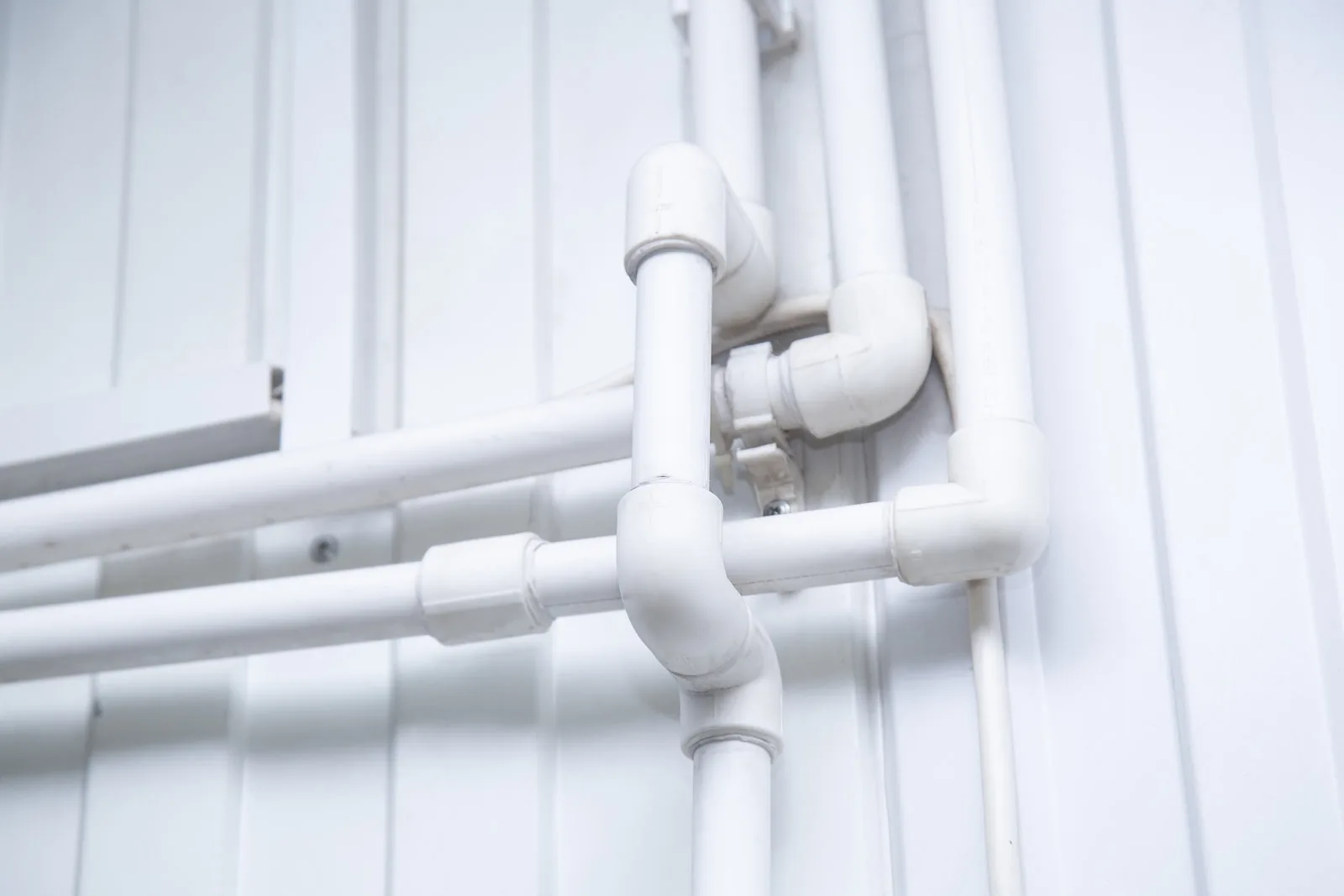
Long horizontal runs at ceiling level where wider support spacing pays off.
High-temperature heating loops that cycle hot and cold with minimal thermal creep.
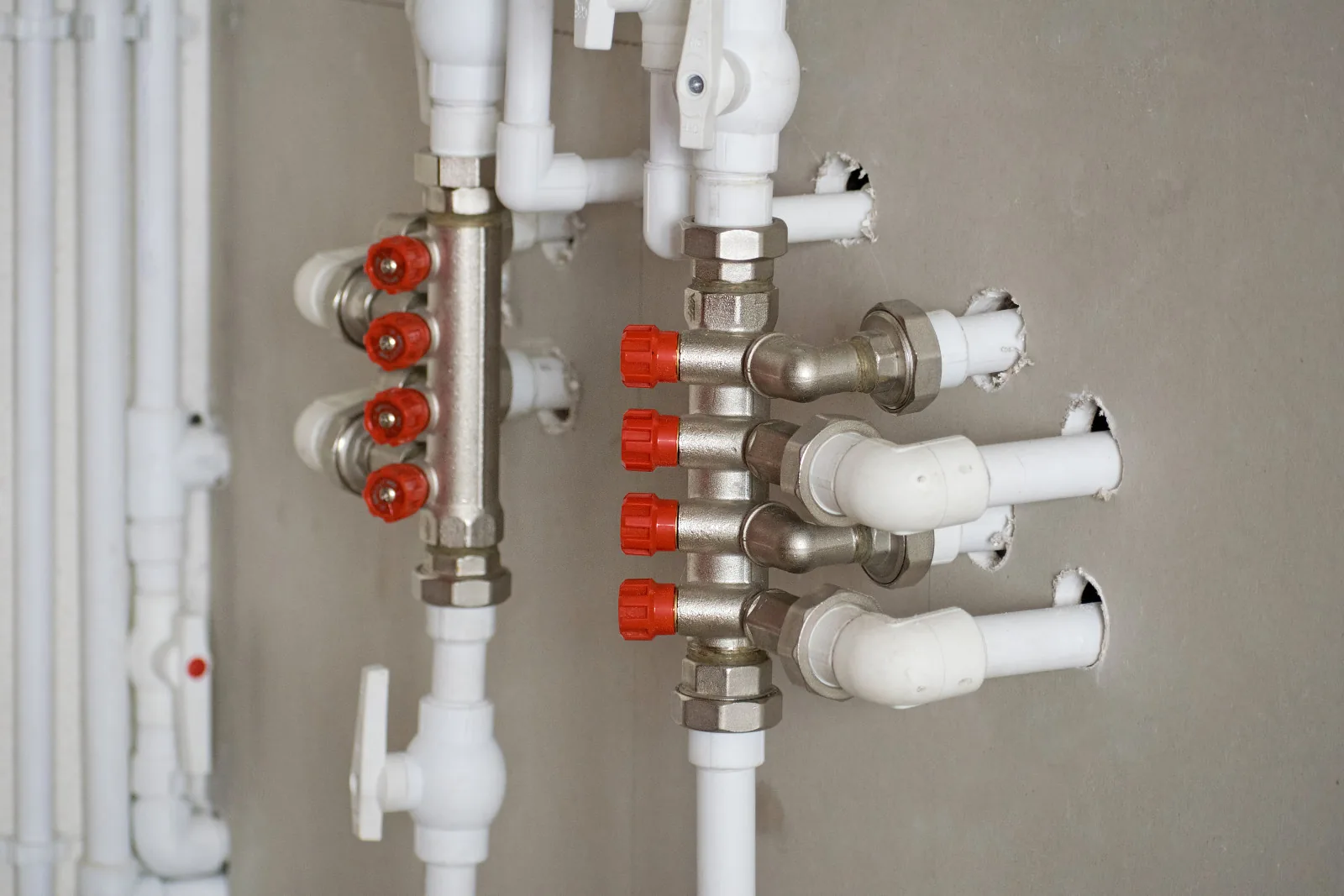
Fed from brass-core manifolds for underfloor heating and multi-zone distribution.
Fiberglass PPR is only as good as the resin, the extrusion control and the certification behind it, which is why buyers standardise on a manufacturer, not a trader. Bekaatherm has 30+ years making PPR, PEX and PE piping across a 120,000 m² plant with 10,000 molds and 1,000+ staff, using 100% premium-grade raw material. Our system is certified to Germany’s SKZ, described in our catalogue as the pipe industry’s most demanding certification, auditing both product quality and the factory itself, plus ISO 15874, CE and WRAS. We export to 118+ countries with an international trade team available 24 hours, offer low MOQ, and support OEM / private label with regional exclusivity for brand buyers.
| Proof point | Detail |
|---|---|
| Experience | 30+ years in PPR / PEX / PE piping |
| Plant | 120,000 m², 10,000 molds, 1,000+ staff |
| Raw material | 100% premium-grade resin |
| Certifications | SKZ · ISO 15874 · CE · WRAS (cert. no. available on request) |
| Export | 118+ countries, international trade team, 24h online |
| Terms | Low MOQ · OEM & private label · regional exclusivity |
Certificate numbers and copies are available on request.
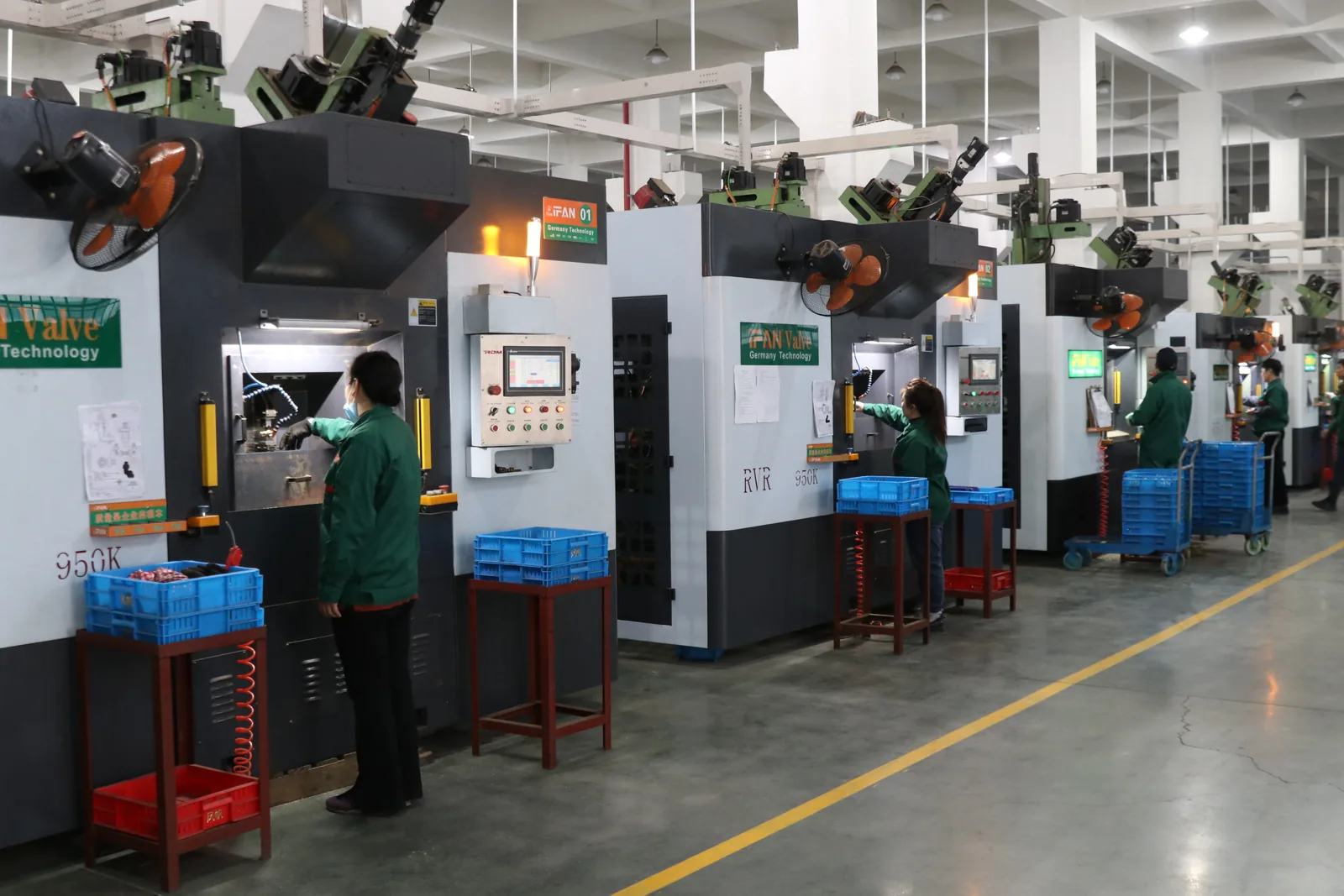
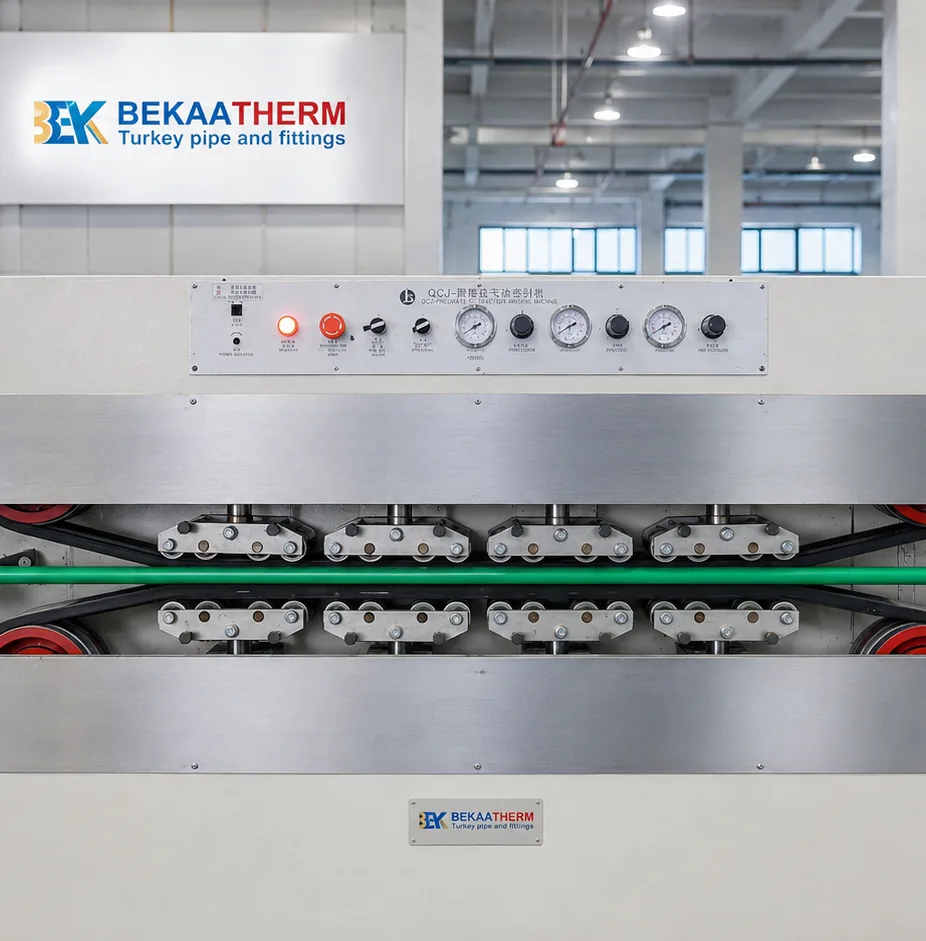
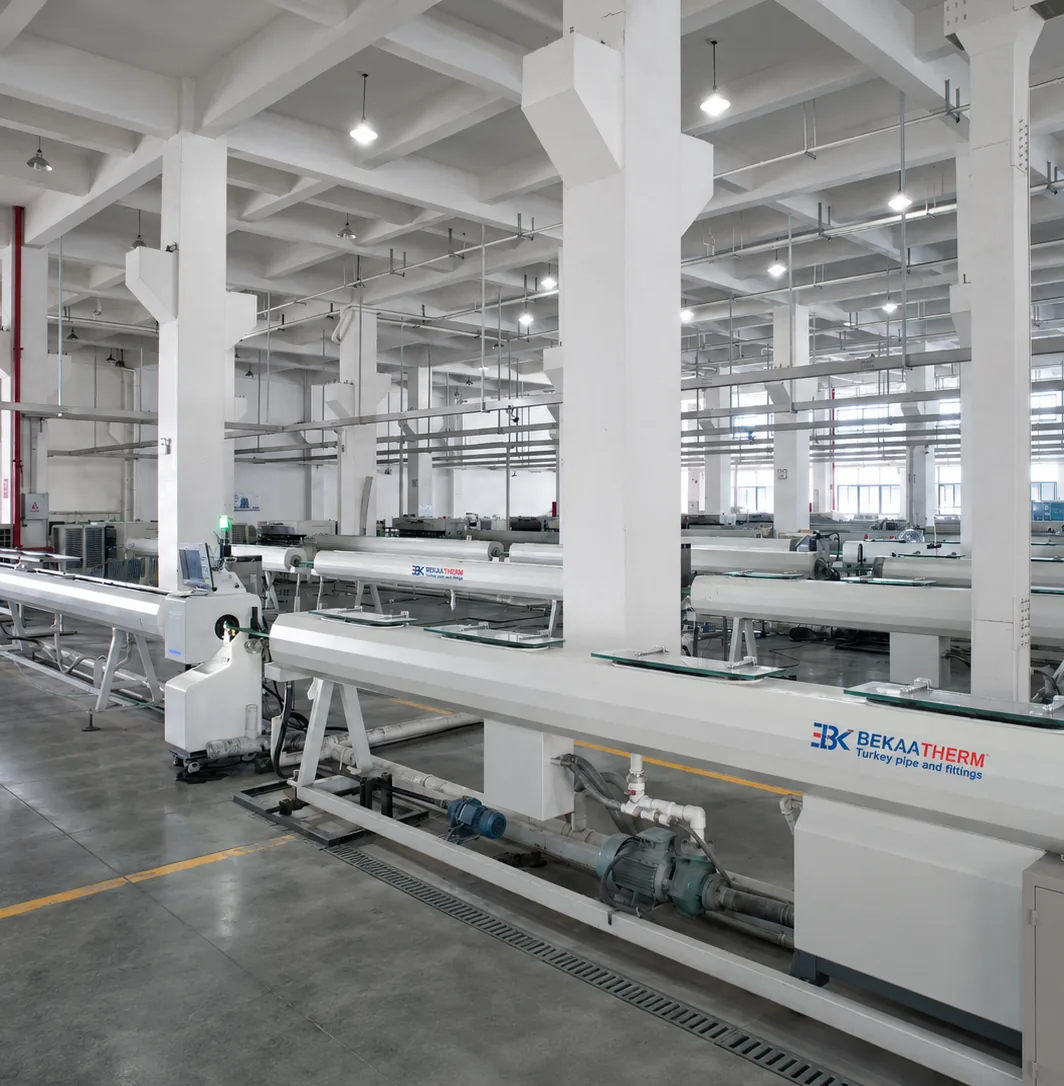
Your fiberglass pipe is co-extruded, checked, palletised and loaded under one roof, the control that lets us hold colour and dimension consistent from batch to batch and container to container.
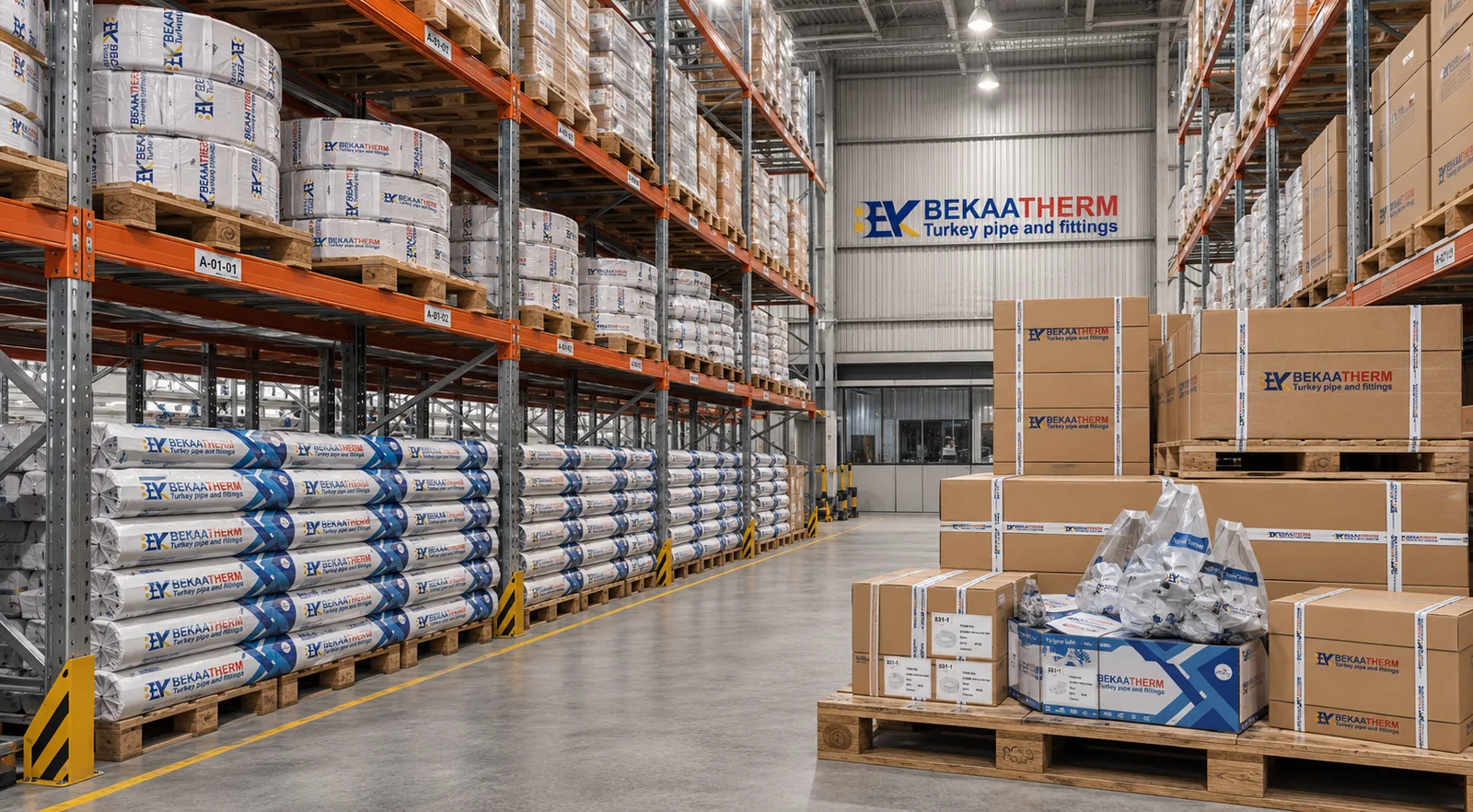
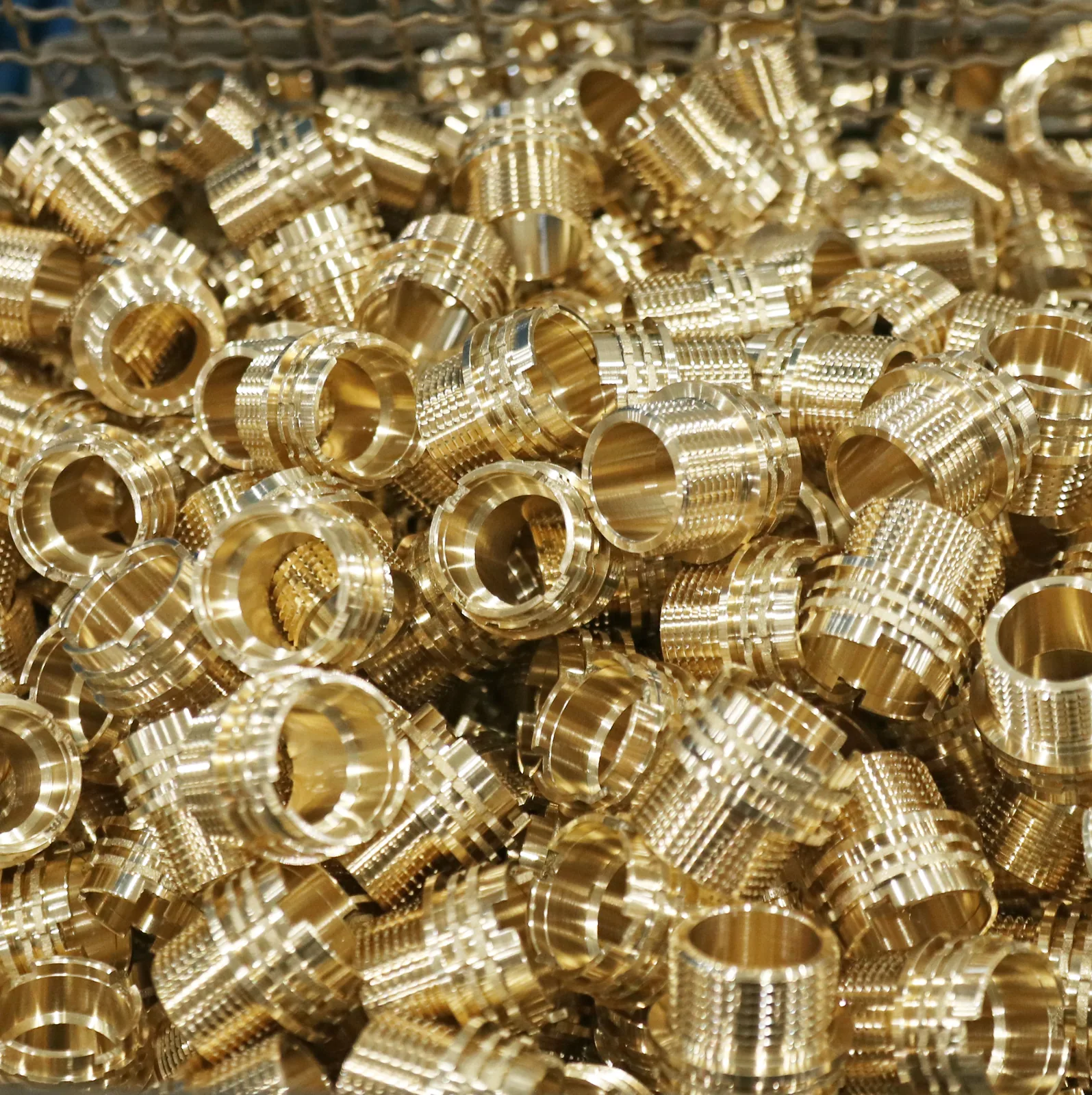
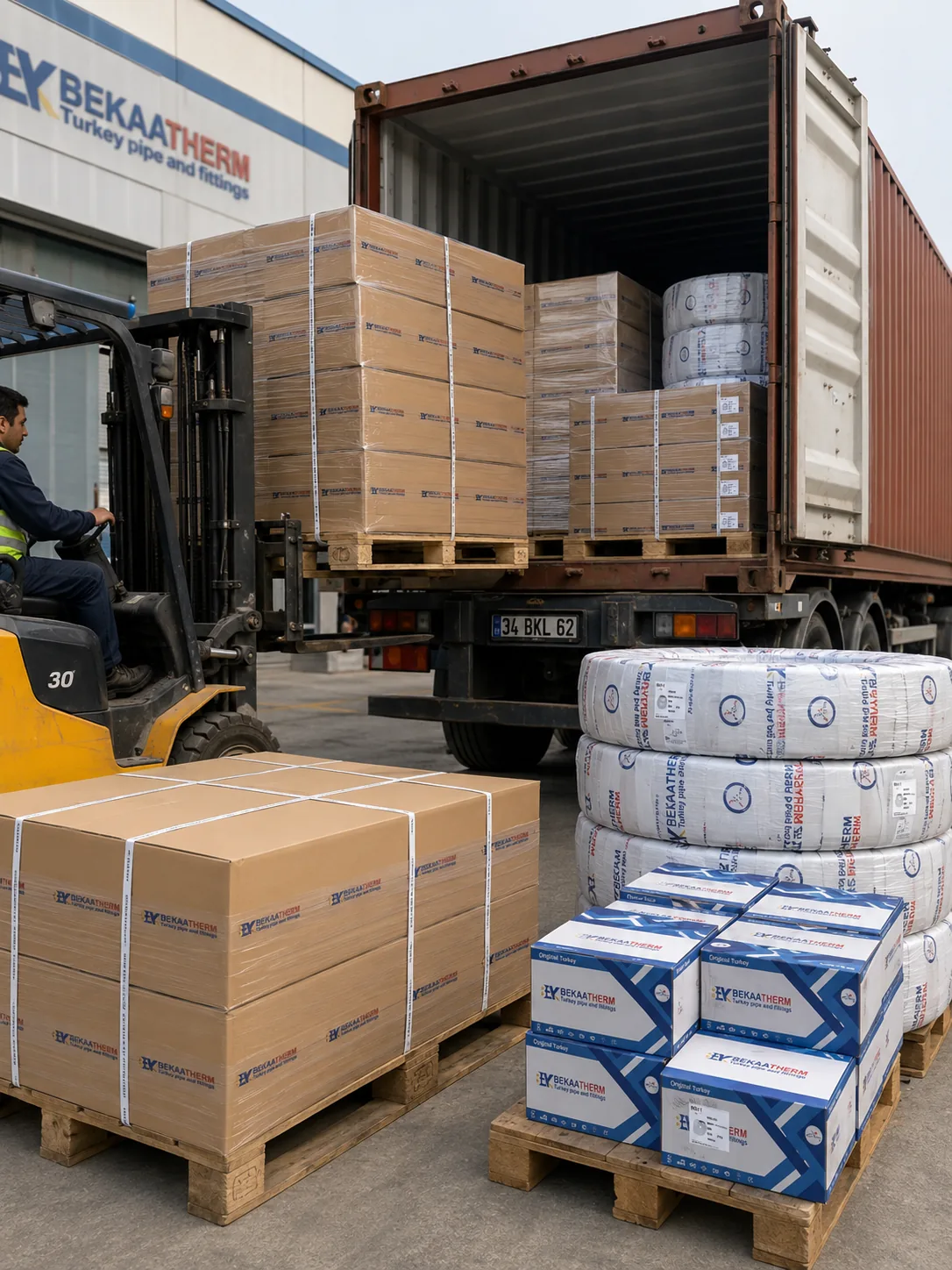
Get the right PN rating, batch-consistent colour, and full technical documents, TDS, certifications and pressure-test data on request, so it passes inspection and won’t burst under working temperature.
Project supportShelf a matched fiberglass range in green, white and coffee across 20–63mm, alongside our plain and aluminium-composite PPR, with FOB pricing, optimised container loading and low MOQ.
Global exportPut your colour, logo and packaging on a certified fiberglass PPR line, with regional exclusivity available, the same certified factory backing every batch of your brand.
OEM & private labelFor the Contractor: Both cut plain-PPR expansion. Fiberglass PPR-FG blends a glass-fibre layer into a fully-welded 3-layer wall, so it heat-fuses with no trimming and no peel-off risk. PPR-AL-PPR adds a true oxygen barrier and slightly lower expansion, but needs face-trimming before fusion. We supply both in PN20/PN25, 20–63mm, pick per spec.
For the Project Buyer: The glass-fibre middle layer sharply reduces the linear expansion of plain PPR, so long hot-water and heating runs move far less and load fittings and supports less. In practice that means fewer expansion loops and wider support spacing on straight runs. Exact expansion coefficients per size are available on request.
For the Heating Integrator: Both are engineered for high-temperature heating. Aluminum composite is often specified where a full oxygen barrier is required in the loop; fiberglass PPR is preferred where fusion speed and no-trim jointing matter. Bekaatherm supplies both in PN20/PN25, so you match the project spec instead of the supplier’s stock.
For the Engineer: PPR-FG runs from 20 × 2.8mm up to 63 × 8.6mm in PN20, and from 20 × 3.4mm up to 63 × 10.5mm in PN25, the full outer-diameter × wall table is on this page. Wall increases with both diameter and pressure class; weight per metre and packaging are available on request.
For the Installer: No. Because both outer surfaces are solid PP-R, PPR-FG welds with a standard PPR socket-fusion machine and the same fittings as plain PPR, no foil to trim, no reaming, no peel-off. One machine and one method serve your whole PPR system.
For the Distributor: Fiberglass PPR-FG comes in PN20 and PN25, 20–63mm outer diameter, in green, white and coffee, a shelf-ready matched range (Art. BK-13–24). It’s SKZ, ISO, CE and WRAS certified for drinking-water safety and customs clearance. Low MOQ, FOB pricing and full PN/size tables are available on request.
Tell us your PN rating (PN20 / PN25), sizes (20–63mm), colours, target market and first-order volume. Our export team will send pricing, the full PN & size table, and certificates, with OEM and regional-exclusivity options if you’re building a brand.
Explore the range: PPR Pipes · Aluminum Composite PPR · PPR Fittings · OEM & Private Label · Certifications