A continuous middle aluminum layer restrains expansion to near-metal levels and blocks oxygen from your heating loop, engineered for hot water, radiator and underfloor heating. PN20 & PN25, 20–63 mm, in green, white and coffee series. SKZ · ISO · CE · WRAS certified. Made in Türkiye, exported to 118+ countries.
Bekaatherm supplies PPR piping wholesale to importers, distributors, contractors and OEM brands, not single-item retail.
Plain PPR is an excellent hot-water pipe, but it has two known limits in heating work: it expands noticeably when heated, and it lets oxygen diffuse through the plastic wall. PPR-AL-PPR solves both by sandwiching a continuous aluminum layer between two PPR layers, bonded with a tie layer on each side so the three walls behave as one.
The aluminum does the structural and barrier work; the PPR keeps the clean-water safety, corrosion resistance and heat-fusion jointing you already rely on. In short, you get the installation of PPR with the dimensional stability and oxygen protection closer to a metal pipe, without changing your tooling, your fittings or your welders’ habits.
“PPR-AL-PPR” names the three functional walls, but the wall is actually built up from five bonded layers: two adhesive tie layers lock the aluminum to the polypropylene so they never delaminate under thermal cycling. Read from the inside out, each layer has a job.
Food-grade random-copolymer PPR in contact with the water, the same clean-water-safe, corrosion-free surface as our plain PPR, so taste and hygiene are untouched.
An adhesive bonding layer that fuses the polypropylene to the aluminum, keeping the composite monolithic through years of heat-up / cool-down cycles.
The continuous aluminum layer, the part that restrains expansion and forms the 100% oxygen barrier. This is the layer that makes the pipe a heating pipe.
A second adhesive layer bonds the aluminum to the outer PPR, so the wall carries load as a single body instead of three separate skins.
The outer PPR jacket adds impact and UV robustness for site handling and exposed runs, and carries the green, white or coffee color of the series.
Because both outer and inner walls are PPR, the pipe still joins by ordinary heat (socket) fusion, no crimp rings, no press tools, no proprietary machine.
The aluminum is applied as a continuous layer (not a slit-and-overlapped foil), which is what makes the oxygen barrier a true 100% barrier and the expansion restraint uniform around the circumference.
Thermal expansion is the number project engineers actually calculate. Plain PPR has a relatively high linear expansion coefficient (typically around 0.15 mm/m·K), so a long hot-water line can grow several centimetres between cold and hot states, enough to bow the run, stress fittings, and load your bracket spacing. The aluminum layer in PPR-AL-PPR cuts that movement dramatically, bringing behaviour much closer to a metal pipe. The practical payoff: straighter exposed hot runs, fewer expansion loops, wider support spacing, and less accumulated stress at joints over the system’s life.
| Property | Plain PPR | PPR-AL-PPR (aluminum composite) |
|---|---|---|
| Linear thermal expansion | Higher (approx. 0.15 mm/m·K, typical for PPR) | Substantially reduced by the aluminum restraint layer |
| Movement on long hot runs | Noticeable elongation | Near-metal dimensional stability |
| Expansion loops / supports | More required | Fewer / wider spacing |
| Wall stiffness at temperature | Softens, can sag on exposed runs | Aluminum stiffens the wall, holds shape hot |
| Oxygen barrier | No | Yes (100%) |
| Best fit | General cold / hot water | Hot water, radiator & underfloor heating |
Exact expansion figures for our production are provided on the spec sheet and on request, we quote realistic values, not marketing numbers. The 0.15 mm/m·K figure is the industry-typical value for plain PPR and is shown as a baseline for comparison.
In a closed radiator or underfloor loop, the water circulates for years. Any plain plastic pipe slowly lets atmospheric oxygen diffuse through the wall, and that dissolved oxygen quietly corrodes every ferrous part in the system: the boiler heat exchanger, the circulation pump, steel radiators and metal manifolds. It’s a failure that shows up long after handover, and it’s exactly why heating specifiers ask for an oxygen-barrier pipe. The continuous aluminum layer in PPR-AL-PPR is that barrier, it physically blocks oxygen diffusion, protecting the metal components for the life of the installation.
| Without oxygen barrier (plain plastic) | With PPR-AL-PPR aluminum barrier |
|---|---|
| O₂ diffuses into the closed loop over time | Diffusion physically blocked by aluminum |
| Corrosion of boiler, pump, radiators, manifolds | Ferrous components protected |
| Magnetite sludge builds up, blocks emitters | Cleaner water, fewer flushes and cleaner filters |
| Reduced efficiency, premature failure | Stable system life, protected warranty |
| Not ideal for closed heating | Specified for radiator & underfloor heating |
These are the exact outer-diameter and wall-thickness dimensions we produce for the aluminum-composite line, in PN20 and PN25, with our article numbers so you can quote and order by code. All sizes are available in the green, white and coffee series. Wall thickness is quoted as OD × wall (mm).
| Outer Ø (mm) | PN20 · OD × wall | PN20 article | PN25 · OD × wall | PN25 article |
|---|---|---|---|---|
| 20 | 20 × 3.1 | BK-01 | 20 × 3.4 | BK-07 |
| 25 | 25 × 3.3 | BK-02 | 25 × 4.2 | BK-08 |
| 32 | 32 × 4.1 | BK-03 | 32 × 5.4 | BK-09 |
| 40 | 40 × 5.0 | BK-04 | 40 × 6.7 | BK-10 |
| 50 | 50 × 5.5 | BK-05 | 50 × 8.4 | BK-11 |
| 63 | 63 × 7.0 | BK-06 | 63 × 10.5 | BK-12 |
PN20 is rated for continuous service around 20 bar at 20 °C; PN25 raises the pressure class for higher-demand hot-water and heating circuits. Standard delivery lengths, coil options, weight per metre and packing details are available on request.
At a given outer diameter, our three PPR structures share the outside dimension and jointing method, the difference is inside the wall. Because the aluminum core takes some of the wall’s structural job, the aluminum-composite PN20 wall is engineered slightly differently from plain and fiberglass PN20 at the same size, while PN25 walls are common across the three. Use the comparison to see how they line up.
| Outer Ø | Plain PPR PN20 | Fiberglass PPR PN20 | PPR-AL-PPR PN20 | All three · PN25 |
|---|---|---|---|---|
| 20 | 20 × 2.8 | 20 × 2.8 | 20 × 3.1 | 20 × 3.4 |
| 25 | 25 × 3.5 | 25 × 3.5 | 25 × 3.3 | 25 × 4.2 |
| 32 | 32 × 4.4 | 32 × 4.4 | 32 × 4.1 | 32 × 5.4 |
| 40 | 40 × 5.5 | 40 × 5.5 | 40 × 5.0 | 40 × 6.7 |
| 50 | 50 × 6.9 | 50 × 6.9 | 50 × 5.5 | 50 × 8.4 |
| 63 | 63 × 8.6 | 63 × 8.6 | 63 × 7.0 | 63 × 10.5 |
| Line | Thermal expansion | Oxygen barrier | Best for |
|---|---|---|---|
| Plain PPR (PN20/25) | Standard (higher) | No | General cold & hot water, potable water |
| Fiberglass PPR (PPR-FG) | Reduced (fiber core) | No | Hot water & heating where expansion control matters, no O₂ concern |
| PPR-AL-PPR (aluminum) | Lowest, near metal | Yes (100%) | Radiator & underfloor heating, solar, closed loops needing an oxygen barrier |
Rule of thumb: if it’s a closed heating loop with ferrous components, the oxygen barrier makes aluminum composite the safe spec. If you only need expansion control for exposed hot runs with no oxygen concern, fiberglass may be enough. Our engineering team will confirm PN and structure for your temperatures and pressures.
Our aluminum-composite line is produced to the same standards framework as our plain PPR and fiberglass lines, the ISO 15874 series for PP hot- and cold-water piping systems with dimensions to DIN 8077 and general quality requirements to DIN 8078, so it drops straight into a Bekaatherm system, same fusion method, same fittings, same color families. Everything below is built on 30 years of PPR manufacturing, 10,000 molds and 100% high-standard resin.
| Structure | PPR / AL / PPR (3-layer, 5-ply with tie layers) |
| Pressure ratings | PN20 · PN25 |
| Outer diameter range | 20 mm – 63 mm |
| Article numbers | PN20 BK-01–06 · PN25 BK-07–12 |
| Color series | Green / White / Coffee |
| Connection | Heat (socket) fusion |
| Oxygen barrier | Yes, 100% (aluminum layer) |
| Applications | Hot & cold water, radiator & underfloor heating, solar, potable water |
| Certifications | SKZ · ISO 15874 · CE · WRAS |
| Reference standards | ISO 15874-1/-2/-5 · EN ISO 15874 · DIN 8077 / 8078 |
| Resin | 100% high-standard raw material |
Certificate numbers and copies are available on request. Metric & imperial conversion chart available with the spec sheet.
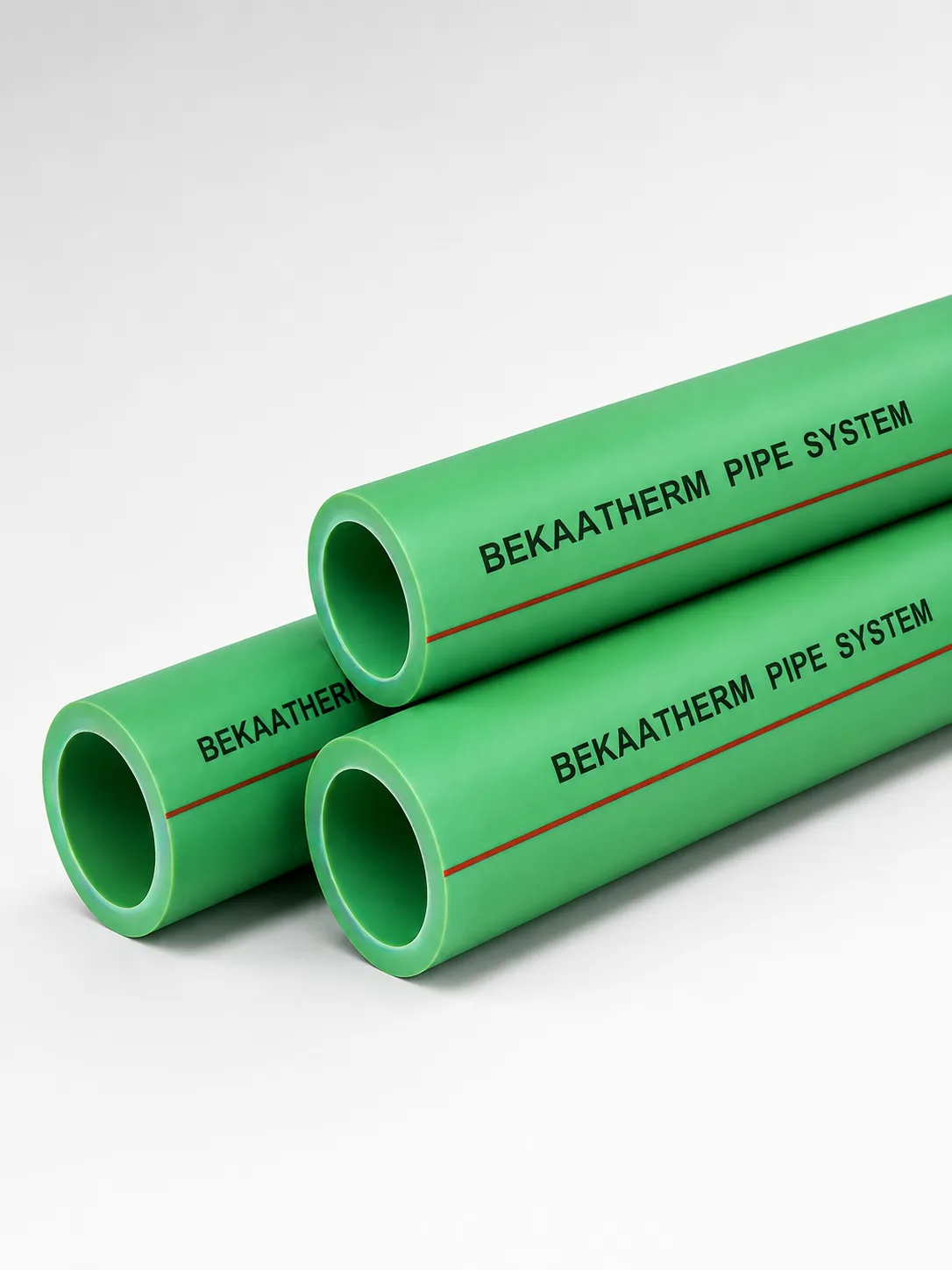
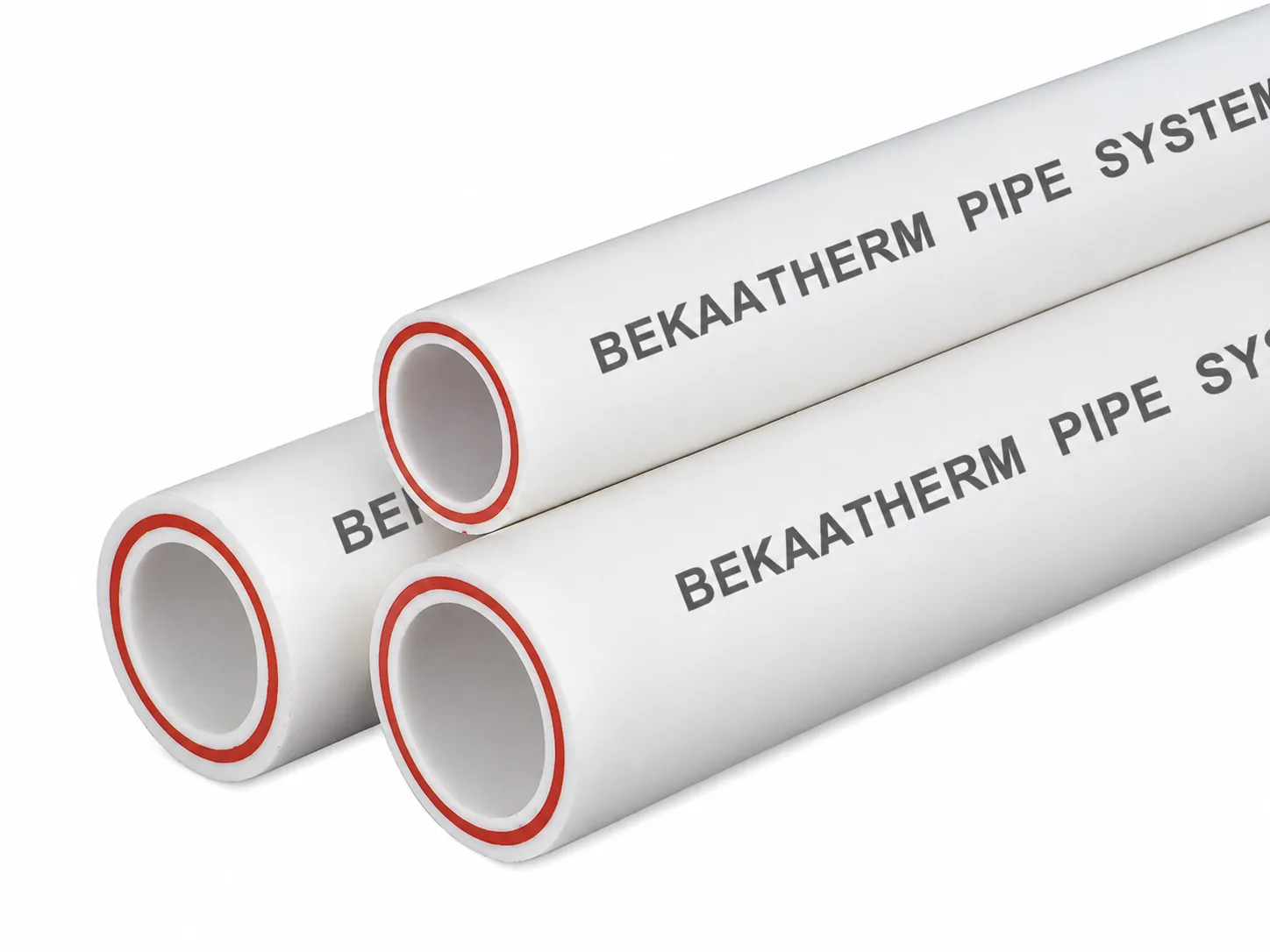
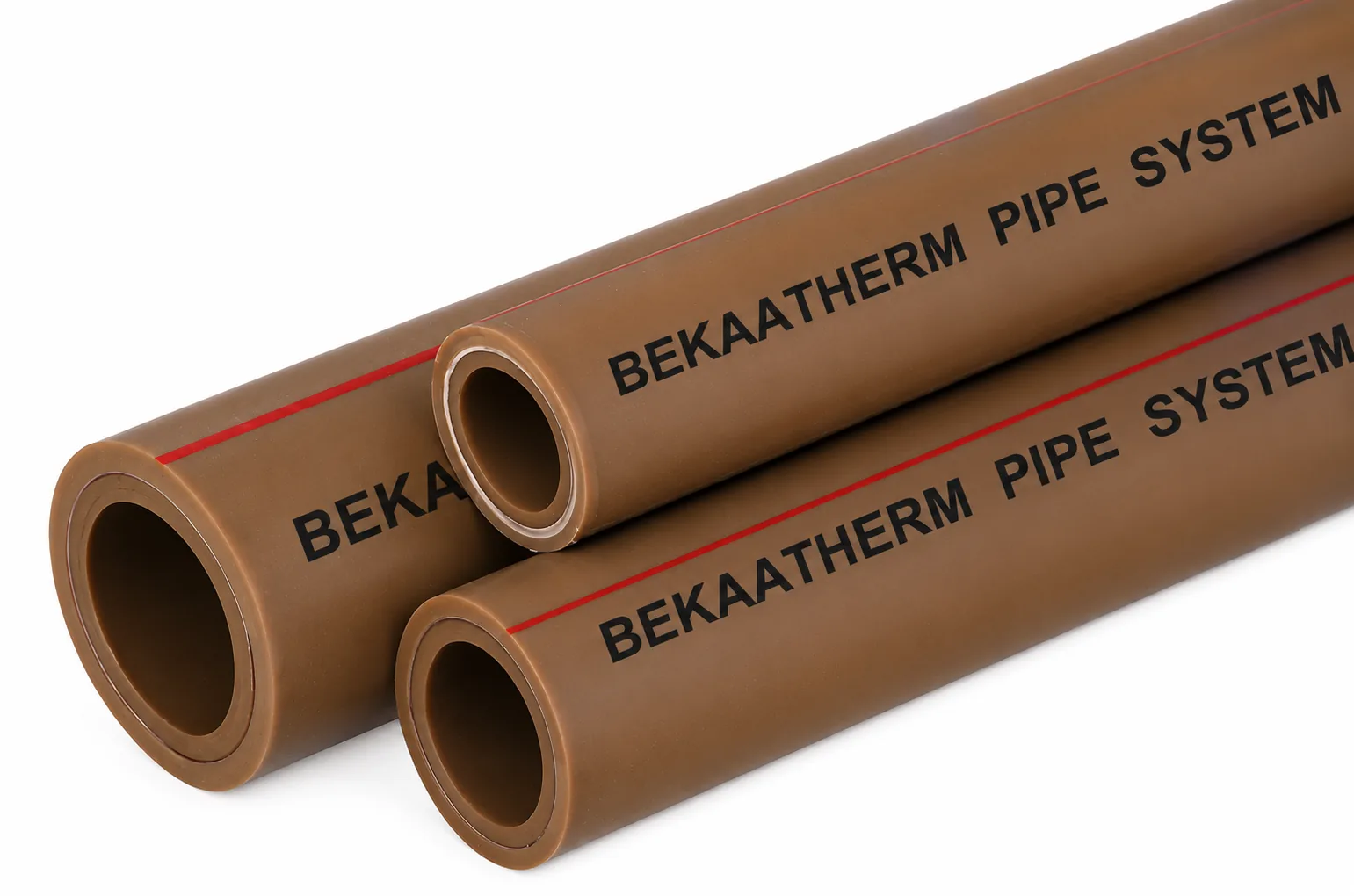
PN20 & PN25 · 20–63 mm · three colour families to match your market and the rest of the Bekaatherm system.
Aluminum-composite pipe rarely ships alone. It goes out with the same fittings, valves and manifolds that make up a complete Bekaatherm PPR system, same resin, same color families, one container. A look at the range that pairs with it.
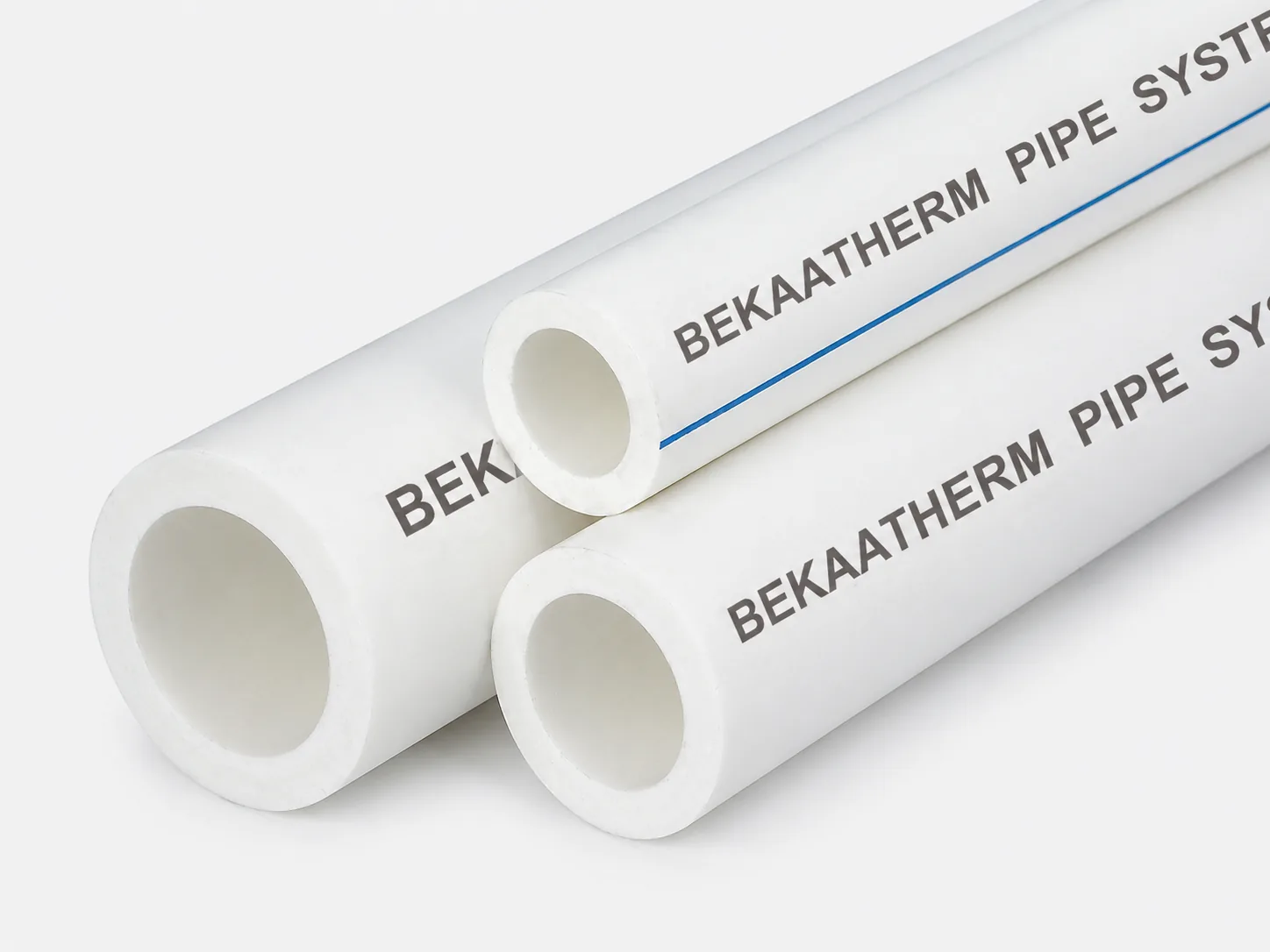
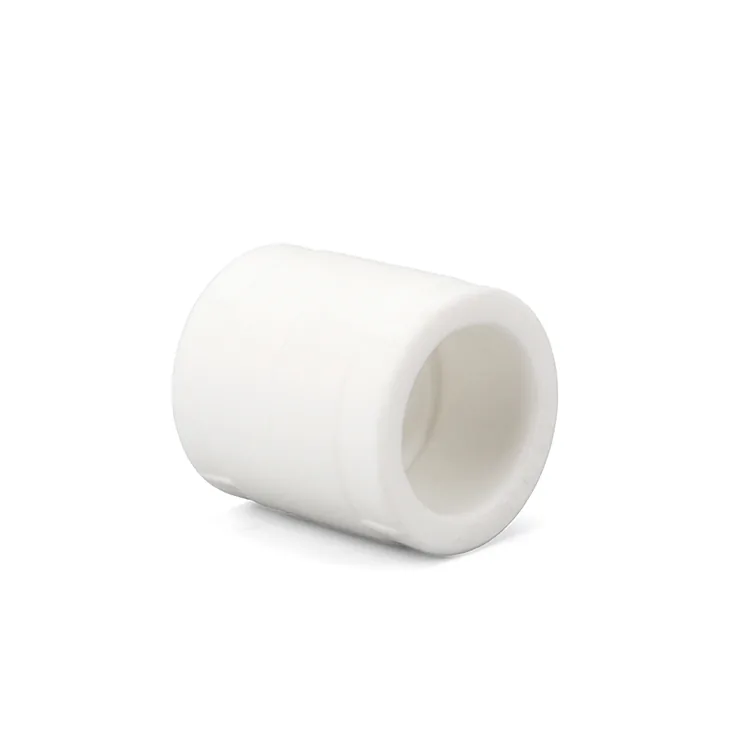
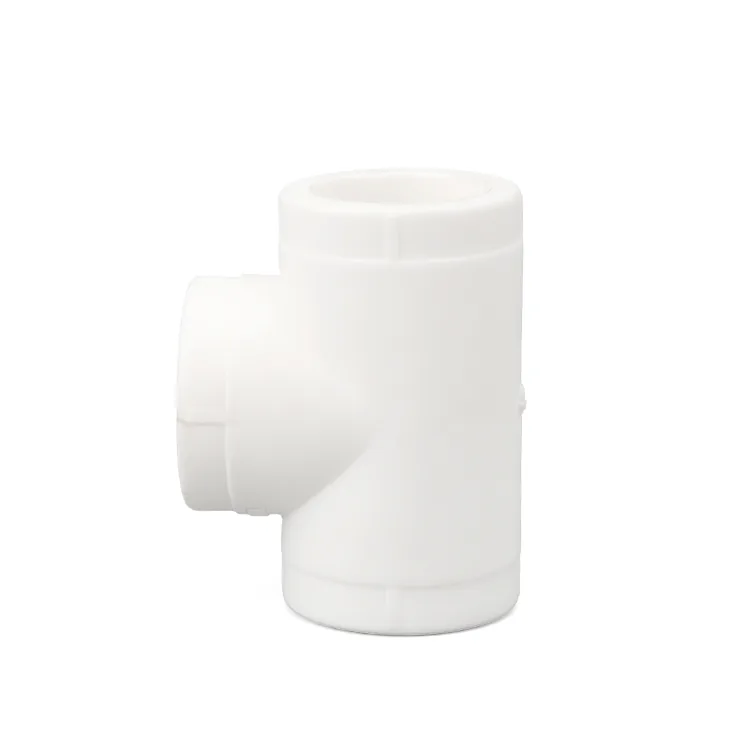
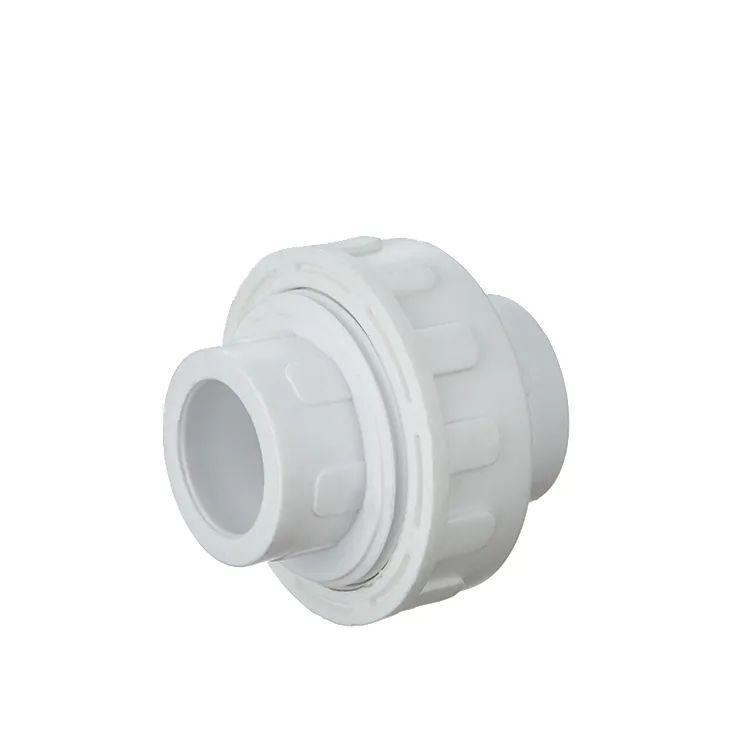
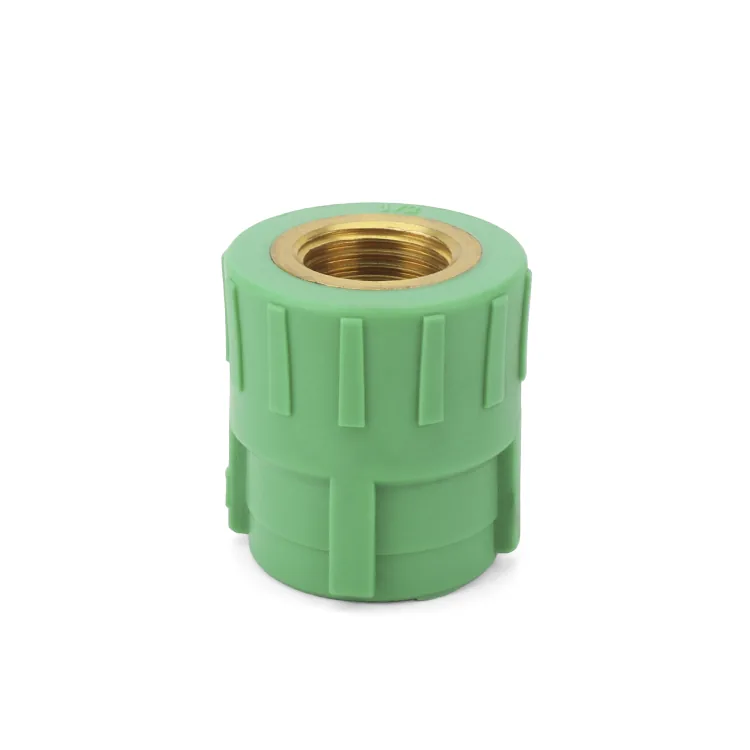
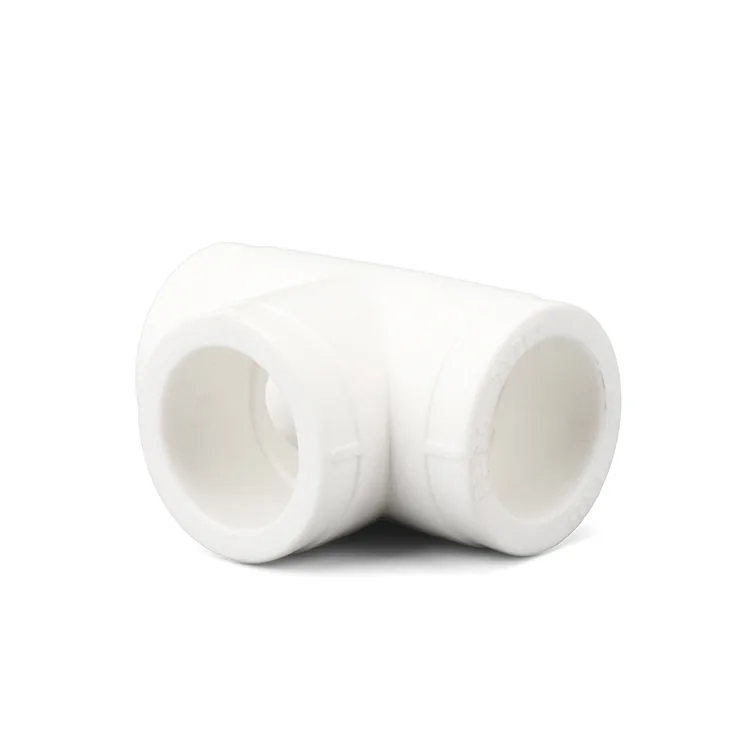
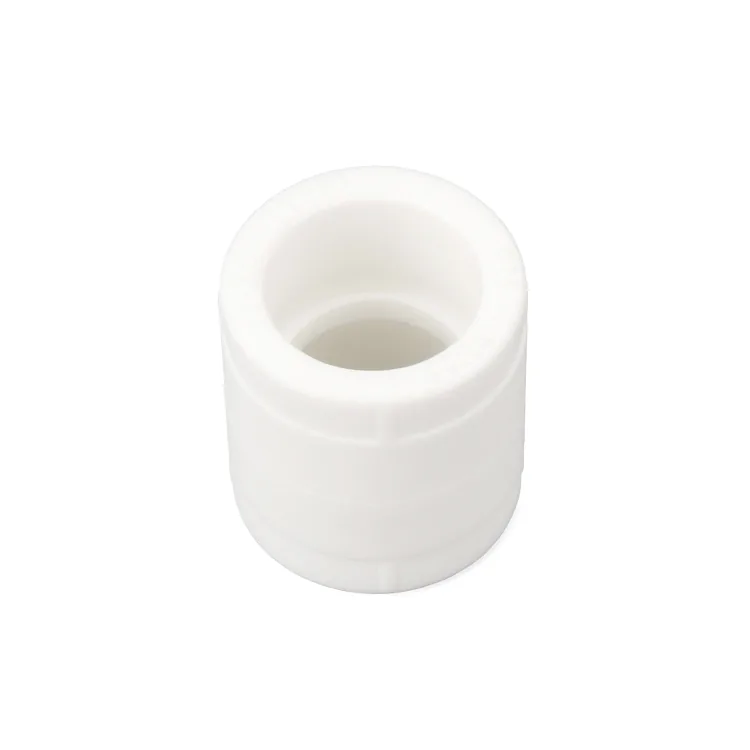
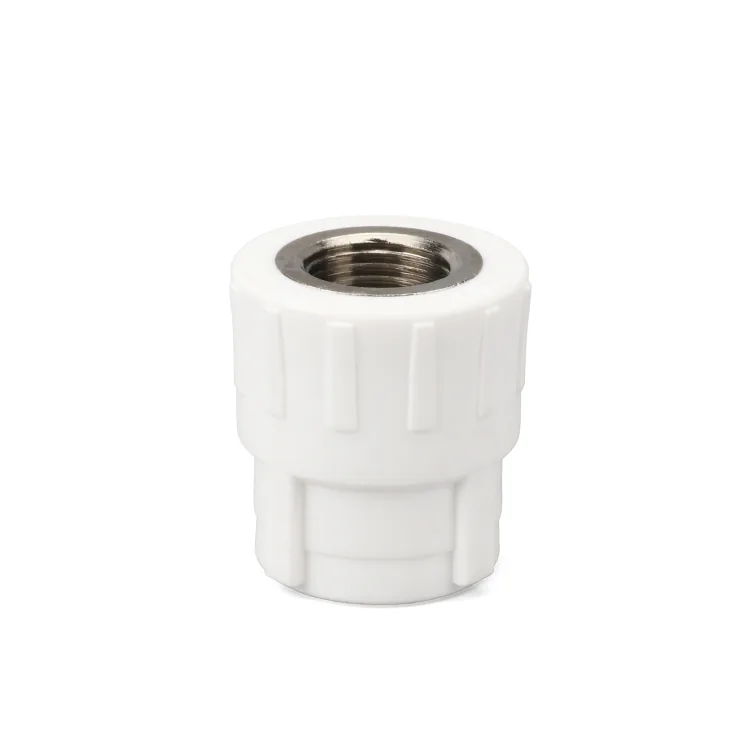
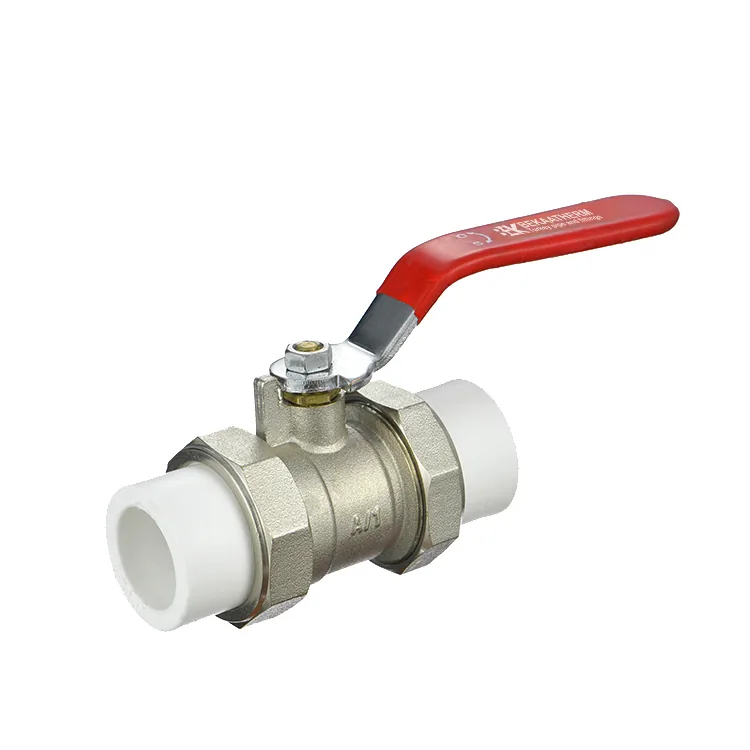
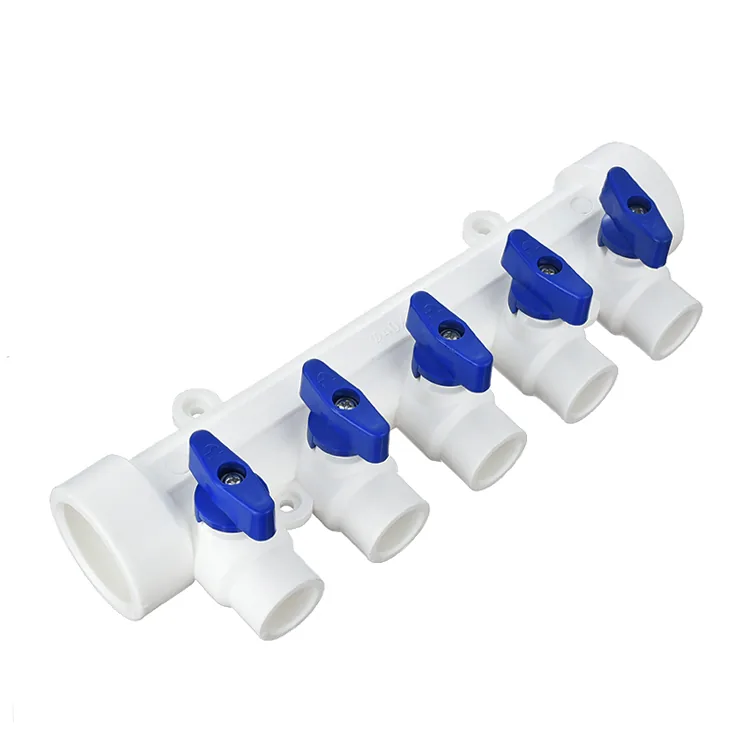
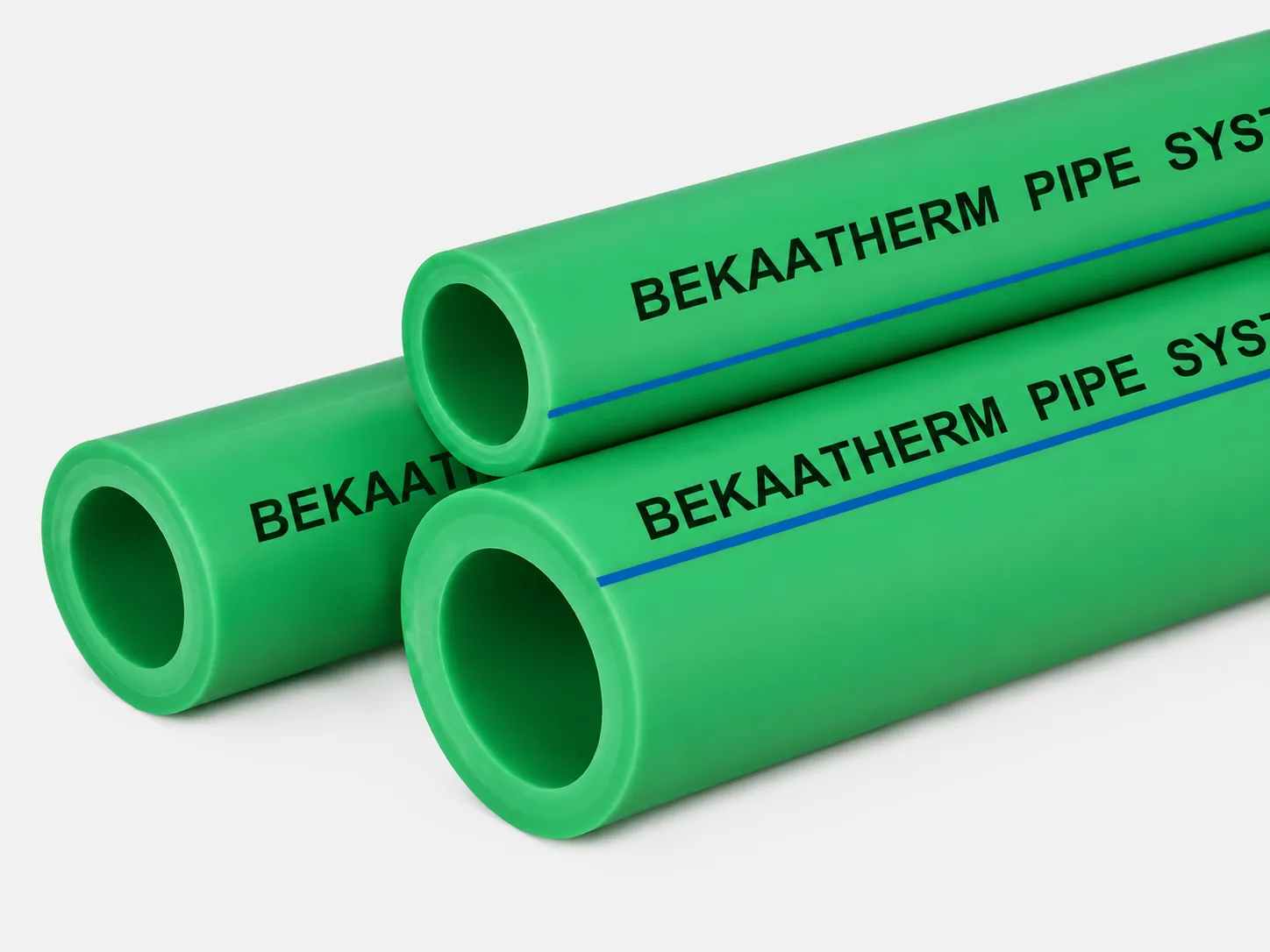
The low-expansion, oxygen-barrier combination points this pipe at heating and hot-water work specifically. These are the applications where specifiers reach for PPR-AL-PPR over plain PPR.

Closed loops with steel radiators and ferrous manifolds, the oxygen barrier is the whole point.
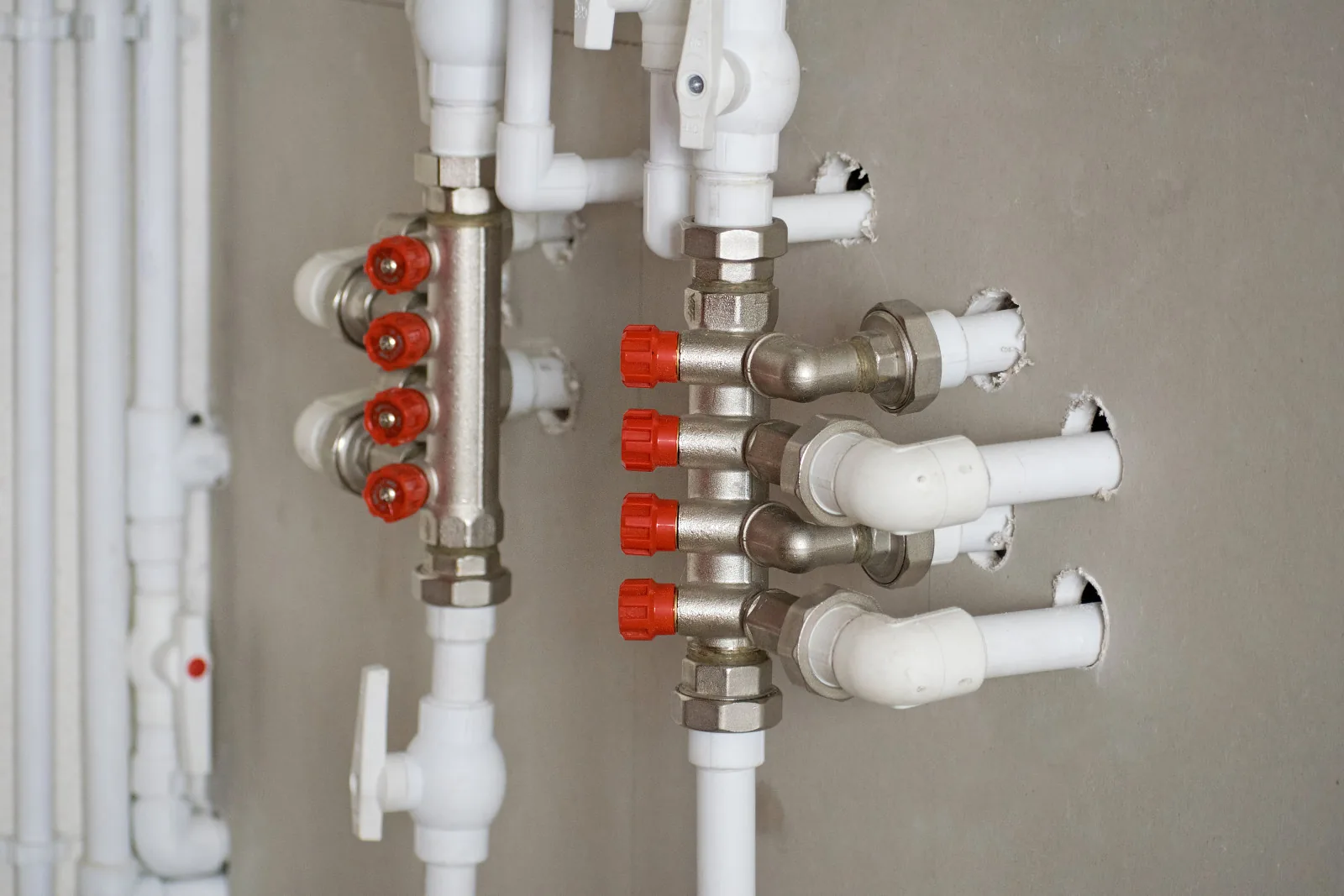
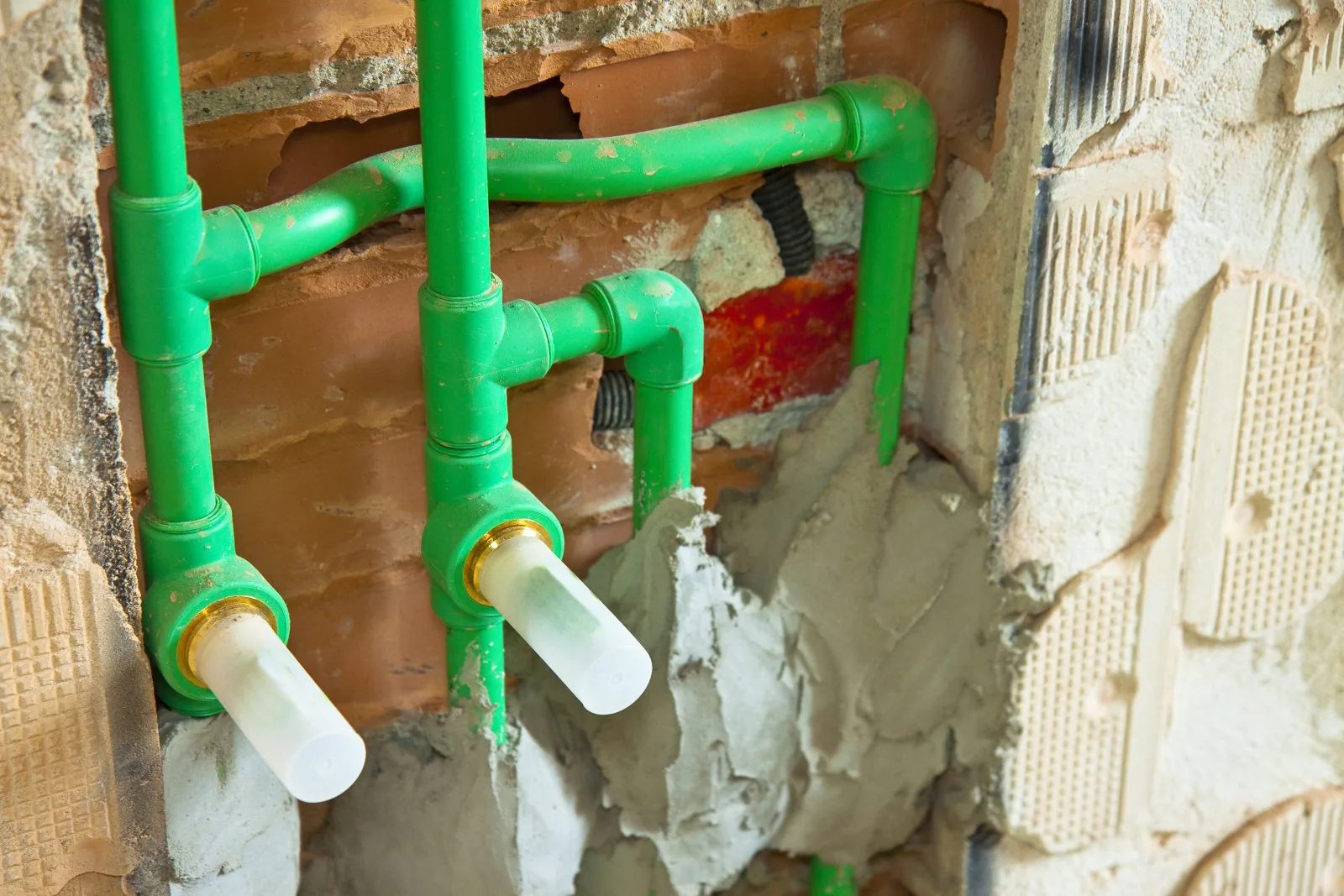
Long embedded runs at temperature, low expansion keeps loops stable and quiet under the screed.
High return temperatures and constant cycling, dimensional stability where plain plastic struggles.
Straighter exposed hot runs with fewer visible expansion loops for a cleaner installed look.
Because both outer and inner walls are PPR, the aluminum-composite pipe welds exactly like plain PPR, no crimp rings, no press tools, no proprietary machine. One extra step versus plain PPR: some jointing methods trim the outer PPR and aluminum at the pipe end so the fusion is PPR-to-PPR. Confirm the method for your fittings; our team will advise.
Cut the pipe to length with a PPR pipe cutter (BK-221) for a clean, square end.
Where the method requires it, face the end so the fusion contacts PPR to PPR.
Heat pipe and fitting on the welding machine (BK-222) for the socket-fusion dwell time.
Push together straight, without twisting, and hold to alignment while it sets.
Let the joint cool undisturbed. The result is a homogeneous, leak-free fused joint.
We supply the matching tools, hot-melt welding machine (BK-222), pipe cutter (BK-221) and PTFE tape (BK-220), so a container can carry pipe, fittings and the kit to install them.
Low expansion means straighter hot runs, fewer expansion loops and wider bracket spacing. Get the PN class and structure confirmed against your working temperature and pressure.
Request technical dataThe 100% oxygen barrier protects boiler, pump, radiators and manifolds in closed loops, the failure mode you can’t afford. Specified for radiator, underfloor and solar hot water.
See the heating solutionStock aluminum composite alongside plain PPR, fiberglass and the full fittings range, one factory, matched material & color, one SKZ / ISO / CE / WRAS set, one mixed container.
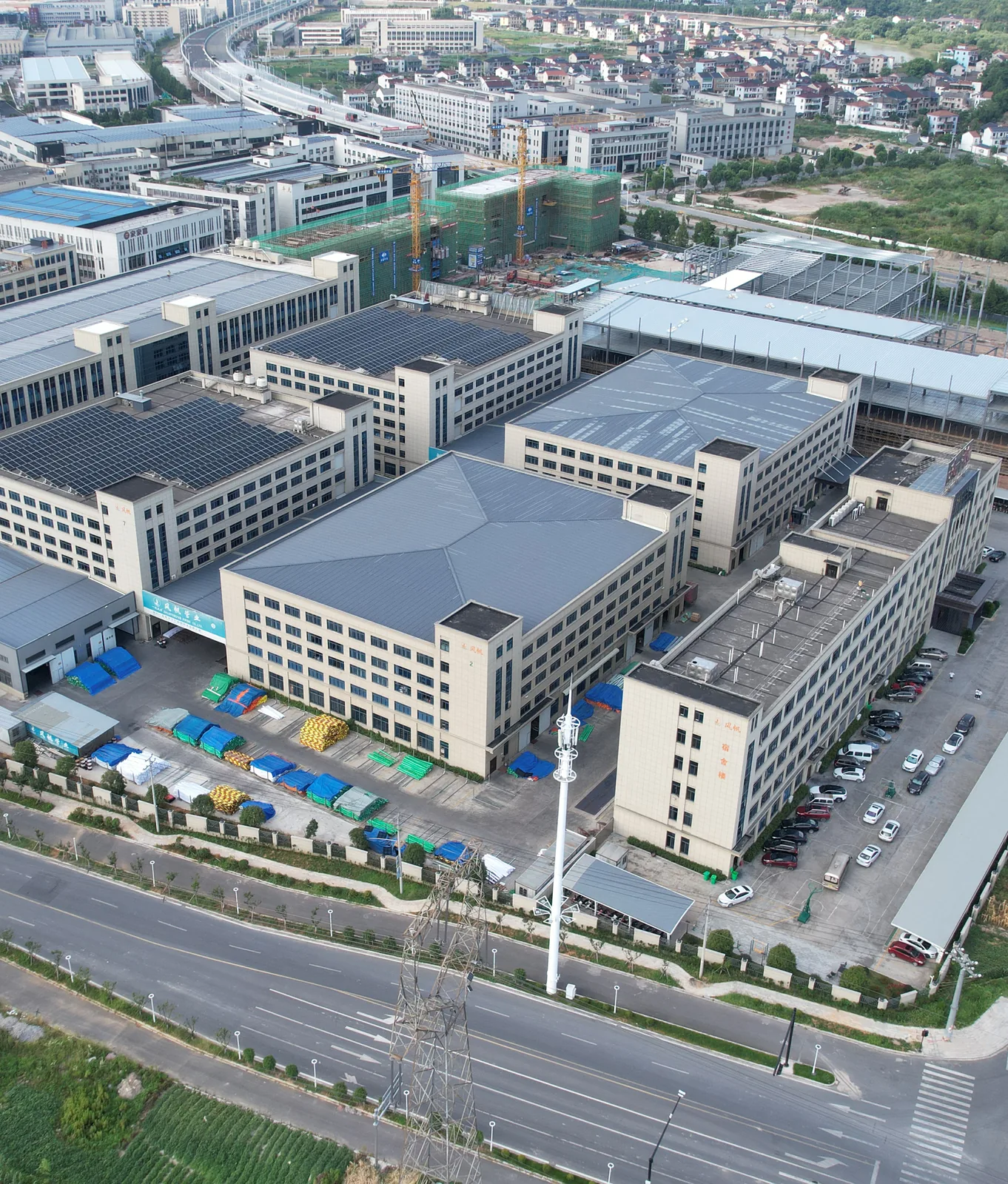
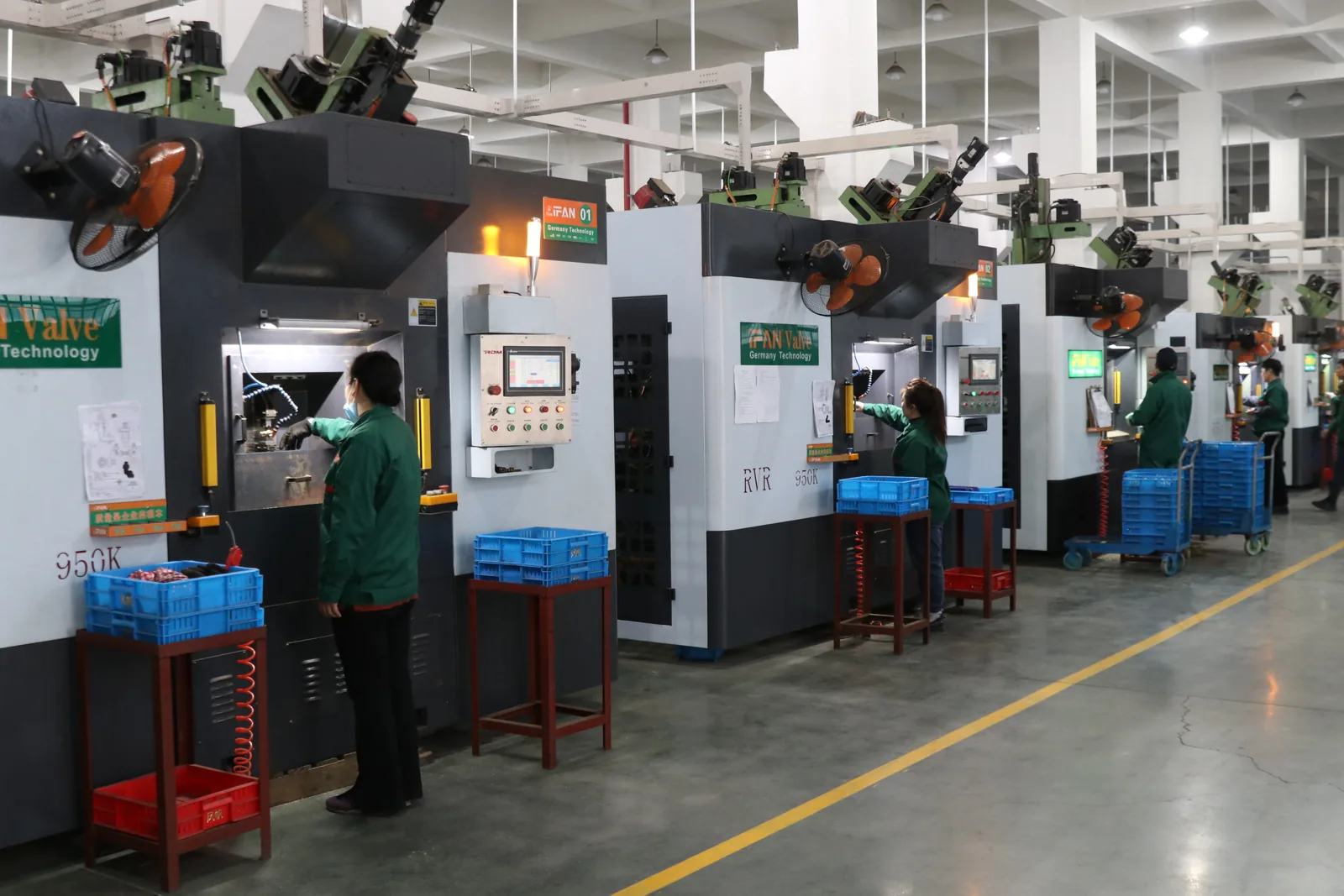
Get FOB pricingBuying aluminum-composite pipe means trusting the bond between layers and the consistency of the resin, both come down to the factory. Bekaatherm brings 30+ years of PPR / PEX / PE manufacturing, a 120,000 m² plant, 10,000 molds, 1,000+ people, and 100% high-standard resin.
We hold SKZ, described in our catalogue as the pipe industry’s most rigorous certification, auditing both product and production, plus ISO 15874, CE and WRAS for clean-water safety and customs clearance. And because we make plain PPR, fiberglass and aluminum-composite lines, plus the full fittings, valves and manifolds, you can load one container with a matched system instead of sourcing composite pipe from one factory and fittings from another.
| Experience | 30+ years in PPR / PEX / PE |
| Plant | 120,000 m² · 1,000+ staff · 10,000 molds |
| Certifications | SKZ · ISO 15874 · CE · WRAS |
| Export reach | 118+ countries · 24h online |
| OEM & exclusivity | Full OEM / private label; regional exclusivity on request |
| MOQ | Low MOQ, details on request |
For the Contractor: The continuous middle aluminum layer does two things: it restrains thermal expansion to near-metal levels, so long hot runs move far less than plain PPR, and it forms a 100% oxygen barrier. That means fewer expansion supports on site and no oxygen diffusing into closed loops, the two failure points of plain plastic in heating work.
For the Project Buyer: Plain PPR expands roughly at 0.15 mm/m·K and has no oxygen barrier. PPR-AL-PPR cuts that expansion substantially and adds a 100% oxygen barrier, while joining by the same heat fusion and pairing with the same fittings. For radiator, underfloor and solar loops it’s the safer spec; for plain cold/hot water, standard PPR is often enough.
For the Underfloor / Solar Integrator: Yes, critically so for closed loops. Oxygen through plain plastic corrodes the boiler, pump, steel radiators and metal manifolds over years, causing sludge and early failure. The aluminum layer blocks that diffusion, protecting every ferrous component for the system’s life. That’s why heating specifiers call out an oxygen-barrier pipe.
For the Importer / Distributor: We produce PPR-AL-PPR in PN20 and PN25, 20–63 mm (articles BK-01–12), in green, white and coffee series, certified to SKZ · ISO · CE · WRAS (numbers on request). It’s part of a matched system, plain PPR, fiberglass, fittings, valves and manifolds, so you can container-load a full range. MOQ is low; FOB pricing on request.
For the Installer: Yes, both inner and outer walls are PPR, so it joins by ordinary heat (socket) fusion with the same welding machine (BK-222) and no crimp or press tools. Depending on the fitting method, the end may be faced so the fusion is PPR-to-PPR through the aluminum. We can send the jointing guide with your order.
For the Specifier: Both reduce expansion. Choose aluminum composite when the loop is closed and contains ferrous parts (boiler, pump, steel radiators, manifolds), only aluminum gives the 100% oxygen barrier. Choose fiberglass when you only need expansion control on exposed hot runs with no oxygen concern. Our team confirms structure and PN for your project.
PPR-AL-PPR is one line inside the Bekaatherm PPR system. Compare it with its sibling structures, see the fittings and heating solution it plugs into, and go back to the parent range.
Tell us your application (hot water / radiator / underfloor / solar), working temperature and pressure, sizes (20–63 mm), PN class (PN20/PN25), target market and volume. Our export team will confirm the right structure and send a quote with specs, certifications and container-loading.
Explore related: PPR Pipes · Fittings & Valves · Solar & Underfloor Heating · Certifications