A pipe approval does not diagnose a new taste in the water or establish the safety of the water now coming from a tap. It is evidence about an identified product and its stated scope. A taste complaint concerns the installed supply at a particular time. Keep those evidence questions separate, and contact the water company for sudden strong changes or fuel-type taste or odour.
“The pipe is approved” can be a relevant response to a product-document question and an incomplete response to a water-quality complaint. The distinction does not make approvals unimportant. It prevents a certificate from being asked to prove something it has not measured.
Key takeaways
- A product approval and a current water-quality assessment answer different questions.
- A taste description alone establishes neither safety nor cause.
- Water that tastes normal is not thereby proven safe.
- Product identity and the approval’s scope still matter.
- A fuel-type change needs immediate water-company attention, rather than a presumed flushing cure.
 Open the utility video player
Two evidence questions hidden in one complaint
A person choosing replacement plumbing may reasonably ask whether plastic materials can affect taste. An actual 2006 consumer discussion about PEX replacing galvanized pipe raises that concern. It is an adjacent consumer question, not evidence of HDPE importer demand or the cause of any particular complaint. Replies in that discussion are not used here as technical guidance.
The product question is: does the supplied item match the product and conditions covered by the relevant approval? The complaint question is: what is happening to water in this installed supply now? A matching approval may support the first answer while leaving the second unresolved. Conversely, a suspected mismatch in product documentation is a real documentation issue without, by itself, identifying a contaminant in the water.
The two questions should remain separate even when the complaint begins immediately after pipe work. Timing is relevant history for the people investigating it. Timing alone is not a controlled comparison of every pipe, fitting, appliance and source-water condition involved.
A taste description cannot establish safety or cause
The EPA WaterSense guide to selecting water treatment systems explains that taste and smell do not necessarily indicate poor water quality and that many harmful contaminants do not affect them. It recommends testing or consulting the local utility when noticeable changes occur. That supports two limits together: an unusual taste is not a chemical identification, and the absence of an unusual taste is not a safety certificate.
Do not deliberately taste unfamiliar water to diagnose a problem. A report of a plastic, medicinal or fuel-like character is an observation to communicate, not a laboratory result. The word “plastic” in a complaint does not establish that a pipe is defective, that its material is unsuitable or that a specific chemical is present.
The Drinking Water Inspectorate’s consumer guidance says sudden particularly bad or strong changes should be reported to the water company. Its separate oil and fuel guidance calls for immediate contact for a fuel or petrol-type taste or odour. These are UK authority instructions; elsewhere, use the responsible local water supplier or authority and follow its advice. An approval logo is not a reason to postpone that contact.
An approval has a defined product and use scope
A useful approval discussion identifies what the document actually covers. The DWI’s Advice Sheet 5 illustrates the importance of that distinction in its own regulatory setting: applications for products made from recognised materials concern products supplied to drinking-water suppliers. This is not a statement that its Regulation 31 arrangements are the same as domestic fitting approval, or that a material name establishes every finished product’s approval.
The general evidence lesson is to retain the actual product identity and document scope. A supplier email saying “approved material” is not automatically the same proposition as a document covering the supplied finished item. Equally, a document that does cover the item is not a water sample taken from the installed tap after the work.
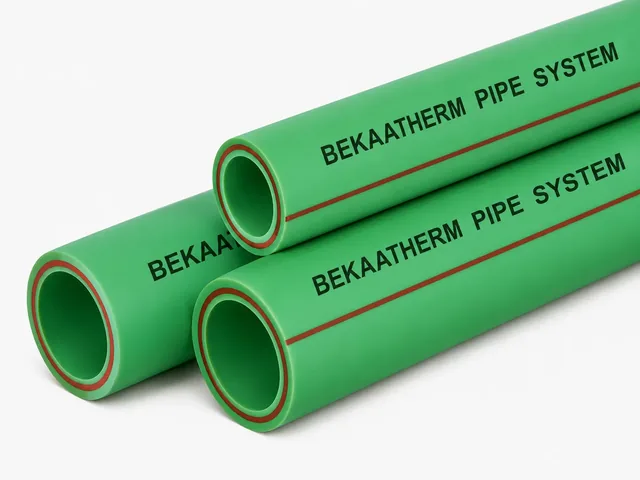
This article does not claim that a Bekaatherm series holds a particular approval. It also does not rank pipe materials by purity. Those would require separate product-specific evidence rather than an inference from the complaint or another company’s description.
Interpret two contrasting complaint records
The following are conceptual examples, not customer cases, sampling results or findings about a supplied product.
| Record presented | Supported conclusion | Conclusion still unavailable |
|---|---|---|
| The supplied product matches a relevant approval; a sudden strong taste change is reported | The approval remains product evidence, and the complaint still warrants water-company attention | The approval does not establish present tap-water safety or the cause of the change |
| The document names a different product; the water reportedly tastes normal | Approval applicability remains unresolved | Normal taste proves neither product-document coverage nor water safety |
The first record does not justify discarding a valid approval, nor does it justify dismissing the complaint. Both statements can be true: the component has relevant product documentation, and the current water question still requires assessment. The second record does not justify declaring contamination; the document mismatch establishes a missing connection, not a measured water condition.
Now change the first record to a fuel-type odour. The urgency of authority contact increases under the DWI guidance; the approval does not change that conclusion. Its fuel leaflet also explains why flushing is not a remedy for a pipe that has actually become contaminated by fuel. That is a source-specific warning against a blanket cure, not a diagnosis that fuel contamination has occurred in this example. No universal flushing duration, filter choice or boiling instruction follows from this table.
Keep component procurement separate from water assessment
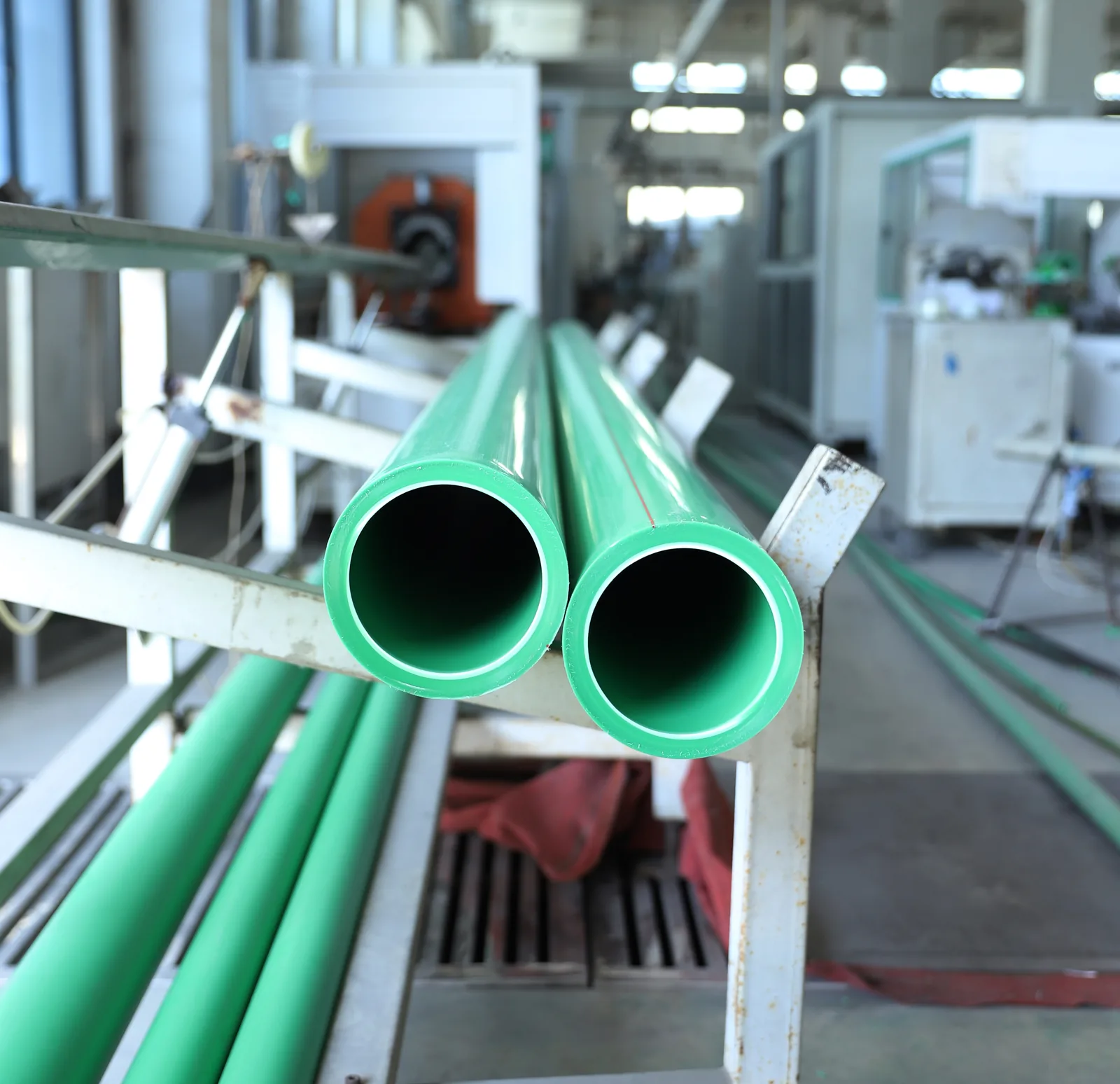
For the product category, see the Bekaatherm PP-R pipe range. A component enquiry can concern dimensions, intended application and relevant documentation. It cannot replace an assessment of the water supply or determine which material caused a complaint.
If a competent assessment identifies a component requirement, submit the component specification for an availability and documentation check. Include the intended use and destination. This is conditional product-scope contact, not an offer of water testing, health assessment or remediation, and no availability or approval is established by this article.
Conclusion
Keep the object of each piece of evidence clear. An approval concerns its identified product and scope; a complaint concerns an installed supply at a particular time. A reassuring document and a reassuring taste cannot be substituted for the water-quality evidence needed to resolve that complaint.
Frequently asked questions
Does an approved pipe guarantee that tap water is safe now?
The approval does not establish every condition in an installed supply or replace current water-quality assessment.
Does a plastic taste prove that the pipe is the cause?
No. The description alone cannot identify the material, component or substance responsible.
Should a fuel-type odour be dismissed if the product is approved?
No. DWI guidance calls for immediate water-company contact; use the responsible authority in your location.