Why the lowest unit price on the quote sheet can quietly be the most expensive delivery to your yard, how FOB pricing, container loadability and landed cost per meter really work, from a Turkish factory exporting to 118+ countries for 30 years.
This guide is written for importers, distributors and sourcing agents buying PPR pipe by the container, not for single-item retail buyers.
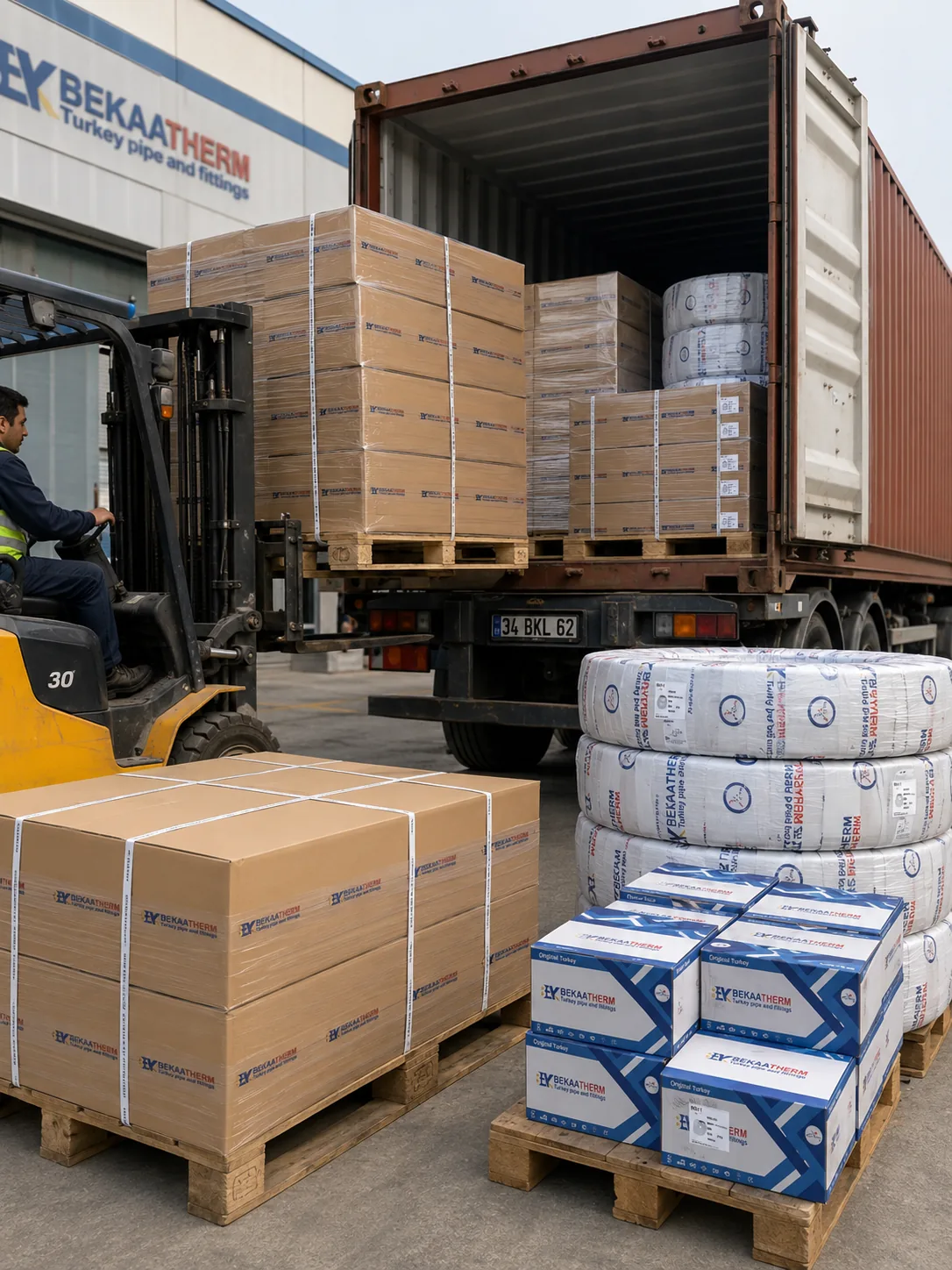
If you import PPR pipe, the lowest unit price on the quote sheet can quietly be the most expensive delivery to your yard. PPR is light, bulky cargo, a container fills up by volume long before it reaches the weight limit, so how many meters a supplier can load per container often matters more than the FOB price itself. This guide breaks down how PPR FOB pricing works, how container loading affects your real landed cost, and how to compare quotes the way an experienced importer does, from a Turkish factory that has been exporting to 118+ countries for 30 years.
We will move from Incoterms and responsibility lines, through the physics of why PPR is volumetric cargo, into a worked landed-cost model, a like-for-like comparison checklist, and finally the sourcing and documentation realities that decide whether your container clears customs on time. Everything company-specific, exact meters per container, per-SKU pricing, MOQ, nearest ports and lead times, stays available on request, because those figures move with your size mix, destination and season. What we can give you here is the framework the professionals use.
Before you compare a single number, make sure both quotes use the same Incoterm. Mixing an FOB price from one supplier with a CIF price from another is the most common, and most expensive, mistake in pipe importing. Under FOB (Free On Board), the supplier delivers the goods loaded onto the vessel at the port of shipment, and covers export packing and inland haulage; from that point on, sea freight, insurance and destination charges are yours. CIF adds freight and insurance up to the destination port to the supplier’s price. Neither is “cheaper” by nature, they simply draw the responsibility line in different places.
The reason FOB dominates PPR sourcing is control. When you hold the freight relationship, you decide the carrier, the routing and the schedule, and you see exactly what the ocean leg costs rather than having it buried inside a padded CIF figure. CIF can still make sense for a first-time buyer who wants a single all-in number and has no forwarder yet. The rule that never changes: put every quote on the same term before you let the unit price mean anything.
| Cost / responsibility | FOB (Free On Board) | CIF (Cost, Insurance, Freight) |
|---|---|---|
| Export packing & marking | Supplier | Supplier |
| Inland haulage to port of loading | Supplier | Supplier |
| Loading onto vessel | Supplier | Supplier |
| Sea freight (main carriage) | Buyer | Supplier |
| Marine insurance | Buyer | Supplier |
| Destination port charges / THC | Buyer | Buyer |
| Import customs, duty & VAT | Buyer | Buyer |
| Inland delivery to your yard | Buyer | Buyer |
Not sure which Incoterm suits your route? Ask our export team →
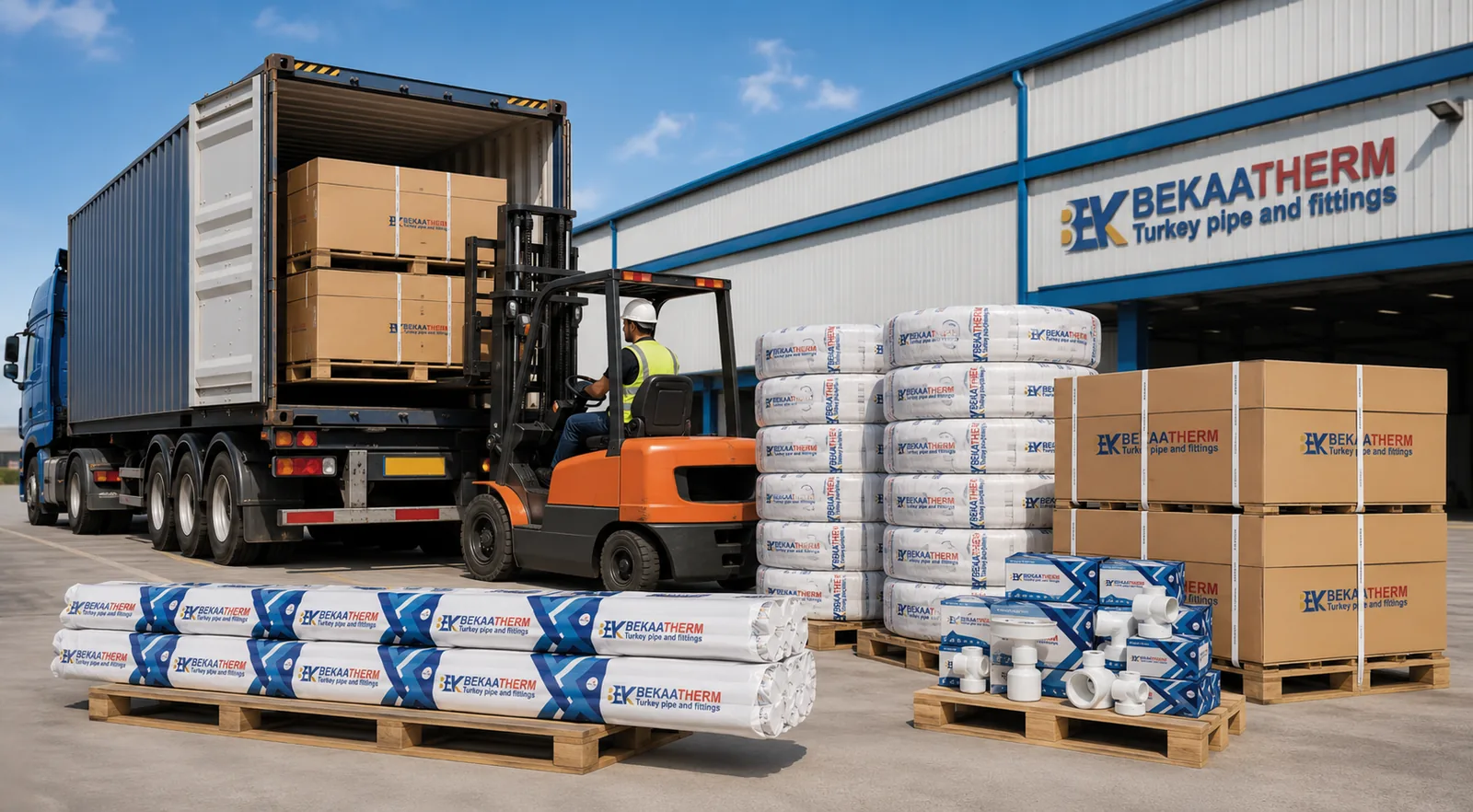
PPR pipe is low-density, hollow, and long. Pack a container full of it and you will hit the volumetric (cubic) limit long before you get anywhere near the weight limit, the opposite of dense cargo like fittings or valves. That single fact drives everything about PPR import economics: your freight cost is effectively paid per cubic meter of air-and-plastic, so the real lever is how efficiently the supplier nests, bundles and stacks the pipe to fit more sellable meters into the same box. This is why two suppliers at the same FOB unit price can deliver very different landed costs, the one who loads more meters per container wins.
The numbers make it concrete. A standard 20ft container offers roughly 33 cubic meters of usable space and a payload capacity around 28 tonnes; a 40ft high-cube offers roughly 76 cubic meters against a similar weight ceiling. Now consider what PPR actually weighs. A 20mm PN20 pipe with a 2.8mm wall runs only a few hundred grams per meter, and even a 63mm PN25 pipe with a 10.5mm wall is far lighter than an equivalent length of metal. Load a 40ft box wall-to-wall with straight PPR lengths and you will run out of cubic meters with tonnes of payload still unused. That gap between “volume full” and “weight full” is exactly the space a disciplined loader converts into extra sellable meters, and a careless one wastes.
| PPR loadability factor | Why it changes your cost |
|---|---|
| Diameter mix (20–63mm) | Smaller pipe nests inside larger; a smart mix lifts meters per container |
| Bundling & telescoping | Tight, telescoped bundles cut wasted air space |
| Straight-length vs. coil | Straight PPR lengths stack; layout discipline matters |
| Packing & palletization | Over-packing steals cubic capacity; under-packing risks damage |
| Load plan per SKU | A per-SKU plan avoids half-empty containers |
Ask for a per-SKU container load plan →
Here is the trap two “identical” PPR quotes hide: wall thickness. Pressure class and pipe structure change how much polymer is in every meter, and polymer is what you are really paying for. Under our catalogue, a 20mm PPR pipe carries a 2.8mm wall in PN20 but a 3.4mm wall in PN25; a 63mm pipe steps from an 8.6mm wall (PN20) to a 10.5mm wall (PN25). A quote that quietly drops to a thinner wall while keeping the same nominal diameter is not cheaper, it is a different, lower-pressure product. Before you compare price, confirm you are comparing the same OD, the same PN and the same structure (plain PPR, fiberglass composite, or aluminium composite). Full specifications live on the PPR pipe page.
| Nominal diameter range (OD) | 20 · 25 · 32 · 40 · 50 · 63 mm |
| 20mm wall, PN20 / PN25 | 2.8 mm / 3.4 mm |
| 25mm wall, PN20 / PN25 | 3.5 mm / 4.2 mm |
| 32mm wall, PN20 / PN25 | 4.4 mm / 5.4 mm |
| 40mm wall, PN20 / PN25 | 5.5 mm / 6.7 mm |
| 50mm wall, PN20 / PN25 | 6.9 mm / 8.4 mm |
| 63mm wall, PN20 / PN25 | 8.6 mm / 10.5 mm |
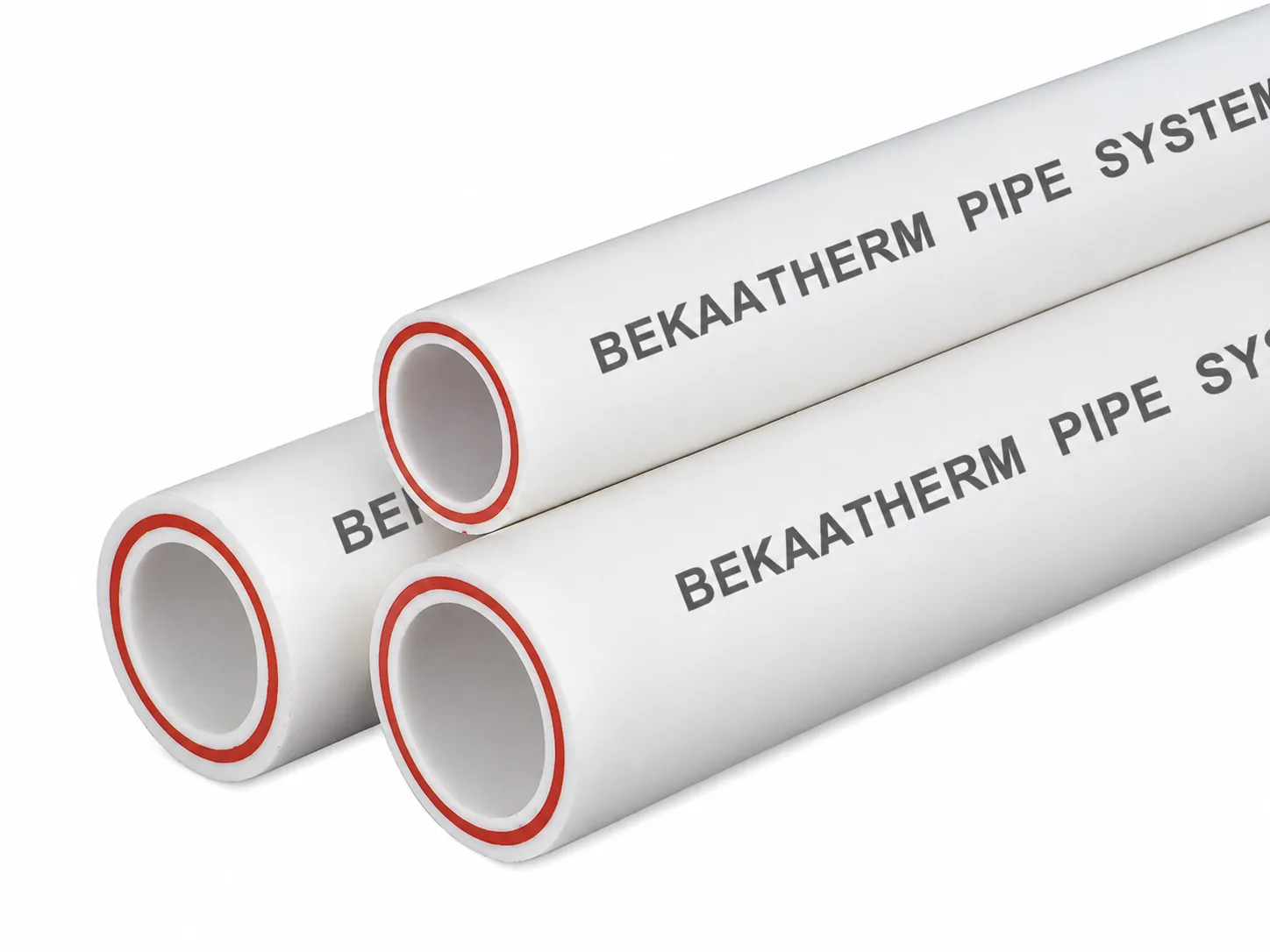
| Structures available | Plain PPR · Fiberglass composite · PPR-AL-PPR |
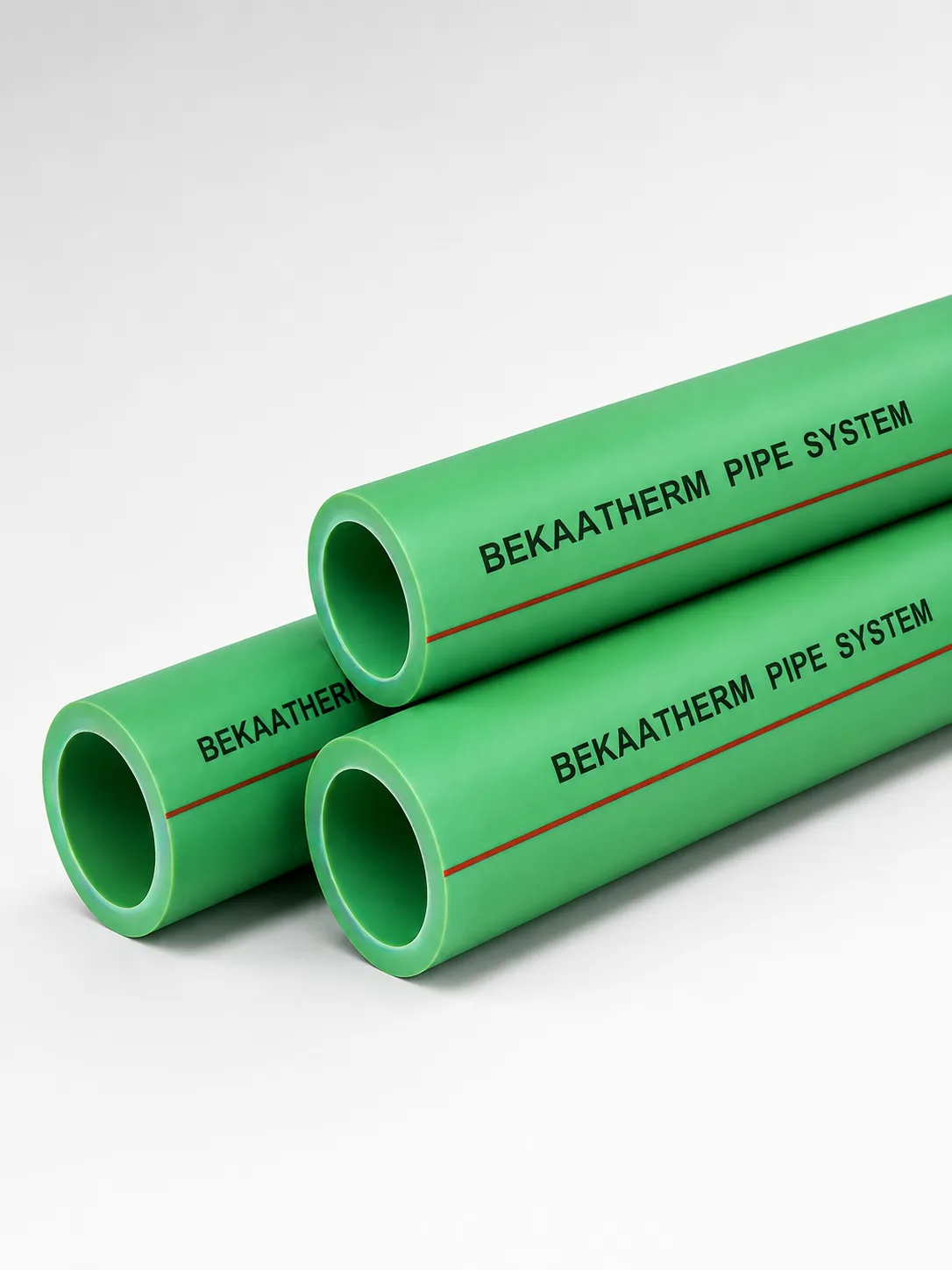
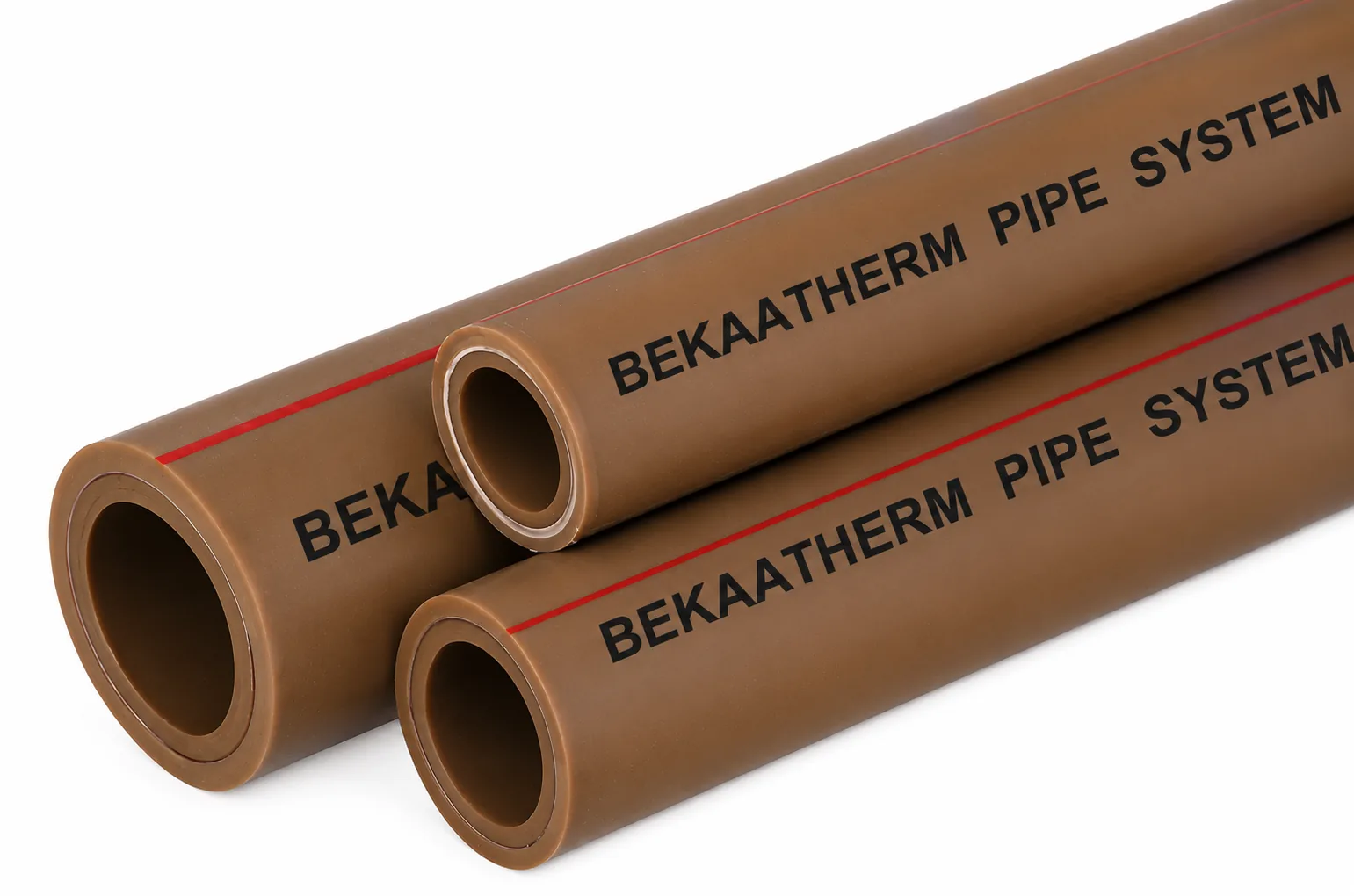
| Colour series | Green · White · Coffee |
| Article numbers (plain PPR) | PN20 BK-001–006 · PN25 BK-007–012 |
Wall thicknesses per Bekaatherm product catalogue. Weights and packing quantities per SKU are available on request.
See the full six-structure PPR size & wall-thickness table →
Because freight on PPR is charged on volume, a higher-loading container spreads the same fixed sea-freight over more meters of sellable pipe, dragging down your cost per meter even if the FOB unit price is a touch higher. The professional way to compare PPR quotes is to build a simple landed-cost model: take the FOB total, add freight, insurance, destination charges, duty and inland delivery, then divide by the total meters that actually fit in the container. Compare suppliers on that figure, not on the FOB line alone.
Walk it through with a worked illustration (numbers below are illustrative, not a quote). Say the ocean freight, insurance and destination charges on a 40ft box add up to a fixed 2,600 currency units regardless of how full the box is. Supplier A quotes a lower FOB but their loose loading fits only 18,000 meters, so freight alone adds ~0.14 per meter. Supplier B quotes a slightly higher FOB but their per-SKU plan nests the diameter mix and fits 24,000 meters, so freight adds only ~0.11 per meter. That 33% jump in loaded meters can more than erase Supplier B’s higher unit price. The table below is the model, fill in your real freight, duty and load figures and let the divisor decide.
| Landed-cost component | What it covers | Who quotes it |
|---|---|---|
| FOB goods value | Pipe + export packing + inland-to-port + loading | Supplier (FOB) |
| Sea freight | Main carriage, driven by container volume | Freight forwarder |
| Marine insurance | Cargo cover in transit | Buyer / forwarder |
| Destination charges (THC, docs) | Port handling & release at arrival | Destination port / agent |
| Import duty & VAT | Tariff on PPR (HS code varies by country) | Your customs broker |
| Inland delivery | Port → your warehouse | Local haulier |
| ÷ meters loaded | The divisor that decides the winner | From the load plan |
Get an FOB quote with an indicative load plan →
When three PPR quotes land in your inbox, they are rarely comparing like with like. Normalize them first, then decide. Run every quote through the same six checks so a “cheap” number can’t hide a thin wall, a missing certificate, or a half-empty container:
Only after this normalization does the FOB unit price mean anything. A quote that looks 8% cheaper on the unit line can turn out 5% more expensive per landed meter once a thinner wall, a shorter size range or a looser load is factored in. Do the normalization once, keep the spreadsheet, and reuse it on every future re-order.
Send us the specs you’re comparing, we’ll quote like-for-like →
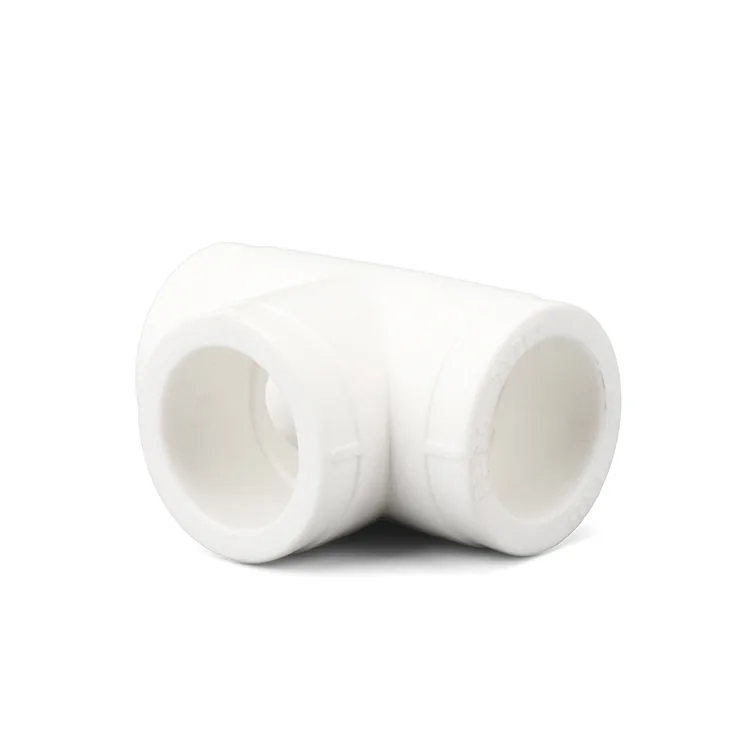
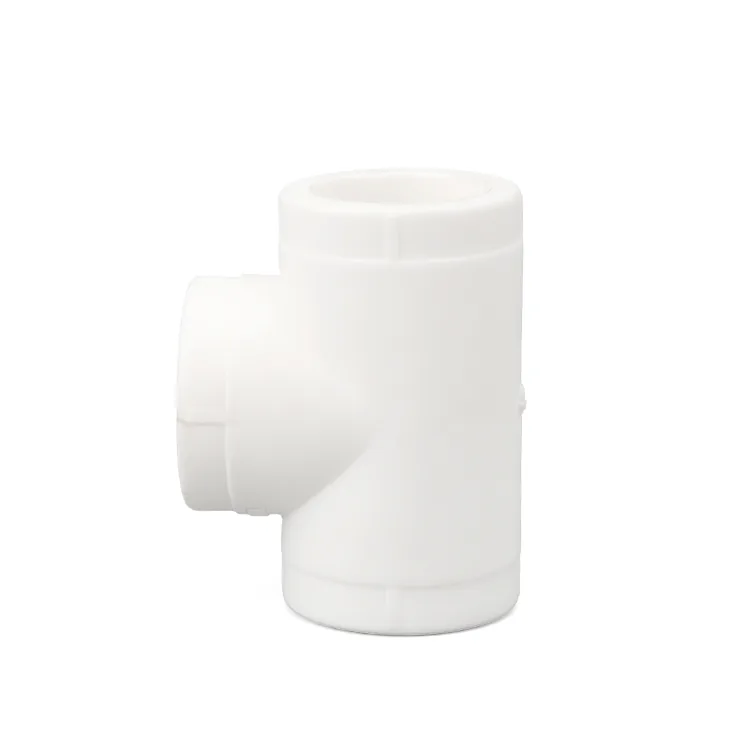
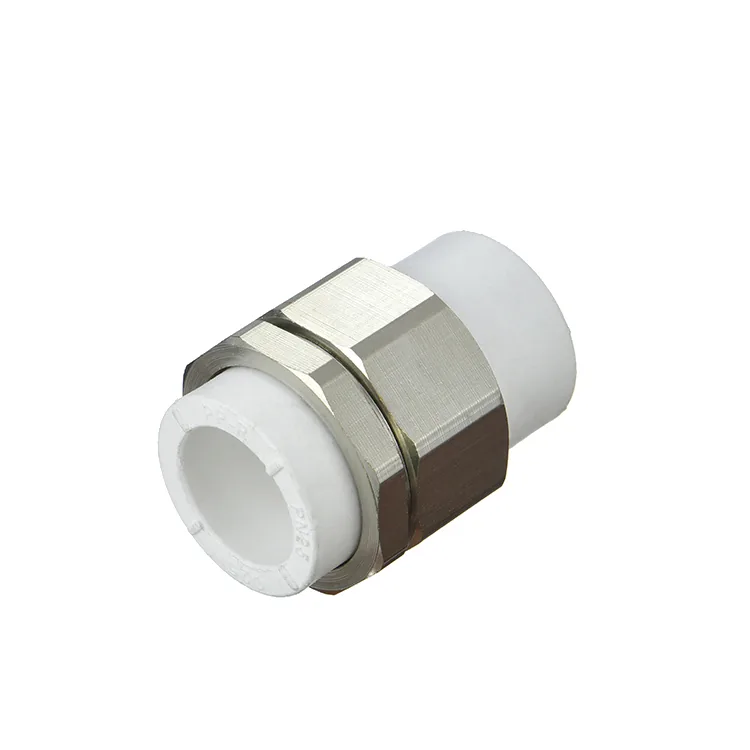
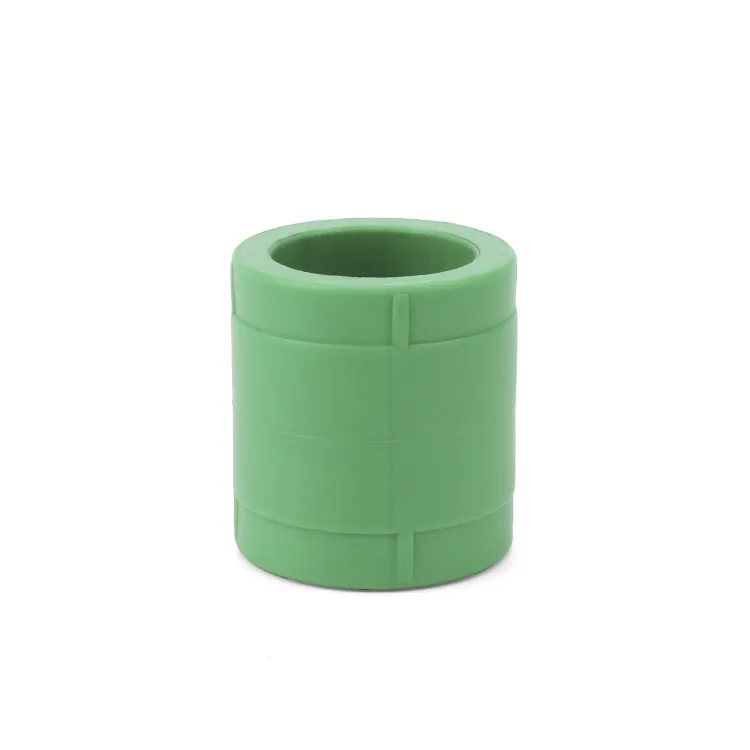
A real PPR order is rarely pipe alone. Most importers consolidate a system into the box, pipe plus the matching fittings, valves and manifolds that turn a shipment into a saleable range on the shelf. Because fittings and brass-core valves are dense, they help balance a volumetric pipe load, filling the low-value cubic corners with high-turnover items. Planning the full system into one container also protects your margin: a distributor who has to source pipe from one supplier and fittings from another loses the color match, the certification consistency and the freight consolidation. Below is the range that typically travels together.
| System component | Range in the catalogue | Article-no. reference |
|---|---|---|
| PPR pipe (3 structures) | 20–63mm · PN20 / PN25 · green / white / coffee | BK-001–024 |
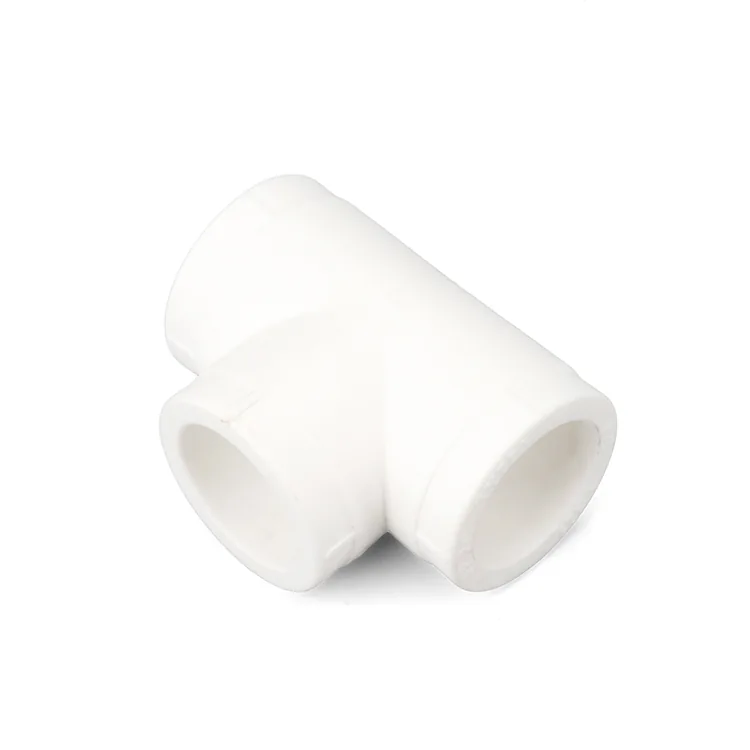
| Core fittings | Sockets, tees, elbows 45°/90°, end caps, reducers | BK-25–99 |
| Threaded & brass-insert fittings | Male / female sockets, elbows, tees, unions | BK-114–235 |
| Brass-core valves | Stop, brass, double-union ball, America stop valves | BK-182–205 |
| Manifolds & heating parts | 2–5 way manifolds, radiator valves, filters | BK-206–282 |
| HDPE / PP compression fittings | HDPE PN10, saddle clamps (outdoor / irrigation) | 500 kg per size |
| Install tools | Hot-melt welding machine, cutter, PTFE tape | BK-220–222 |
Browse the full system: PPR Fittings · Valves & Manifolds · HDPE Pipe & Compression Fittings
A snapshot of the export range that consolidates into a container, pipe, fittings, valves and the three color series:
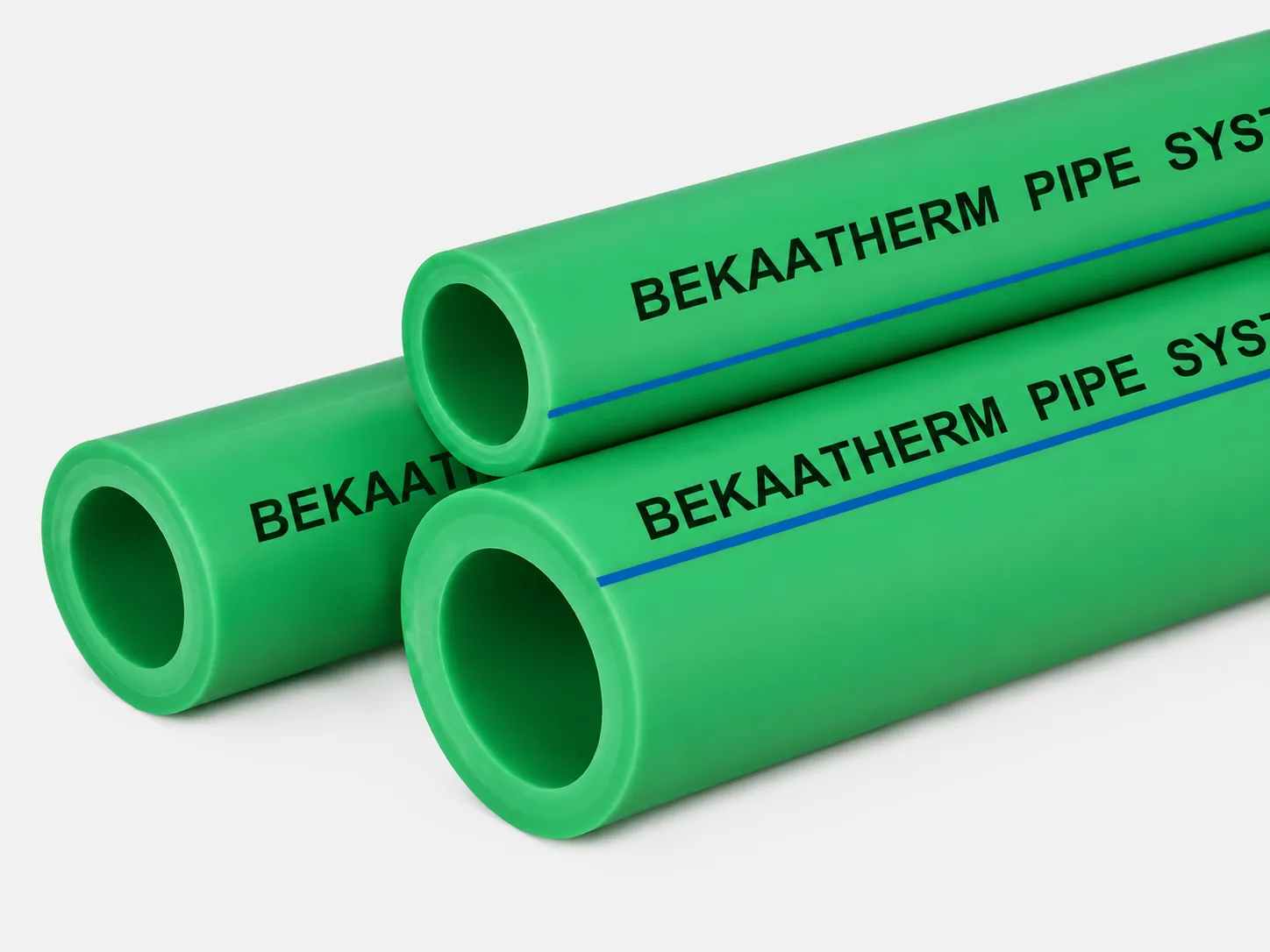
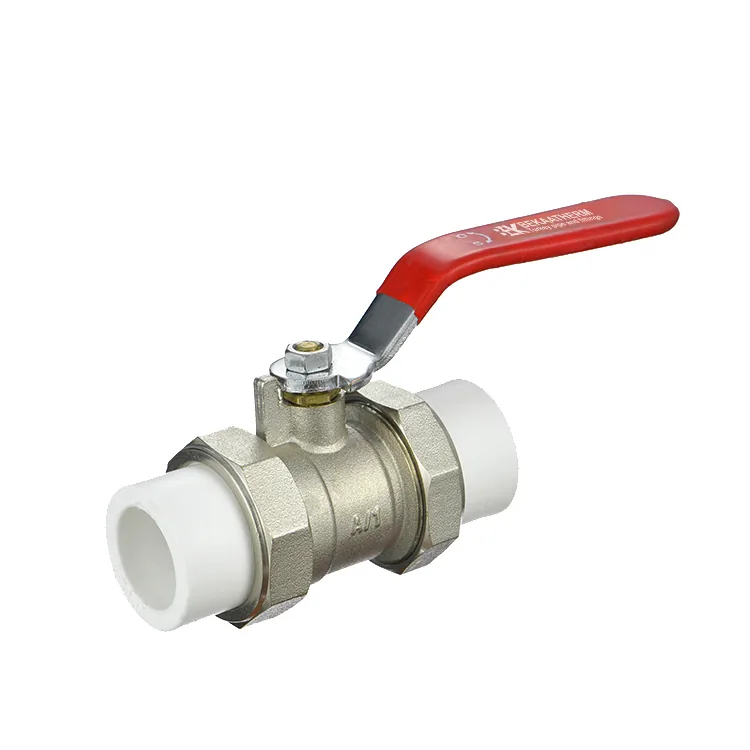
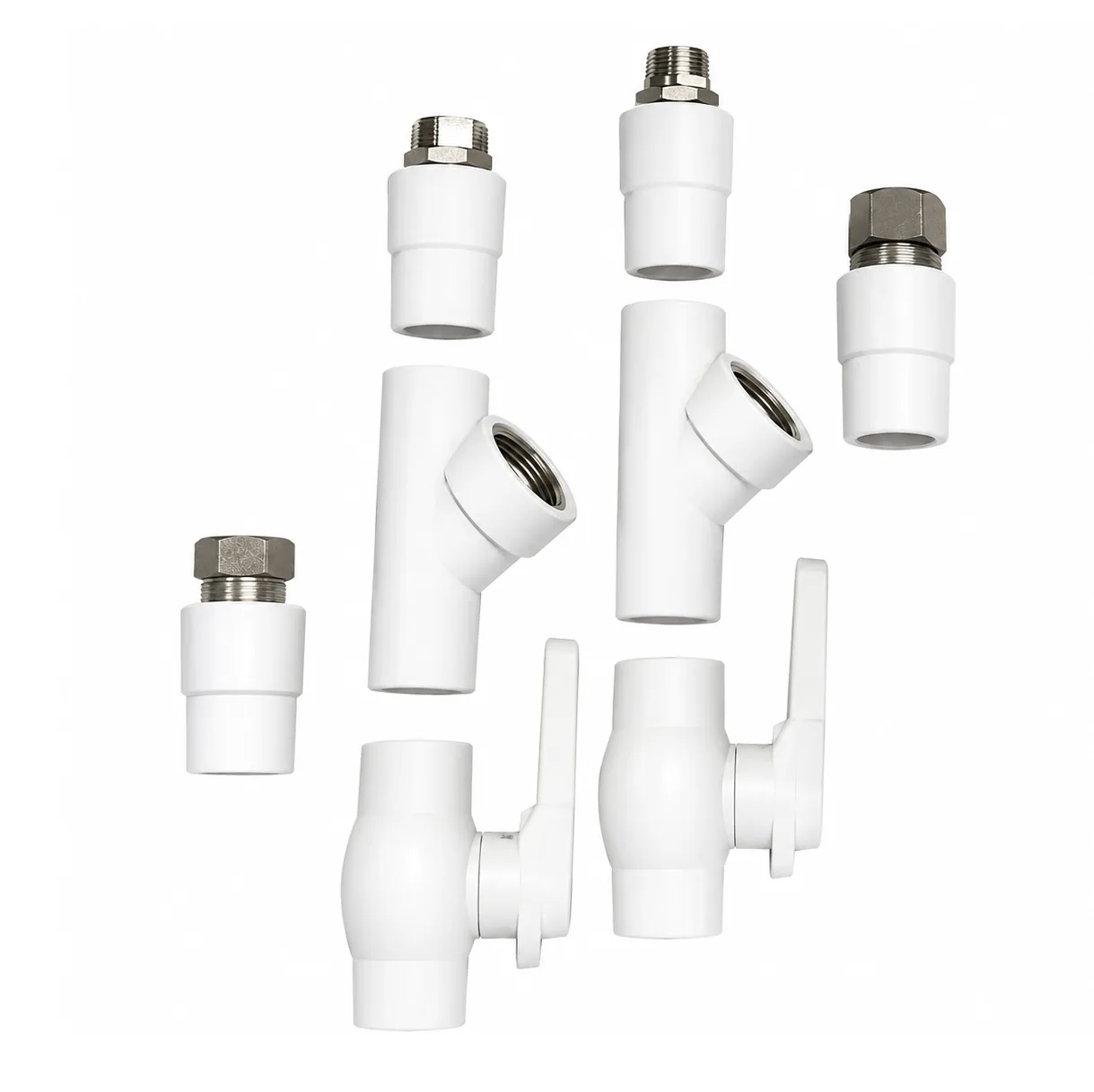
The cheapest FOB in the world is worthless if the container sits at the destination port racking up demurrage because a certificate is missing. In many PPR markets, customs and inspection bodies want to see product certification and a complete export document set before release. Bekaatherm carries the certifications that matter here, German SKZ (described in the catalogue as the pipe industry’s most demanding certification, auditing both product quality and production), ISO 15874, CE and WRAS, and supplies the full export documentation pack with every shipment. Certificate numbers are available on request. Build this into your comparison: a supplier who cannot produce the paperwork is not cheaper, they are a clearance risk. Read more on the Certifications page and how they are tested under Quality Control & Testing.
SKZ, ISO 15874, CE and WRAS documents that inspection and customs often require. Certificate numbers on request.
Commercial invoice, packing list, certificate of origin and the paperwork your broker needs to clear the box.
An indicative container-load plan by diameter so you can model landed cost per meter before you commit.
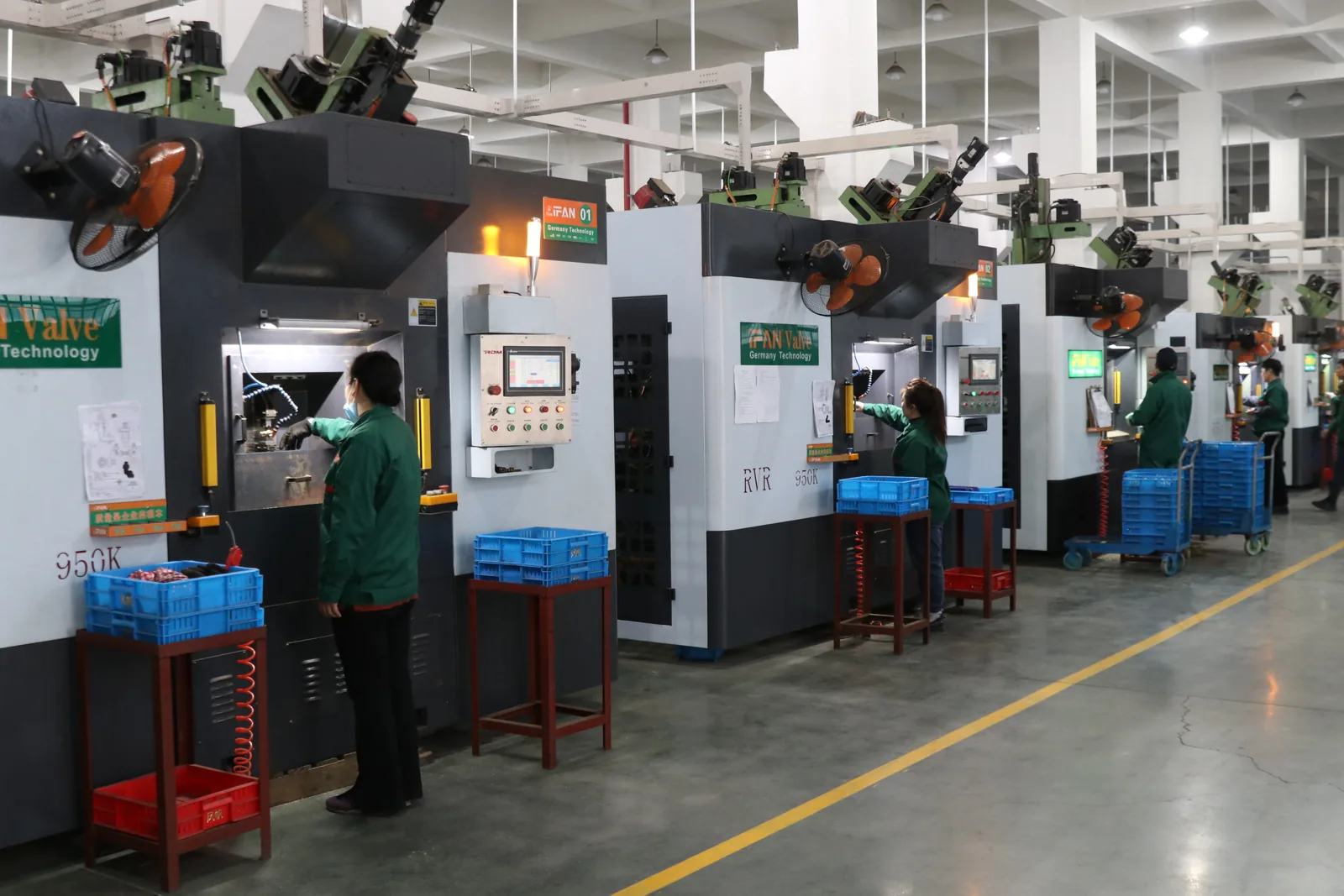
Origin quietly shapes your landed cost. Sourcing PPR from Türkiye puts you close to Europe, the Middle East and North Africa, which can mean shorter, more predictable transit than long-haul lanes, one reason importers across these regions favor a “Made in Türkiye” supply line. Bekaatherm has exported PPR, PE and drainage piping to 118+ countries over 30 years, from a 120,000 m² plant with a 1,000-strong workforce and 10,000 moulds, and runs an international export team that handles FOB and CIF terms, optimized container loading, and full export documentation. Specific loading figures, port options, MOQ and lead times vary by destination and are available on request, ask, and we’ll build them into your quote.
| Türkiye-sourcing signal | What it means for the importer |
|---|---|
| Export experience | 118+ countries, 30 years (per company records) |
| Manufacturing scale | 120,000 m² plant · 1,000+ staff · 10,000 moulds |
| Incoterms handled | FOB İstanbul / Mersin or the allocated Chinese port, per the origin assigned to your market for Türkiye-origin orders, or the allocated Chinese port for China-origin orders; the origin for your market is confirmed in writing before you pay. CFR and CIF on request |
| MOQ | One 20GP mixed container (pipe + fittings + valves), or 500 kg per size and colour |
| Lead time | 15–25 days on regular in-production sizes; 30–45 days for OEM / private label |
| Payment terms | 30% T/T deposit, 70% against copy B/L; irrevocable L/C at sight from USD 50,000 |
| Container loading | 20GP roughly 33 m³ against a ~28 tonne payload; 40HQ roughly 76 m³. Load plans optimised per SKU |
| Export documentation | Full doc set for customs clearance, prepared per destination |
| Certifications | SKZ, ISO, CE, WRAS (certificate no. on request) |
Request an FOB quote to your port → · Learn more on Made in Türkiye and Global Export & Logistics.
For the Importer: PPR is light, bulky cargo, so a container fills by volume before weight. Actual meters depend on your 20–63mm diameter mix, nesting and bundling, so ask for a per-SKU load plan rather than a single number. Bekaatherm optimizes loading and shares an indicative load sheet on request.
For the First-time Buyer: FOB means we cover goods, export packing, inland haulage to the port and loading onto the vessel; you pay sea freight, insurance and destination charges. CIF adds freight and insurance to the destination port. Always compare all quotes on the same Incoterm, mixing FOB and CIF distorts every comparison.
For the Sourcing Agent: Because PPR is volumetric cargo, a supplier who loads more meters per container spreads the fixed freight over more product, lowering your landed cost per meter even at a slightly higher unit price. Compare landed cost per meter, never the FOB unit price in isolation.
For the Contractor: Yes, decisively. A 20mm pipe is 2.8mm wall in PN20 but 3.4mm in PN25, and a 63mm pipe steps from 8.6mm to 10.5mm. A quote that keeps the diameter but drops the wall is a different, lower-pressure product. Confirm OD, PN and structure before you compare price; the full table is on the PPR pipe page.
For the Distributor: Our entry point is one 20GP mixed container of pipe, fittings and valves, or 500 kg per size and colour if you are topping up a single line. Regular in-production sizes ship in 15–25 days; OEM or private-label runs take 30–45 days, plus 7–10 days for a first colour match. Payment is 30% T/T deposit, 70% against copy B/L. Send your target SKUs and port and our export team returns firm figures with a load plan.
For the Importer: Yes. We supply the full export documentation set and product certifications, SKZ, ISO, CE, WRAS, that customs and inspection often require. Certificate numbers are available on request. Missing paperwork stalls clearance and adds demurrage cost, so we build the doc pack into every shipment.
This guide sits inside a wider hub on sourcing PPR from Türkiye. Follow the links below to price the range, check compliance and plan the logistics that decide your landed cost.
Tell us your PPR size mix, PN rating, destination port and target volume. Our export team, 30 years, 118+ countries, returns an FOB (or CIF) quote with an indicative container-load plan, so you can compare on landed cost per meter, not guesswork.
Keep reading: PPR Pipes · Global Export & Logistics · For Importers · Certifications · Blog