Choosing the wrong PN rating is the most expensive mistake in a PPR system. This guide explains exactly what PN20 and PN25 mean, how pressure derates as water gets hotter, how PN maps to wall thickness (SDR), and which class to pick for hot water, heating, underfloor and solar circuits, written from the floor of a Turkish maker producing both ratings in 20–63mm in plain, aluminum-composite and fiberglass constructions.
This is a technical guide for project buyers, contractors and importers. Bekaatherm supplies PPR / PE piping wholesale to distributors, contractors and OEM brands, not single-item retail.
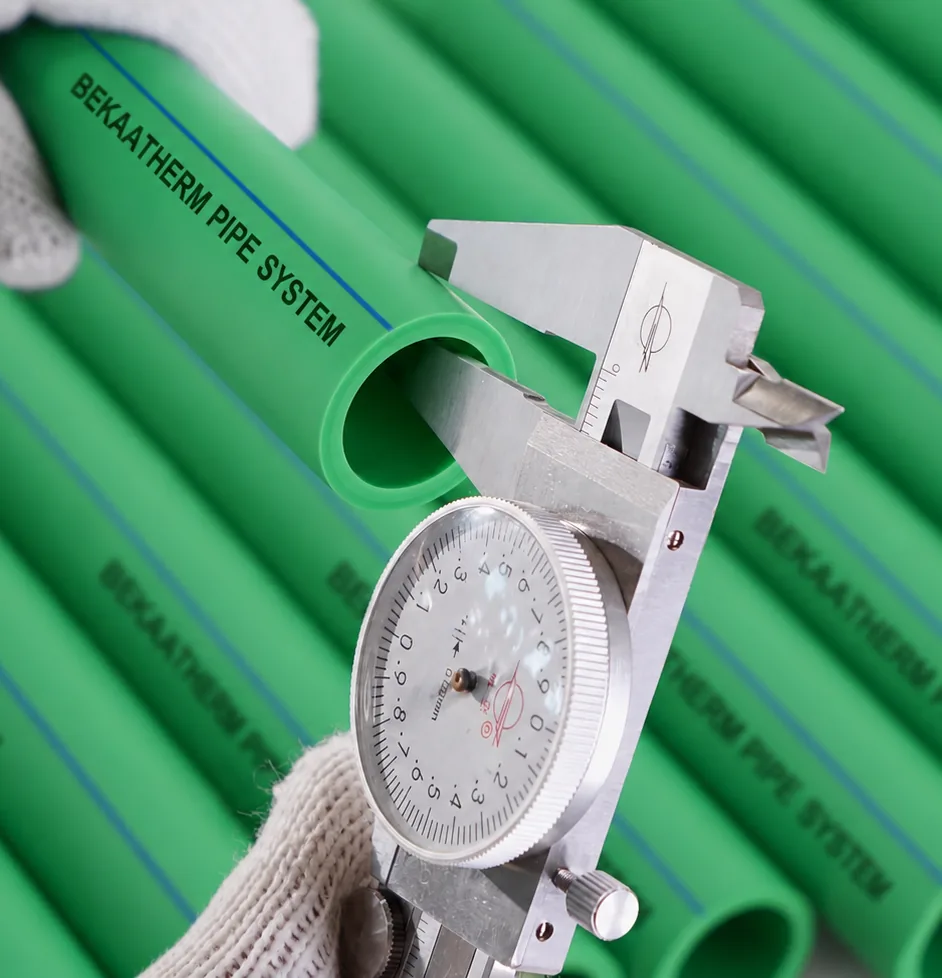
Choosing the wrong PN rating is the most expensive mistake in a PPR system, pick too low and hot, high-pressure lines can soften, creep and fail; pick too high everywhere and you overspend on wall thickness you don’t need while quietly losing bore. PN20 and PN25 are the two ratings you’ll specify most often, with PN16 occasionally in play for cold-only distribution. This guide explains exactly what those numbers mean, how pressure derates as water gets hotter, how PN maps to wall thickness and SDR, and which rating to choose for hot water, central heating, underfloor loops and solar circuits. It’s written from the floor of a Turkish PPR manufacturer that produces both PN20 and PN25 in 20–63mm, in plain (PP-R Type 3), aluminum-composite (PPR-AL-PPR) and fiberglass-composite constructions, and exports to 118+ countries.
If you take one idea away, make it this: the PN printed on the pipe is a nominal figure at a reference temperature, not the pressure your hot line will actually see rated for. Everything else in this article, the comparison table, the derating logic, the wall-thickness data, the application shortlist, flows from that single point. Use the section links below to jump to what you need, or read straight through for the full picture.
PN stands for Pressure Nominal, the nominal working pressure a pipe is rated for, expressed in bar, at a defined reference temperature (commonly 20°C for a stated design life). So a PN20 pipe is nominally rated for 20 bar and a PN25 pipe for 25 bar under reference conditions. That sounds simple, and it is where most product listings stop. But two things buyers routinely miss, and both cause real problems on site.
First, PN is a nominal rating tied to a reference temperature. The safe working pressure drops, sometimes steeply, as water gets hotter and as the required service life gets longer. A number stamped for 20°C does not describe a line carrying 60–70°C water for fifty years. We cover the derating logic in detail further down, but flag it here because it reframes the entire PN20-vs-PN25 decision: you are not choosing between “20 bar” and “25 bar,” you are choosing how much margin to keep after temperature has eaten into the nominal figure.
Second, the same PN rating on a smaller and a larger diameter means a different absolute wall thickness. PN is a function of the wall-to-diameter ratio (captured by SDR), not a fixed wall figure. A 20mm PN20 pipe and a 63mm PN20 pipe share a pressure class but have very different walls, 2.8mm versus 8.6mm in our plain PP-R line. So “PN20” tells you the class, never the wall; for the wall you need the size-by-size table, which we publish in full below. Getting these two points right is what separates a spec that passes inspection from one that fails on site.
| Term | What it means |
|---|---|
| PN (Pressure Nominal) | Nominal working pressure in bar, at a reference temperature and design life. |
| Reference temperature | The temperature at which the PN value applies (commonly 20°C); pressure derates above it. |
| SDR (Standard Dimension Ratio) | Outer diameter ÷ wall thickness, a lower SDR means a thicker wall and higher PN. |
| Working pressure | The actual allowable pressure at your project’s operating temperature, always ≤ the nominal PN. |
See the PPR pipes we produce in PN20 & PN25 → · Read the mm-to-inch size chart →
Here’s how the three PPR pressure classes compare at a glance. Bekaatherm produces PPR pipe in PN20 and PN25 across the 20–63mm range, in plain, aluminum-composite (PPR-AL-PPR) and fiberglass-composite constructions; PN16 is available on request for cold-only, low-pressure distribution. Use the table to shortlist a class, then confirm the exact wall thickness and derated working pressure for your temperature against the size table in the next section.
| Property | PN16 | PN20 | PN25 |
|---|---|---|---|
| Nominal pressure (@ reference temp) | ~16 bar | ~20 bar | ~25 bar |
| Relative wall thickness (same OD) | Thinnest | Medium | Thickest |
| SDR (dimension ratio) | Higher SDR | Medium | Lower SDR |
| Internal bore (same OD) | Largest | Medium | Smallest |
| Typical use | Cold water, low-pressure | General hot & cold water | High-temp / high-pressure heating |
| Bekaatherm production | On request | 20–63mm | 20–63mm |
| Composite options | , | Plain / AL-composite / fiberglass | Plain / AL-composite / fiberglass |
Reference values based on standard PP-R (Type 3) classes. Confirm final pressure, temperature and wall-thickness figures against the Bekaatherm datasheet, available on request.
Read the table left-to-right by use case, not by “bigger number is better.” A cold-water riser in a two-storey house has no reason to carry PN25 wall thickness, you would pay for material and give up bore for margin you never touch. A solar primary loop that runs 80–90°C in summer has every reason to, because the derated working pressure at that temperature is a fraction of the printed 25 bar. The class is a tool for allocating margin where the heat and pressure actually are. That is also why full building specs frequently mix classes: PN20 (or a composite pipe) on the general distribution, PN25 on the hot risers, heating manifolds and solar primaries.
Download the full PN Selection Chart (PDF) → · Compare all three constructions →
This is the point that causes field failures, and it is worth reading twice. The PN number is stated at a reference temperature, but PPR is a thermoplastic, so its allowable working pressure falls as service temperature and design lifetime rise. The physics is regression: at a given design life (50 years is the usual reference), the pressure a PP-R wall can hold drops as the fluid gets hotter, because the material’s long-term hydrostatic strength is temperature-dependent. A pipe printed PN25 carries far less than 25 bar when it runs continuous hot water at 60–70°C over a fifty-year design life, and less again at the 80–90°C peaks a solar primary can hit.
That’s exactly why heating, underfloor and solar circuits, which are hot and pressurised for years, often need PN25 (or a composite pipe) even when the static pressure looks modest enough for PN20 on paper. Two lines with the same 6-bar static pressure can demand different classes purely because one runs cold and the other runs continuously hot. The rule for buyers is short: size against your working temperature and design life, never against the printed PN alone.
What we need from you to confirm a class is equally short, three numbers and one duration:
Give us those and our export team confirms PN20 vs PN25, recommends plain or composite construction, and returns the derating datasheet so your engineer can verify before committing.
| Service condition | What to specify |
|---|---|
| Cold water only (≤25°C) | PN16 or PN20 |
| Domestic hot & cold water | PN20 (common), PN25 for margin |
| Central heating (continuous hot) | PN25 or fiberglass / AL-composite |
| Underfloor & solar loops (high temp) | PN25 + composite construction |
Ask us to confirm your PN class → · See high-temperature loop selection →
Talking about “thicker walls” in the abstract is fine, but a spec lives on real millimetres. Below is the actual outer-diameter × wall-thickness table for every PPR pipe Bekaatherm produces, across all three constructions and both pressure classes, from our production catalogue. This is the data your engineer sizes flow against, and it is the clearest possible answer to “how much does PN25 add?”, at 63mm, plain PP-R goes from 8.6mm wall (PN20) to 10.5mm wall (PN25), roughly a 22% thicker wall and a correspondingly smaller bore.
| OD (mm) | Plain PP-R · PN20 | Plain PP-R · PN25 | PPR-AL-PPR · PN20 | PPR-AL-PPR · PN25 | Fiberglass · PN20 | Fiberglass · PN25 |
|---|---|---|---|---|---|---|
| 20 | 20 × 2.8 | 20 × 3.4 | 20 × 3.1 | 20 × 3.4 | 20 × 2.8 | 20 × 3.4 |
| 25 | 25 × 3.5 | 25 × 4.2 | 25 × 3.3 | 25 × 4.2 | 25 × 3.5 | 25 × 4.2 |
| 32 | 32 × 4.4 | 32 × 5.4 | 32 × 4.1 | 32 × 5.4 | 32 × 4.4 | 32 × 5.4 |
| 40 | 40 × 5.5 | 40 × 6.7 | 40 × 5.0 | 40 × 6.7 | 40 × 5.5 | 40 × 6.7 |
| 50 | 50 × 6.9 | 50 × 8.4 | 50 × 5.5 | 50 × 8.4 | 50 × 6.9 | 50 × 8.4 |
| 63 | 63 × 8.6 | 63 × 10.5 | 63 × 7.0 | 63 × 10.5 | 63 × 8.6 | 63 × 10.5 |
Figures are OD × wall thickness in mm, from the Bekaatherm production catalogue. Article numbers: plain PP-R PN20 = BK-001–006, PN25 = BK-007–012; PPR-AL-PPR PN20 = BK-01–06, PN25 = BK-07–12; fiberglass PN20 = BK-13–18, PN25 = BK-19–24. Available in Green, White and Coffee series. Tolerances and weights available on request.
Three things the table makes concrete. (1) Same OD, higher PN = thicker wall, lower SDR, smaller bore. Match a fitting or a flow calculation to the bore of the class you actually chose, not just the outer diameter. (2) Aluminum-composite (PPR-AL-PPR) is dimensionally leaner at PN20, 63mm carries a 7.0mm wall versus 8.6mm for plain, because the aluminum layer contributes to strength and, crucially, cuts thermal expansion and provides an oxygen barrier for heating loops. (3) At PN25 the classes converge on wall thickness across constructions, so the choice at PN25 is driven less by wall and more by expansion behaviour and oxygen-barrier needs. That is the bridge to the next decision: which construction, not just which class.
See the aluminum-composite pipe → · See the fiberglass composite pipe → · Fiberglass vs aluminum composite, compared →
Now that the raw numbers are on the table, here is the design consequence. Higher PN = thicker wall = lower SDR = smaller bore. Because the pressure class is a function of the wall-to-diameter ratio, a PN25 pipe has a thicker wall than a PN20 pipe at the same outer diameter, which means a slightly smaller internal bore and marginally lower flow for a given pressure drop. This matters for two decisions that catch out buyers who match by OD alone.
Sizing decision: a fitting, a manifold port or a design flow rate must account for the bore of the PN class you chose. Two 32mm pipes are not hydraulically identical if one is PN20 (4.4mm wall) and the other PN25 (5.4mm wall), the PN25 pipe’s bore is around 2mm narrower, which nudges velocity and pressure drop up. On long runs or tight designs, size against the actual bore.
Cost decision: don’t over-specify PN across an entire building when only the hot risers, heating manifolds and solar primaries need it. Every millimetre of extra wall you add where it isn’t required is material you pay for and bore you lose. The efficient spec is targeted: general distribution at PN20 or an aluminum-composite pipe, PN25 concentrated on the genuinely hot, genuinely pressurised, genuinely long-life circuits.
Get the full 20–63mm size & wall chart →
Pulling it together, here’s the practical shortlist most project buyers use, then confirm with your local code and your working temperature:
| Application | Typical class | Preferred construction | Why |
|---|---|---|---|
| Cold water distribution | PN16 / PN20 | Plain PP-R | No thermal load; PN16/20 is sufficient and keeps bore. |
| Domestic hot & cold water | PN20 (PN25 for margin) | Plain or composite | Workhorse class; step up where temperature/pressure margin is tight. |
| Central heating & radiators | PN25 | Fiberglass / AL-composite | Continuous hot; composite cuts expansion and adds oxygen barrier. |
| Underfloor heating loops | PN25 | AL-composite | Long, hot, embedded runs; low expansion and O₂ barrier critical. |
| Solar primary circuits | PN25 | Fiberglass / AL-composite | High temperature and stagnation peaks; maximum temperature stability. |
For heating, underfloor and solar systems, the pipe class is only half the decision, the composite structure (fiberglass or aluminum layer) controls thermal expansion and the oxygen barrier, both of which matter more than the last bar of pressure margin. Undersized expansion allowance is a common cause of noisy, sagging or stressed hot runs even when the pressure class is technically adequate. If that’s your application, our heating and solar page walks through the full system, from pipe class through composite choice to manifolds and radiator valves.
Talk to us about a project spec → · See heating & solar system selection →
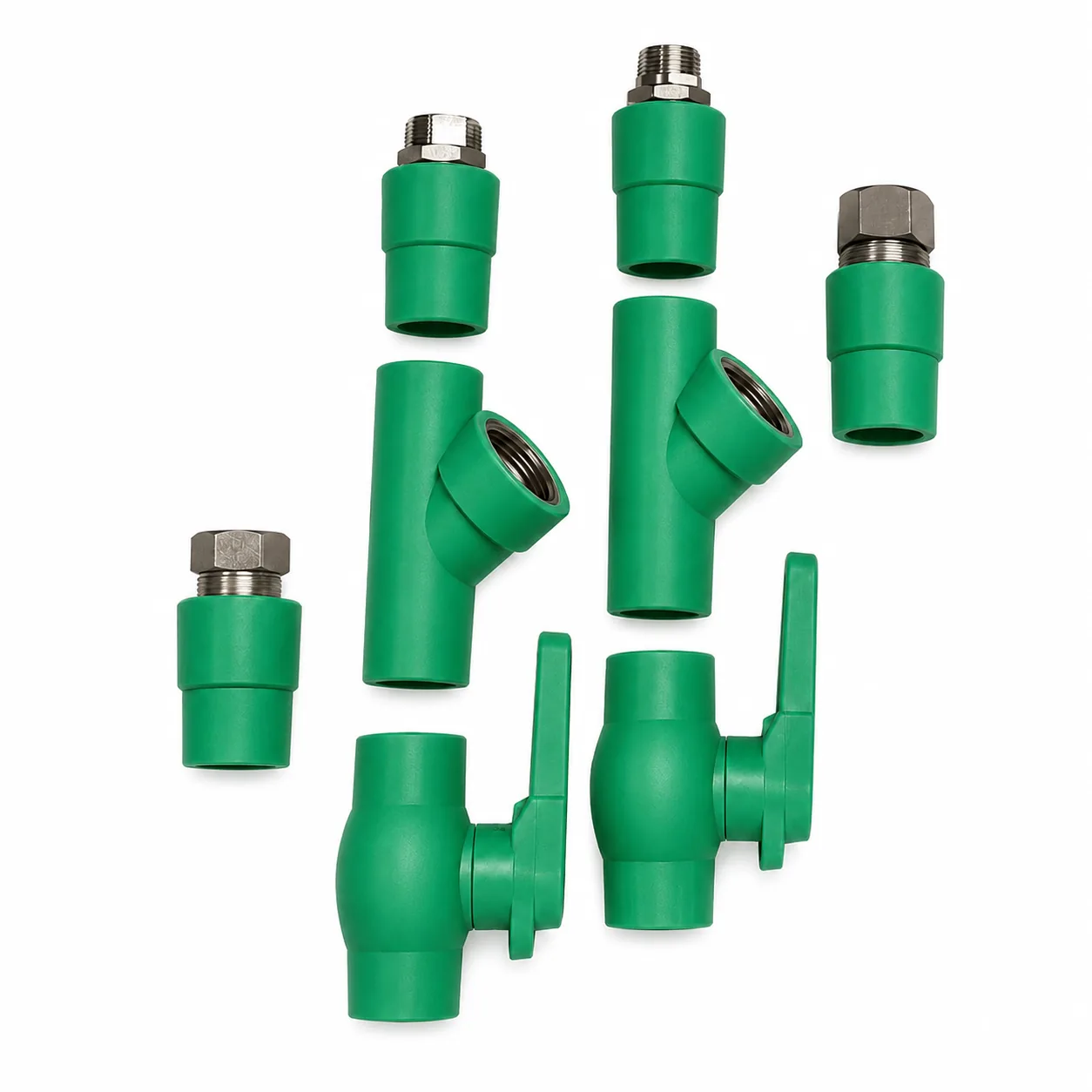
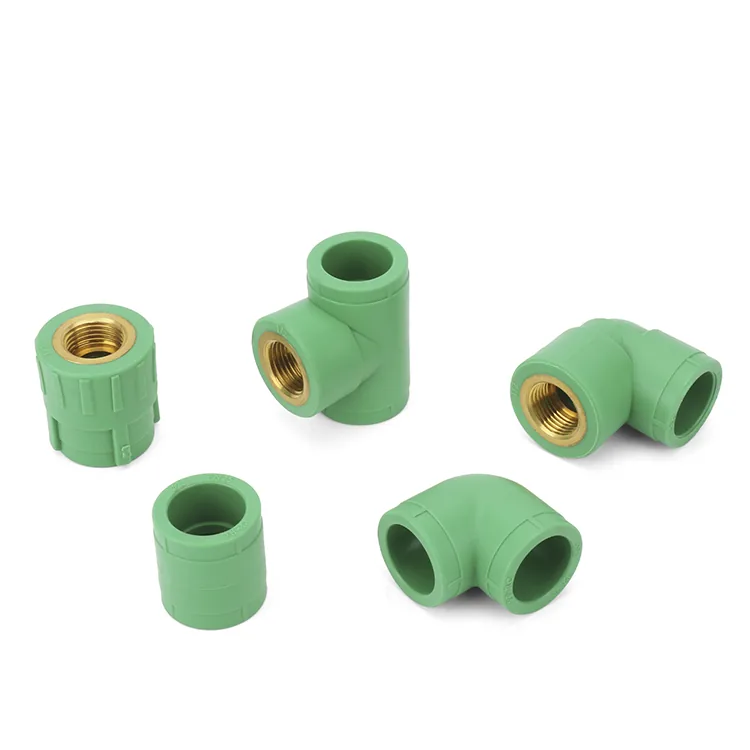
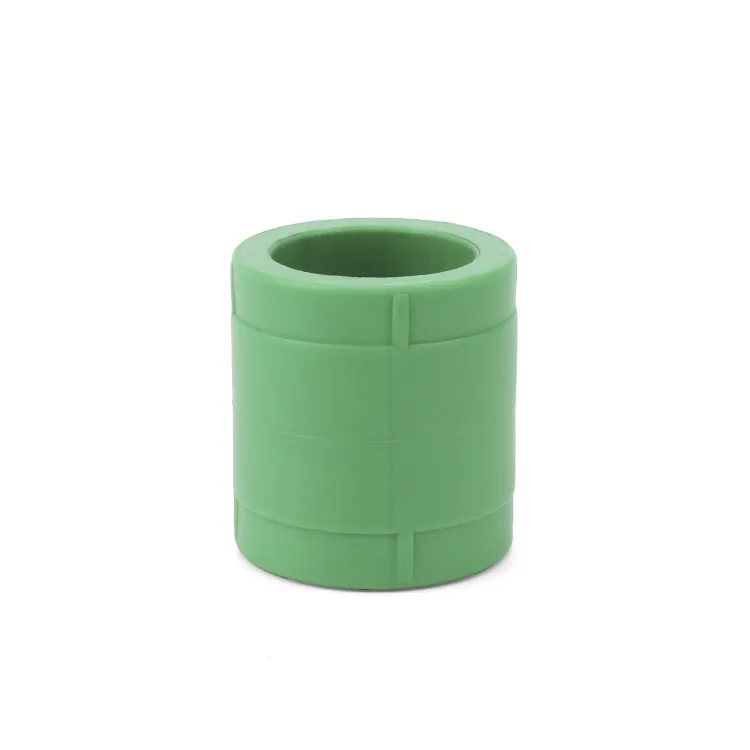
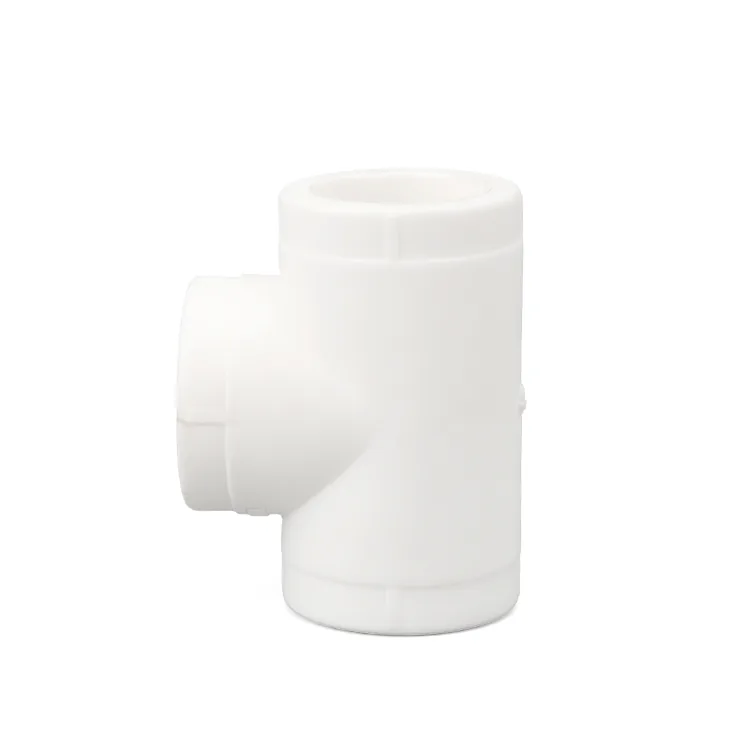
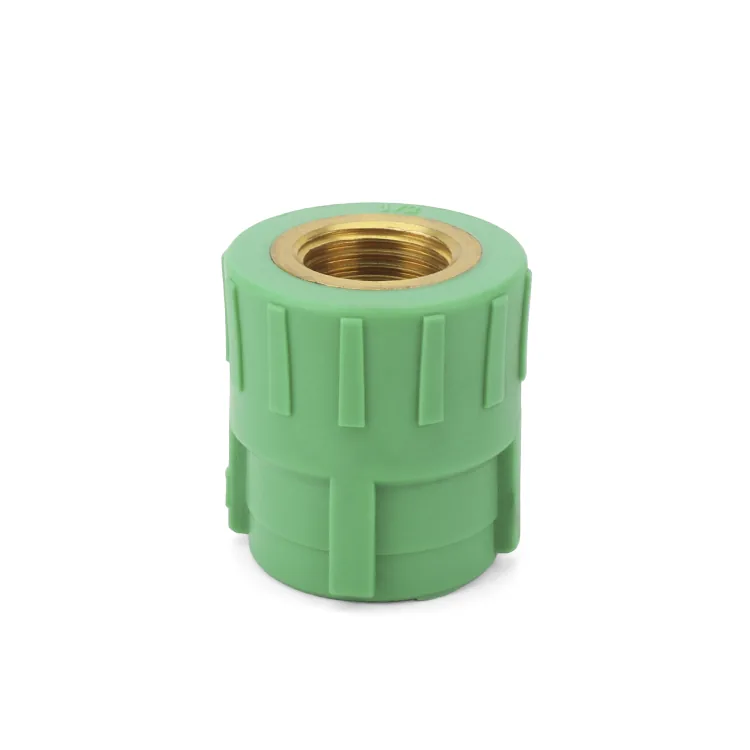
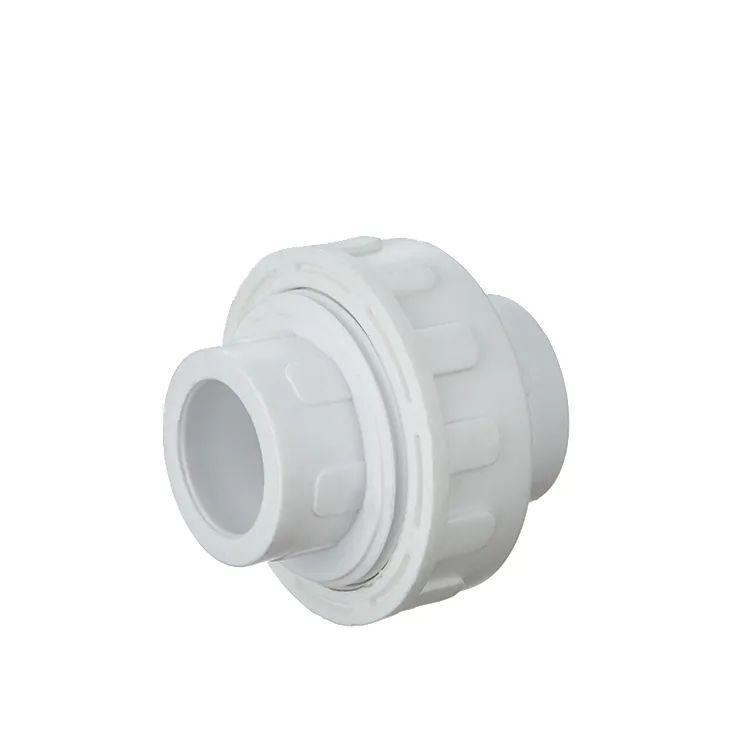
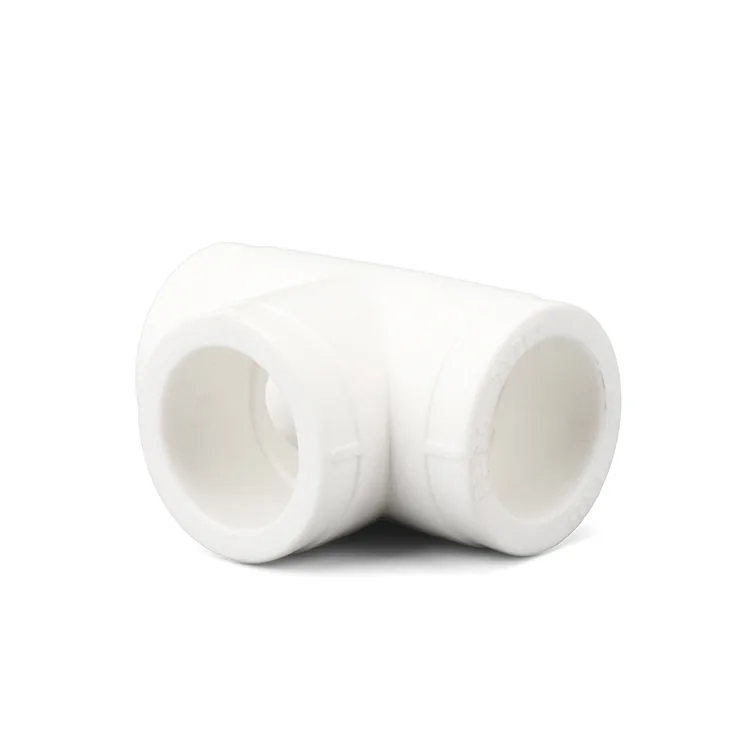
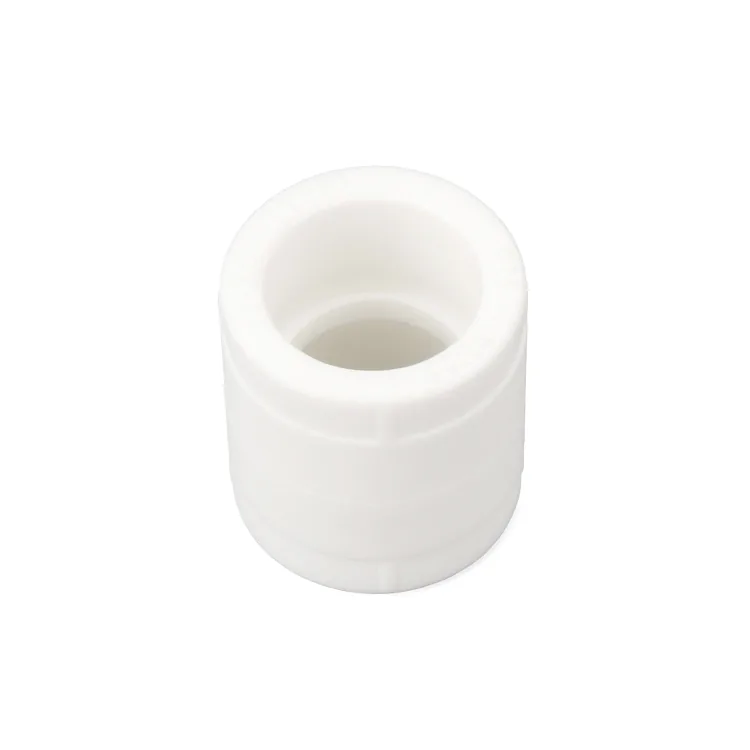
A pressure rating is only as good as the pipe that holds it. Bekaatherm produces the full PN20 and PN25 range in plain, aluminum-composite and fiberglass constructions, Green, White and Coffee series, from 100% high-grade raw material, on tooling drawn from 10,000 molds. Below: the pipe, fittings and applications the rating is chosen for.
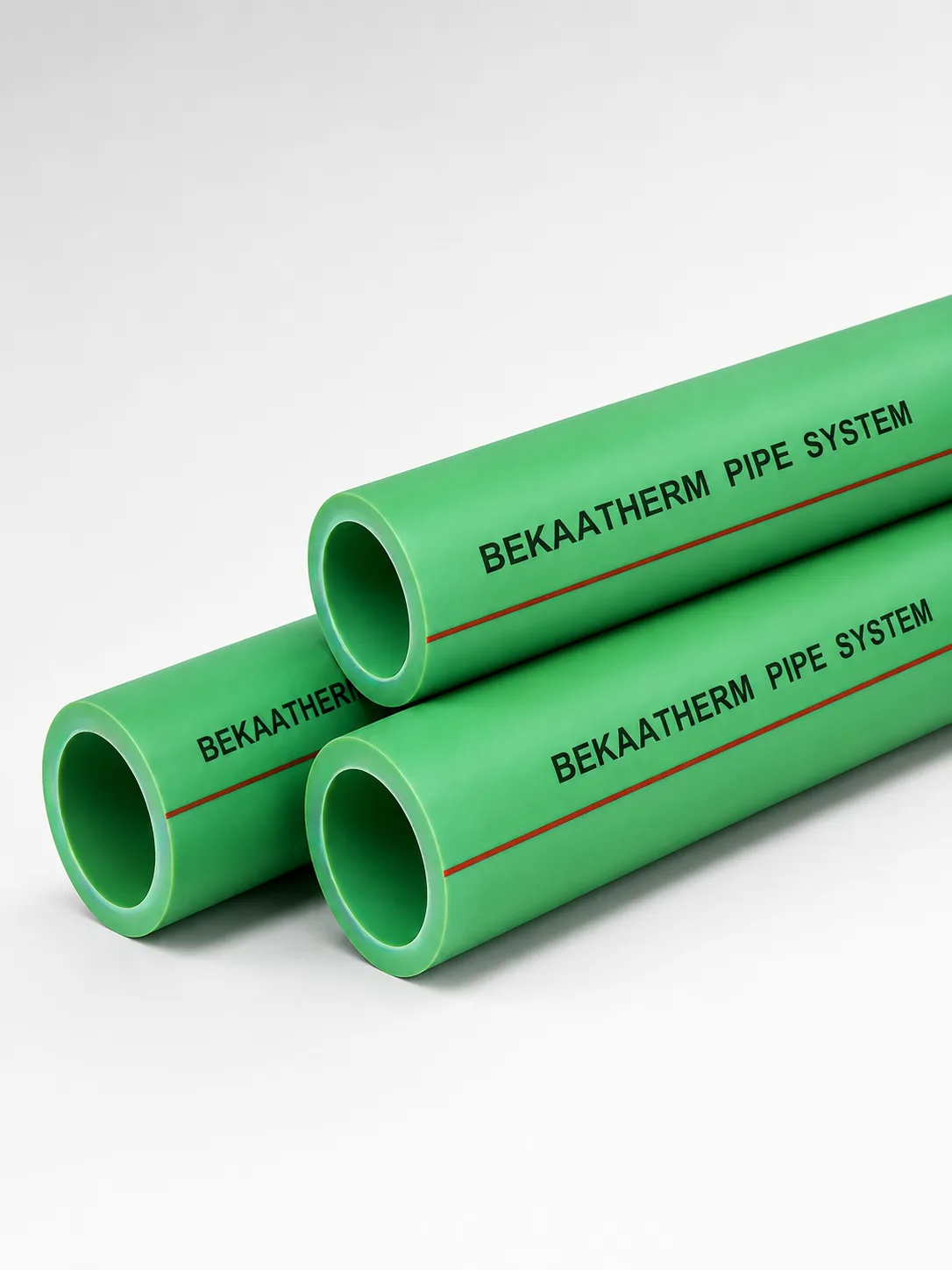
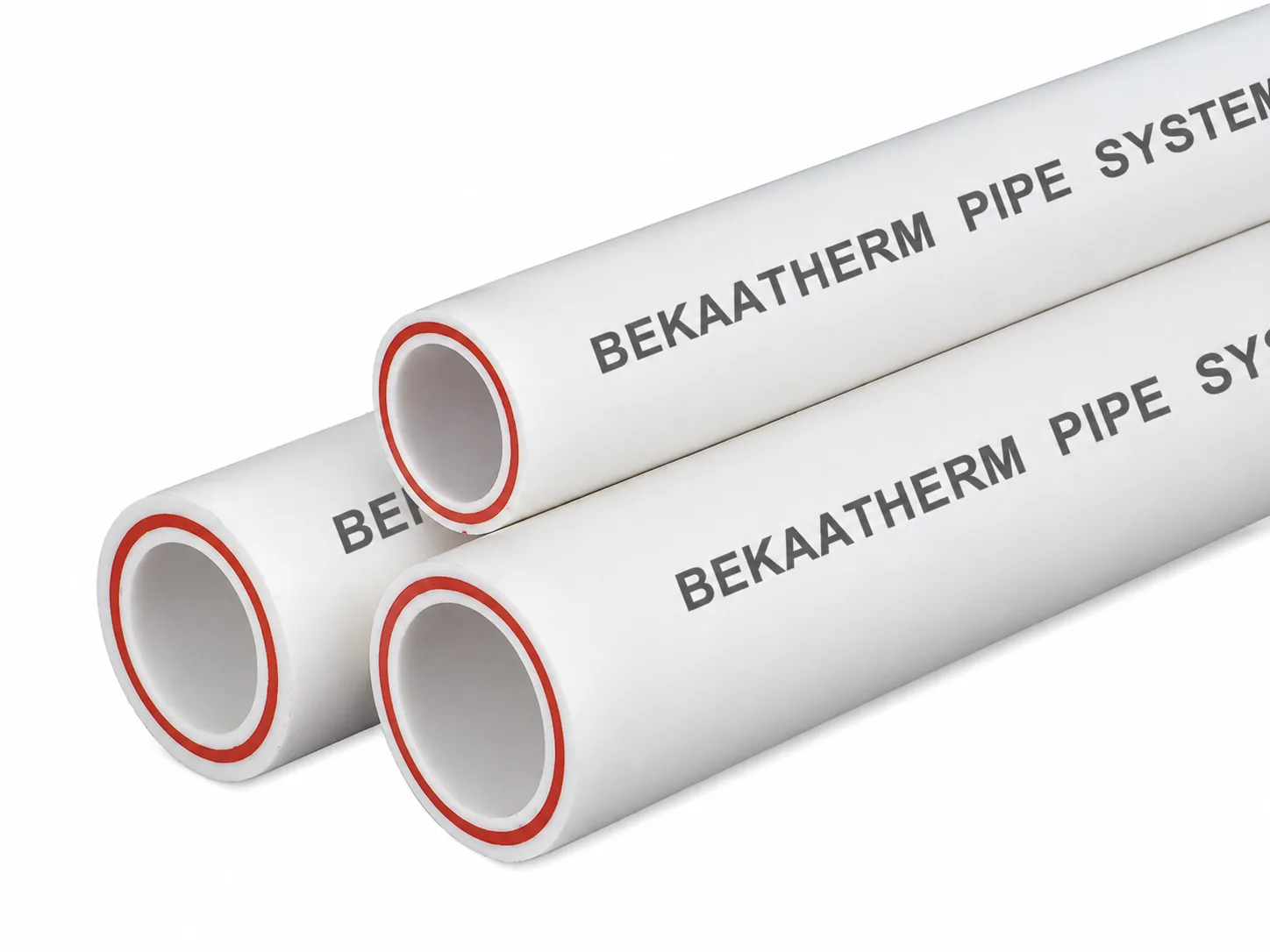
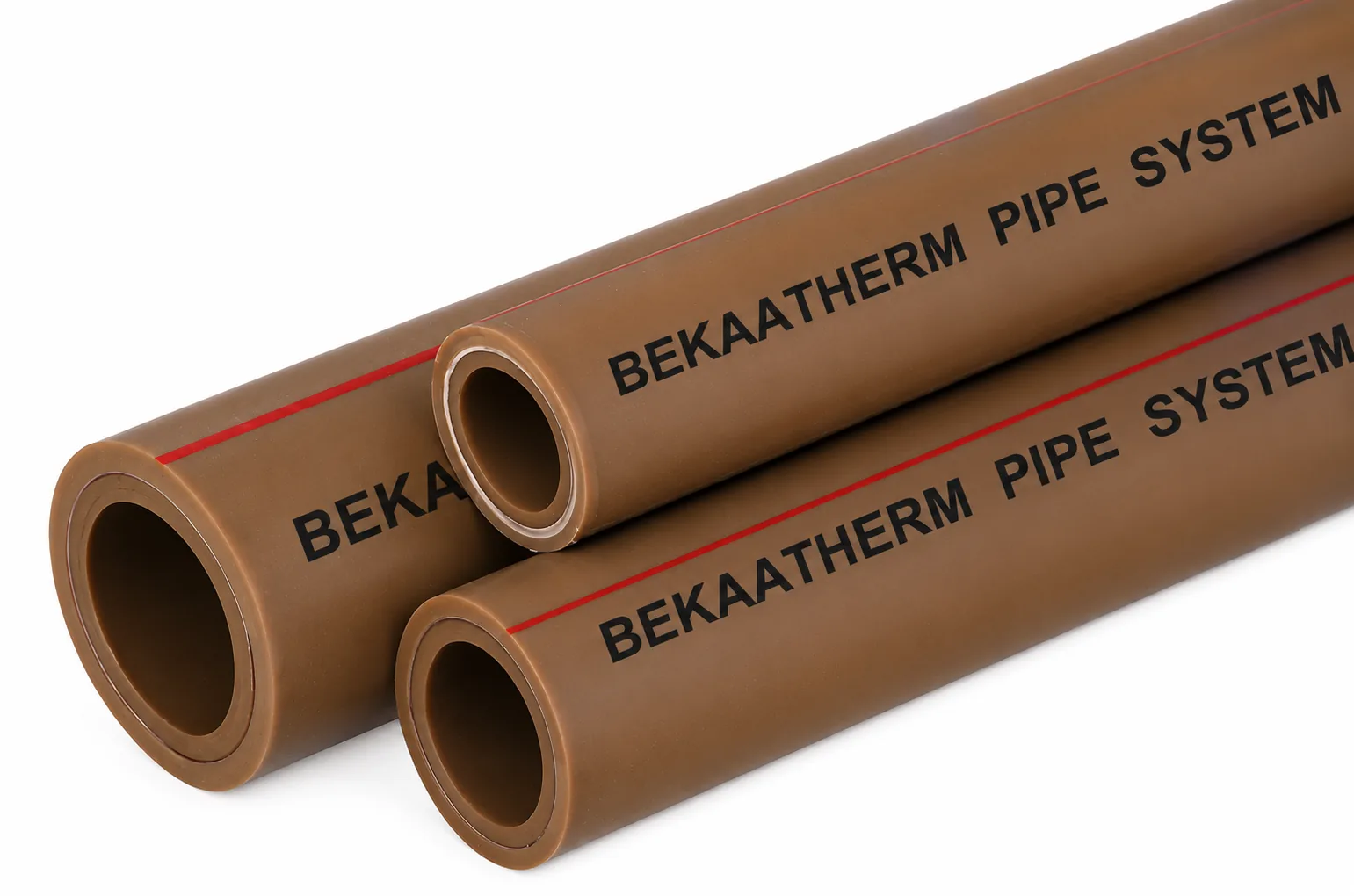
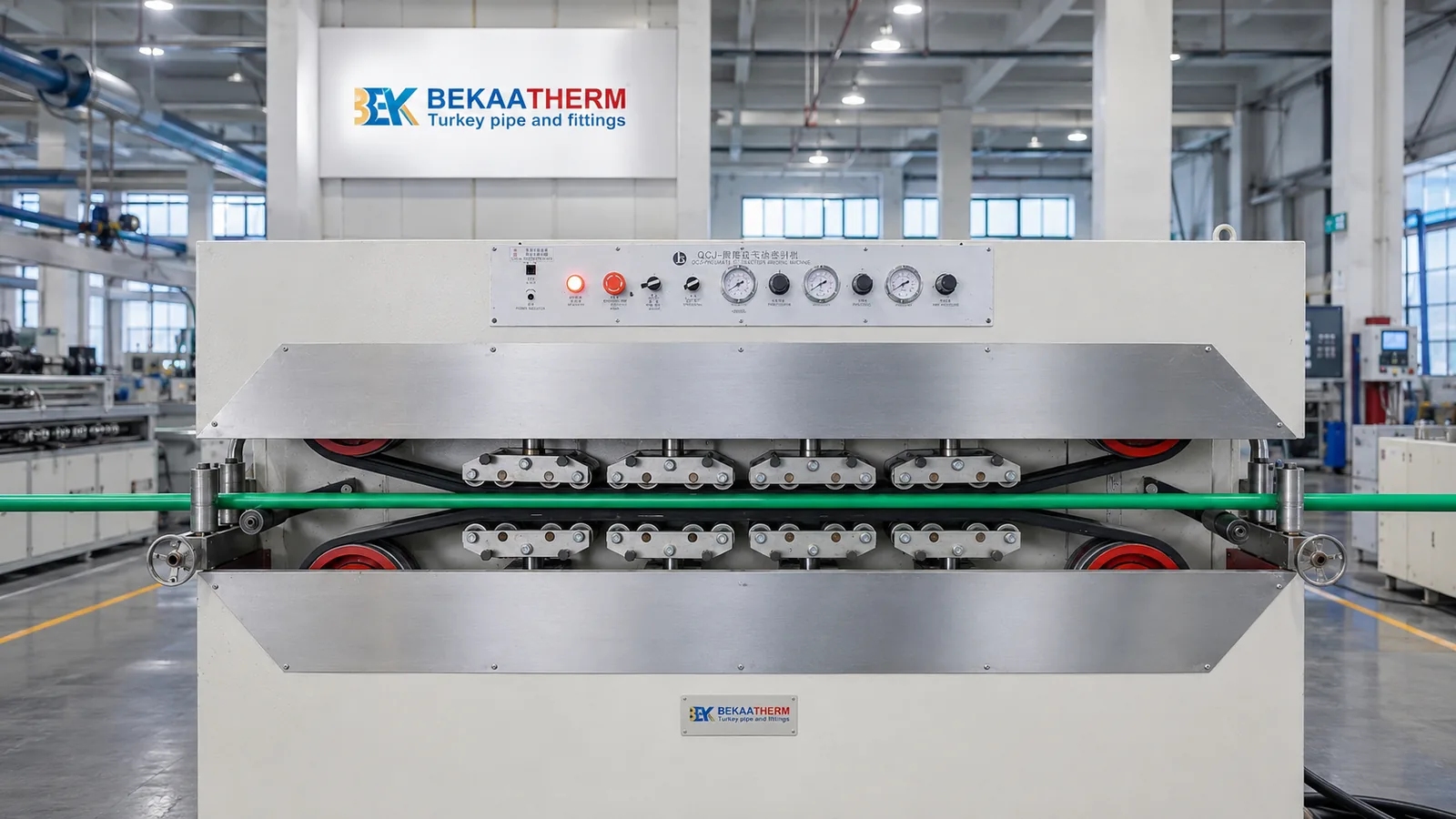
The right PN class shows up as a system that runs quietly and holds for decades. These are the four applications that drive the PN20-vs-PN25 decision most often, and where composite construction earns its place.
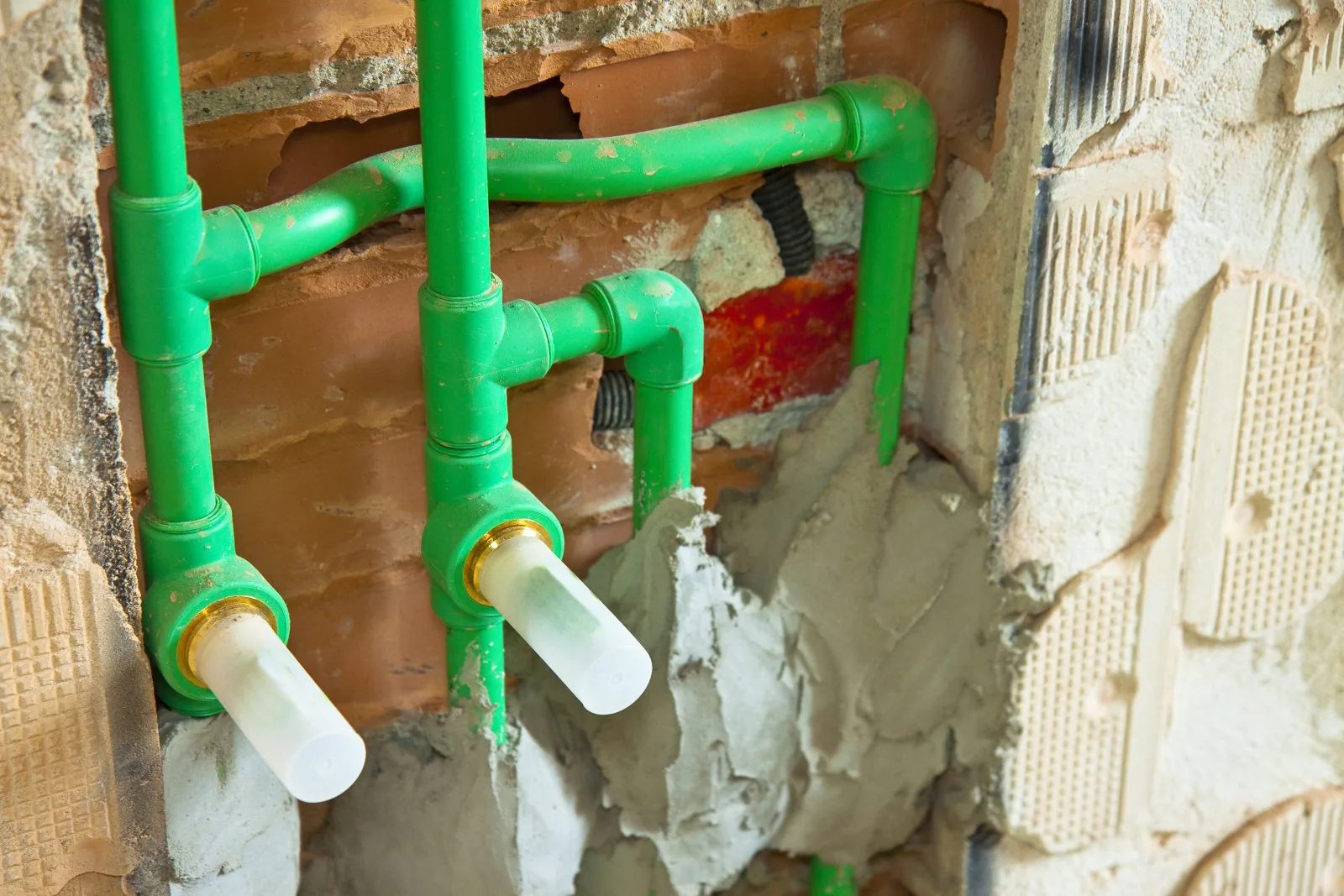
Domestic risers and distribution, PN20 is the workhorse; step to PN25 where pressure or temperature margin is tight.

Continuous hot service, PN25, ideally fiberglass or aluminum-composite for low expansion and an oxygen barrier.
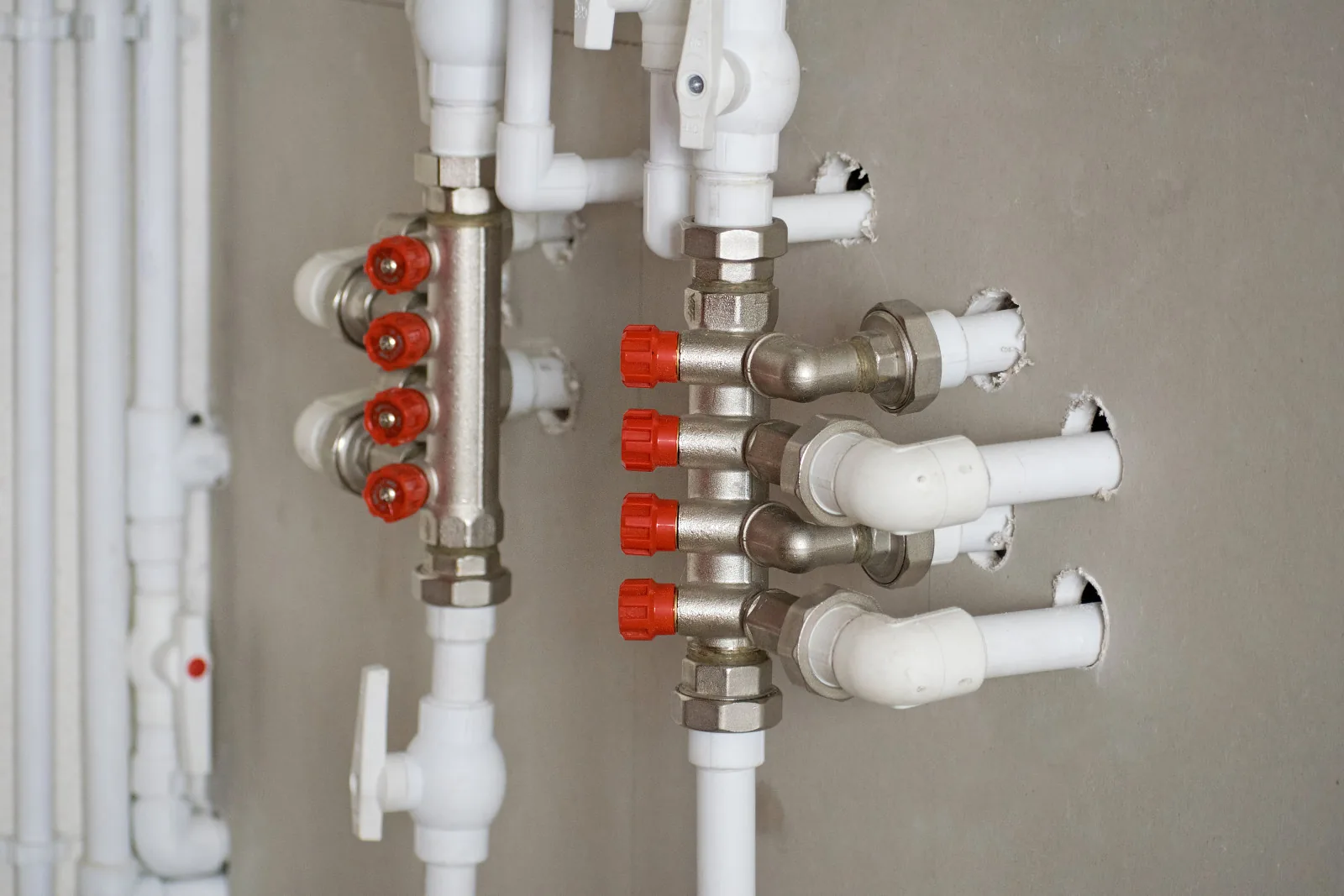
Long embedded runs off a manifold, PN25 aluminum-composite for temperature stability and minimal creep.
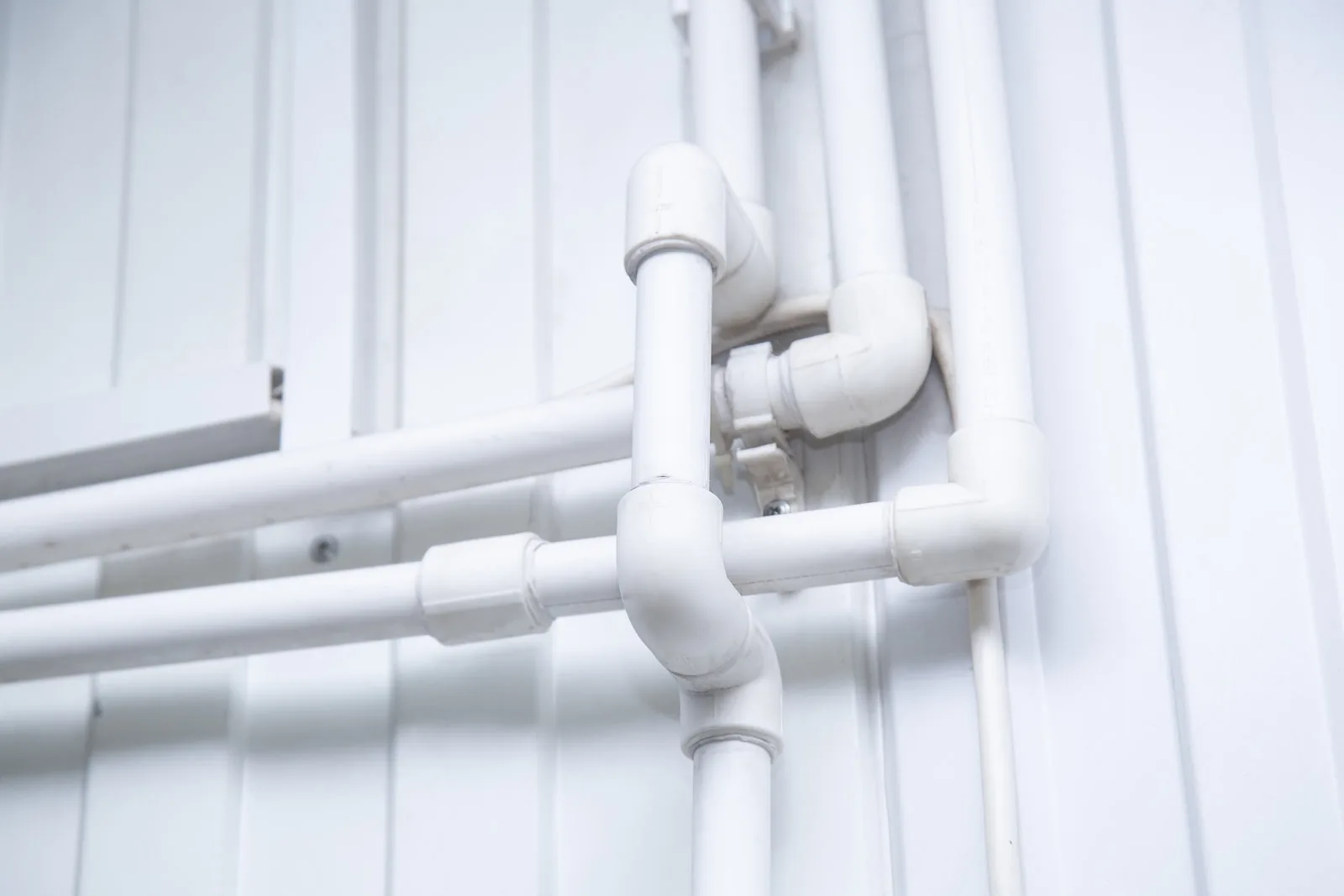
High-temperature primaries and hot risers, PN25 composite handles peaks a plain PN20 line would derate below.
Understanding PN is one thing, sourcing pipe that actually holds its rating is another. Bekaatherm has manufactured PPR, PEX and PE piping systems for 30+ years and exports to 118+ countries from a 120,000 m² facility with 1,000+ staff and 10,000 molds. We produce PPR in both PN20 and PN25 across 20–63mm, in plain, aluminum-composite and fiberglass-composite constructions, from 100% high-grade raw material, certified to German SKZ, ISO 15874, CE and WRAS.
| Manufacturing experience | 30+ years (PPR / PEX / PE) |
| PN classes produced | PN20 & PN25, 20–63mm |
| Constructions | Plain · AL-composite · fiberglass |
| Colour series | Green · White · Coffee |
| Raw material | 100% high-grade PP-R |
| Certifications | SKZ · ISO 15874 · CE · WRAS |
| Certificate numbers | Available on request |
| Facility / staff / molds | 120,000 m² · 1,000+ · 10,000 |
| Export reach | 118+ countries |
| MOQ / lead time | Low MOQ, available on request |
| OEM & private label | Supported; regional exclusivity on request |
Manufacturing PPR / PEX / PE piping systems.
Both classes, 20–63mm, plain, AL-composite & fiberglass.
SKZ (Germany), ISO 15874, CE & WRAS. Certificate no. on request.
Countries served from a 120,000 m² facility.
SKZ is described in our catalogue as the strictest certification in the piping industry, verifying both product quality and production. Certificate numbers and copies are available on request.
For the Contractor: PN is nominal pressure in bar at a reference temperature. PN25 is rated higher and, at the same outer diameter, has a thicker wall and lower SDR than PN20, for example, 63mm goes from an 8.6mm wall (PN20) to 10.5mm (PN25) in plain PP-R. PN20 covers general hot and cold water; PN25 adds margin for continuous high-temperature heating. Bekaatherm produces both in 20–63mm.
For the Solar & Underfloor Integrator: For domestic hot and cold water, PN20 is standard. For central heating, underfloor loops or solar circuits, hot and pressurised for years, specify PN25, ideally in a fiberglass or aluminum-composite construction for lower thermal expansion and an oxygen barrier. Always derate to your working temperature and design life.
For the Project Buyer: Higher PN means a thicker wall and a lower SDR (outer diameter ÷ wall thickness) at the same size, so a PN25 pipe has a slightly smaller bore than PN20 at the same OD. At 32mm, plain PP-R is 4.4mm wall (PN20) versus 5.4mm (PN25). Account for that bore when sizing flow. Our full 20–63mm wall table is published on this page and in the datasheet.
For the Sourcing Agent: No, PN is stated at a reference temperature. As service temperature and design life rise, allowable working pressure derates below the nominal PN. A PN25 pipe on continuous 60–70°C hot water carries well under 25 bar. Size against working temperature, not the printed number, and request our derating datasheet.
For the Distributor: PN16 is the lower pressure class, thinner wall, higher SDR, largest bore of the three. It suits cold-water, low-pressure distribution where there is no thermal load. Most projects standardise on PN20 for versatility, but PN16 can trim material cost on dedicated cold lines. Bekaatherm supplies PN16 on request; PN20 and PN25 are our standard stocked classes.
For the Project Buyer: At PN25 the wall thickness converges across constructions, so the choice is driven by thermal expansion and oxygen barrier, not pressure. Plain PP-R is fine for hot/cold water; aluminum-composite gives the lowest expansion and an oxygen barrier for heating and underfloor; fiberglass composite reduces expansion without a metal layer, a strong pick for hot risers. We produce all three in PN20 and PN25.
Plain, aluminum-composite and fiberglass PPR for hot & cold water and heating.
Explore PPR pipes
The construction decision behind PN25 heating loops, expansion, oxygen barrier and cost.
Compare constructionsComposite PPR for high-temperature, long-service loops, pressure and temperature stability.
See heating selectionThis guide is one spoke in our PPR specifications cluster. Follow the links to size, construction, welding, standards and the product pages that turn a spec into an order.
Tell us your application, fluid temperature, working pressure and expected service life. Our export team will confirm the right PN class (PN20 or PN25), recommend plain or composite construction, and send a quote, with the datasheet so you can verify before you commit.
Explore next: PPR Pipes · Projects & Contractors · Solar & Underfloor · Back to Blog