Choosing a PPR pipe manufacturer is one of those decisions that looks like a price comparison and turns out to be a risk-control decision. The quote that wins on cents-per-metre can lose you a container at customs, a whole building’s hot-water riser on-site, and a client relationship that took years to build. This guide turns “how do I know if a factory is any good?” from a vague worry into an eight-point standard you can run on your next supplier call, with a pressure-rating table, a real size chart, and a red-flag list you can print and take to the factory floor.
It is written for the people who carry the risk: the importer stocking a range for a whole market, the sourcing agent who has to defend the shortlist to an overseas client, the project buyer whose PN rating has to survive a plumbing inspector, and the first-time buyer who has never had to ask a factory for a mould count. If you are any of those, the sections below move in order, cost, checklist, red flags, why Türkiye, the specs you actually need to quote, and the terms that keep you credible on the first call.
What a Bad PPR Pipe Manufacturer Actually Costs You
PPR failures are catastrophic and delayed, the invoice looks fine, the problem shows up months later. A pipe rated below its stamped PN cracks under hot-water pressure and floods a finished floor. A supplier missing WRAS or CE gets your container held at a regulated-market port. A “factory” that turns out to be a trading company back-orders you in peak season and you eat the late-delivery penalty. And recycled resin turns a 30-year service life into a 3-year liability. Choosing a PPR pipe manufacturer is a risk-control decision, not a price comparison, so verify against evidence.
The trap is that all four of these failures are invisible on a sample. A recycled-resin pipe and a 100% prime-material pipe look identical in a photo and feel identical in your hand. The difference only appears after the fusion joint has been under 70 °C water for a year, or when a customs officer asks for the WRAS certificate you assumed the factory had. That is why every checkpoint in this guide is about evidence you can hold before the money is on the water, not a promise, not a photo, but a certificate number, a floor area, a test report, a country count.
| Failure mode | Where it hits you | What to verify upfront |
|---|---|---|
| PN pressure under-rated | Burst risers, building rework | PN20/PN25 test data, batch consistency |
| Certifications incomplete | Customs hold, non-compliant project | SKZ / ISO / CE / WRAS on request |
| “Factory” is a trader | Backorders, price markup, no control | Floor area, staff, mould count |
| Recycled / low-grade resin | 30-yr life → early failure | 100% prime-material declaration |
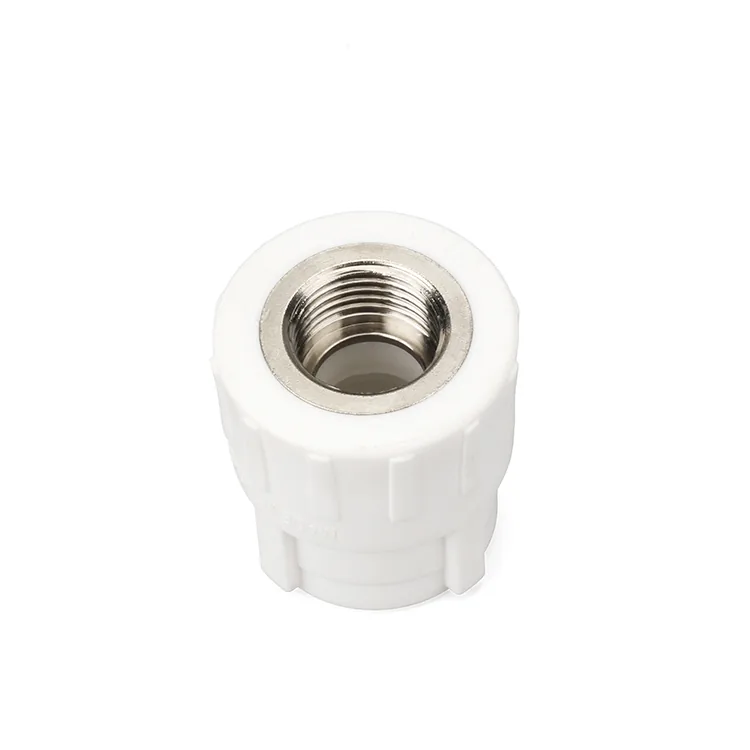
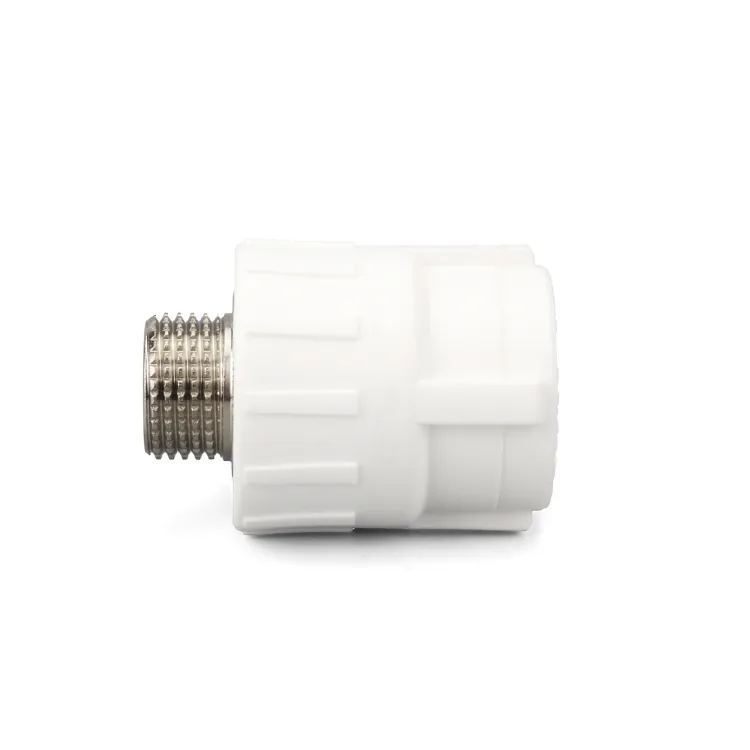
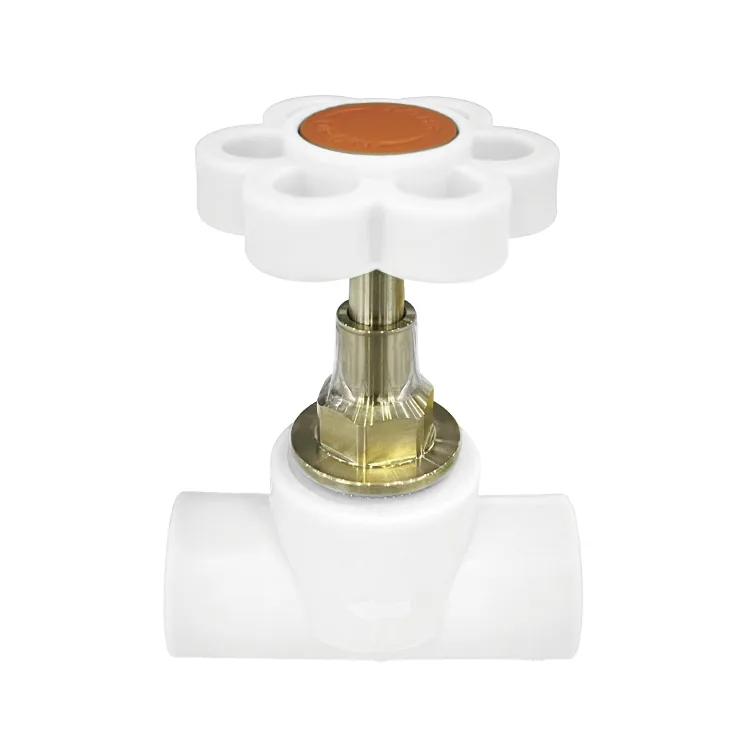
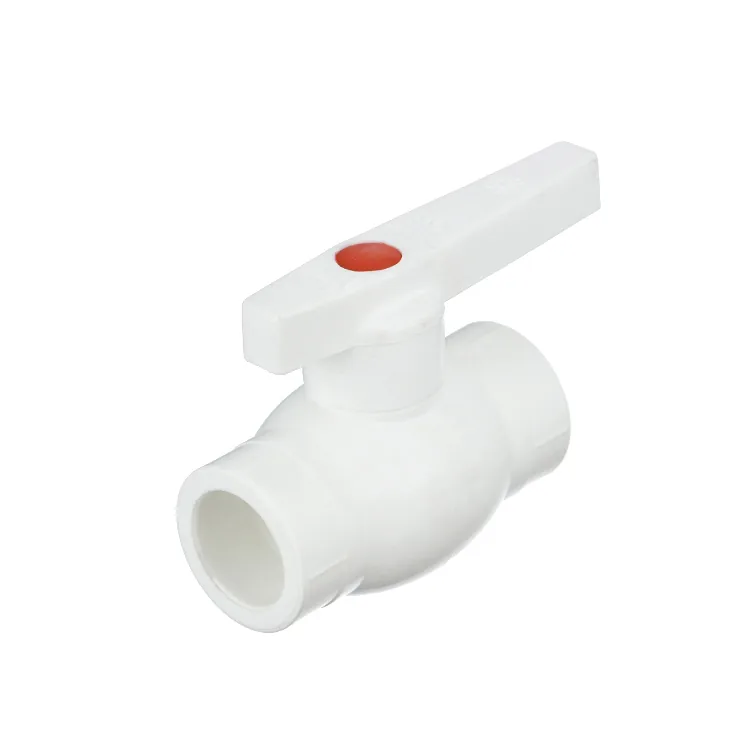
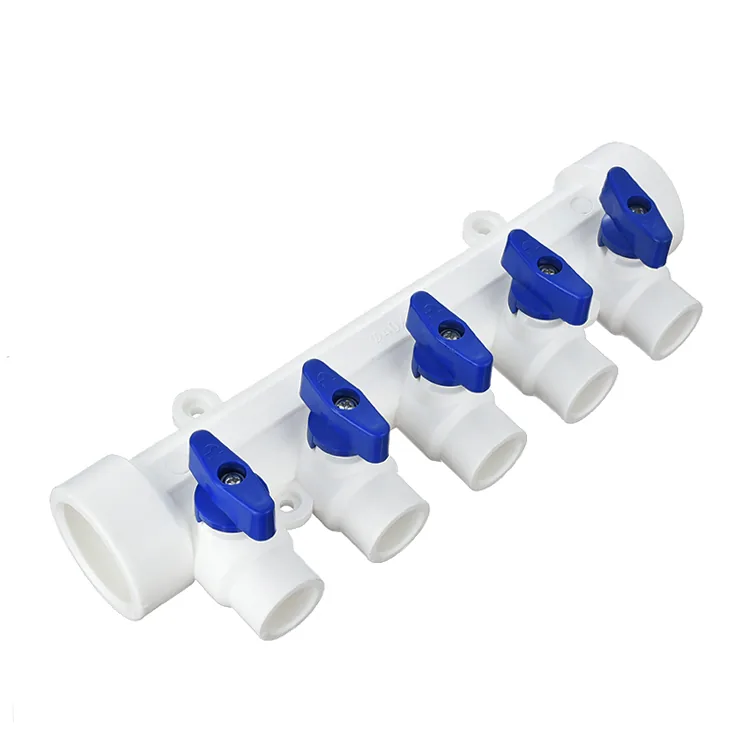
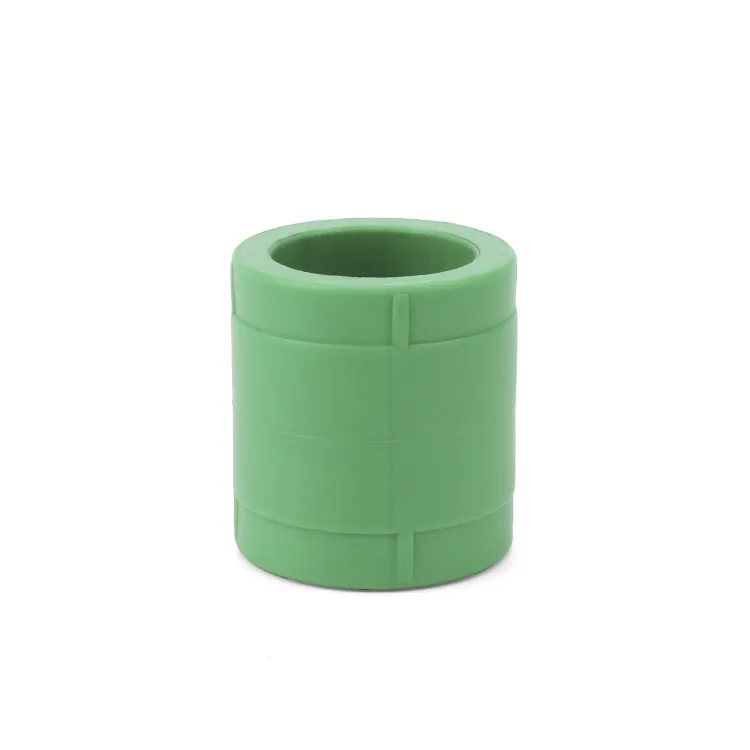
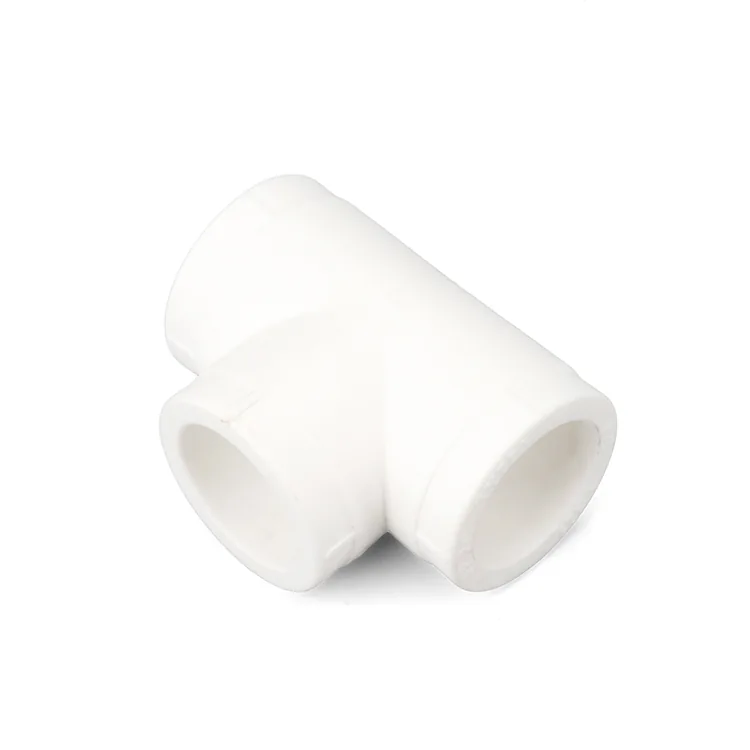
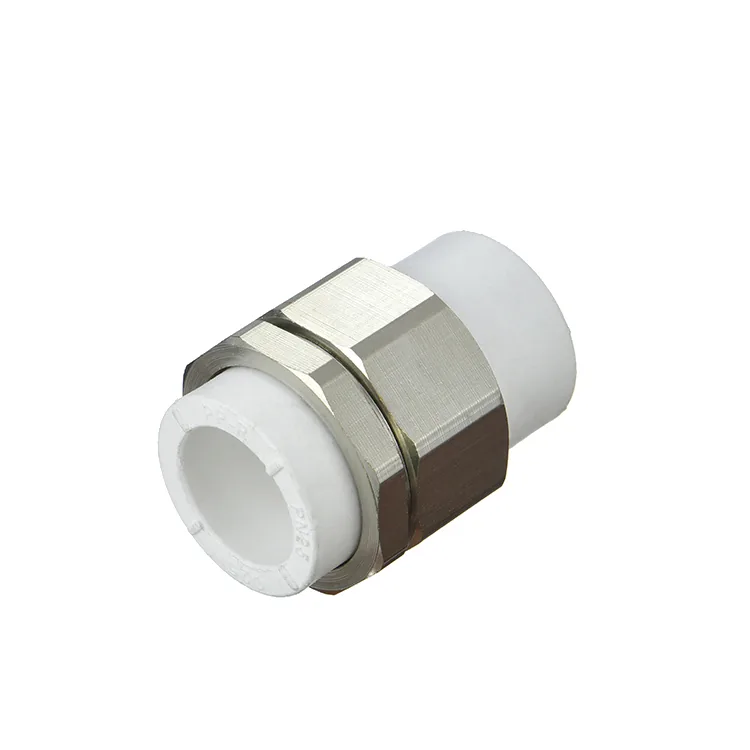
| No fittings or valves in-house | Multi-supplier sourcing, colour mismatch | Pipe + fittings + valves from one line |
Skip the risk, get a certified quote
The 8-Point Checklist to Vet Any PPR Pipe Manufacturer
Run every shortlisted supplier through these eight checks. A serious PPR pipe manufacturer clears all eight and hands you evidence on request; a weak one deflects on two or more. This is the checklist we packaged as a printable supplier-audit sheet, use it on your next factory call, and treat every “we’ll send that later” as a data point, not an accident.
| # | Checkpoint | What to ask for / verify | Why it matters |
|---|---|---|---|
| 1 | Certifications | SKZ (Germany), ISO, CE, WRAS, certificate numbers on request | SKZ supervises production, not just one sample, signals batch consistency |
| 2 | Pressure rating (PN) | PN20 / PN25 test data; hot & cold water rating | Under-rated pipe bursts under heating pressure |
| 3 | Real production capacity | Floor area, employee count, mould count | Separates a true factory from a trading company |
| 4 | Export experience | Number of countries served, export docs, incoterms | Proves customs & compliance know-how |
| 5 | OEM / private label | Custom color, logo, packaging capability | Lets brands own the range, not resell someone else’s |
| 6 | Exclusive distribution | Territory exclusivity terms | Protects your market from parallel imports |
| 7 | Technical documents | Datasheets, PN tables, size charts (mm/inch) | Needed for tenders, approvals, installer training |
| 8 | Reorder & stock reliability | Lead time, in-stock range, replenishment terms | Prevents peak-season backorders |
How to actually run each checkpoint on a call
The table tells you what to verify; here is how to make a supplier prove it in one conversation, so nothing hides behind a friendly reply.
- Certifications (1), ask for certificate numbers today, not “after the order”. A real SKZ/CE/WRAS holder can forward the scan in minutes; a reseller stalls.
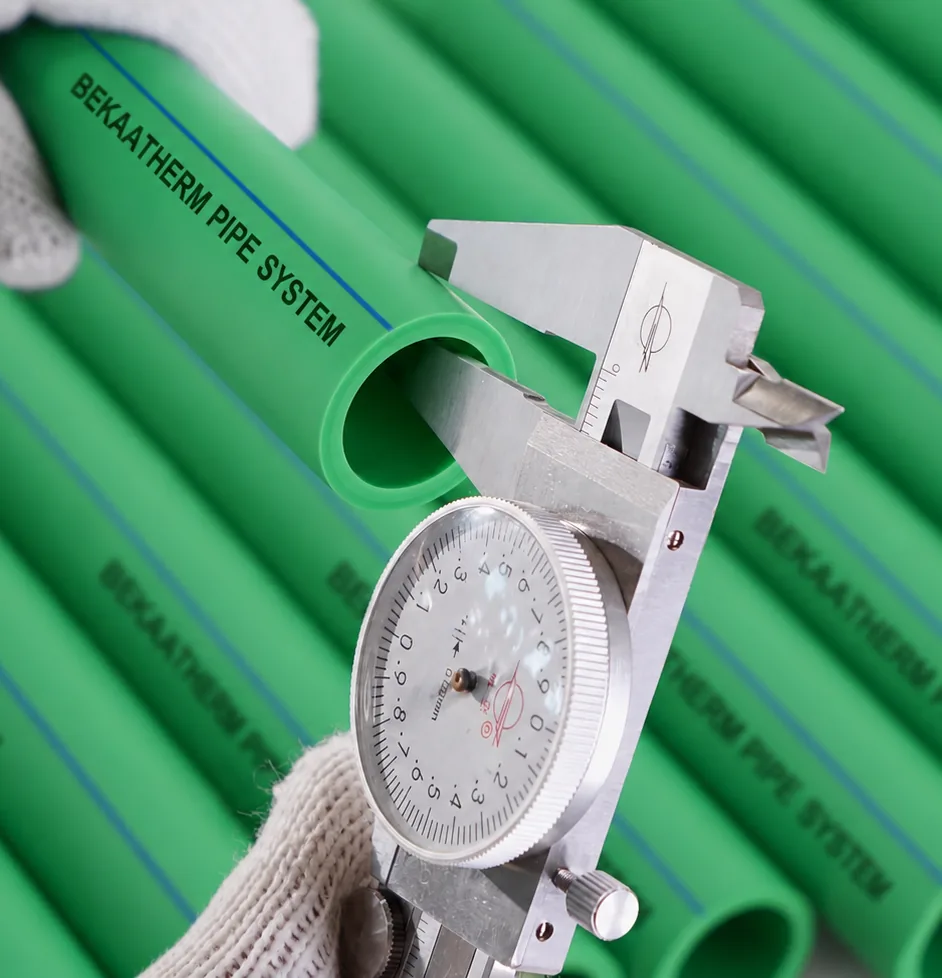
- Pressure (2), ask for the PN20 and PN25 wall-thickness table by diameter. Vague answers here mean the pipe is being run thin to save resin.
- Capacity (3), ask for floor area in m², headcount, and mould count. Traders change the subject; factories quote the numbers from memory.
- Export (4), ask how many countries they ship to and which incoterms they quote. Customs literacy is not something you can fake mid-shipment.
- OEM (5), ask whether colour, logo print and carton artwork are done in-house. Outsourced branding adds cost, lead time and a quality gap.
- Full system (6–8), ask if pipe, fittings and valves come off the same line in the same colour, and how fast a reorder ships. One factory, one colour batch, one lead time.
How Bekaatherm scores against the eight checks
The evidence you’re asking every shortlisted factory to produce is already on the table here:
- Certifications, SKZ (Germany), ISO 15874, CE, WRAS; certificates available on request.
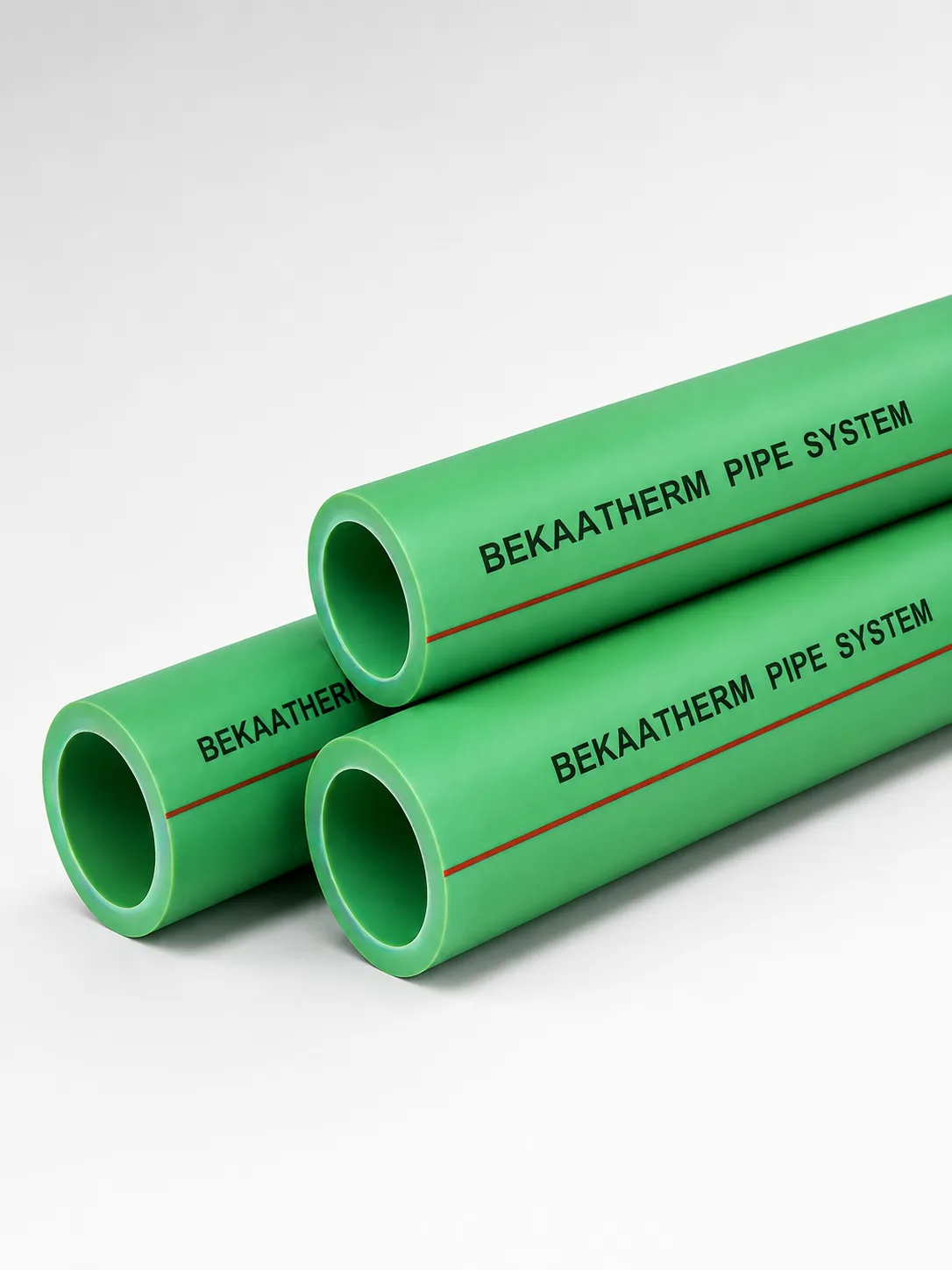
- Pressure, PPR PN20 & PN25; PPR-AL-PPR and fiber-glass composite for hot & cold water.
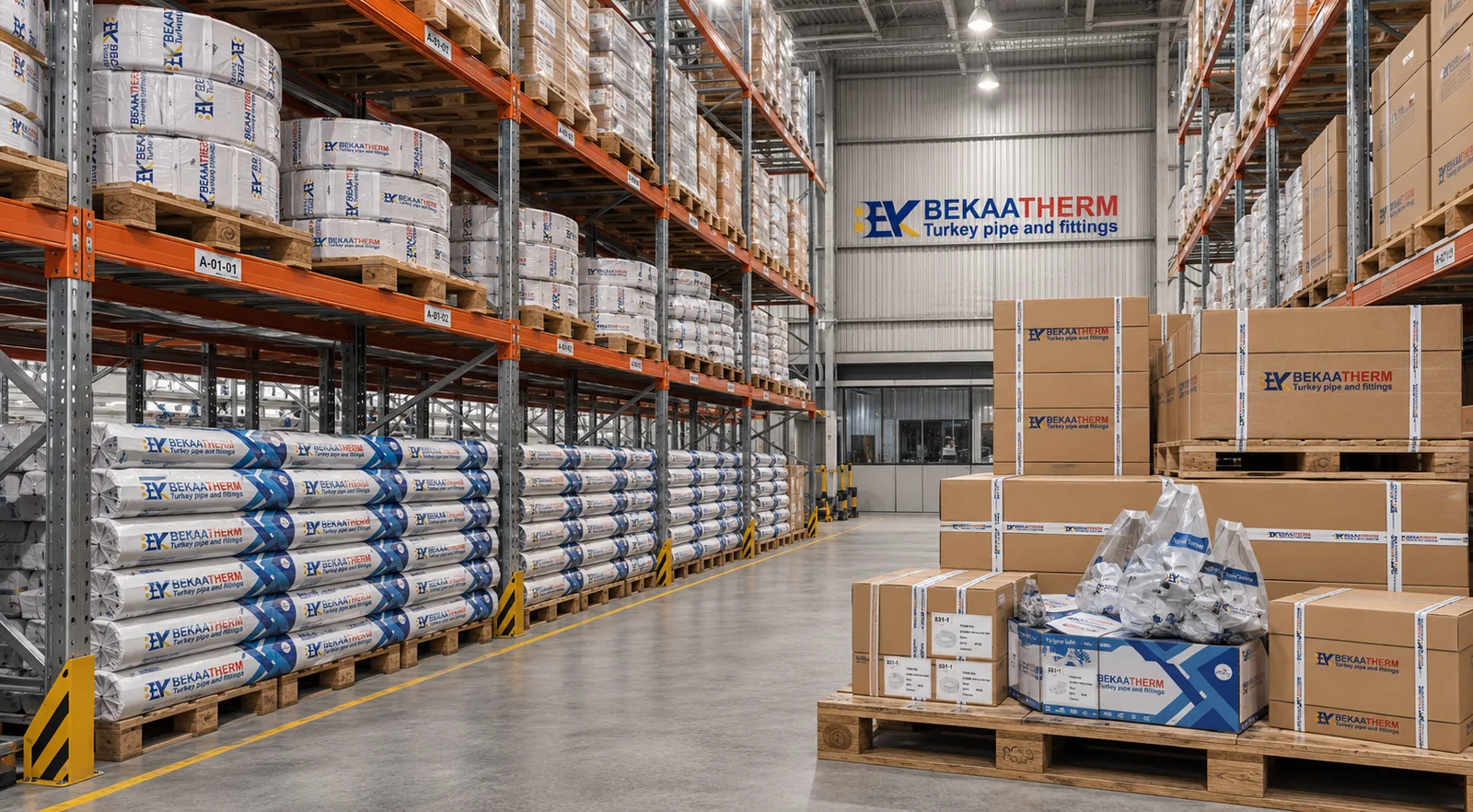
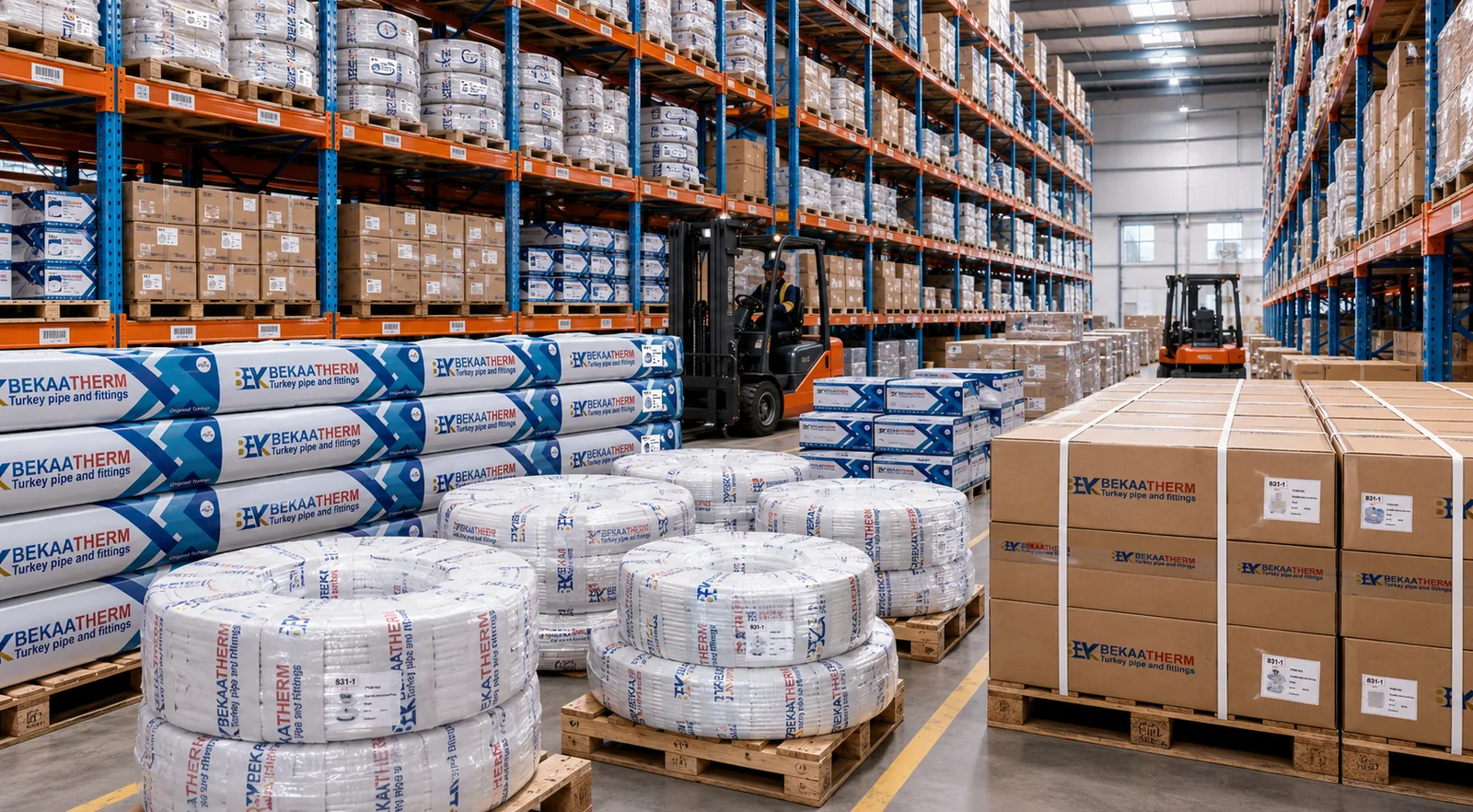
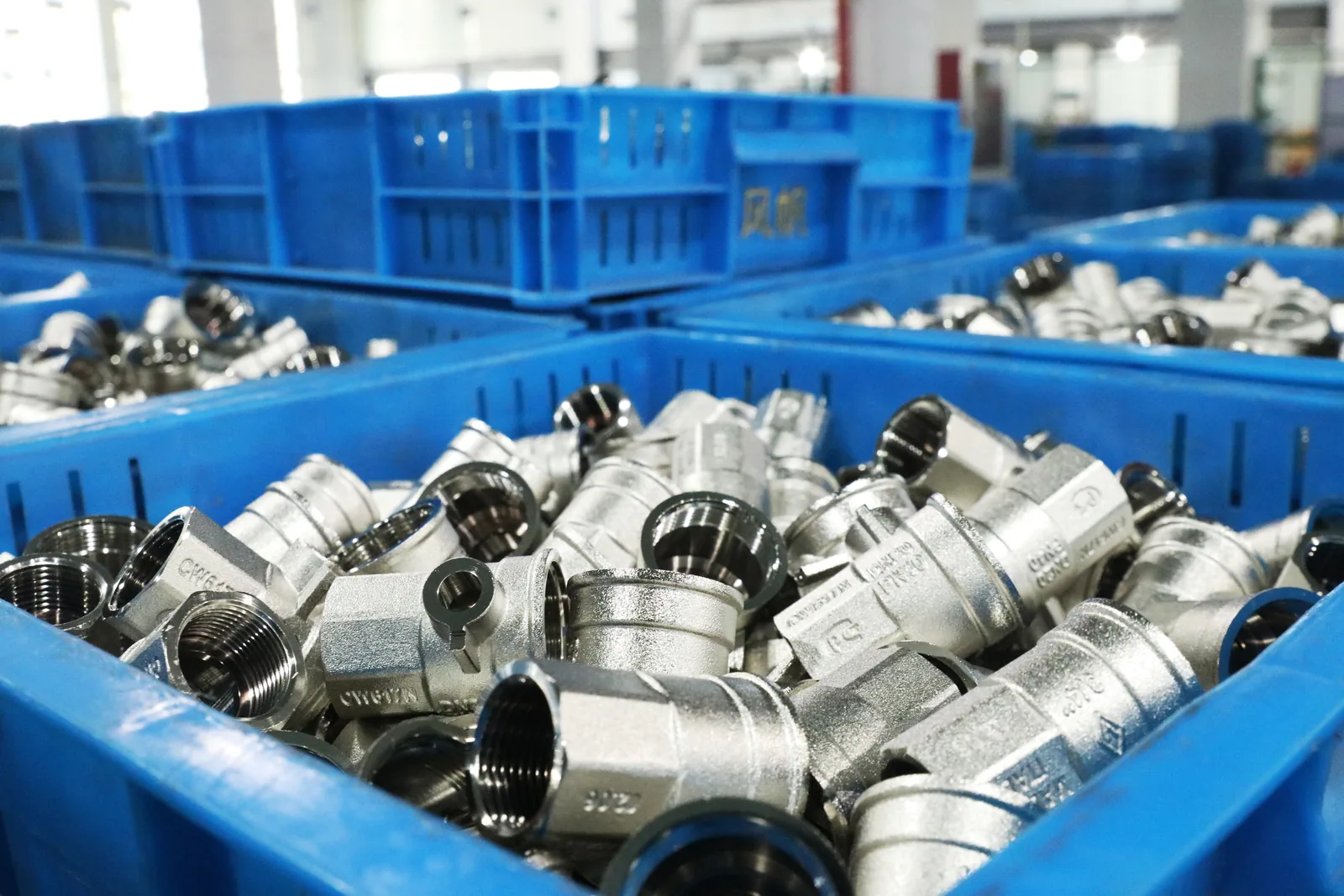
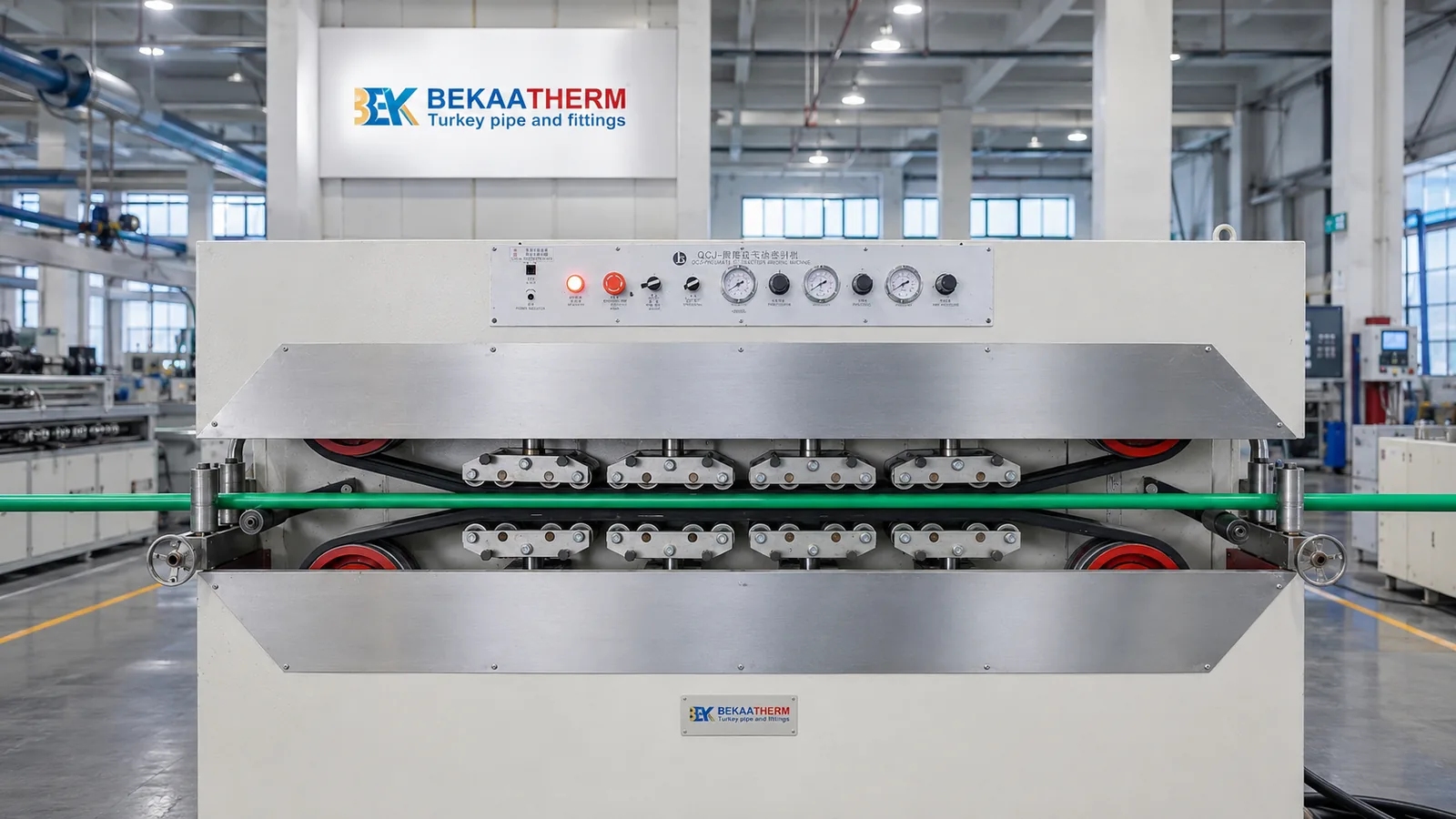
- Real capacity, 120,000 m² plant · 1000+ employees · 10,000 moulds · 100% prime material.
- Export experience, 118+ countries · international trade team · 24-hour support.
- OEM / private label, custom color, logo & packaging; detail available on request.
- Technical documents, PN tables and 20–63 mm size charts in metric & imperial.
See our SKZ / ISO / CE / WRAS credentials
6 Red Flags That Mean “Walk Away”
The fastest way to shortlist a PPR pipe manufacturer is to eliminate the wrong ones. These six red flags separate a real factory from a reseller or a corner-cutter. If a supplier hits two or more, stop the sample process and move on, the risk shows up after your money is on the water, when it is too late and too expensive to switch.
| Red flag | What it usually means | The question that exposes it |
|---|---|---|
| “Certificates coming later” | No real SKZ/CE/WRAS | “Can you send the certificate numbers today?” |
| Won’t state floor area or staff | Trading company, not a factory | “What’s your plant size and mould count?” |
| Vague on PN test data | Under-rated or inconsistent pipe | “Show me PN20/PN25 test reports.” |
| No export references | Never handled customs | “How many countries do you export to?” |
| No datasheets in English | Weak technical support | “Send your PN table and size chart.” |
| Only one product, no fittings | Can’t supply a full system | “Do you make pipe, fittings and valves in-house?” |