A spec sheet is a fragment of your contract. If a number is missing from the catalogue, it is missing from the deal — and the factory decides it for you later.
Seven numbers decide whether the pipe that lands at your port is the pipe you specified. Most HDPE catalogues print three of them. This page walks each number in the order a real document set carries it: what it means, what a genuine catalogue must show, what a thin one leaves out, and the exact line to write on your purchase order.
Key Takeaways
- PN is not a property of the pipe. It is an output of PE grade, SDR and a design coefficient. A PN figure with no grade and no temperature next to it is decoration.
- The formula is public: MOP = (20 × MRS) / (C × (SDR − 1)). For water, the minimum recommended design coefficient C is 1.25; for gas it is 2.0. You can audit any supplier’s table in ten seconds.
- Colour is normative, not branding. ISO 4427-2:2019 Clause 6.2 reserves blue and black-with-blue-stripes for water for human consumption, and yellow/orange for gas under the ISO 4437 series.
- Recycled content is banned outright. Clause 5.3: “Reprocessed material obtained from external sources and recycled material shall not be used.” That is the clause to quote when an offer looks impossibly cheap.
- Two 2026 changes matter now. EN 12201-1/-2 were revised in 2024 (many catalogues still print the 2011 editions), and the EU Drinking Water Directive positive lists apply from 31 December 2026.
- Every number above is dated at 20 °C. ISO 4427-2:2019 applies up to 25 bar with 20 °C as the reference temperature; guidance for other temperatures sits in ISO 4427-1:2019, Annex A.
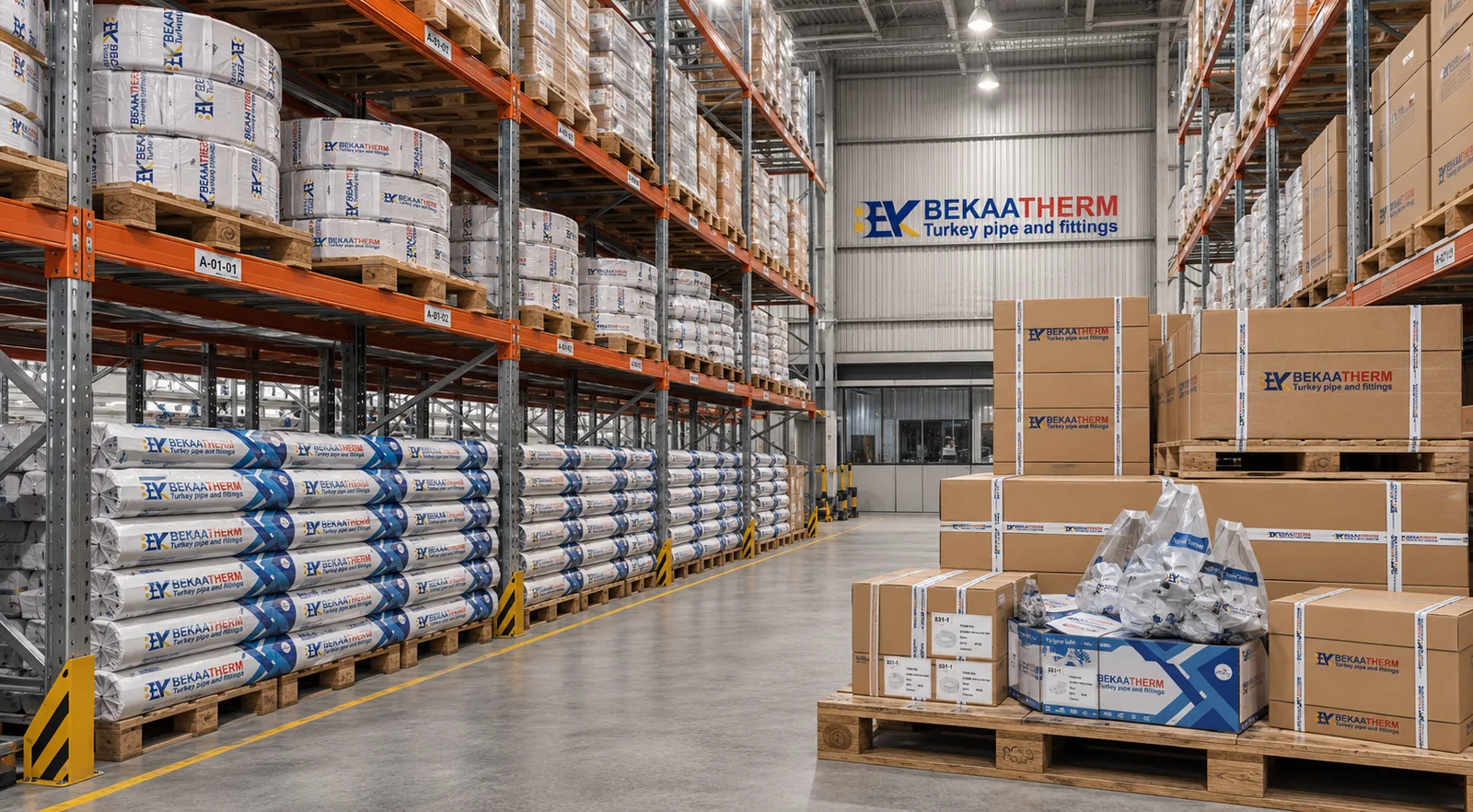
Number 1: The PE grade — where the 50-year claim actually comes from
PE80 and PE100 are not marketing tiers. They are minimum required strength (MRS) classes, measured in megapascals: PE63 carries MRS 6.3 MPa, PE80 carries 8.0 MPa, and both PE100 and PE100-RC carry 10.0 MPa. The classification itself runs under ISO 12162.
That MRS figure is where “50-year life” comes from, and the derivation matters more than the slogan. MRS is produced by regression analysis under ISO 9080 on long-term pressure test data, extrapolated to predict the minimum strength at 20 °C over a 50-year design lifetime. So the 50 years is a statistical extrapolation at a stated temperature — not a promise that any given pipe survives five decades in any ground condition.
Grade drives price, which makes substitution the most common quiet downgrade in this category. Swap PE100 for PE80 at the same SDR and the rating drops by a fifth. The pipe looks identical on the pallet.
PE100-RC: the one claim worth testing
PE100-RC is PE100 with higher resistance to slow crack growth — RC stands for “resistant to cracking”. It exists for trenchless installation and for bedding without a sand surround, where point loads on the pipe wall would eventually start a crack in ordinary PE100.
Here is the part most catalogues omit. RC status rests on supplementary testing: ISO 18488 for strain hardening modulus, ISO 18489 for slow crack growth under cyclic loading, ISO 16770 for environmental stress crack resistance, and ISO 13479 for the notched pipe test. The notched pipe threshold is the tell — more than 8 760 hours for PE100-RC against more than 500 hours for conventional PE100. That is a full year of testing versus about three weeks.
If a catalogue prints “PE100-RC” and cannot produce a notched pipe test result behind it, treat the suffix as unpaid-for. Ask for the compound producer’s data sheet, not the pipe maker’s brochure.
Number 2: SDR — the ratio that sets the wall
SDR is the standard dimension ratio: nominal outside diameter divided by nominal wall thickness, or SDR = dn / en. A lower SDR means a thicker wall relative to diameter, which buys a higher pressure rating and costs you more kilograms per metre.
The common core of the series you will see quoted under ISO 4427 is SDR 9, 11, 13.6, 17, 21 and 26. Suppliers list slightly different ends of the range — some show SDR 6 and 7.4 at the heavy end, some show 17.6, 33 and 41. Rather than reprint a table you cannot defend, cite the source: the full mapping between PN, MRS, S and SDR sits in Annex C of ISO 4427-2:2019. Annex C is informative rather than normative, which is worth knowing if you are drafting a specification — you cite it to explain a number, not to impose one.
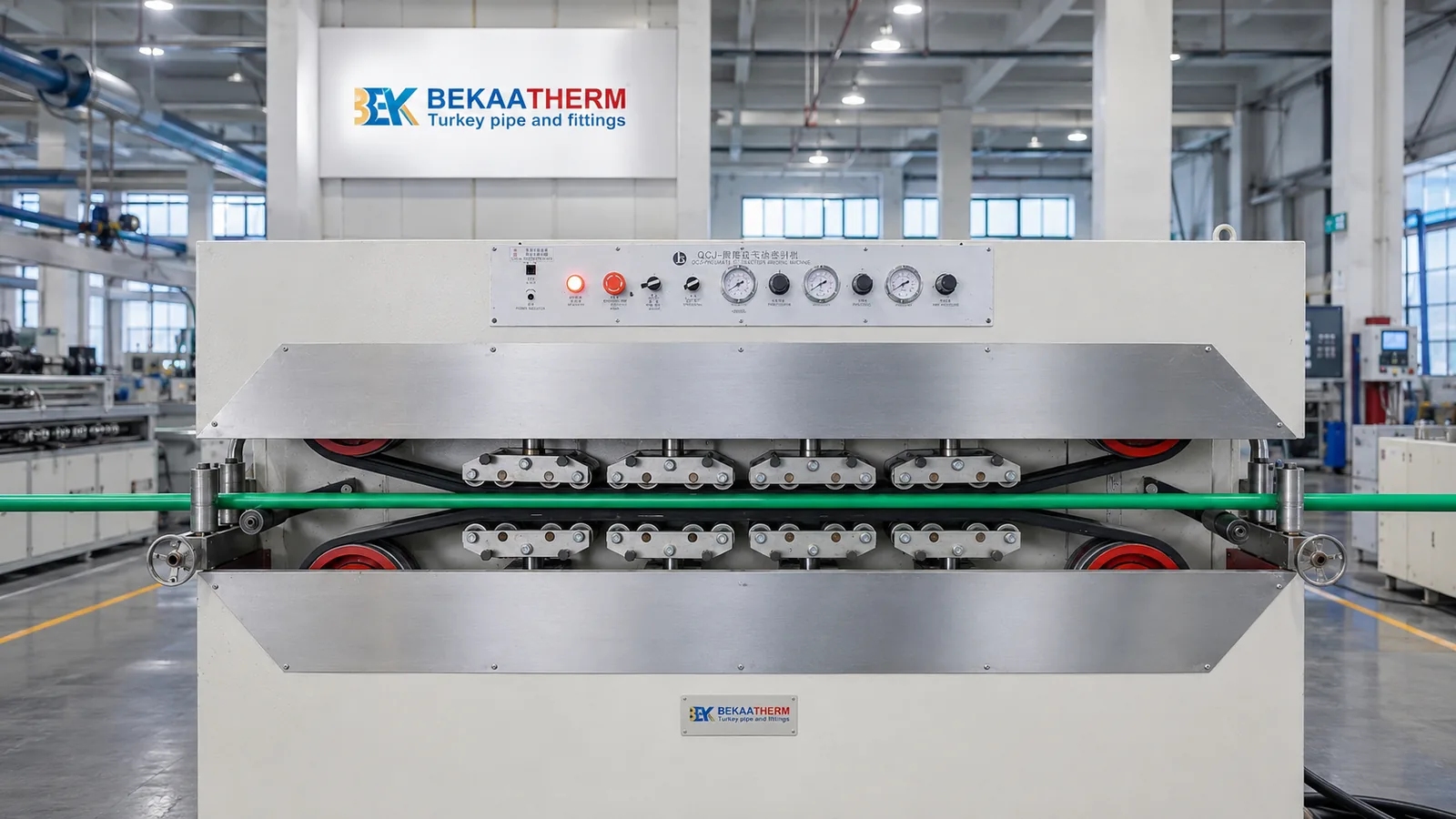
Number 3: PN — an output, never an input
This is the number buyers quote in enquiries and the number that causes the most disputes. PN is the maximum operating pressure in bar, and it is calculated:
MOP = (20 × MRS) / (C × (SDR − 1))
MRS in MPa, MOP in bar. C is the design coefficient (safety factor).
C is not a constant you get to choose freely. For water applications the minimum recommended service design coefficient is 1.25. For gas it is 2.0. That single difference is why the same physical pipe carries two different ratings depending on what runs through it, and why “PN16 pipe” means nothing until someone says water or gas.
Work it through for the most common line item in the category — PE100, SDR11, water:
| Step | Value | Where it comes from |
|---|---|---|
| MRS for PE100 | 10.0 MPa | ISO 12162 classification |
| Design coefficient C, water | 1.25 | Minimum recommended for water service |
| Design stress (MRS / C) | 8 MPa | 10 ÷ 1.25 |
| SDR − 1 | 10 | SDR11 − 1 |
| MOP | 16 bar | (20 × 10) ÷ (1.25 × 10) = 16 |
Now run the same SDR11 on PE80: (20 × 8) ÷ (1.25 × 10) = 12.8 bar. Same dimensions, same weight, same appearance — a 20% lower rating. If a quote says “SDR11 PN16” and the material line is blank, you have no way to know which of those two pipes is being offered. That blank is the single most expensive omission in HDPE procurement.
The temperature footnote nobody reads
Every PN figure discussed above is stated at one temperature. ISO 4427-2:2019 applies to PE pipes intended for use at a maximum allowable operating pressure up to and including 25 bar, with 20 °C as the reference temperature. Above that, ratings come down.
We are deliberately not printing a derating table here. Published derating factors vary between sources and we could not verify a single authoritative set, so quoting one would be guesswork dressed as data. The standard tells you where to look: guidance for other operating temperatures is given in ISO 4427-1:2019, Annex A. For a surface-laid irrigation main in a Gulf summer, that annex is not optional reading — and your consulting engineer, not your supplier, should own that calculation.
Number 4: Colour — a constraint, not a brand decision
Private-label buyers regularly ask for a house colour. Usually the answer has to be no, and the reason is normative. ISO 4427-2:2019 Clause 6.2 states plainly: “Blue pipes or black pipes with blue stripes are intended for the conveyance of water for human consumption only.”
The rest of the clause is just as prescriptive. Pipes for drainage and sewerage under pressure shall be black, or black with brown stripes, or according to national preference. For above-ground installations, components in colours other than black should be protected from direct UV light. And the note that catches people out: “Yellow and orange colours are only used for gas applications, in accordance with the ISO 4437 series.”
So a distributor asking for orange potable-water pipe to match their corporate identity is asking for pipe that a site inspector may reject on sight, in a colour that signals gas. Branding lives on the print line and the packaging. It does not live in the pipe body colour.
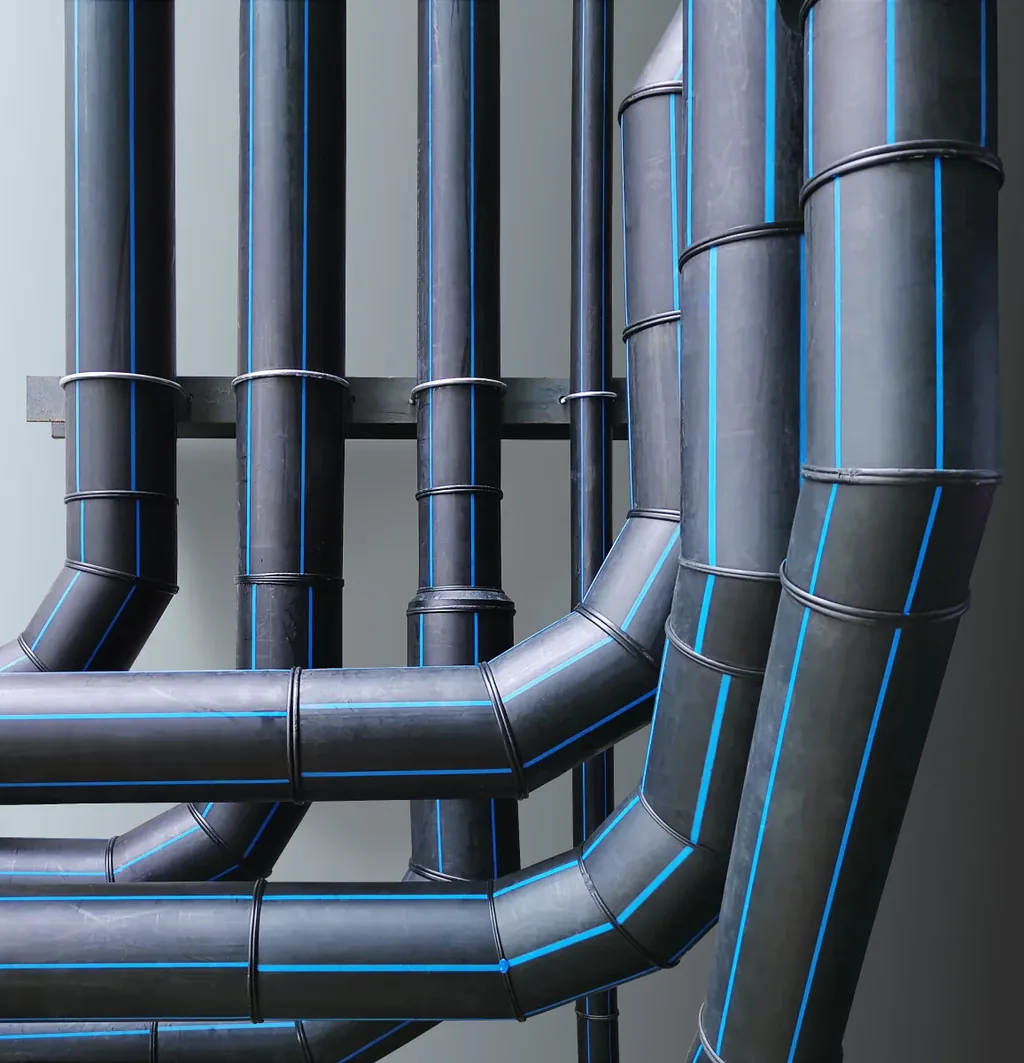
Number 5: Dimensional tolerance — the number that decides if fittings fit
Diameter tolerance is where a cheap pipe reveals itself, because compression fittings and electrofusion couplers are unforgiving about ovality. ISO 4427-2:2019 Table 1 sets mean outside diameter and out-of-roundness limits. A few real values from that table:
| Nominal size DN/OD | dem min (mm) | dem max (mm) | Max out-of-roundness (mm) |
|---|---|---|---|
| 32 | 32.0 | 32.3 | 1.3 |
| 63 | 63.0 | 63.4 | 1.5 |
| 110 | 110.0 | 110.7 | 2.2 |
| 160 | 160.0 | 161.0 | 3.2 |
| 315 | 315.0 | 316.9 | 11.1 |
Values quoted from ISO 4427-2:2019, Table 1. Diameter tolerances follow ISO 11922-1:2018 grade B for sizes ≤ 630 and grade A for sizes ≥ 710; out-of-roundness follows grade N for sizes ≤ 800, measured at the point of manufacture.
Two operational details hide in that footnote. Ovality is measured at the point of manufacture — a coil that has sat in the sun for six weeks will measure worse, and that is not automatically a manufacturing defect. And the tolerance band widens sharply above DN 250: allowable ovality jumps from 5.0 mm at DN 250 to 9.8 mm at DN 280. Large-diameter coiled pipe needs a re-rounding plan written into the method statement, not discovered on site.
One timing rule is worth quoting in a dispute. Under Clause 7.1, contested measurements shall be made not less than 24 hours after manufacture and after conditioning for at least 4 hours at 23 ± 2 °C. If an inspector measures hot pipe straight off the line and rejects it, that clause is your answer.
Number 6: The test report — what a genuine QC certificate covers
Ask for “test certificates” and you will often receive a certificate of conformity: one page, a company stamp, no results. A real works test report reports against named methods. ISO 4427-2:2019 normatively references these, so a mill that tests to the standard has results for them:
- ISO 1133-1 — melt mass-flow rate. Catches the wrong compound or a degraded batch.
- ISO 1167-1:2006 and ISO 1167-2 — resistance to internal pressure. The hydrostatic test that underwrites the pressure rating.
- ISO 2505 — longitudinal reversion. Catches frozen-in stress from a line run too fast.
- ISO 3126 — determination of dimensions. The diameter and wall readings behind Table 1.
- ISO 6259-1 and ISO 6259-3 — tensile properties.
- ISO 11357-6 — oxidation induction time by differential scanning calorimetry, the measure of how much antioxidant is left in the compound.
- ISO 4433-1 and ISO 4433-2 — resistance to liquid chemicals.
On oxidation induction time specifically: a real spec sheet reports an OIT result because ISO 11357-6 is a normative reference. Widely circulated threshold values for OIT did not hold up when we tried to trace them to standard text, so we are not printing one — ask the mill for the measured value and the acceptance limit they test against, and let them show their own basis.
Same discipline on carbon black. Black PE pipe needs it for UV stability, and a percentage figure circulates freely online, but we could not confirm it in ISO 4427 or EN 12201 text. Treat any supplier quoting one as owing you the clause reference.
Number 7: The standard and its edition — the fastest way to date a catalogue
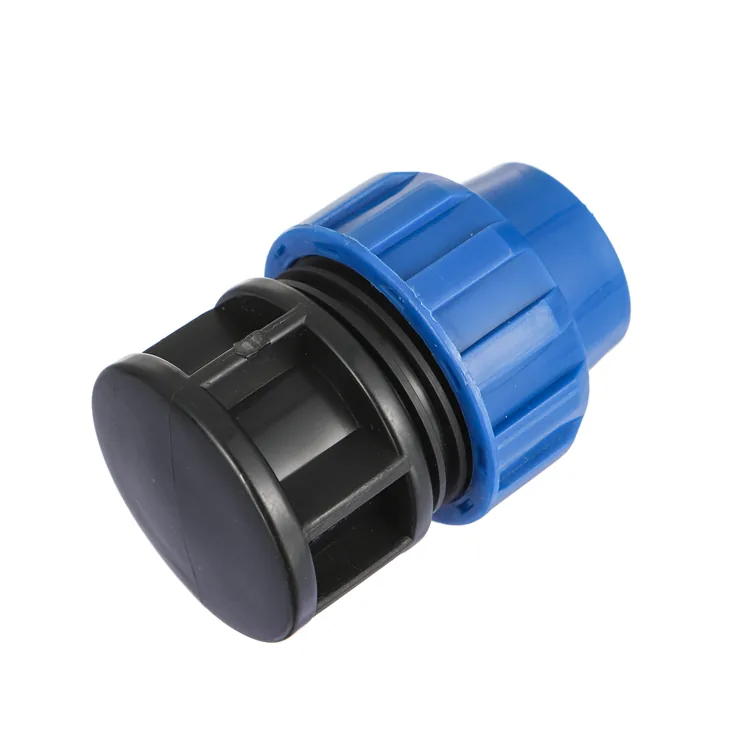
Bekaatherm’s HDPE and PE lines are built to ISO 4427, EN 12201 and DIN 8074 / 8075, with the PP compression fittings that pair with them made to ISO 14236. The edition year attached to those numbers tells you how current a supplier’s documentation really is.
Three things changed recently, and they are the quickest audit you can run on any HDPE catalogue in front of you:
| Standard | Status | What it means for your order |
|---|---|---|
| ISO 4427-2:2019 | Second edition, in force. Replaced ISO 4427-2:2007 including Amd 1. | A revision is in progress at committee draft stage. The 2019 edition remains the one to specify. |
| EN 12201-1:2024 / EN 12201-2:2024 | Revised 2024, replacing the 2011 editions. | Revised to add PE 100-RC materials and cover non-conventional installation techniques. A catalogue still citing “EN 12201-2:2011” is at least two years stale. |
| CEN/TS 12201-7:2026 | Published 17 February 2026, superseding the 2014 version. | Assessment of conformity for compounds, products, joints and assemblies; now explicitly includes PE 100-RC. |
Citing a standard undated — “to EN 12201” — stays correct through a revision. Citing “EN 12201-2:2011” in 2026 does not, and it is a reliable signal that the document was written years ago and reprinted since.
The 31 December 2026 deadline for EU-bound orders
If your container is going into the EU, one date should be in your planning now. Under the Article 11 framework of Directive (EU) 2020/2184, European positive lists of starting substances, compositions and constituents for materials in contact with water intended for human consumption apply from 31 December 2026. The implementing acts were published in the Official Journal on 23 April 2024. Until the application date, national provisions continue to apply, and a transitional period runs to 31 December 2032 for products holding valid national certificates on 31 December 2026.
Practically, potable-water HDPE landing in an EU member state after that date faces a changed approval basis, and the national approval your supplier holds today may need mapping onto the new framework. Requirements vary by product type, member state and the importer’s role, so confirm your position with the competent authority in your destination market — a supplier’s word is not a compliance opinion. What you can ask a supplier now is which national approvals they hold and what their transition plan is.
How we handle these seven numbers on an actual order
Documentation discipline is the part buyers cannot audit from a website, so here is the sequence Bekaatherm runs, in order:
- The proforma invoice carries the full description. Grade, SDR, DN, standard, colour and application. Not “HDPE pipe 110mm”.
- Origin is confirmed in writing, per order. Supply runs from Türkiye and from a partner plant in China, allocated by market. Which plant makes your order is stated on the proforma before you pay a deposit — never assumed. The certificate of origin, packing list and bill of lading then have to agree with each other. If those three documents disagree, customs will find it before you do.
- Colour is treated as a separate SKU. Because Clause 6.2 makes colour a compliance attribute, minimum order quantities are quoted per size and per colour rather than per size alone.
- Samples before tooling. Standard samples ship free, up to 3 items, freight collect. Branded samples take 7–10 days and the sample cost is credited against the first bulk order.
- The certificate package ships with the goods, not after them. Certifications held are SKZ (Germany), ISO, CE and WRAS — you can review the scope on the certifications page rather than taking a logo on a brochure at face value.
Two of those steps exist because of specific failure modes. Written per-order origin exists because an origin mismatch between the certificate and the bill of lading stops a container at the border. Sample-before-tooling exists because a private-label buyer who approves artwork on a screen and sees it printed for the first time on 3 tonnes of pipe has no cheap way back.
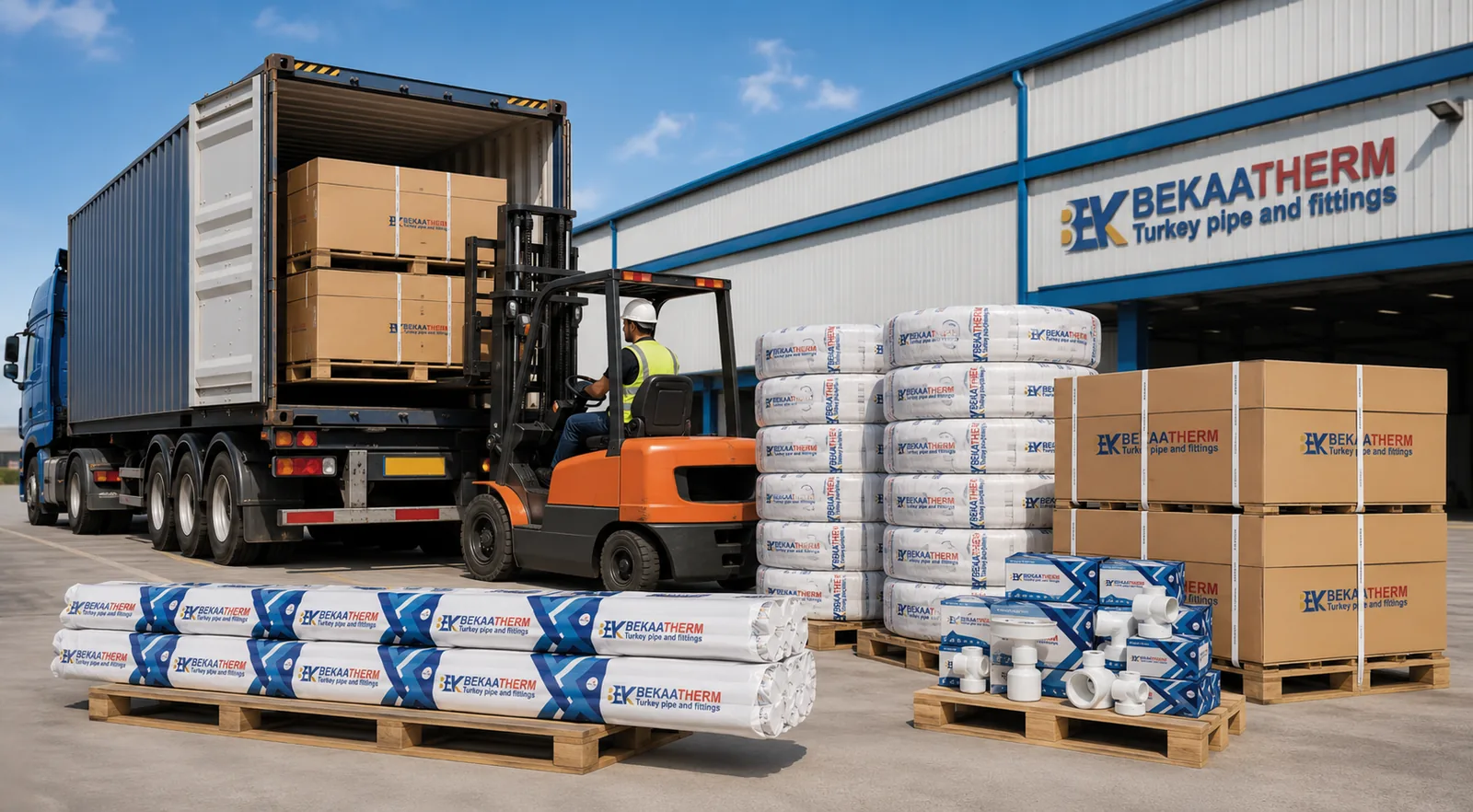
Turning the seven numbers into a container
The spec decides the commercial terms more than most buyers expect, and the link runs through weight. SDR sets wall thickness, wall thickness sets kilograms per metre, and a container has both a volume limit and a payload limit. A 20GP offers roughly 33 m³ of usable space against a payload around 28 tonnes; a 40HQ offers roughly 76 m³.
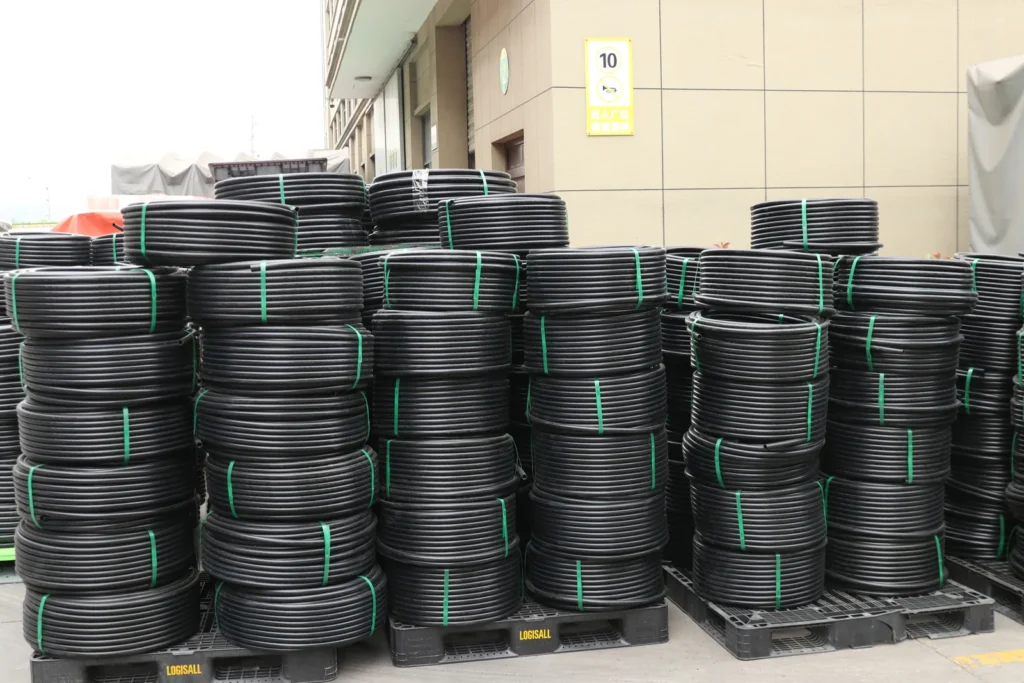
So a heavy low-SDR order weighs out before it cubes out — you hit the payload ceiling with the container visibly half empty. A thin-wall SDR26 irrigation order does the opposite and cubes out with tonnes of payload unused. Neither is a problem if the loading plan is built around the actual SKU mix; both are expensive if you assumed a container is a container. On a mixed load the working split is about 60% pipe, 30% fittings and 10% valves by volume.
| Commercial term | Position |
|---|---|
| Trial order minimum | One 20GP mixed container (pipe + fittings + valves) |
| Minimum per single size | 500 kg per size and colour |
| Private-label minimum | One 40HQ, or 3 tonnes per colour on a first branded run |
| Lead time, regular sizes | 15–25 days |
| Lead time, private label | 30–45 days |
| First colour match or new mould | Add 7–10 days |
| Payment | 30% T/T deposit, 70% against copy B/L. Irrevocable L/C at sight accepted from USD 50,000. |
| Trade terms | FOB Istanbul or Mersin by default; CFR and CIF on request |
| Territory | Regional exclusivity available to private-label partners, agreed in writing per market |
Note what the private-label minimum is denominated in: per colour. That is Clause 6.2 showing up on your cash flow. A brand that wants blue potable pipe and black sewer pipe under one label is committing to 3 tonnes of each on the first run, because they are two compliance-distinct products that happen to share a logo.
Prices are quoted on request rather than published, and a quote states what is included: the FOB unit price, the container loading plan and the certificate package. For a worked example of how a quotation is structured across pipe, fittings and freight, the price list and quotation structure page lays out the same format used for HDPE enquiries.
One more number for the paperwork: the HS code
Rigid HDPE pipe classifies under HS 3917.21 — rigid tubes, pipes and hoses of polymers of ethylene, within heading 3917 and Chapter 39. The six-digit subheading is internationally harmonised and reliable. The 8- and 10-digit national extensions are not: they vary by destination country, and they are what drive the duty line. Confirm the national suffix with your customs broker in the destination market before you build landed cost into a bid.
Best for / not for
This level of documentation discipline is worth paying for if: you are putting your own brand on the pipe and carry the warranty; you are shipping into the EU and need a defensible position on the 2026 positive-list transition; you sell into municipal or utility tenders where a specifier can reject on a clause; or you are buying large-diameter or trenchless-installation pipe where PE100-RC status is load-bearing.
It is over-specified if: you are buying a single pallet of low-pressure irrigation pipe for a farm, where the practical requirement is that fittings grip and the pipe survives a season. Chasing notched pipe test reports for an SDR26 field line is spending money on assurance you will not use. Buy on grade, SDR and diameter, and skip the rest.
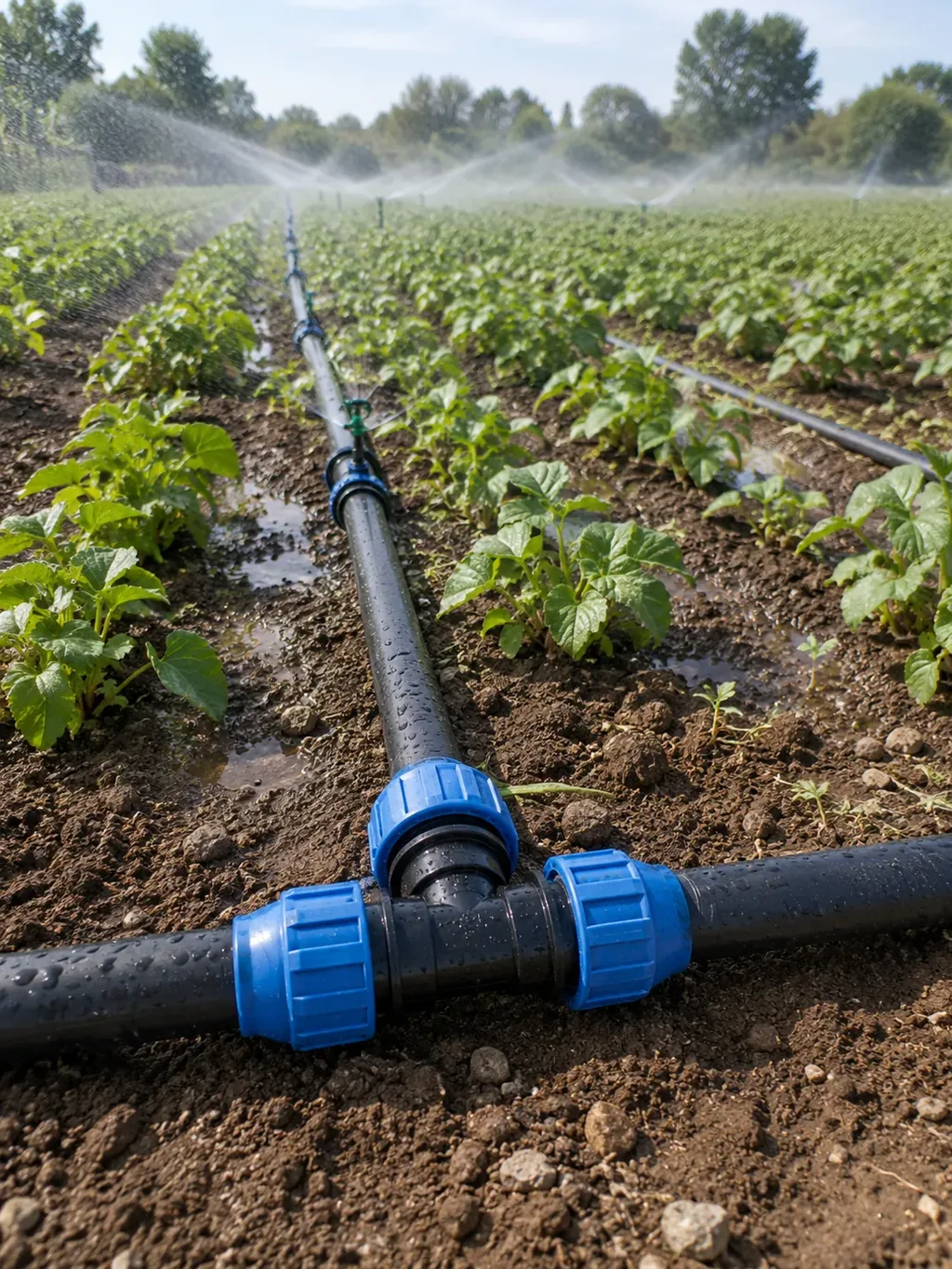
The line to write on your purchase order
Most disputes trace back to a description too short to be enforceable. “HDPE pipe 110mm PN16, 2 000 m” leaves grade, standard, colour and application open, and every one of those gaps is resolved by the factory, in the factory’s favour, after you have paid a deposit.
A complete line item reads like this:
PE100 SDR11 DN110 (PN16 @ 20 °C, water, C = 1.25), black with blue stripes, to ISO 4427-2:2019, application code W, coils of 100 m — 2 000 m
Seven numbers, one line. Grade, SDR, diameter, pressure with its temperature and design coefficient, colour, standard with edition, and application code. The code letter W identifies water intended for human consumption, and it should appear in the marking on the pipe itself — which means you can walk a container and verify the specification against the product without opening a document.
Compare that against the catalogue you are holding. If it cannot fill every field in that line, it is not a spec sheet — it is a price list with pictures. The HDPE pipe and PP compression fittings range lists grade, SDR and standard per item for exactly this reason.
Send us the line item, not the enquiry
For buyers who already know their grade, SDR and diameter: send the specification line and the destination port. You will get back an FOB unit price, a container loading plan and the certificate package list — enough to build a landed cost rather than start a negotiation.
For brands weighing a first private-label run: the decisions that need making before tooling are colour count, pack format and territory. That is a conversation, not a form.
Frequently asked questions
What does SDR mean on an HDPE pipe catalogue?
SDR is the standard dimension ratio — the nominal outside diameter divided by the nominal wall thickness (SDR = dn / en). A lower SDR means a thicker wall relative to diameter, so a higher pressure rating and more weight per metre. SDR alone does not give you a pressure rating; you also need the PE grade.
How do I convert SDR into a PN pressure rating?
Use MOP = (20 × MRS) / (C × (SDR − 1)), with MRS in MPa and the result in bar. For water the minimum recommended design coefficient C is 1.25, and for gas it is 2.0. PE100 (MRS 10.0 MPa) at SDR11 in water service gives (20 × 10) ÷ (1.25 × 10) = 16 bar. The full relationship between PN, MRS, S and SDR is set out in Annex C of ISO 4427-2:2019.
Why does the same SDR give a different PN on PE80 and PE100?
Because the grade sets the MRS value in the formula. PE80 has an MRS of 8.0 MPa and PE100 has 10.0 MPa. At SDR11 in water service, PE100 gives 16 bar and PE80 gives 12.8 bar — the same dimensions and the same weight, but a 20% lower rating. This is why a quote showing SDR and PN without the material grade is incomplete.
Is recycled material allowed in HDPE pressure pipe?
No. ISO 4427-2:2019 Clause 5.3 permits clean reprocessed material generated from a manufacturer’s own production and works testing of products according to the ISO 4427 series, if it comes from the same compound used for that production. The clause then states: “Reprocessed material obtained from external sources and recycled material shall not be used.”
What do the colours on HDPE pipe mean?
Under ISO 4427-2:2019 Clause 6.2, blue pipes or black pipes with blue stripes are intended for conveying water for human consumption only. Pipes for drainage and sewerage under pressure are black or black with brown stripes, or according to national preference. Yellow and orange are used only for gas applications under the ISO 4437 series. Colour is a compliance marking, so it is not available as a branding choice.
What is the difference between PE100 and PE100-RC?
Both carry an MRS of 10.0 MPa, so at the same SDR they share a pressure rating. PE100-RC (“resistant to cracking”) is formulated for higher resistance to slow crack growth and is verified by supplementary testing including ISO 18488, ISO 18489, ISO 16770 and the ISO 13479 notched pipe test — where PE100-RC is tested beyond 8 760 hours against more than 500 hours for conventional PE100. RC grades are specified for trenchless installation and installation without a sand bed.
Which edition of EN 12201 should a current catalogue cite?
EN 12201-1:2024 and EN 12201-2:2024 replaced the 2011 editions, revised to add PE 100-RC materials and to cover non-conventional installation techniques. CEN/TS 12201-7:2026, covering assessment of conformity, was published on 17 February 2026 and supersedes the 2014 version. A catalogue still citing the 2011 editions has not been technically reviewed in some time.
What changes for EU-bound HDPE orders on 31 December 2026?
The Article 11 framework of Directive (EU) 2020/2184 — the European positive lists for materials in contact with water intended for human consumption — applies from 31 December 2026, with implementing acts published in the Official Journal on 23 April 2024. National provisions continue to apply until then, and a transitional period runs to 31 December 2032 for products holding valid national certificates on 31 December 2026. Requirements depend on product type, member state and the importer’s role, so confirm your position with the competent authority in your destination market.
What is the HS code for HDPE pipe?
Rigid HDPE pipe falls under HS 3917.21 — rigid tubes, pipes and hoses of polymers of ethylene — within heading 3917 of Chapter 39. The six-digit subheading is internationally harmonised, but national 8- and 10-digit extensions vary by country and determine the duty line, so confirm the suffix with a customs broker in the destination market.
What is the minimum order for private-label HDPE pipe?
One 40HQ container, or 3 tonnes per colour on a first branded run. For non-branded orders the minimum is one 20GP mixed container, or 500 kg per size and colour for a single line. Private-label lead time is 30–45 days against 15–25 days for regular in-production sizes, with 7–10 days added for a first colour match or a new mould.