WRAS approval is not a legal requirement in the United Kingdom. It is voluntary. The legal duty sits in Regulation 4 of the Water Supply (Water Fittings) Regulations 1999, which says a water fitting must be of an appropriate quality and standard and suitable for the circumstances in which it is used — and WRAS Approval is one recognised way to show you have met that duty, not the duty itself.
Get that backwards and everything downstream goes wrong. You reject a compliant product for lacking a logo, or you accept a “WRAS approved material” certificate believing it covers the finished fitting, which it does not. Germany runs the opposite system: its hygiene criteria are legally binding, and a German-market claim needs two separate tests that most suppliers quote as one.
Key Takeaways
- WRAS is voluntary; KTW-BWGL is law. The UK duty is Regulation 4 and WRAS is one route to demonstrate it. In Germany, Section 15(2) of the revised Drinking Water Ordinance (TrinkwV) of 20 June 2023 makes UBA evaluation criteria legally binding two years after issue — which is how KTW-BWGL became binding on 21 March 2021.
- Material Approval is not Product Approval. WRAS Material Approval covers the material’s effect on water quality. Fitting (Product) Approval covers the finished fitting and carries Installation Requirement Notes stating conditions imposed as a condition of approval. Suppliers conflate these constantly.
- Every WRAS approval expires. Approvals run a maximum of five years and products must be retested every five years to keep them. BS 6920 test reports carry the same five-year ceiling. Ask for the expiry date, not the logo.
- “NSF certified” alone means nothing on a submittal. NSF/ANSI/CAN 61 limits what migrates into the water; NSF/ANSI/CAN 372 limits the lead contained within the wetted material. Standard 61 requires evaluation to 372 unless specifically exempted under the Safe Drinking Water Act.
- KTW-BWGL on its own is an incomplete German claim. DVGW W 270, which evaluates enhancement of microbial growth on non-metallic materials, is a prerequisite for KTW certification. Migration and microbial growth are two different tests.
- 31 December 2026 is the date to plan around. The six EU acts adopted under Article 11 of Directive (EU) 2020/2184 entered into force 15 May 2024 and apply from 31 December 2026, with the transition to the European system starting 1 January 2027.
- A national approval held before that date buys six extra years. Products holding a national hygiene compliance certificate by 31 December 2026 may continue as an “existing product” until 31 December 2032. That makes securing ACS or KTW this year a procurement-timing decision, not just a technical one.
- Bekaatherm holds SKZ (Germany), ISO 15874, CE and WRAS. We do not hold KTW, ACS or NSF, and this article is written as a specifier’s decision framework rather than a logo wall. Certificate scans and expiry dates come from the certifications page or the export desk.
The axis that actually separates the four schemes
Most comparison pages line up four logos and describe each as “a drinking water approval.” That framing hides the only distinction that changes what you write on a specification: whether the scheme carries the force of law, or evidences compliance with a law written somewhere else.
In the UK the law is Regulation 4. WRAS Approval is a recognised route to demonstrate it. So are NSF Reg4 and Kiwa KUKreg4, and a dutyholder may also rely on independent test reports assessed by the water undertaker under Regulation 4(1)(a). Four ways to satisfy one duty — which is why a blanket “WRAS is required by law” clause is both wrong and needlessly restrictive on tender.
Germany inverts this. Section 15(2) of the revised TrinkwV of 20 June 2023 sets the mechanism: an evaluation criteria document published by the Umweltbundesamt becomes legally binding two years after UBA issues it. KTW-BWGL was published on 21 March 2019 and became binding on 21 March 2021, replacing the former KTW, coating and lubricants guidelines — and certificates issued under those old guidelines lost validity. There is no voluntary alternative route to argue about. France sits closer to the German model, and the United States runs on another logic again, where NSF/ANSI/CAN standards are consensus standards that plumbing codes adopt by reference.
WRAS, KTW-BWGL, ACS and NSF side by side
The table below is keyed to the four questions a specifier has to answer before a mark goes on a submittal: is it law, who issues it, when does it expire, and what does the certificate actually cover.
| Scheme | Legal character | Validity | Test basis | What it polices |
|---|---|---|---|---|
| WRAS (UK) | Voluntary. One recognised route to demonstrate compliance with Regulation 4 of the Water Supply (Water Fittings) Regulations 1999 | Maximum five years; retest required every five years | BS 6920-1:2014 specification with the BS 6920-2 test methods (2014), plus the high-temperature tests for hot water use | Effect on water quality (Material Approval) or the finished fitting plus its Installation Requirement Notes (Product Approval) |
| KTW-BWGL (Germany) | Legally binding since 21 March 2021 via Section 15(2) TrinkwV of 20 June 2023 | Set by the certifier; Annexes D and E for elastomers and TPE have been legally binding since 1 July 2026 under the 6th amendment of 27 October 2025; certificates issued under the old Elastomerleitlinie have lost their validity | Migration testing to DIN EN 12873-1 and DIN EN 1420, plus DVGW W 270 microbial growth to DIN EN 16421 | Starting substances against a polymer-specific positive list, migration, and microbial growth support |
| ACS (France) | National regulatory attestation; issued only by a laboratory authorised by the French Minister of Health | Five years | Migration and chemical transformation testing on organic materials including PVC, PE and PP | Whether the product modifies the organoleptic, physicochemical or microbiological properties of drinking water |
| NSF/ANSI/CAN 61 and 372 (US / Canada) | Consensus standards adopted by plumbing codes; the lead limit is backed by Section 1417 of the Safe Drinking Water Act | Maintained by annual facility audits and periodic retesting of certified products | Standard 61 for contaminant migration; Standard 372 for lead content of wetted surfaces | 61 = what comes out of the material. 372 = what is in the material. Standard 61 requires evaluation to 372 unless specifically exempted |
Read the last two columns together and the schemes stop looking interchangeable. WRAS tests the material against a British Standard and re-tests every five years. NSF adds a plant audit on an annual cycle, so an NSF listing polices the factory as well as the sample. KTW-BWGL polices the recipe: if a starting substance is off the positive list, no amount of clean migration data rescues it. ACS polices the water’s taste, chemistry and microbiology as an outcome. Four different questions — and a specification that treats them as equivalent stamps has asked none of them.
WRAS: voluntary, five-year, and two different certificates
Two things about WRAS Approvals catch out specifiers who have only ever seen the logo.
Material Approval is not Product Approval
Material Approval addresses the material’s effect on water quality — it says the polymer, elastomer or lubricant does not spoil the water. Fitting Approval, also called Product Approval, covers the finished fitting and carries Installation Requirement Notes: conditions imposed as a condition of the approval, describing how the fitting must be installed for the approval to hold.
That difference bites both ways. A supplier holding only Material Approval has evidence about the compound, not about the moulded valve you are specifying. And a specifier who accepts a Product Approval without reading the IRNs may install outside the conditions the approval was granted under, which quietly puts the installation outside the evidence. Pull the entry from the WRAS directory and read the notes before you copy a certificate number onto a submittal.
The five-year clock nobody checks
WRAS approvals last a maximum of five years, and products must be retested every five years to maintain approval. BS 6920 test reports carry the same ceiling. A brochure printed in 2021 showing a WRAS mark tells you nothing about today.
So the question is never “are you WRAS approved.” It is: which approval type, under which certificate reference, expiring when, covering which sizes and colours. A supplier who answers that in one email has a live quality system. One who sends a JPEG of a logo has a marketing department.
One detail matters specifically for PPR: BS 6920 Part 3 covers hot water use. PPR is sold as a hot-and-cold system, so an approval evidenced only on cold-water testing does not carry the hot side of the duty.
Best for / not for
WRAS is the right route when you are supplying the UK, the client or water undertaker recognises the scheme, and you want a single directory entry a building control inspector can look up without correspondence.
It is the wrong route when the specification is for continental Europe. WRAS does not satisfy German or French national requirements, and a specification that writes “WRAS approved” as a universal potable-water clause will either exclude compliant products or accept non-compliant ones, depending on the destination.
KTW-BWGL: binding law, positive lists, and a seals clock running to 2026
KTW-BWGL is built in two halves: a general part carrying requirements and tests, and a polymer-specific part carrying positive lists of permitted starting substances. For a polypropylene system the second half decides your fate. If the resin grade’s starting substances are not on the positive list for that polymer, the product is not approvable, and no amount of good migration data changes it.
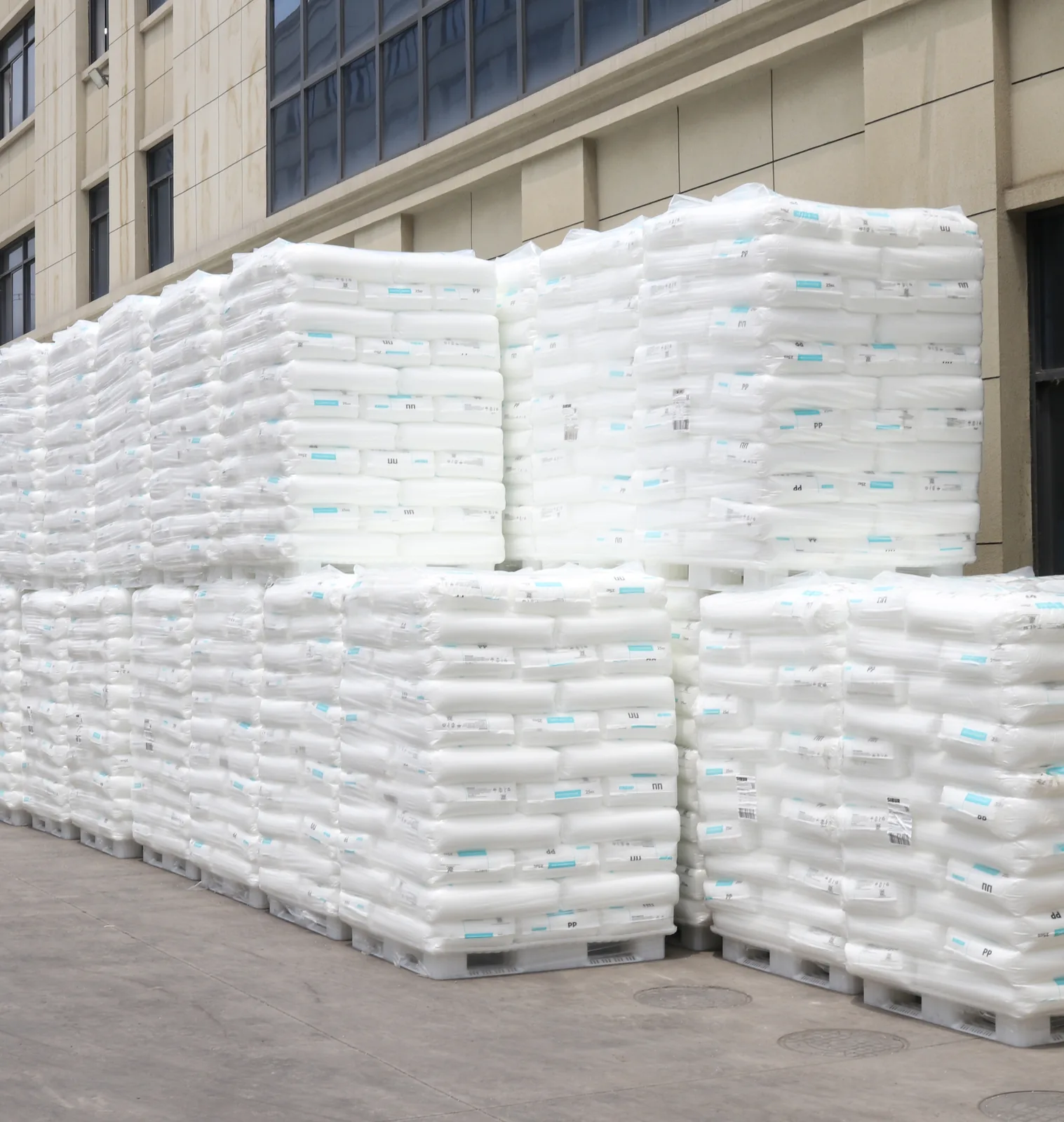
The consequence is uncomfortable for buyers who shop on price. Approvability is fixed upstream at the raw-material grade, before the extruder is switched on. A factory that changes resin supplier to shave cost per tonne has potentially changed its regulatory position in Germany — which is why our material policy runs on named virgin grades, as set out on the quality control page.
Testing uses migration methods to DIN EN 12873-1 and DIN EN 1420. That is half the German picture. DVGW W 270 evaluates the enhancement of microbial growth on non-metallic materials in contact with drinking water, tested to DIN EN 16421 / DVGW W 270, and it is a prerequisite for KTW certification. A supplier claiming “KTW certified” without a W 270 result has given an incomplete answer — migration and biofilm support are two failure modes and two tests.
The elastomer clock: 1 July 2026
Elastomers and TPE were brought into KTW-BWGL in March 2022 with a transitional period that originally ran to 1 March 2025. The third amendment, published in the Federal Gazette on 7 March 2022, set the transition to end on 1 July 2026, and the sixth amendment of 27 October 2025 confirmed that Annexes D and E apply with legal force from that date. The transition is therefore over: test certificates issued under the old Elastomerleitlinie or the TPE interim recommendation lost their validity on 1 July 2026, and a valve seal now needs evidence against Annex D or E itself — or, as the alternative route the amendment names, against Implementing Decision (EU) 2024/368, but not a mixture of the two. An extension with a condition attached is not a general amnesty.
For a PPR system this lands squarely on the valves and unions. The O-rings and seals inside them are elastomers with their own approval clock, separate from the pipe’s. A project that verified the pipe and assumed the seals came along with it has verified roughly two-thirds of the wetted surface.
A note on what SKZ does and does not cover
Bekaatherm holds SKZ (Germany) certification, and it is worth being precise about what that means. SKZ is a certification and testing body for plastics. Holding an SKZ mark is not the same as holding KTW-BWGL drinking-water hygiene approval, and we do not claim it is. If your project needs a German potable-water hygiene position, ask for KTW-BWGL and W 270 evidence by name — from us or from anyone else.
ACS and NSF: the French clock and the American lead split
ACS in five lines
The ACS is valid for five years and may only be issued by a laboratory authorised by the French Minister of Health. It applies to organic materials in contact with drinking water, including PVC, PE and PP. Its objective is narrow: verify that the product does not modify the organoleptic, physicochemical or microbiological properties of drinking water through migration or chemical transformation.
Organoleptic sits first in that list for a reason. Taste and odour complaints are what a water utility actually hears about, and a pipe that passes every chemical threshold while making the water taste of plastic has still failed the thing the attestation exists to prevent.
NSF 61 versus NSF 372: the distinction that fails submittals
NSF/ANSI/CAN 61 sets limits on contaminants that may migrate into drinking water from water-contact materials. NSF/ANSI/CAN 372 limits the lead contained within those materials. One measures what comes out; the other measures what is in there. Standard 61 requires all products to be evaluated to 372 unless specifically exempted under the Safe Drinking Water Act, so they travel together — but they are not the same certificate and a submittal that says “NSF certified” without a standard number has not told the reviewer anything.
Section 1417 of the Safe Drinking Water Act defines “lead free” as a weighted average of 0.25% lead across the wetted surfaces of pipes, pipe fittings, plumbing fittings and fixtures, and 0.2% lead for solder and flux. The weighted-average methodology is consistent with NSF/ANSI/CAN 372.
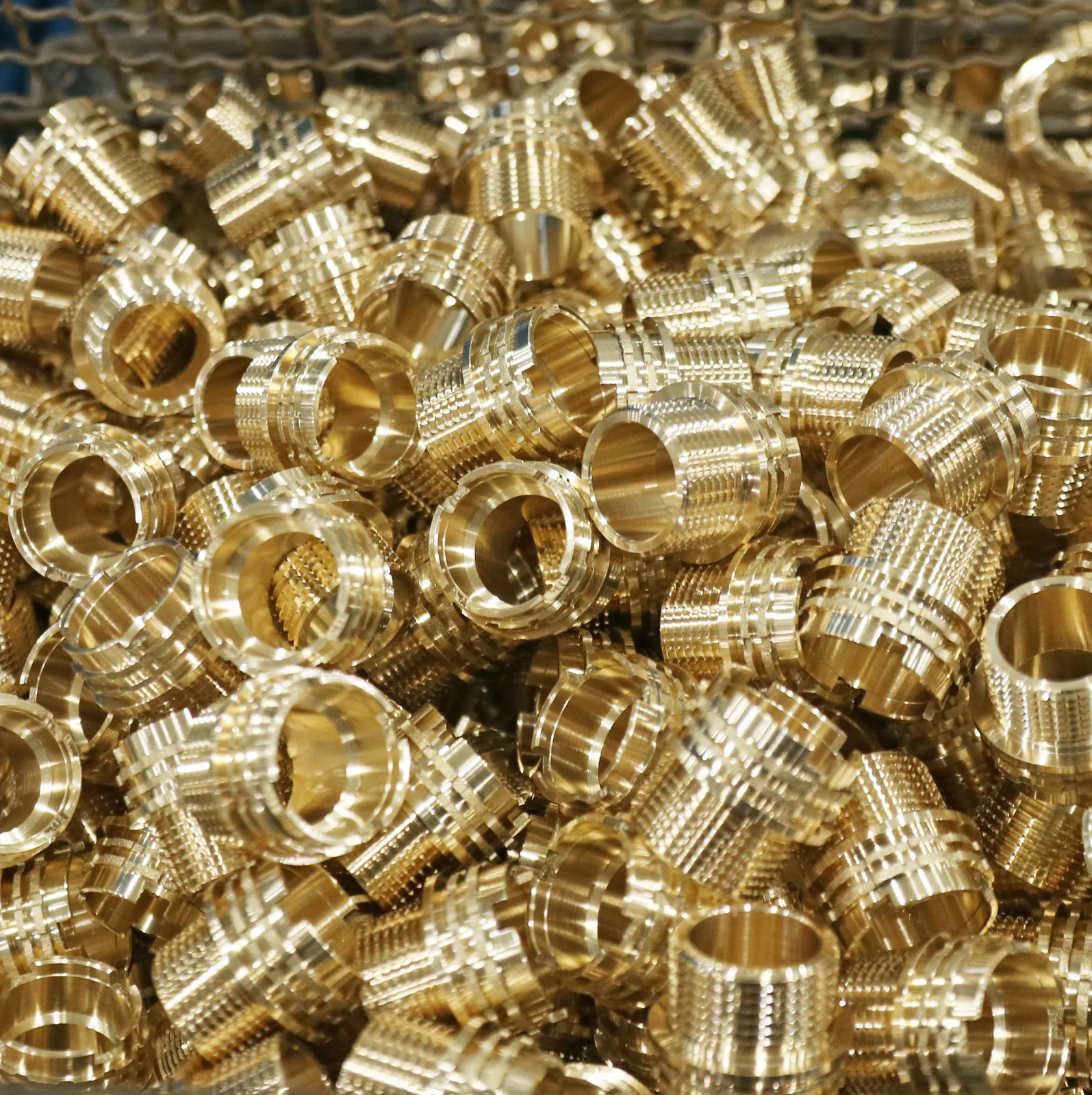
Why that matters for a plastic pipe system is not obvious. The polypropylene is not where the lead question lives. The brass is. PPR combination fittings, threaded sockets, unions and valve bodies carry machined brass inserts, and those inserts are wetted surface. A US-bound specification asking about lead content is asking about the brass alloy and its share of the wetted area, not about the polymer. Suppliers who answer with a resin datasheet have misread the question.
NSF also polices differently after issue: annual audits of manufacturing facilities and periodic retesting are scheduled, and re-evaluation is triggered by company mergers, manufacturing process updates, or a change of material supplier. Quote that last trigger back to a supplier during a value-engineering conversation — switching resin or brass vendor is a certification event, not a purchasing detail.
What changes on 31 December 2026 — and the 2032 window
This is the part that turns a technical comparison into a procurement decision with a date on it.
On 23 April 2024 the EU published six legal acts under Article 11 of Directive (EU) 2020/2184: implementing decisions (EU) 2024/365, 2024/367 and 2024/368, and delegated regulations (EU) 2024/369, 2024/370 and 2024/371. Decision (EU) 2024/367 establishes the first European positive lists.
The acts entered into force on 15 May 2024 and apply from 31 December 2026, with national provisions continuing until that date. From 1 January 2027 the transition runs: new products are assessed and certified under the EU rules, and EU conformity assessment becomes mandatory. The national patchwork that made KTW and ACS separate exercises starts converging — slowly, and with a long tail.
The grandfathering window, and why it is a buying argument
Products holding a hygiene compliance certificate under national rules by 31 December 2026 may continue as an “existing product” until 31 December 2032. For products whose ACS is valid until 31 December 2026, the ACS can be extended until 31 December 2032. After that, only EU-compliant certification may be placed on the market.
Read that as a calendar rather than as legislation. A national approval secured before the end of 2026 buys roughly six extra years of market access on the existing basis. One secured in early 2027 does not. If you are running a European tender this year with delivery into France or Germany, ask every bidder whether their hygiene certificate will be dated before or after 31 December 2026 — that single date decides how much runway the product has.
One further date for the watch list: a tightening of lead limits within drinking water standards is expected from 12 January 2028. Treat it as a date to monitor, not a threshold to design against.
The UK sits outside the EU Article 11 timetable, and the 2026 and 2032 dates do not by themselves change WRAS or the Regulation 4 duty. Requirements move, though, and the position varies by product type and by the role you occupy in the supply chain. Confirm current UK requirements with the water undertaker or the relevant enforcement authority before relying on any of it.
Which approval for which destination
The most common question here is not “what is WRAS” but “which one do I need for where I am shipping.” The table below is a starting position, not legal advice — requirements vary by product type, application and the importer’s role, so confirm with the destination authority or the water undertaker before fixing a specification.
| Destination | Usual hygiene route today | What changes after 31 December 2026 |
|---|---|---|
| United Kingdom | Demonstrate Regulation 4 compliance — WRAS, NSF Reg4 or Kiwa KUKreg4, or independent test reports assessed by the water undertaker | Outside the EU Article 11 timetable; confirm the current position with the water undertaker |
| Germany | KTW-BWGL (binding since 21 March 2021) plus DVGW W 270 microbial growth testing | Certificates held by 31 December 2026 may continue as an existing product to 31 December 2032 |
| France | ACS from a laboratory authorised by the French Minister of Health; PP is explicitly in scope | An ACS valid to 31 December 2026 can be extended to 31 December 2032 |
| Other EU member states | National provisions continue to apply until the changeover date | EU conformity assessment under the Article 11 acts becomes mandatory from 1 January 2027 for new products |
| United States / Canada | NSF/ANSI/CAN 61 with evaluation to NSF/ANSI/CAN 372 unless specifically exempted; lead free per SDWA Section 1417 | Unaffected by the EU timetable; certification maintained by annual facility audits and periodic retesting |
| Markets recognising CE and ISO conformity | System conformity to ISO 15874-1, ISO 15874-2, ISO 15874-3 and ISO 15874-5, with dimensions to DIN 8077 and quality requirements to DIN 8078 | Product-performance standards are separate from hygiene approval and are not changed by the Article 11 acts |
That last row is the one specifiers most often merge into the others by mistake. ISO 15874 and DIN 8077/8078 govern whether the pipe holds pressure, holds dimension and lasts its design life. None of them say anything about what leaches into the water. A system can be fully ISO 15874 conformant and still have no hygiene position in Germany. Keep them as two columns on the compliance matrix, always.
Is NSF the same as WRAS, and does either work in the EU?
No. NSF/ANSI/CAN 61 and WRAS test to different standards, are recognised in different countries and are policed differently after issue — and neither satisfies the German or French national hygiene regimes, nor the EU Article 11 system that starts on 1 January 2027. The table gives the five facts a tender reviewer checks for each mark.
One reason the two get confused is that NSF also operates in the UK: NSF Reg4 is a recognised route to Regulation 4 compliance alongside WRAS and Kiwa KUKreg4. That is a UK certification by NSF, not an NSF/ANSI/CAN 61 listing, and the two should not be swapped on a submittal. In the other direction, a WRAS approval carries no weight under US plumbing codes, which reference NSF/ANSI/CAN 61 by number.
| Scheme | Markets where it is recognised | Test basis (current edition) | Validity (years) | Annual factory audit? |
|---|---|---|---|---|
| WRAS Approval | United Kingdom — one recognised route to Regulation 4 (Water Fittings Regulations 1999) | BS 6920-1:2014 specification, tested to the BS 6920-2 methods (2014), plus the high-temperature tests where the duty is hot water | 5 maximum, then re-test | No — sample-based; re-test at renewal |
| KTW-BWGL + DVGW W 270 | Germany — legally binding under § 15(2) TrinkwV | KTW-BWGL, UBA, 6th amendment of 27 October 2025 (Annexes D and E binding from 1 July 2026); DIN EN 12873-1 and DIN EN 1420 migration; DVGW W 270:2007-11 with DIN EN 16421:2015 microbial growth | Set by the certification body | Surveillance per the certifier’s scheme — ask for the cycle in writing |
| ACS | France — regulatory attestation for organic materials including PP | Migration, chemical-transformation and organoleptic testing by a laboratory authorised by the French Minister of Health | 5 | No — renewal by re-test |
| NSF/ANSI/CAN 61 + 372 | United States and Canada, and any specification written to US plumbing codes | NSF/ANSI/CAN 61-2025 (published 23 February 2026, replacing the 2024 edition) with NSF/ANSI/CAN 600-2024 criteria; NSF/ANSI/CAN 372-2024 for lead content | Continuous while listed | Yes — annual facility audit plus periodic re-test |
| EU Article 11 system | All EU member states, mandatory for new products from 1 January 2027 | Decisions (EU) 2024/365, 2024/367 and 2024/368; Delegated Regulations (EU) 2024/369, 2024/370 and 2024/371 under Directive (EU) 2020/2184 | Per certificate; national certificates held by 31 December 2026 run to 31 December 2032 | Per the conformity-assessment body’s scheme |
| Sources: WRAS Approvals (five-year term, BS 6920); BSI catalogue for BS 6920-1:2014; Umweltbundesamt, KTW-BWGL allgemeiner Teil, 6. Änderung, 27 October 2025; DVGW W 270:2007-11; DIN EN 16421:2015-05; sante.gouv.fr, Attestation de Conformité Sanitaire; ANSI webstore entries for NSF/ANSI/CAN 61-2025, 600-2024 and 372-2024; Official Journal of the EU, acts of 23 April 2024 under Article 11 of Directive (EU) 2020/2184. | ||||
The audit column is the one that changes supplier behaviour. Under NSF, a change of resin or brass vendor triggers re-evaluation and the plant sees an auditor every year; under WRAS and ACS, nothing polices the factory between the five-year re-tests except the supplier’s own quality system. That is why, for a market without a plant-audit scheme, a third-party production mark matters more than it looks — the difference between SKZ, TSE and DVGW surveillance is set out in our certification body comparison. On the US side, remember that the lead question lands on the brass, and the alloy and thread standard behind a PPR insert are covered in our brass insert guide.
Edition numbers matter on a submittal. “NSF 61” without a year, or “BS 6920” without the 2014 part numbers, tells a reviewer the clause was copied from an older document; a certificate always names the edition it was tested to, so the specification should too.
Pipe, fitting and seal are three separate approvals
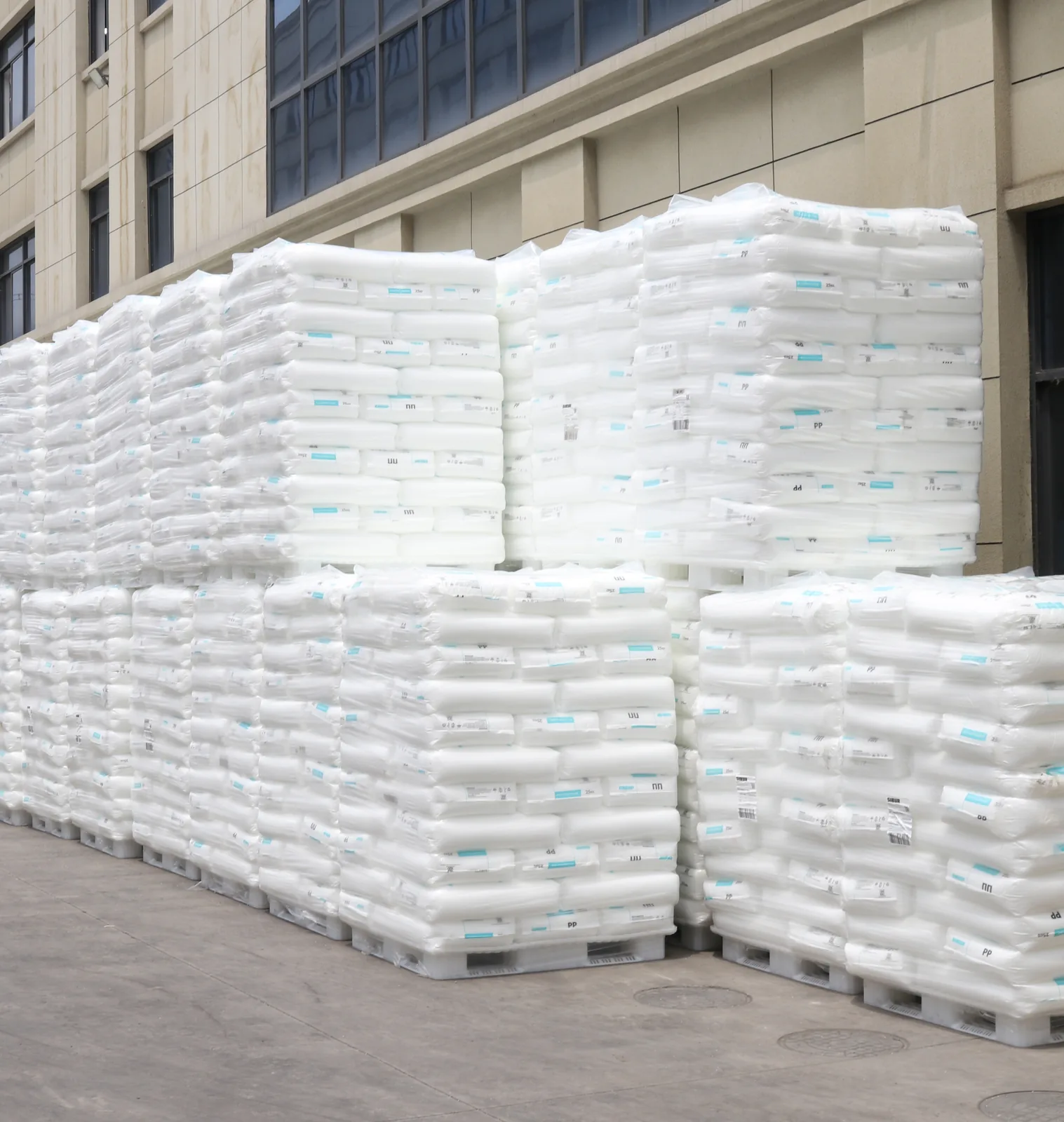
A PPR system is at least four materials in contact with water: the polypropylene of the pipe and socket fittings, the brass of the threaded inserts and valve bodies, the elastomer of the O-rings and seals, and any lubricant used at assembly. Every scheme in this comparison is structured around that split — which is why “is the pipe approved” is the wrong question. Ask instead whether the approval covers the pipe, the fittings, the valve bodies and the seals, in the sizes and colours you are buying. Colour matters more than people expect: pigment is a formulation change, and formulation is what the positive lists and migration tests look at. A green pipe’s evidence does not automatically transfer to the white one.
How we check a certificate before it goes on a submittal
This is our own sequence for the document pack that ships with an order. Borrow it for auditing any supplier, including us.
- Match the certificate holder to the invoice name. Hygiene certificate, proforma invoice and certificate of origin should name the same entity. If they do not, someone explains the relationship in writing before the deposit moves.
- Read the scope line, not the logo. A scope covering 20–63 mm does not cover the 75 mm added at the last revision.
- Check issue and expiry against the delivery date. WRAS runs a maximum five-year term, ACS five years. A certificate expiring mid-project is a live risk on a phased delivery.
- Verify against the issuer’s own directory rather than a PDF sent by email — for WRAS, that is also where the Installation Requirement Notes live.
- Ask which test parts were run. BS 6920 Part 3 for a hot water duty; both KTW-BWGL migration and DVGW W 270 for Germany.
- Confirm the seals and the brass separately. The 1 July 2026 elastomer date applies to the seals, not to the pipe.
- Tie the paperwork together at shipment. Certificate of origin, packing list and bill of lading must agree with each other and with the destination’s requirements. We supply from Türkiye and from a partner plant, origin is allocated by market and confirmed in writing per order on the proforma invoice — a hygiene certificate that does not match the declared origin gets questioned at the border.
Any supplier can answer step one. Very few volunteer step seven unprompted, and that gap is the fastest read on how seriously a factory takes its own certification.
A worked example: one PPR system, three destinations
Take a distributor holding one PPR range — pipe in 20–110 mm, socket and threaded fittings, ball valves — and three live enquiries: a residential block in the UK, an apartment scheme near Stuttgart, a hotel refurbishment in Lyon.
The UK enquiry needs a Regulation 4 position. WRAS is the cleanest route because a building control inspector can look the entry up. Two checks: Material or Fitting Approval, and whether the BS 6920 evidence includes Part 3, since the block has a hot water service. If it is a Fitting Approval, the Installation Requirement Notes go into the O&M pack.
The Stuttgart enquiry needs KTW-BWGL plus DVGW W 270. The pipe’s resin grade must sit on the polymer-specific positive list, and the valve seals need their own position under the elastomer transition running to 1 July 2026. If the distributor cannot produce both documents, the honest answer is that the range is not currently placed for the German market — a better conversation than having it at site inspection.
The Lyon enquiry needs ACS covering PP. Here the calendar does real work. If the ACS is in place and valid to 31 December 2026, it can be extended to 31 December 2032. If the process starts now and the attestation lands in February 2027, that six-year extension is gone and the product goes straight into the EU regime. Same product, same laboratory, different year, materially different market access.
One range, three answers, none of them “our pipe is certified.” The practical move is to stop treating certification as a marketing asset and start treating it as a market-access asset with an expiry date, then plan the order book around the certificates already live. Our lead time on regular in-production sizes is 15–25 days, so the paperwork is almost always the long pole, not the production.
What to ask a supplier for at tender stage
Six requests, phrased so they cannot be answered with a logo:
- “Send the hygiene certificate for the destination market, with the certificate holder’s name, the scope of products and sizes, and the expiry date visible.”
- “State whether your WRAS entry is a Material Approval or a Fitting Approval, and send the Installation Requirement Notes if it is the latter.”
- “Confirm which parts of BS 6920 the testing covers, including Part 3 if the system will carry hot water.”
- “For Germany, send KTW-BWGL evidence and the DVGW W 270 result as two separate documents.”
- “Give the approval position of the elastomer seals in your valves and unions separately from the pipe.”
- “For the US, state the NSF/ANSI/CAN standard numbers and confirm how the brass wetted surfaces are addressed under the weighted-average lead calculation.”
On the cost and timing of approvals, treat any published figure with suspicion. There is no reliable public price list, and fees scale with the number of distinct wetted materials and SKUs in the submission. Ask the test house for a written quotation scoped to your SKU and material count, and ask early — the testing calendar sets the date, not the application form. When you request pricing from us, the reply carries an FOB unit price, a container loading plan and a certificate package; for a specifier that last part is usually the more useful half.
Conclusion
The four schemes are not four grades of the same thing, and the calendar is now part of the specification. Products holding national certificates by 31 December 2026 continue as existing products until 31 December 2032; the EU acts apply from 31 December 2026 with the transition starting 1 January 2027. A specifier writing a European clause this year is making a decision about 2032 whether they intend to or not.
Bekaatherm holds SKZ, ISO 15874, CE and WRAS, manufactures across 120,000 m² with 1000+ staff and 10,000 moulds, and ships 98 items across 4 systems to 118+ countries. We do not hold KTW, ACS or NSF, and we would rather say so here than let you find out during a tender review. What we will do is send the scope, the dates and the test basis for what we do hold, in writing, before you specify anything.
One point of sequencing, because it is routinely misread on submittals: our 50-year warranty against material and manufacturing defects is matched to the 50-year design life at rated pressure and 20°C under ISO 15874. That is a durability and pressure position, and it belongs in a different column from hygiene approval. A warranty of that length says nothing about migration or microbial growth, and no hygiene scheme says anything about whether the pipe survives fifty years of service. A specifier who needs both has to evidence both, separately — which is exactly why the document request at tender stage should name the standard, the scheme and the expiry date rather than asking for “certificates”.
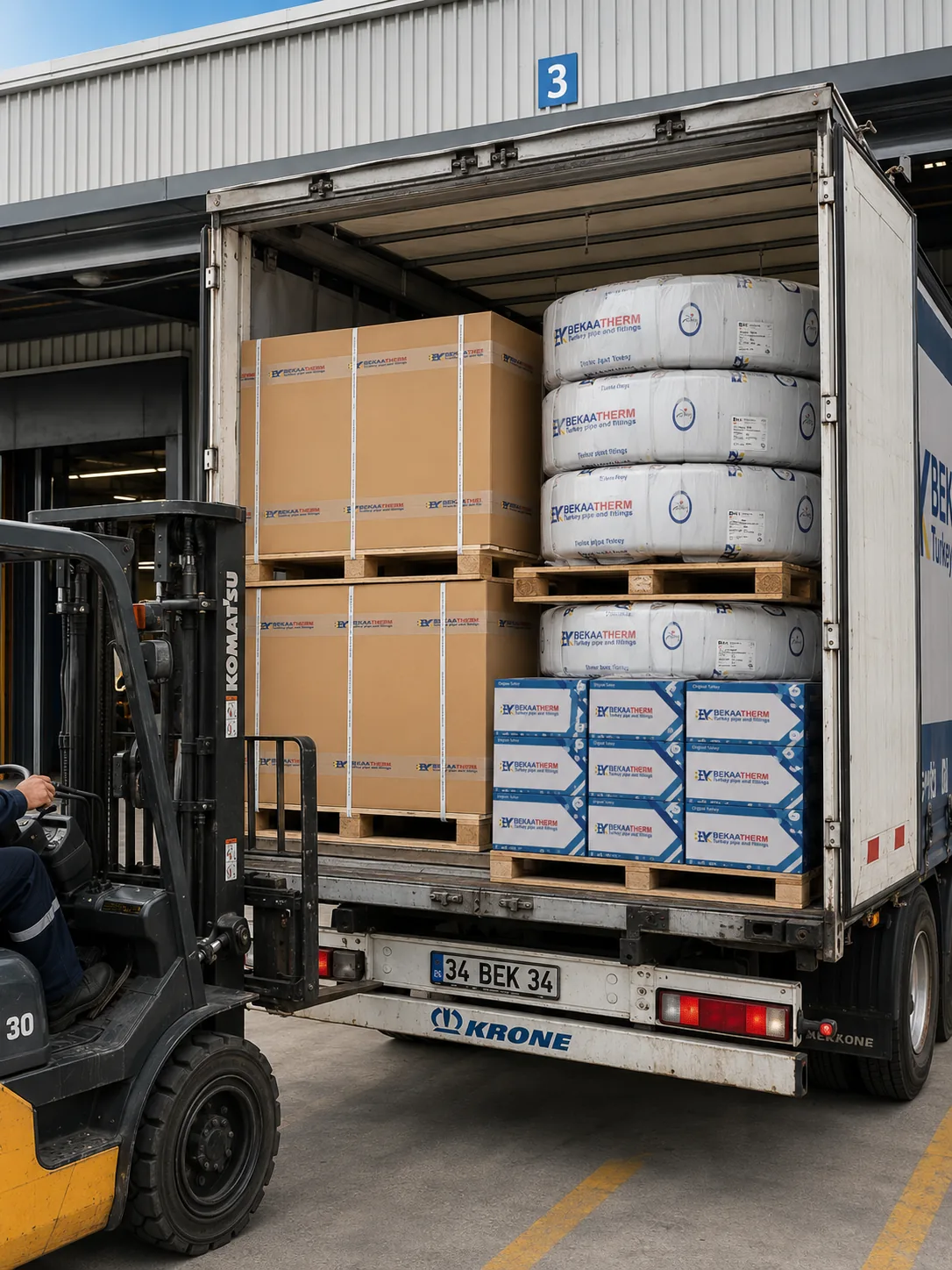
If you are choosing between pressure classes or system types before you get to the hygiene question, the PPR pipe range lists pressure series and dimensions to DIN 8077 for each line, and the certification explainer for SKZ, CE and WRAS covers what each of those marks means on a Bekaatherm carton. Common commercial questions are answered on the FAQ page.
FAQ
Is WRAS approval a legal requirement in the UK?
No. WRAS Approval is voluntary. The legal duty is Regulation 4 of the Water Supply (Water Fittings) Regulations 1999, which requires a water fitting to be of an appropriate quality and standard and suitable for the circumstances in which it is used. WRAS is one recognised route to demonstrate that compliance. NSF Reg4 and Kiwa KUKreg4 are recognised third-party alternatives, and a dutyholder may also rely on independent test reports assessed by the water undertaker under Regulation 4(1)(a).
What is the difference between WRAS Material Approval and Product Approval?
Material Approval covers the material’s effect on water quality. Fitting Approval, also called Product Approval, covers the finished fitting and carries Installation Requirement Notes stating conditions imposed as a condition of the approval. A Material Approval certificate is evidence about the compound, not about the moulded product, so the two are not interchangeable on a submittal.
How long does a WRAS approval last?
A maximum of five years. Products must be retested every five years to maintain approval, and BS 6920 test reports are likewise valid for a maximum of five years. Check the entry in the WRAS products and materials directory rather than relying on a PDF or a logo on a brochure, and read the expiry date against your delivery programme.
What is the difference between NSF/ANSI 61 and NSF/ANSI 372?
NSF/ANSI/CAN 61 sets limits on contaminants that may migrate into drinking water from water-contact materials. NSF/ANSI/CAN 372 limits the lead contained within those materials. Standard 61 requires all products to be evaluated to 372 unless specifically exempted under the Safe Drinking Water Act. A claim of “NSF certified” without a standard number does not tell a reviewer which question was answered.
Does KTW certification alone make a pipe legal for the German market?
Not on its own. DVGW W 270 evaluates the enhancement of microbial growth on non-metallic materials in contact with drinking water and is a prerequisite for KTW certification, tested to DIN EN 16421 / DVGW W 270. KTW-BWGL migration testing uses DIN EN 12873-1 and DIN EN 1420. Migration and microbial growth are two different tests, so ask for both documents by name.
Is ACS still required to sell pipe in France?
Under the current national regime, yes for organic materials in contact with drinking water, and PP is explicitly in scope. The ACS is valid for five years and may only be issued by a laboratory authorised by the French Minister of Health. National provisions continue to apply until 31 December 2026, after which the EU Article 11 system takes over for new products. Confirm the current position for your product type with the destination authority.
What changes on 31 December 2026 under the EU Drinking Water Directive?
Six legal acts adopted on 23 April 2024 under Article 11 of Directive (EU) 2020/2184 entered into force on 15 May 2024 and apply from 31 December 2026. National provisions continue to apply until that date. From 1 January 2027 the transition to the European system runs, with new products assessed and certified under the EU rules and EU conformity assessment becoming mandatory. Decision (EU) 2024/367 establishes the first European positive lists.
Will my existing ACS or KTW certificate still be valid after the EU transition?
Products holding a hygiene compliance certificate under national rules by 31 December 2026 may continue as an “existing product” until 31 December 2032. For products whose ACS is valid until 31 December 2026, the ACS can be extended until 31 December 2032. After that date only EU-compliant certification may be placed on the market. Securing a national approval before the end of 2026 therefore buys roughly six additional years on the existing basis.
Do the pipe, the fittings and the seals need separate approvals?
Treat them separately. Elastomers and TPE were brought into KTW-BWGL in March 2022 with a transitional period extended by the third amendment to 1 July 2026, and only for components whose formulation and scope of testing match the current positive list. Under NSF/ANSI/CAN 372 the brass inserts and valve bodies are the wetted surfaces that drive the lead answer for a PPR system, not the polypropylene. Ask for the position of each material.
Can one PPR product carry WRAS, KTW, ACS and NSF at the same time?
It is possible in principle, since the schemes are independent, but it means four separate submissions, four test programmes and four renewal calendars, and each is scoped to specific products, sizes and formulations. Most manufacturers certify to the markets they actually serve. Bekaatherm holds SKZ, ISO 15874, CE and WRAS; we do not hold KTW, ACS or NSF.
Does ISO 15874 conformity cover drinking water hygiene?
No. ISO 15874-1, -2, -3 and -5 govern the general requirements, pipes, fittings and fitness for purpose of a PP-R system, with dimensions to DIN 8077 and general quality requirements to DIN 8078. They address pressure, dimensions and design life, not what leaches into the water. Hygiene approval is a separate column on a compliance matrix and a system can satisfy one without the other.
What documents should I ask a PPR supplier for at tender stage?
The hygiene certificate for the destination market showing holder name, product and size scope and expiry date; the WRAS approval type with Installation Requirement Notes if it is a Fitting Approval; confirmation of which BS 6920 parts were tested, including Part 3 for hot water; KTW-BWGL and DVGW W 270 as separate documents for Germany; the elastomer seals’ position stated separately; and the NSF standard numbers with the brass wetted-surface treatment for the US.