For anyone buying PPR pipe by the container, the certificates on a datasheet are not a formality, they are the difference between a shipment that clears and a shipment that sits. A logo you can copy in a design tool; a valid, in-scope, verifiable certificate you cannot. This guide breaks down what SKZ, ISO, CE and WRAS each cover, maps which certificate you actually need for your destination market and application, gives you a four-step method to check whether a supplier’s claims are real, and shows how those certificates should tie back to specific SKUs and pressure ratings on your order. Consumer-market alternatives like PEX, PVC or copper piping carry their own separate approvals; here the focus is the certification set that governs PPR for hot-and-cold supply, heating and potable water, the systems Bekaatherm has been extruding for 30 years and exporting to 118+ countries.
Read this the way a professional sourcing team reads a datasheet: certificate by certificate, scope by scope, market by market. By the end you should be able to open any supplier’s certification page and know within five minutes whether it protects your money or exposes it.
Why PPR Pipe Certifications Decide Whether You Get Paid
For a PPR pipe buyer, certifications are not marketing, they are three gates your shipment has to pass. A missing or wrong certificate can hold a container at customs, get a batch rejected at project inspection, or fail a potable-water sign-off. Any one of those turns a “cheap” order into demurrage charges, a re-export, or a lost tender. That’s why serious buyers treat certification scope as a purchasing condition, checked per SKU before the deposit, not a logo they glance at afterward. The cost of getting it wrong lands entirely on the buyer: the factory has already been paid, the goods are already on the water, and it is your capital sitting in a bonded warehouse accruing storage fees while a customs officer waits for a document that was never valid for your product in the first place.
The three gates certifications control:
| Gate | Who enforces it | What a missing / wrong cert costs you |
|---|---|---|
| Customs clearance | Destination customs & standards body | Container held, demurrage, re-export |
| Project / site inspection | Consultant, main contractor, client | Batch rejected, tender lost, rework |
| Drinking-water sign-off | Local water authority / hygiene standard | Non-potable rejection, liability exposure |
Notice that these three gates rarely overlap perfectly. A certificate that satisfies customs (CE) may say nothing about drinking-water safety (WRAS), and a quality-system mark (ISO) proves how the factory is run but not what a specific pipe is approved to carry. This is the single most expensive misunderstanding in the trade: assuming one certificate covers all three gates. It never does. You build a set, gate by gate, and you confirm each one against the exact product you are buying.
Download the certification checklist
The Four Marks at a Glance, What Each One Actually Answers
Before we go certificate by certificate, it helps to see the whole set on one page. Each mark answers a different buyer question, and the reason a strong supplier holds all four is that a real PPR project usually asks all four questions at once. Use this as your mental map, then dive into each mark below.
| Mark | Origin / body | Type of assurance | The buyer question it answers | Bekaatherm status |
|---|---|---|---|---|
| SKZ | SKZ (Germany), Süddeutsches Kunststoff-Zentrum | Product quality + production audit | “Is this factory held to a standard on every run?” | Certified · no. on request |
| ISO 15874 | ISO, parts -1, -2, -3 and -5 | Product conformity to a published standard | “Is this a real, systematic manufacturer?” | In place · details on request |
| CE | European Union / EEA | Regulatory conformity | “Is this product allowed on the EU market?” | CE-marked · DoC on request |
| WRAS | WRAS Approvals, UK | Potable-water hygiene | “Is it safe to touch the water people drink?” | Approved · cert on request |
- Quality vs. compliance are two different axes. SKZ and ISO speak to quality and process; CE and WRAS speak to regulatory and hygiene compliance. You usually need one from each axis.
- System vs. product. ISO certifies the factory system; SKZ, CE and WRAS attach to the product and its intended use. A cautious buyer wants both kinds on file.
- Access vs. safety. CE gets the pipe onto a market; WRAS confirms it is safe in a drinking-water system. Access is not the same as fit-for-purpose.
- Numbers stay on request. Specific certificate numbers should be shared per SKU, matched to your order, not published as a decorative scan a competitor could clone.
See our full certification set
SKZ, Germany’s Polymer Mark, One of the Strictest in Piping
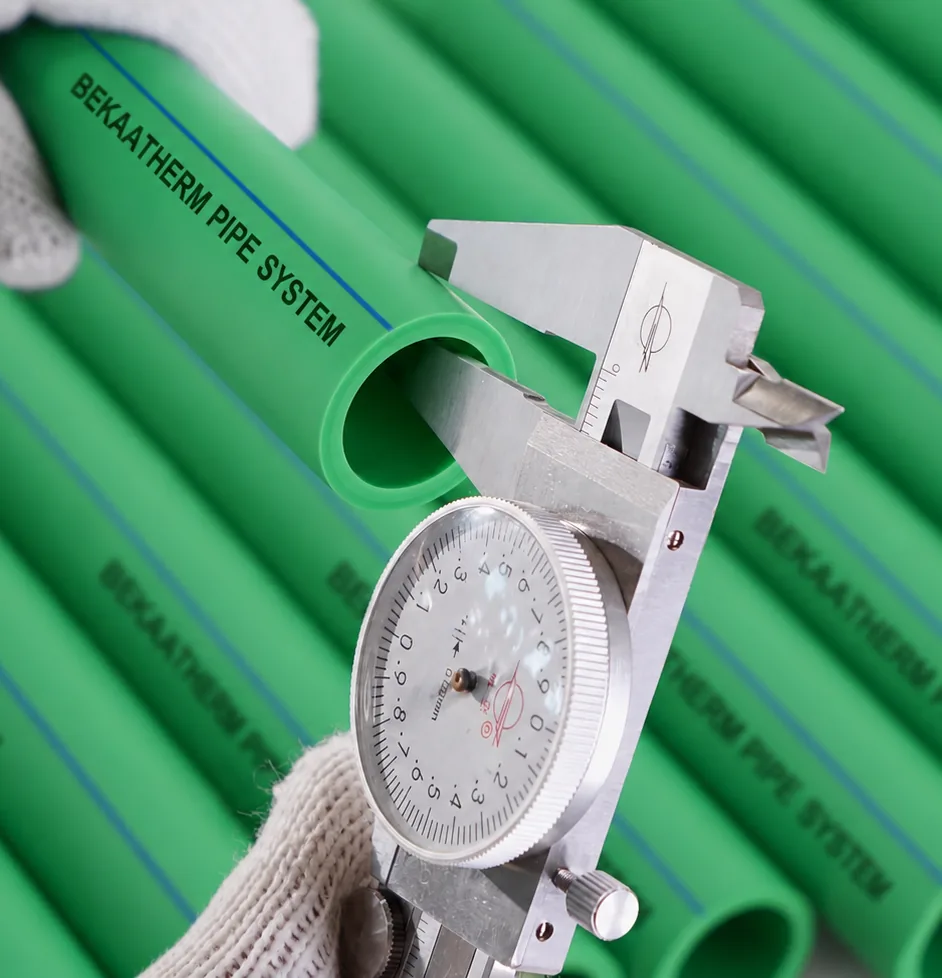
SKZ (Germany), Süddeutsches Kunststoff-Zentrum, is a German plastics-testing and certification body, widely regarded as one of the strictest certifications in the piping industry. What sets it apart is scope: SKZ doesn’t just test a sample once and move on. It certifies the product’s quality and monitors the manufacturer’s ongoing production process. For a buyer, that’s the difference between “a good sample passed a lab” and “this factory is held to a standard on every run.” When PPR pipe carries an SKZ mark, you’re buying into a monitored process, not a one-off pass, which is exactly what an OEM brand or a project consultant wants behind their name. Bekaatherm’s PPR / PE systems are SKZ-certified; certificate numbers are available on request.
It is worth being precise about what SKZ certifies against. A certification body does not invent its own pass mark; it tests against a published standard. For PPR that standard is the ISO 15874-1:2013 series for polypropylene hot- and cold-water piping systems, with the pipe requirements set out in ISO 15874-2:2013, fittings in ISO 15874-3 and whole-system fitness for purpose in ISO 15874-5, alongside the German DIN 8077 dimensional series and DIN 8078 general quality requirements. When you ask a supplier “certified to what?”, those numbers are the answer you are looking for.
Why does the ongoing-audit part matter so much in practice? Because the failure mode buyers actually fear is not “the first sample was bad”, it is “sample number one passed, and then quality drifted on the third production run once we’d committed.” A one-time type test cannot catch that drift. A certification that audits the factory can. For PPR specifically, drift shows up in the places that cost you later: resin consistency, wall-thickness tolerance across the 20–63 mm range against the DIN 8077 series, weld-zone integrity, and the pressure margin that separates a PN20 pipe from a PN25 one. An SKZ regime is designed to keep those parameters inside spec run after run, which is precisely the reassurance a private-label brand needs when its own logo is on the pipe.
| Issuing body | SKZ, Germany |
| What it covers | Product quality + production monitoring |
| Why it’s strict | Audits the factory, not just a sample |
| Best signal for | OEM brands & consultants |
| Applies across | PPR plain · fiberglass · aluminium-composite ranges |
| Certificate no. | Available on request |
CE Marking, Regulatory Compliance for Europe
The CE mark declares that a product meets the relevant EU health, safety and environmental requirements. For a PPR pipe importer shipping into Europe, CE is frequently what customs and buyers look for first, it’s the broad “this product is allowed on the EU market” signal. It is not a quality-ranking or a drinking-water hygiene mark on its own; it’s regulatory conformity. Read it as your entry passport into European trade, then layer the application-specific marks (like WRAS for potable water) on top. Bekaatherm’s products are CE-marked; the declaration and certificate are available on request.
The most common CE mistake in the pipe trade is treating the mark as a quality ranking or a global pass. It is neither. CE says a product is eligible for the EU/EEA market against the applicable directives, it does not rank one PPR pipe above another, and it carries no automatic weight outside Europe. A buyer shipping into the Gulf, North Africa or Central Asia should confirm the local standard for that destination rather than assuming a CE mark alone clears every customs desk. Think of CE as one gate, the European market-access gate, not the whole fence.
| Region | European Union / EEA market |
| What it proves | Conformity with EU health & safety rules |
| Typical role | Customs clearance & market access |
| What it is not | A drinking-water hygiene approval |
| Certificate / DoC | Available on request |
Ask which certs your market needs
WRAS Approval, Certified Safe for Potable Water
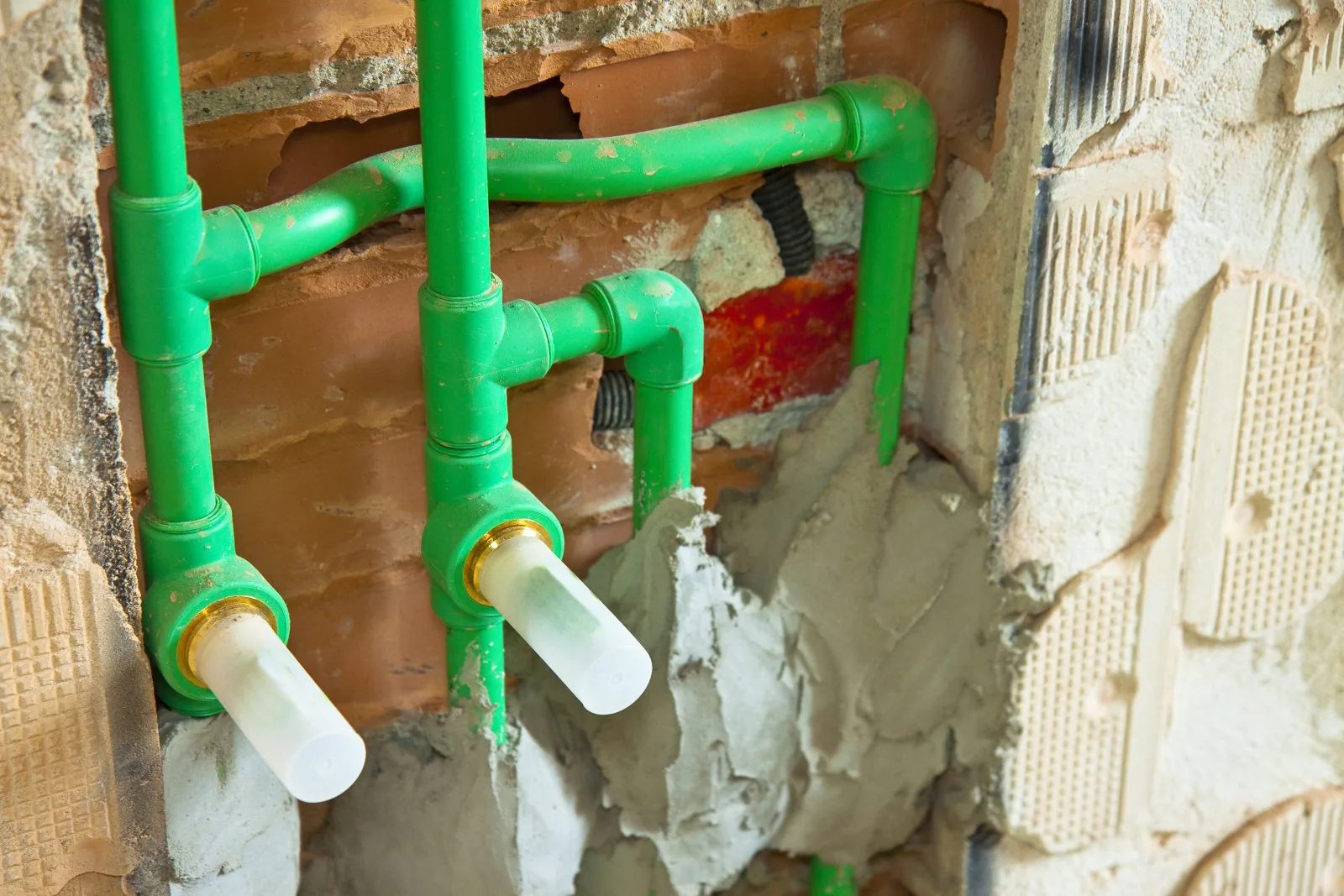
WRAS Approvals (Water Regulations Advisory Scheme) is a UK-based approval confirming that a material or product is safe for contact with drinking water, that it won’t taint, contaminate, or leach into the water it carries. Where CE says “allowed on the market,” WRAS says “safe to touch the water people drink.” For any potable-water system, hospital, school, or residential project, WRAS is often the certificate a consultant specifically asks for, and it’s a strong reassurance for OEM brands selling into hygiene-sensitive markets. Bekaatherm’s PPR system carries WRAS approval; the certificate is available on request.
For PPR the WRAS question is fundamentally material-driven. PPR (random-copolymer polypropylene) is chosen for potable systems precisely because it is inert, non-toxic and does not corrode, scale or impart taste and odour the way some metallic systems can over time. A WRAS approval turns that material property into a documented, third-party-backed claim your consultant can accept on paper, which is what a submittal reviewer needs when a residential tower’s cold-water riser or a school’s drinking fountains are riding on your pipe. When you request a WRAS certificate, confirm the approval covers the specific PPR family you are buying (plain, fiberglass-composite or aluminium-composite), because scope is defined by material and product, not by brand alone.
| Origin | UK, Water Regulations Advisory Scheme |
| What it proves | Safe for contact with drinking water |
| Best signal for | Potable-water projects & tenders |
| Typical projects | Residential towers, hospitals, schools |
| Pairs with | CE (access) + SKZ / ISO (quality) |
| Certificate no. | Available on request |
ISO 15874, The Managed-Quality Baseline
For PPR the relevant ISO family is ISO 15874-1:2013, “Plastics piping systems for hot and cold water installations, polypropylene (PP), Part 1: General”, which defines the service-condition classes a system is designed against, while ISO 15874-2:2013 sets the pipe dimensions, wall thickness against pressure class and the hydrostatic-strength tests. Part 3 covers fittings and part 5 covers fitness for purpose of the assembled system. In Europe the same content is published as EN ISO 15874. ISO certification more broadly signals that a manufacturer runs a documented, managed quality system rather than an ad-hoc workshop. It’s the baseline buyers expect from a serious factory, the foundation that SKZ, CE and WRAS then build on for product- and application-specific claims. On its own, an ISO mark tells you how a factory is run; the product certifications tell you what the product is approved for. Together they answer both questions a cautious buyer asks: “Is this a real, systematic manufacturer?” and “Is this specific product approved for my use?” Bekaatherm operates under ISO 15874; details are available on request.
A managed quality system is also what makes the other certificates credible over time. SKZ audits and WRAS scope only hold up if the factory behind them keeps consistent records, traceable batches and repeatable process controls, which is exactly what an ISO framework is built to enforce. Read the four marks as a stack: ISO is the floor (the factory is systematic), SKZ raises quality assurance to an audited process, CE opens the European market, and WRAS certifies drinking-water safety. Buy from a supplier missing the floor and every mark above it becomes harder to trust.
How Certification Ties to Real Product Specs
Certificates do not float free of the product, a certificate’s scope is defined by material, size range and pressure rating. That is why “we’re certified” is a meaningless sentence until you can see the certificate next to the SKU. To make that concrete, here is the actual PPR range these certifications cover at Bekaatherm: six structures across six diameters, each with a defined wall thickness and pressure class. The wall thicknesses below follow the DIN 8077 dimensional series and the pipe requirements of ISO 15874-2:2013, which is what makes the numbers checkable rather than merely quoted. When you request certificates, they should map onto rows in a table like this one, same material, same size, same PN.
| OD (mm) | PPR plain PN20 | PPR plain PN25 | PPR-AL-PPR PN20 | PPR-AL-PPR PN25 | Fiberglass PN20 | Fiberglass PN25 |
|---|---|---|---|---|---|---|
| 20 | 20×2.8 | 20×3.4 | 20×3.1 | 20×3.4 | 20×2.8 | 20×3.4 |
| 25 | 25×3.5 | 25×4.2 | 25×3.3 | 25×4.2 | 25×3.5 | 25×4.2 |
| 32 | 32×4.4 | 32×5.4 | 32×4.1 | 32×5.4 | 32×4.4 | 32×5.4 |
| 40 | 40×5.5 | 40×6.7 | 40×5.0 | 40×6.7 | 40×5.5 | 40×6.7 |
| 50 | 50×6.9 | 50×8.4 | 50×5.5 | 50×8.4 | 50×6.9 | 50×8.4 |
| 63 | 63×8.6 | 63×10.5 | 63×7.0 | 63×10.5 | 63×8.6 | 63×10.5 |
Two practical takeaways for verification. First, pressure rating is part of scope. PPR PN20 is rated for roughly 20 bar at 20 °C and PN25 for 25 bar, a certificate that covers a PN20 SKU does not automatically cover the PN25 version, even at the same diameter. Second, material family is part of scope. Plain, fiberglass-composite and aluminium-composite pipes are distinct products; confirm the certificate names the family you’re buying. When a certificate, an SKU (article number BK-001…BK-024 for the pipe range), and a spec row line up, you have a claim you can defend at customs or in a submittal.
See the full PPR pipe range & specs
Which Certificate for Which Job, A Buyer’s Decision Table
There is no single “best” certificate, there’s the right set for your destination market and application. The wrong assumption (“we have CE, so we’re covered everywhere”) is exactly how shipments get stuck. Use this as a starting map, then confirm your local standard and request matching certificates by SKU before you ship. When in doubt, ask us which certificates your specific market and project require.
| Your situation | Certificate(s) usually expected |
|---|---|
| Importing into the EU / EEA | CE (market access) + a quality mark (SKZ / ISO) |
| Potable / drinking-water system | WRAS + CE, backed by SKZ / ISO |
| Project / consultant tender | Whatever the tender specifies, often SKZ / ISO + application cert |
| OEM / private label backing | Strongest quality mark (SKZ) for your brand claims |
| General hot & cold water supply | Quality mark (SKZ / ISO) + your local standard |
| MENA / Gulf distribution | Quality mark (SKZ / ISO) + destination-country standard; confirm locally |
A note for the geography that matters most for PPR: much of the real demand sits in the Gulf, North Africa, Central Asia and South-East Asia, where local standards vary market to market. There is no shortcut that replaces confirming the destination country’s own requirement, but the underlying quality marks (SKZ / ISO) travel with you as evidence of a serious, audited manufacturer, and having exported to 118+ countries means our certificates have already been read across a very wide range of customs desks. Tell us the destination and we will tell you the set to request.
Tell us your destination & application
Don’t Trust the Logo, Verify the Certificate
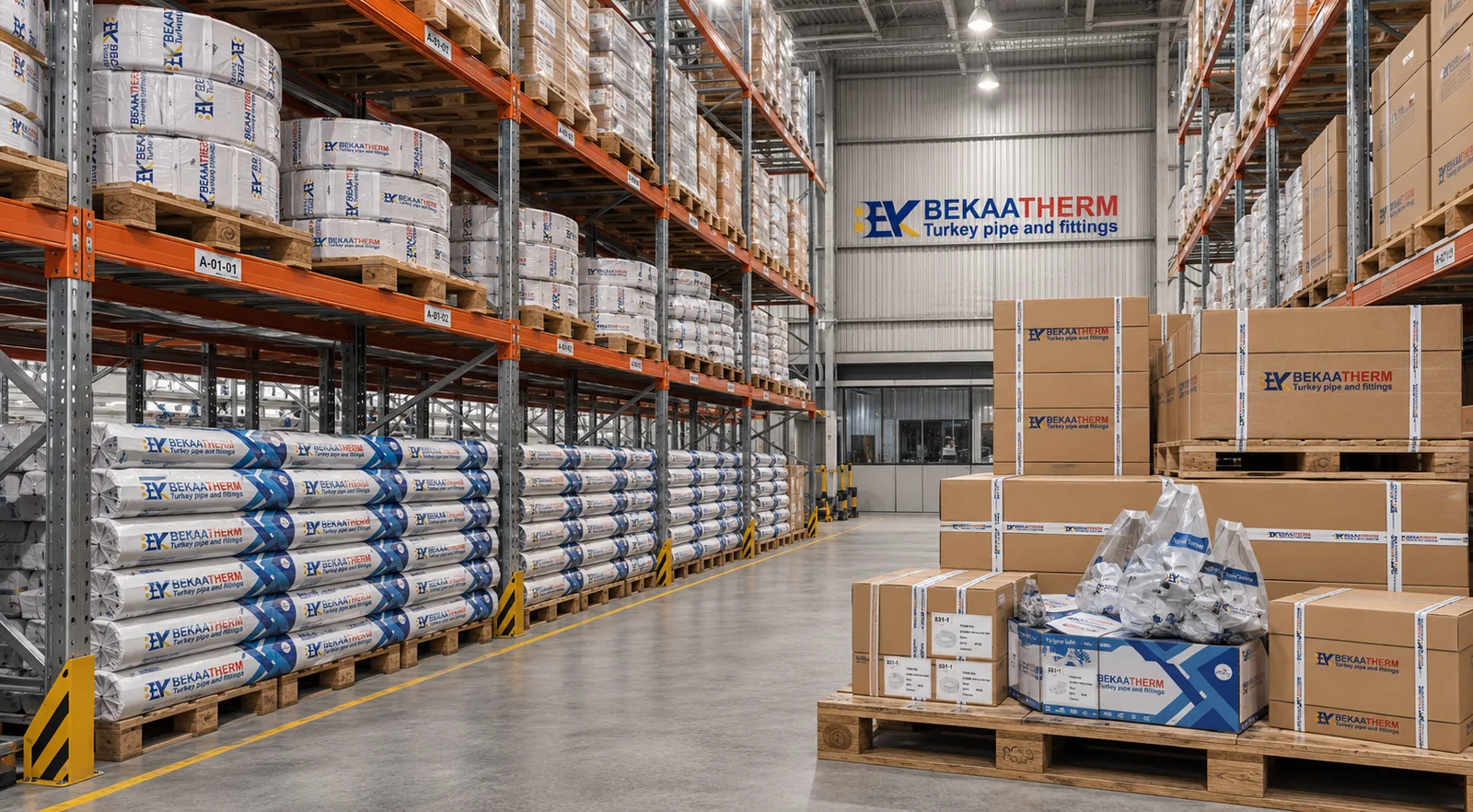
A logo on a website proves nothing. Cheap suppliers copy certification marks they don’t hold, or hold a certificate whose scope doesn’t cover the product you’re buying. Before you send a deposit, run every certification claim through four checks, and expect a real manufacturer to hand over the PDFs on request, not stall.
| Step | What to check | Why it matters |
|---|---|---|
| 1. Get the PDF per SKU | The certificate tied to the exact product & spec | A generic logo may not cover your SKU or PN rating |
| 2. Check the number | Certificate number against the issuing body’s register | Confirms the document is genuine, not photoshopped |
| 3. Confirm the scope | Product type, size range, pressure rating covered | Scope gaps are how “certified” pipe still fails inspection |
| 4. Check validity dates | Issue and expiry dates are current | Expired certificates clear no customs |
Two red flags that should slow you down before any deposit: a supplier who shows only logos and “gets back to you” about the actual PDFs, and a certificate whose scope is written so vaguely it could describe anything. The counter-signal is equally simple. A trustworthy supplier, when you ask for certificates, sends them, mapped to the SKUs you’re quoting, with numbers you can check against the issuing body’s register and validity dates that are current. Bekaatherm provides SKZ, ISO, CE and WRAS certificates on request, matched to your product and market; verification before commitment is exactly what we expect a professional buyer to do.
Request our certificates for your SKUs
What These Certifications Cover In the Field
Certificates exist to protect real installations, so it helps to see where certified PPR actually goes. The applications below are the ones consultants and clients most often ask certification questions about, potable supply, concealed hot-and-cold lines, heating circuits and manifold distribution. Each is a place where a scope gap or an expired certificate turns into a rejected batch or a liability question, and each is a place a full SKZ / ISO / CE / WRAS set is designed to cover.
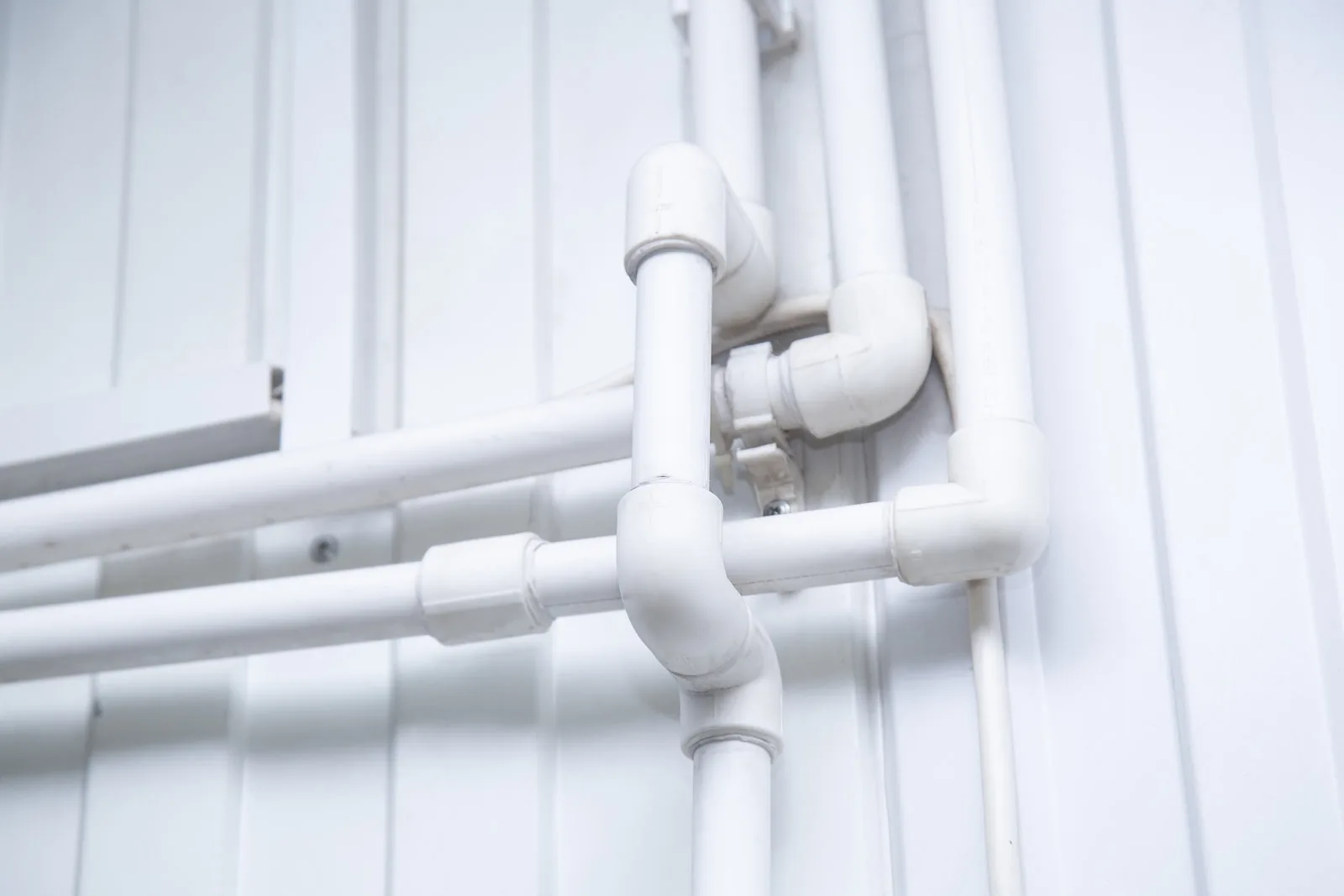

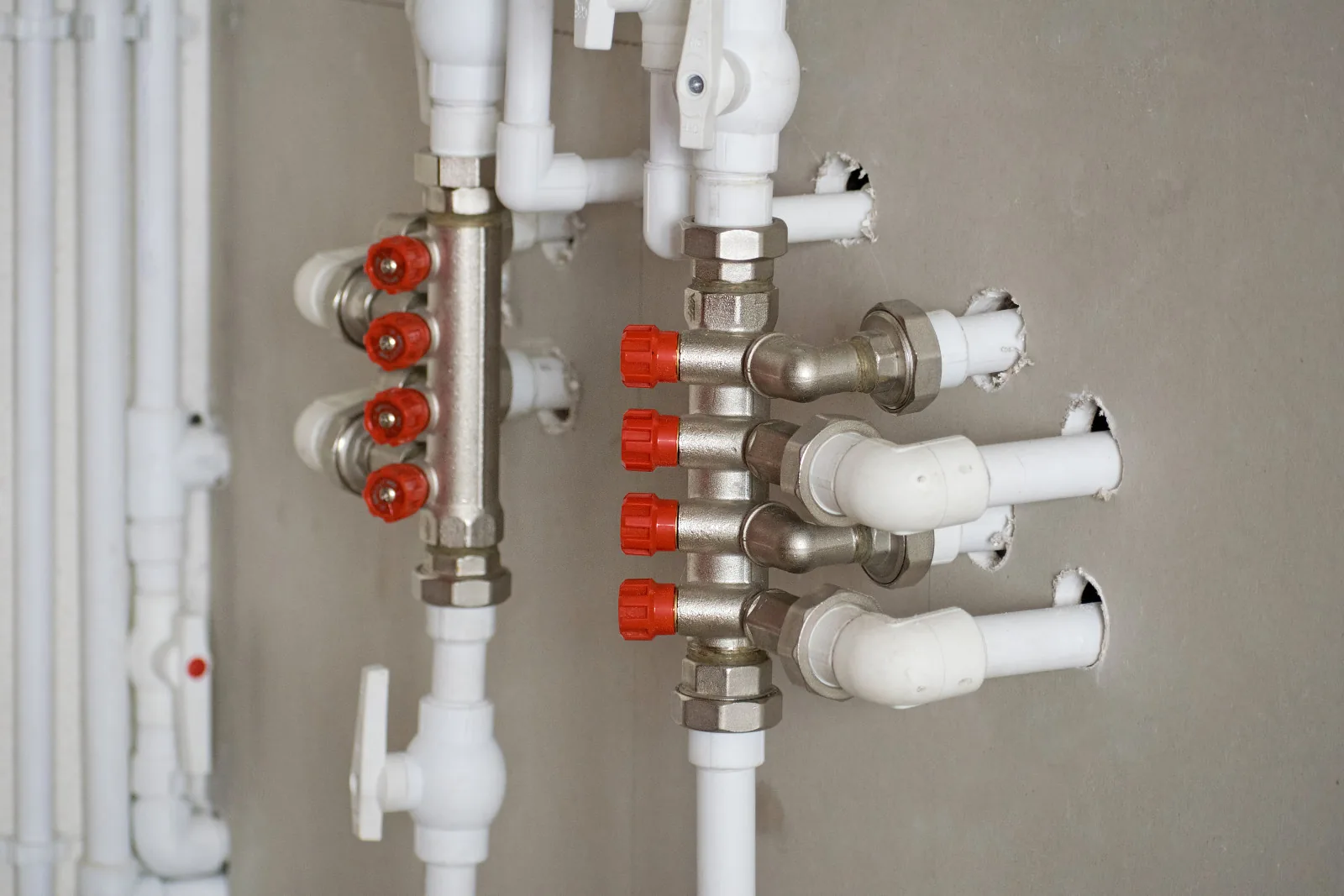
The pattern across all four: the certificate has to match the application demand. A heating circuit pushes higher temperatures and pressures, so the pressure class in the certificate scope becomes load-bearing; a potable riser makes the WRAS hygiene approval the document a reviewer wants to see. This is why the decision table above starts from your application, not from a logo.
The Certified Product Range, See What Ships
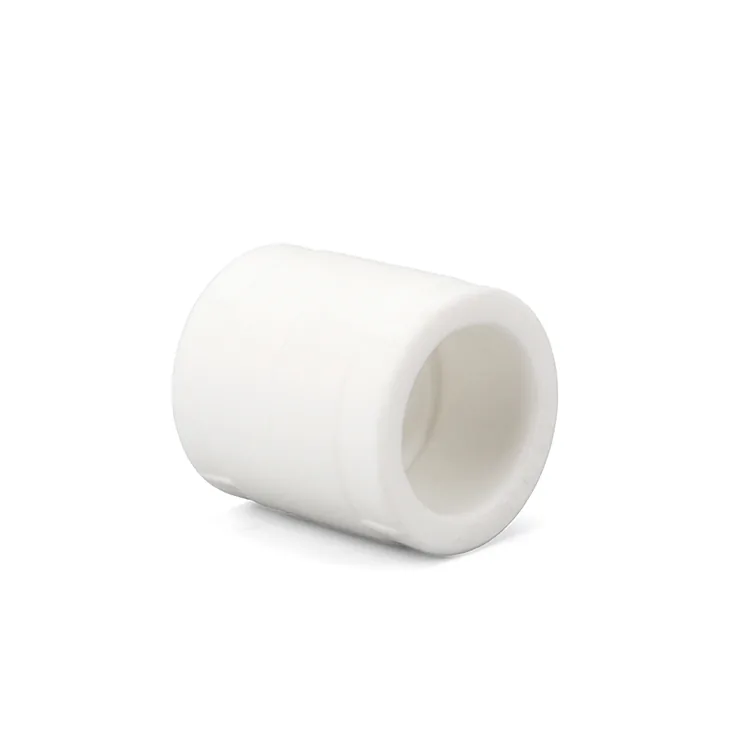
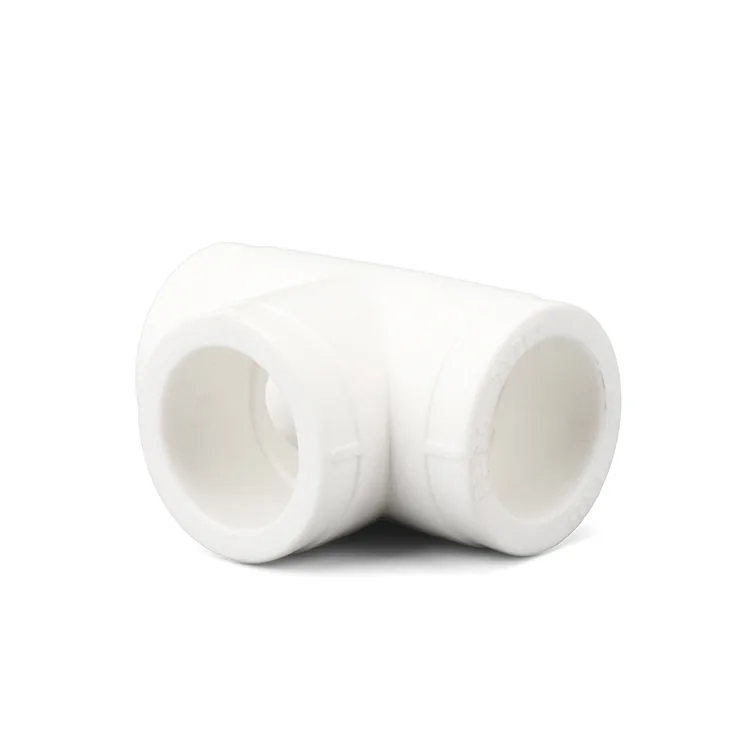
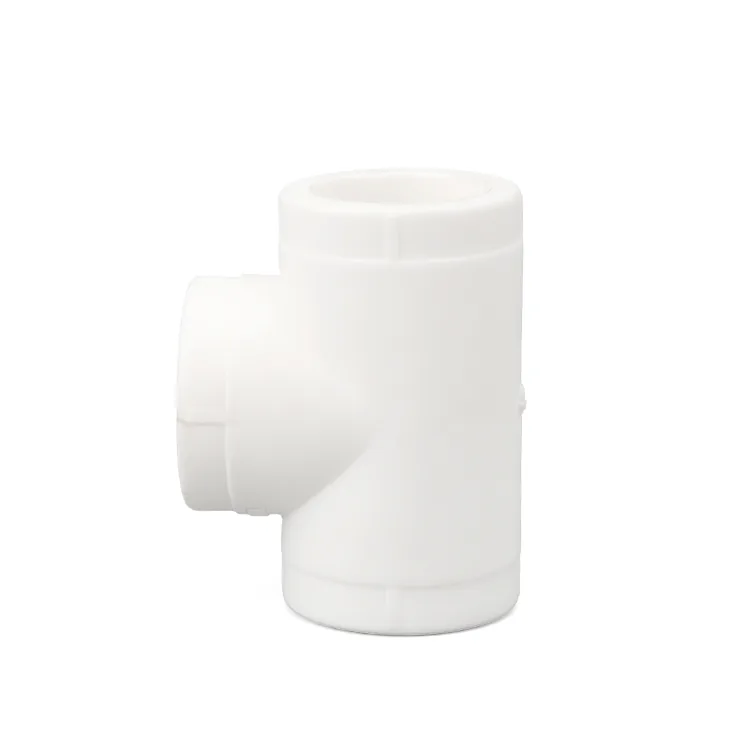
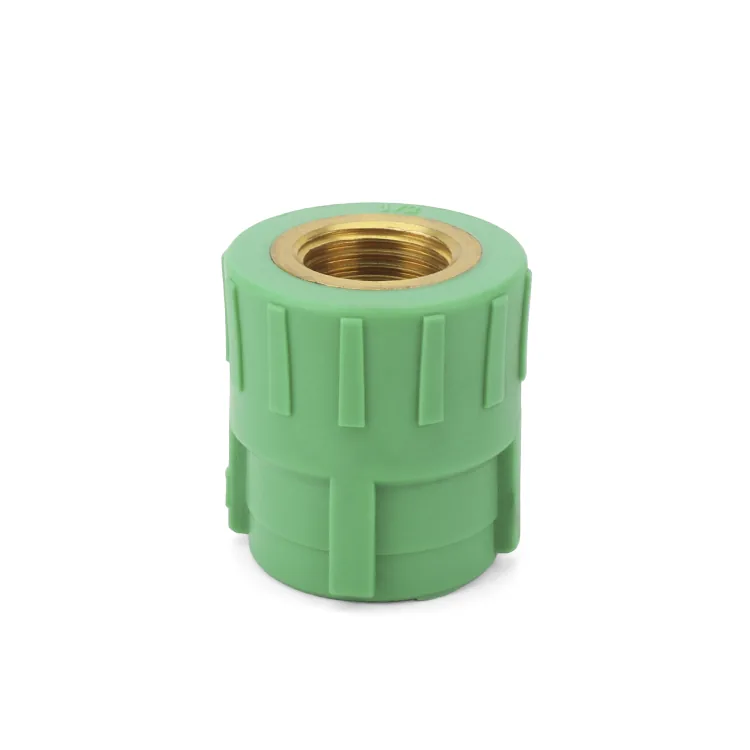
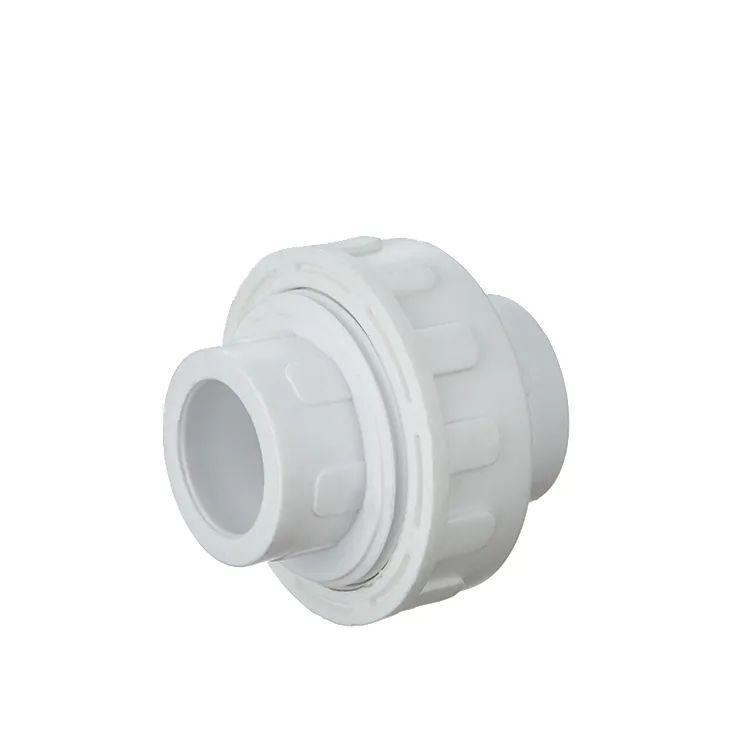
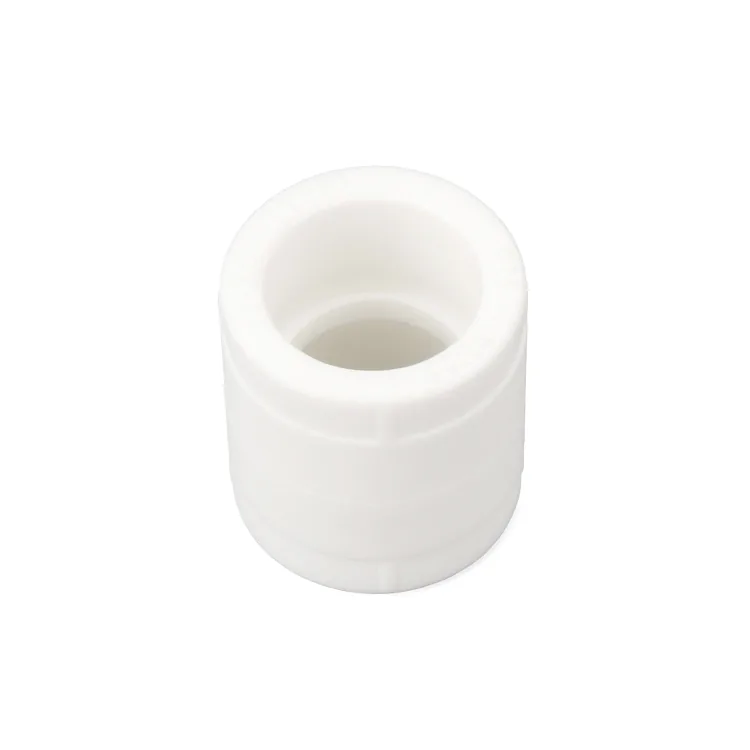
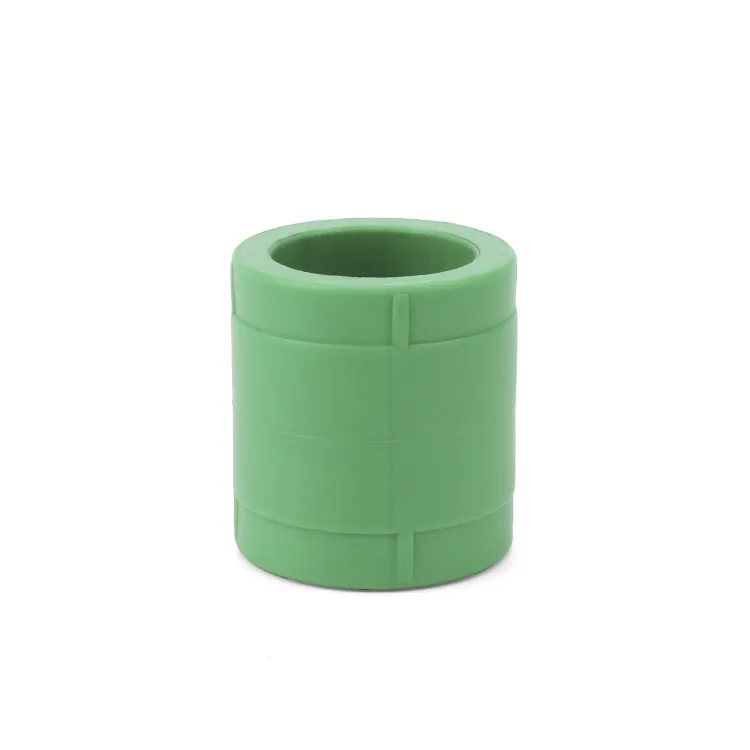
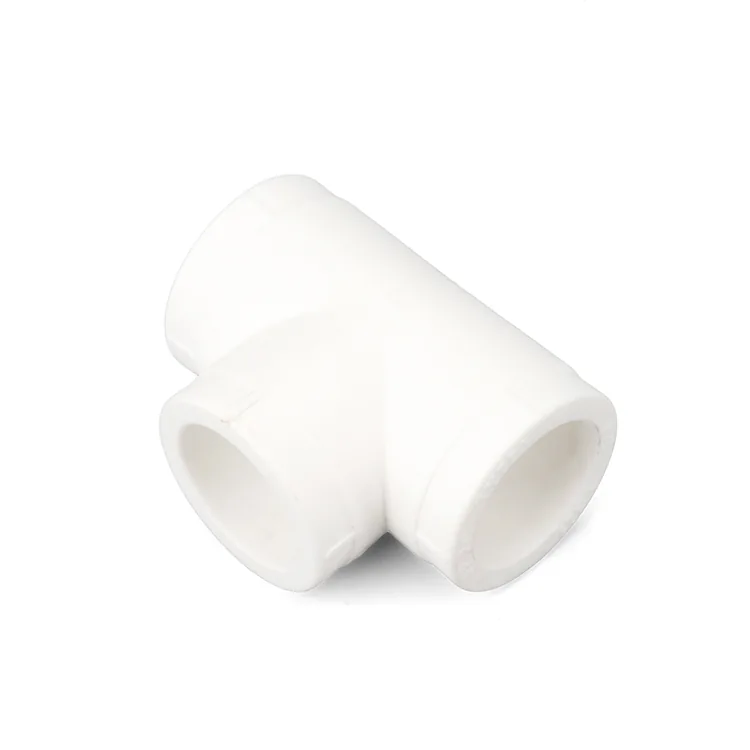
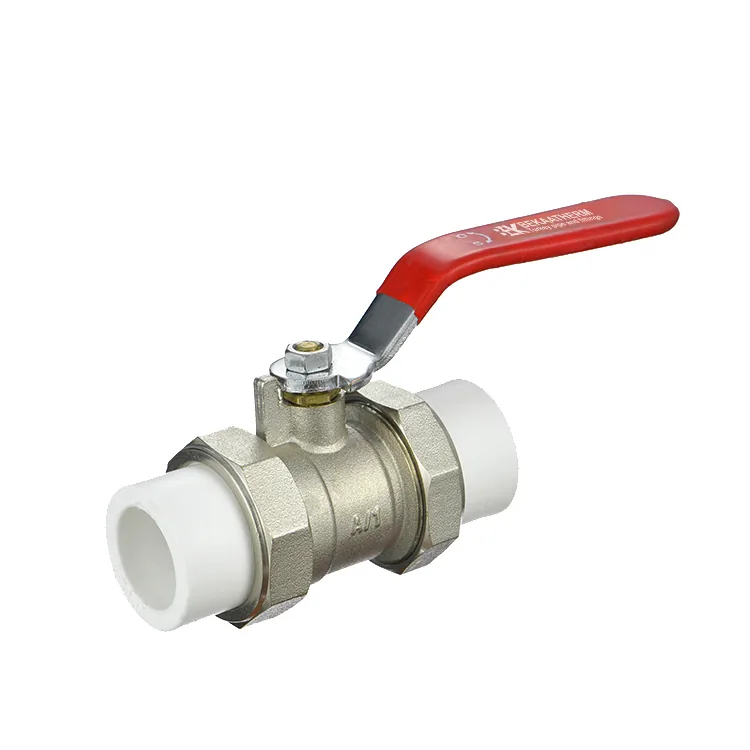
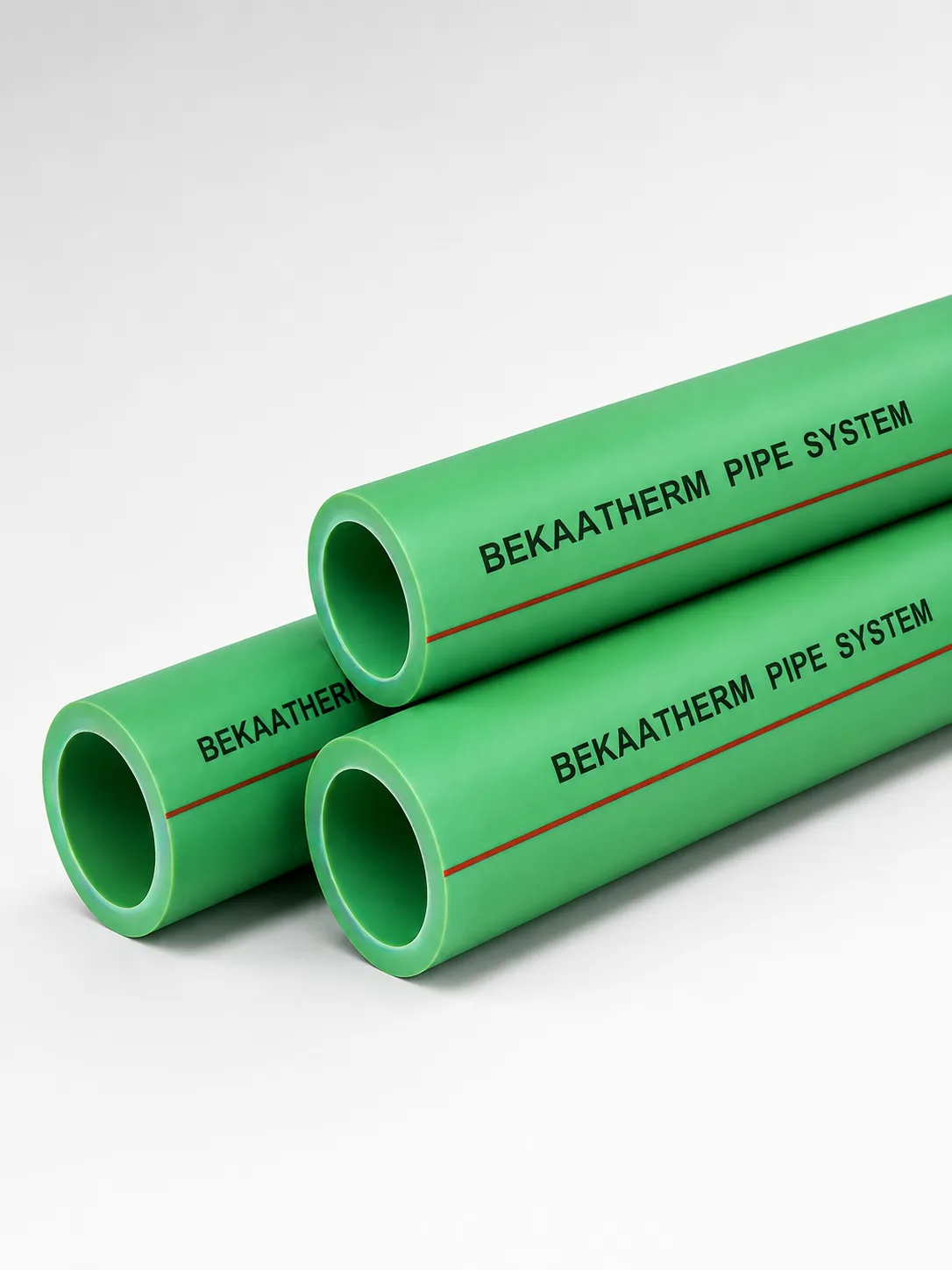
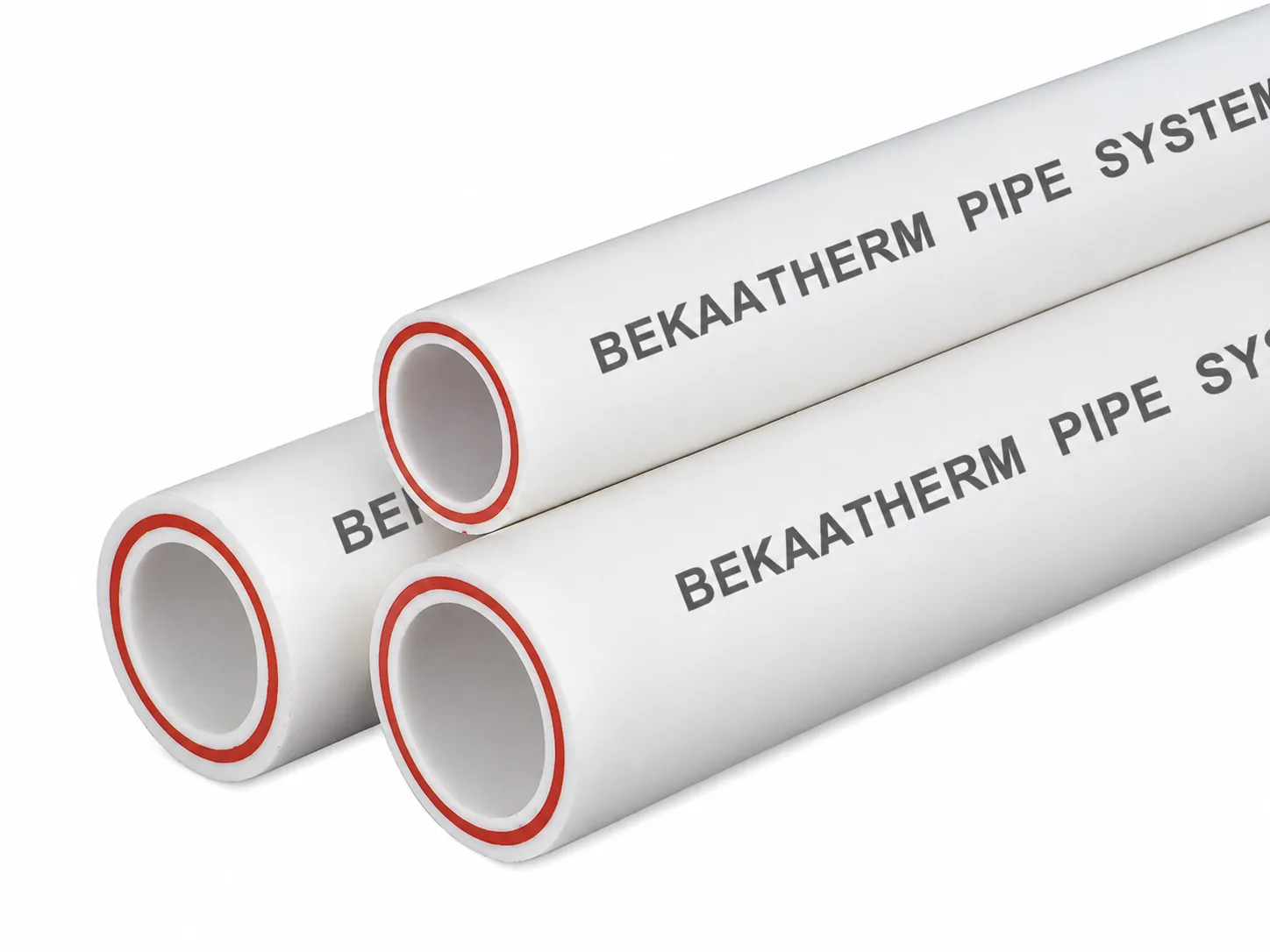
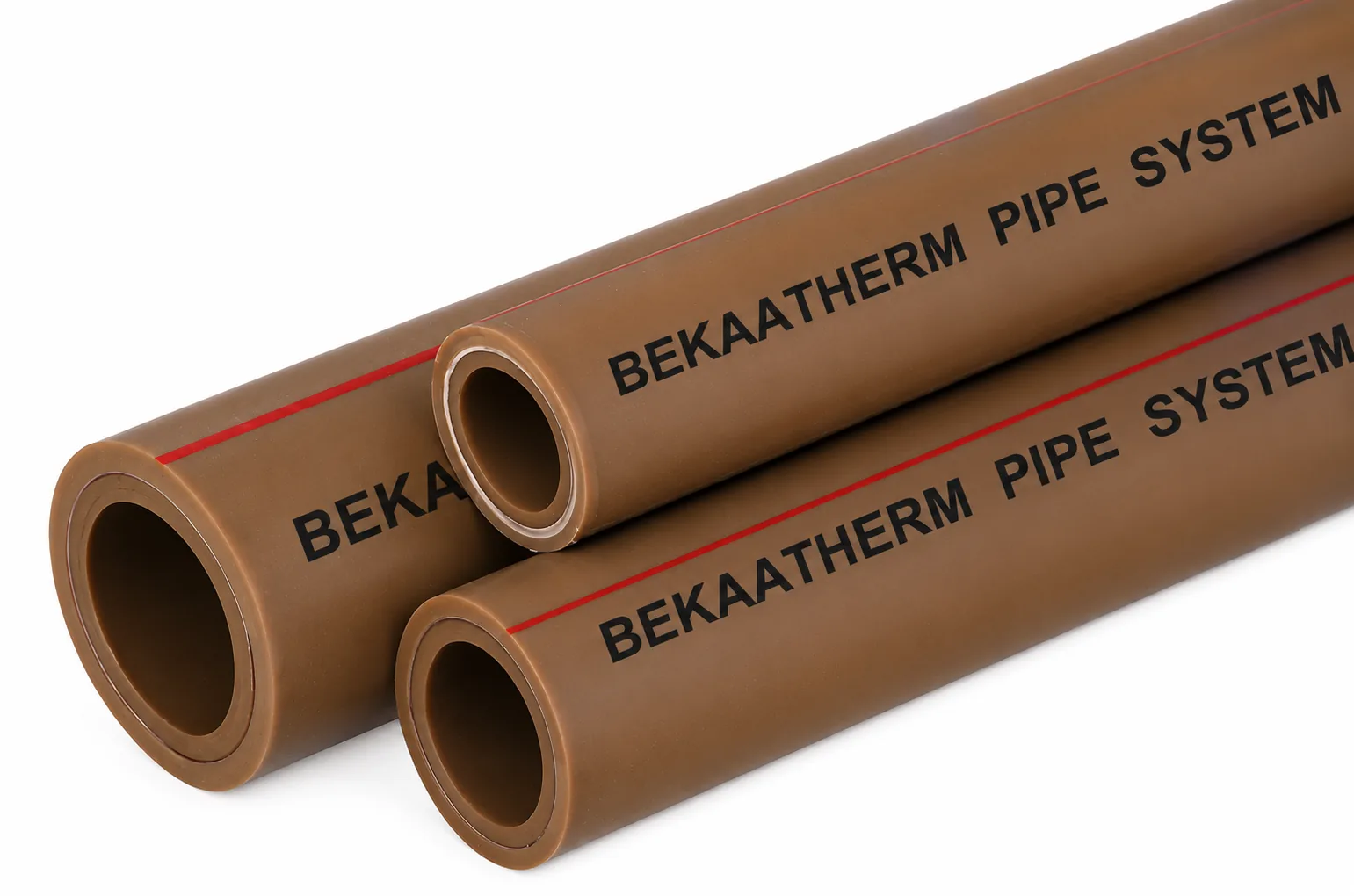
Certification is abstract until you see the product it protects. Below is a slice of the PPR system Bekaatherm manufactures under SKZ / ISO / CE / WRAS, pipe in the three-colour series (green, white, coffee), fittings with brass inserts, unions, sockets and tees. Every item in the catalogue can be quoted with its matching certificate on request.
Browse the full fittings range
Certification Is the Proof, The Factory Is the Reason
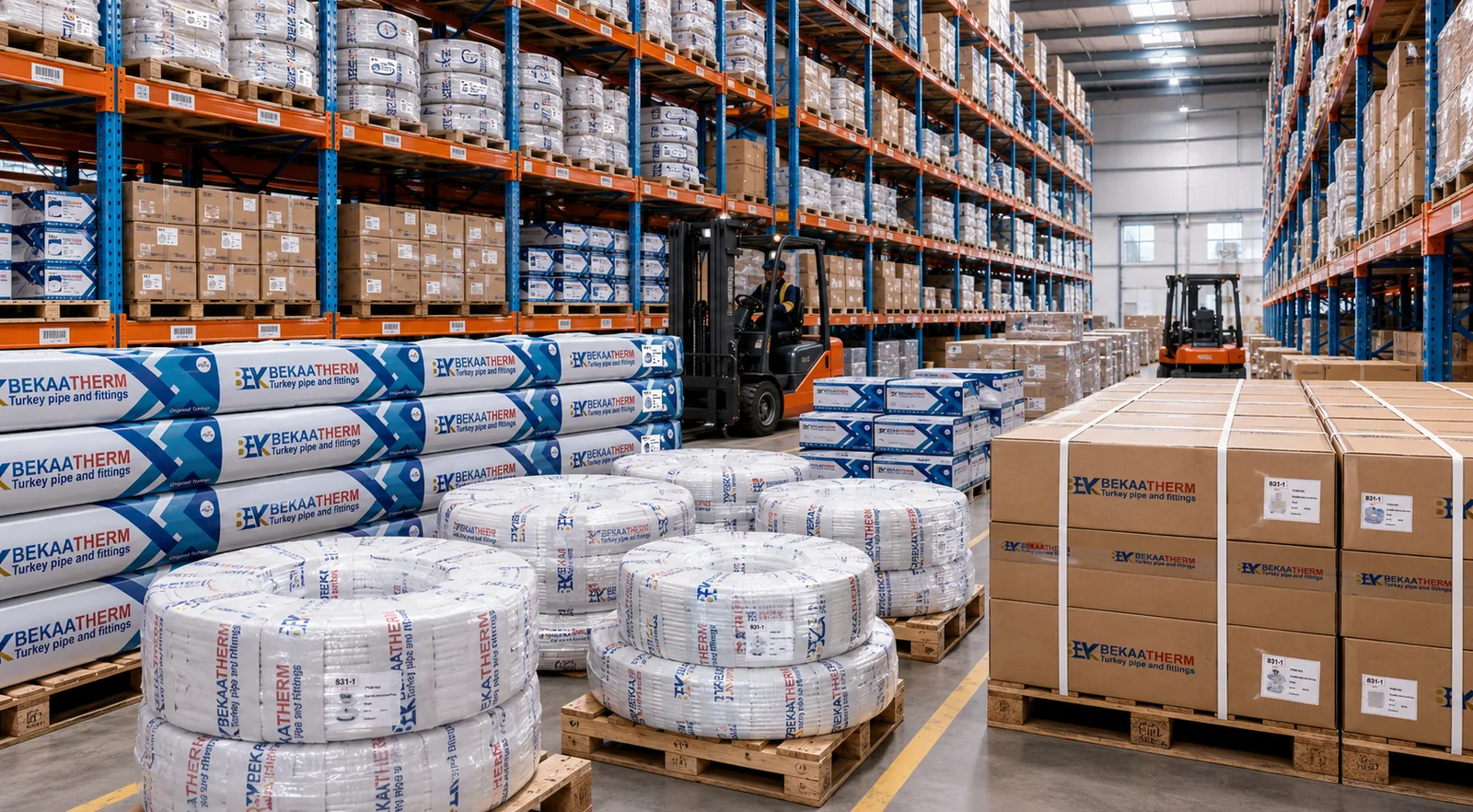
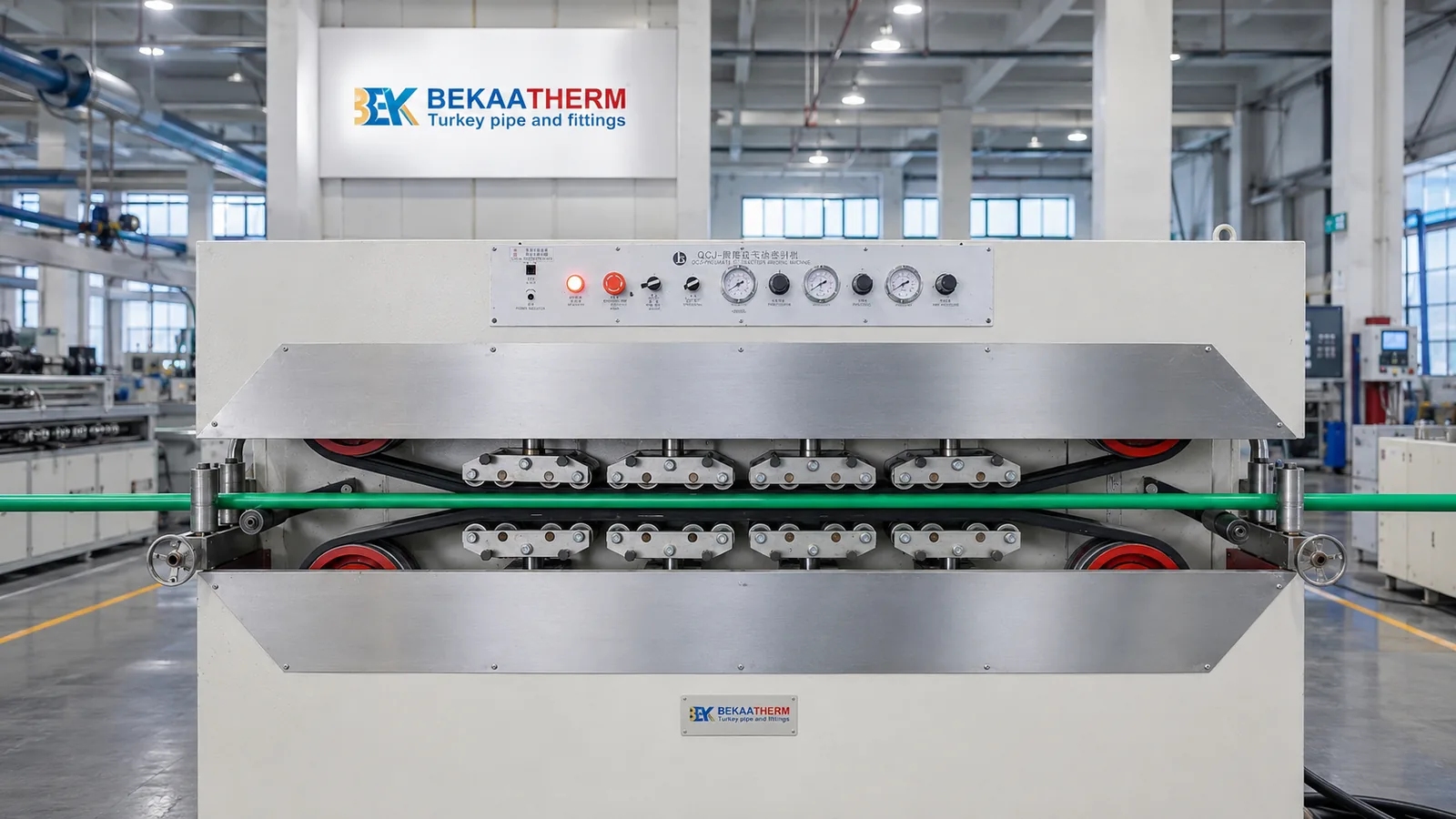
An SKZ mark means an audited process; but the reason our processes pass is 30 years of building PPR, PEX and PE systems, 100% high-grade resin, 10,000 molds, and a 120,000 m² plant that has exported to 118+ countries. Certifications tell you the pipe is compliant; that export record tells you the certifications have already been tested against real customs and real projects around the world. If you want the certificates behind a specific product, with numbers, scope and validity, ask, and our export team will send them mapped to your SKUs.
This is the difference between a trading company that resells certificates it doesn’t control and a manufacturer that earns them on its own line. When the factory, the mold library, the resin and the audit history all sit under one roof, a certificate is not a document borrowed to close a sale, it is a description of what actually happens on the extrusion line. That is what a 118-country export record ultimately certifies: not a logo, but a repeatable process the world has already inspected.
| Bekaatherm at a glance | Fact |
|---|---|
| Manufacturing experience | 30+ years (PPR / PEX / PE systems) |
| Certifications | SKZ · ISO 15874 · CE · WRAS |
| Standards referenced | ISO 15874-1/-2/-3/-5 · EN ISO 15874 · DIN 8077 / 8078 |
| Export reach | 118+ countries |
| Plant | 120,000 m² · 1,000+ staff · 10,000 molds |
| Raw material | 100% high-grade resin |
| Certificate numbers | Available on request |
Related reading
- Our Certifications, the full SKZ / ISO / CE / WRAS set, requestable by SKU.
- Quality Control & Testing, how every batch is tested before it ships.
- For Importers & Distributors, clearing customs and stocking a compliant range.
- For Projects & Contractors, certificates for your technical document pack.
- PPR Pipes, the PN20 / PN25 range these certifications cover.
- PN20 vs PN25, why pressure rating is part of certificate scope.