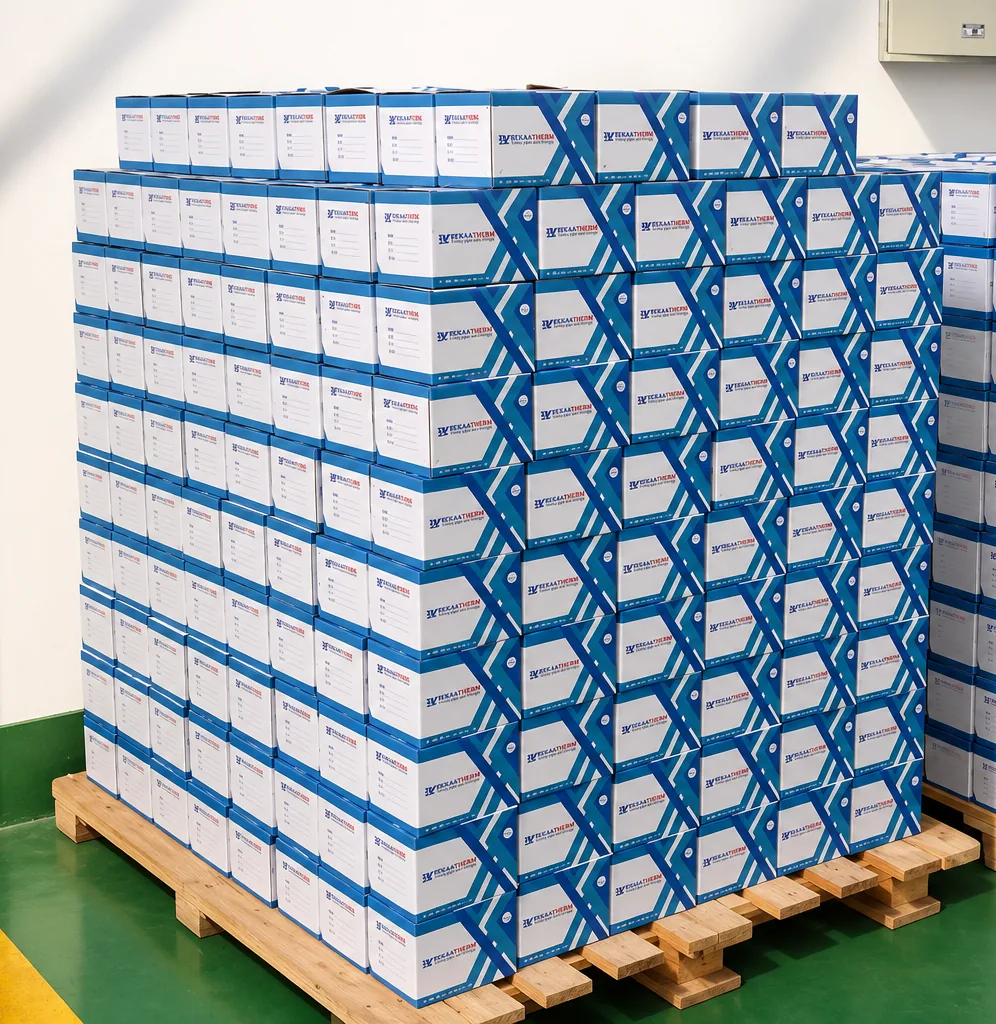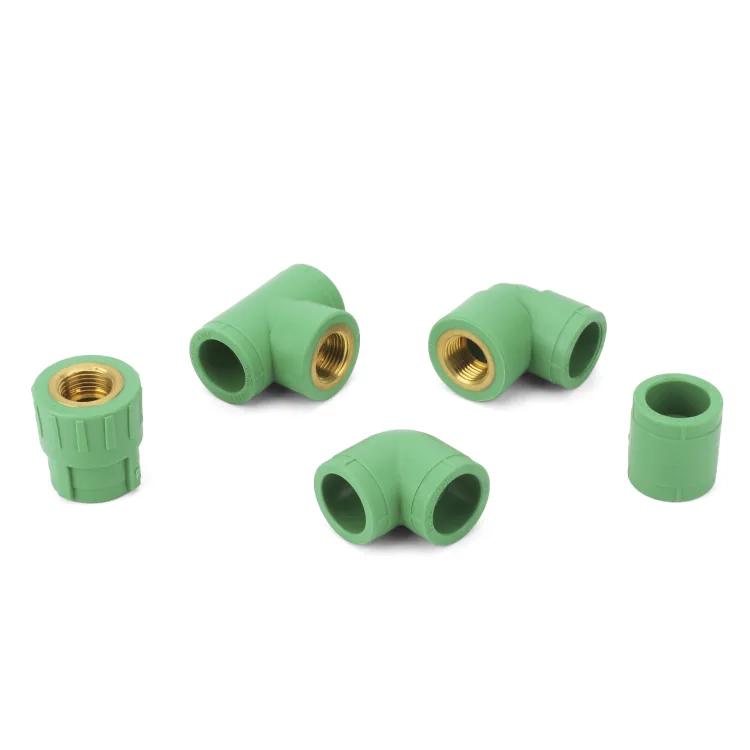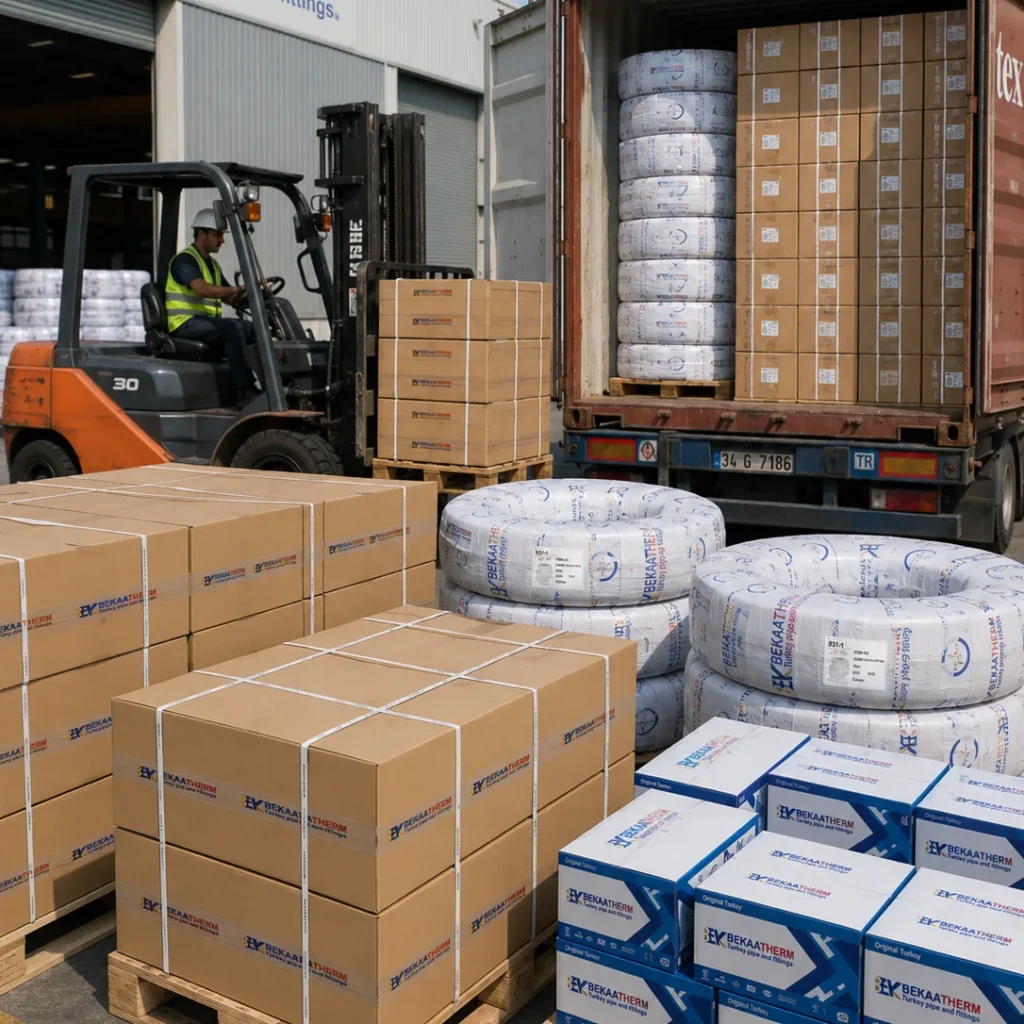
An HDPE pipe price arrives as one number in an email. Something like “DN63, USD 1.15 per metre, FOB.” The buyer sitting with two of those emails has no way to tell which one is real, because the number on its own carries almost no information — it is the answer to a question nobody wrote down.
Search for a benchmark and the results make it worse: a US home-improvement listing at 49 cents a foot, a dredging broker selling used 14-inch pipe at USD 14.50 a foot, and an aggregator quoting USD 0.20 to USD 0.45 per metre for 32mm PE100. Those three numbers describe three different transactions, in three different markets, and none of them is the one in front of you.
There is a way out of this, and it does not require anyone’s price list. Polyethylene pipe is mostly polyethylene, resin trades on published indices, and the mass of a metre of pipe is fixed by the dimension standard rather than by the seller. Multiply those two published numbers together and you get a floor — the raw material alone, before anyone has switched on an extruder.
At the Q2 2026 German contract price of USD 991 per tonne, a metre of DN110 SDR 17 pipe contains USD 2.17 of resin. That figure is not a quote and not an opinion; it is arithmetic on two documents, and it is the sharpest tool a buyer has for telling a thin quote from a real one.
Key Takeaways
- A per-metre HDPE price means nothing until it is tied to four things: outside diameter, SDR, material grade and the Incoterm.
- Resin sets a hard floor. At the Q2 2026 German index of USD 991 per tonne, bare material alone costs USD 0.20 per metre at DN32 SDR 17 and USD 2.17 per metre at DN110 SDR 17.
- Moving from PN10 to PN16 at the same diameter adds 42% to 47% more polymer per metre, which is why “the same pipe” comes back at two prices.
- In one quarter, the reported spread between the cheapest and dearest region was USD 336 per tonne — the UK ran 33.9% above Germany. Where your supplier buys resin can outweigh how hard you negotiate.
- Compare quotes per kilogram, not per metre. Per-kilogram is the only comparison that exposes an underweight pipe.
- HDPE fills a container by volume long before it reaches the weight limit, so coiling and nesting decide freight per metre, not tonnage.
- Bekaatherm quotes FOB İstanbul or Mersin by default, with a 30% T/T deposit and 70% against copy B/L, and 15–25 days production on regular sizes.
What a Quoted HDPE Pipe Price Actually Contains
A price per metre is a ratio, and like any ratio it is meaningless until you know what sits underneath it. Two suppliers can both write “DN63 HDPE pipe” and mean products that differ by nearly half their material content. Before a number can be judged at all, it has to be pinned to four things.
- Outside diameter: PE pipe is sized on the outside, so DN63 is 63 mm across the outside regardless of pressure class. The bore changes with the wall; the outside does not.
- SDR, which sets the PN: the ratio of outside diameter to wall thickness. A lower SDR means a thicker wall, a higher pressure rating and more polymer per metre. This is the single biggest lever on price within one diameter.
- Material grade: PE100, PE80, or a crack-resistant PE100-RC. Under ISO 12162 these carry minimum required strengths of 10.0, 8.0 and 10.0 MPa respectively, which is what ISO 4427 then converts into a pressure class, and they are not interchangeable at the same wall.
- Incoterm: an ex-works number and a CIF number for identical pipe can differ substantially, depending on origin port, destination market and the freight lane in force that month. Bekaatherm quotes FOB İstanbul or Mersin by default, with CFR and CIF on request.
Miss any one of those and you are not comparing prices, you are comparing adjectives. This is also why the cheap numbers that surface in a search are not usable as benchmarks. A retail listing prices a single stick over a counter in one country, with that country’s duty, freight and shop margin already inside it. A surplus broker prices used pipe pulled out of a dredging job. An aggregator publishes a band with no diameter, no SDR and no date attached to it. None of those is the transaction an importer is doing.
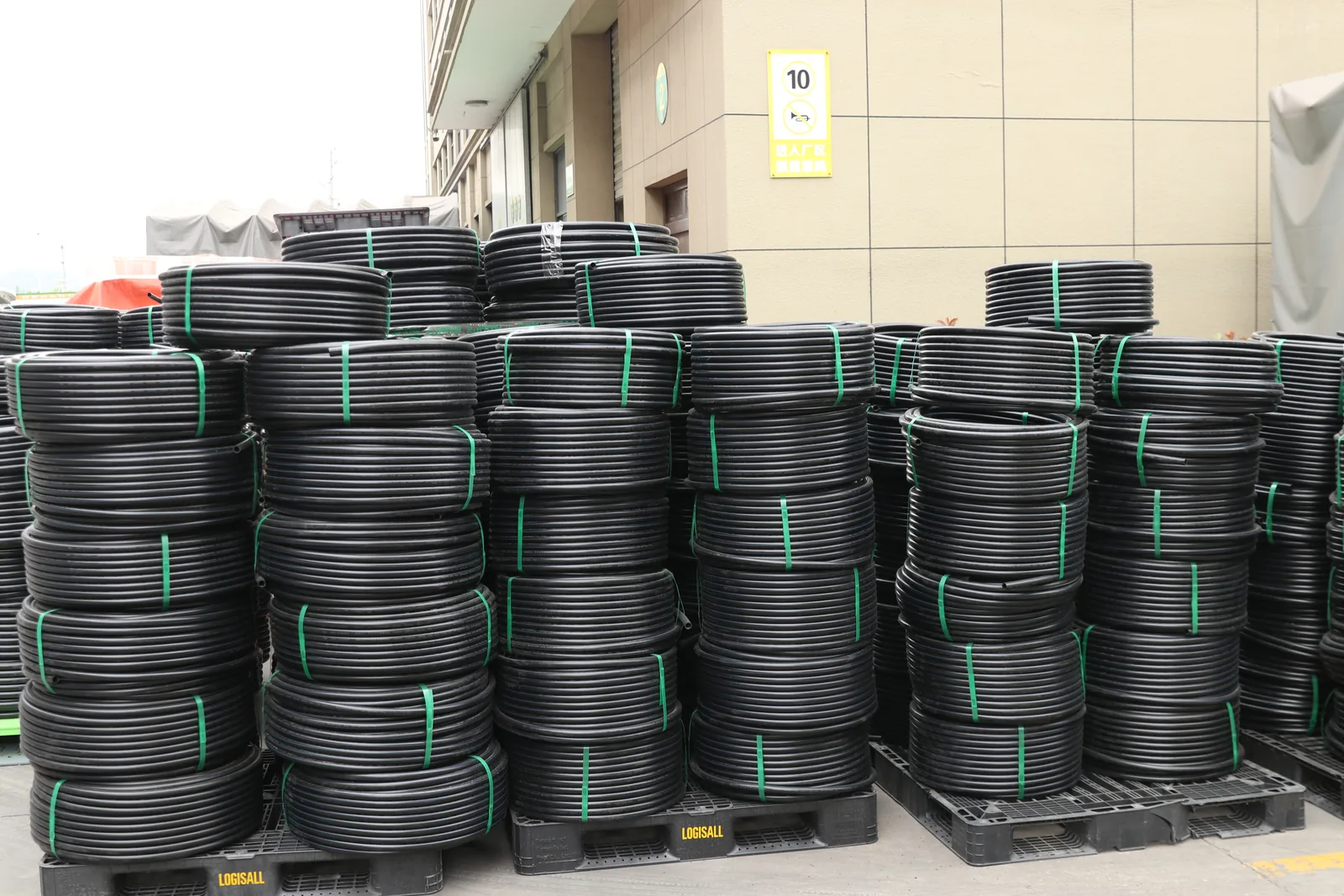
The same DN number covers every pressure class in the range. Two quotes for one diameter can describe pipe with 45% different wall mass, which is where most price gaps come from.
Who this page is for, and who it is not for
Being honest about scope saves everyone time. This page is written for people buying pipe by the container and comparing supplier quotes across borders.
| Written for | Not written for |
|---|---|
| Importers and distributors comparing factory quotes across countries | Homeowners or trade counters buying one or two lengths |
| Project buyers costing an irrigation or municipal water network | Anyone shopping a US retail yard, where the posted price already includes local duty and margin |
| Buyers who have a quote in hand and want to test whether it is credible | Buyers of used or surplus pipe, where condition sets the price, not material |
| Anyone specifying pressure class and wondering what the upgrade costs | Readers who want a single national retail price list for their own market |
One more piece of scope, stated plainly because it shapes everything below. This page does not publish a Bekaatherm price per metre, and you should be suspicious of any manufacturer page that does — a published number is stale the week resin moves, and the figures below show exactly how fast that happens. What this page gives you instead is the floor that no supplier can go under, the structure a real quote has, and every commercial term that turns a unit price into money leaving your account.
The Resin Floor: What HDPE Pipe Cannot Cost Less Than
Almost everyone in this trade will tell you that resin is roughly 60% to 75% of what a pipe costs to make. It is a useful rule of thumb and it is quoted everywhere, but a rule of thumb cannot tell you whether the quote in your inbox is honest. What can is a calculation, and it needs only two published documents.
The first is a resin price. IMARC’s quarterly assessment put HDPE at USD 991 per tonne in Germany for Q2 2026 — the lowest of the five regions it reports, and a reasonable European reference. The second is the mass of a metre of pipe, which is not a commercial figure at all: it falls out of the dimension standard. A PE100 technical data sheet conforming to ISO 4427 and DIN 8074 gives 2.19 kg per metre for DN110 at SDR 17. Multiply and you have the raw material content of that metre: USD 2.17.
The floor is not a target price. It is the number below which a quote has stopped describing the pipe it claims to describe.
The floor, size by size
Here is that arithmetic across the sizes most often quoted, at both common pressure classes. Every figure is USD per metre of bare resin at the Q2 2026 German index, and every mass comes from the same ISO 4427 / DIN 8074 data sheet.
| Size | SDR 17 / PN10 mass | Resin floor, USD/m | SDR 11 / PN16 mass | Resin floor, USD/m |
|---|---|---|---|---|
| DN20 | not made in this class | — | 0.118 kg/m | USD 0.12 |
| DN25 | not made in this class | — | 0.173 kg/m | USD 0.17 |
| DN32 | 0.198 kg/m | USD 0.20 | 0.282 kg/m | USD 0.28 |
| DN50 | 0.458 kg/m | USD 0.45 | 0.673 kg/m | USD 0.67 |
| DN63 | 0.728 kg/m | USD 0.72 | 1.06 kg/m | USD 1.05 |
| DN110 | 2.19 kg/m | USD 2.17 | 3.18 kg/m | USD 3.15 |
Now put that beside the aggregator figure quoted at the top of this page. One page-one result offers 32mm PE100 pipe at USD 0.20 to USD 0.45 per metre. The resin in a metre of DN32 SDR 17 costs USD 0.20. At the bottom of that published band, the pipe is being priced at the cost of its raw material with nothing left over for extrusion, scrap, packing, freight or profit — which tells you the quote is either a different specification, a different market’s currency, or simply not real.
What the gap above the floor pays for
The distance between the floor and a genuine FOB price is not margin. It covers converting resin into pipe: extrusion energy and line time, the scrap generated on start-up and size changes, carbon black and stabiliser packages, coiling or bundling and the packing itself, batch testing, certification upkeep, plus overhead and the manufacturer’s margin. We are deliberately not putting a number on that stack, because no authoritative public source prices it and inventing one would undermine everything above. The useful discipline is the other direction: you know what the material costs, so you know what the quote is claiming to do the rest of the work for.
Three reasons a quote lands below the floor
When a per-metre number comes in under the resin content of its stated specification, one of three things is happening, and each is checkable.
- The wall is thinner than the SDR on the quote. Ask for weight per metre and compare it against the standard’s theoretical mass. A pipe running 10% light is 10% short of polymer, and that shortfall lands on the pressure rating.
- The material is not what it says. Recycled or reprocessed content lowers input cost and lowers long-term strength with it. Ask what proportion of the compound is virgin material and ask for the resin batch documentation.
- The SDR quoted is not the SDR shipping. The cheapest way to hit a price target is to send a thinner class and hope nobody weighs the delivery. The printed marking on the pipe is your evidence; check it against the packing list before the container leaves.
None of this makes a low quote fraudulent by definition. A supplier who bought resin before a price rise, or who runs a highly utilised line, can legitimately sit closer to the floor than a competitor. But the floor tells you when a difference is too large to be explained by efficiency, and that is precisely the moment to ask for weight per metre in writing.
Why the Same Diameter Comes Back at Two Different Prices
A buyer sends the same enquiry to two factories and gets DN63 back at USD 1.15 and USD 1.60. Nothing looks wrong with either email. The gap is 39%, which is far too wide to be a negotiating position, and in most cases it is not a negotiating position at all — it is two different pipes.
Pressure class is usually the whole answer
The pressure rating comes from the wall, and the wall is polymer you pay for. Under ISO 12162 — the material classification standard — PE100 has a minimum required strength of 10.0 MPa; ISO 4427 then applies the 1.25 design coefficient used for water to give a design stress of 8 MPa, which is what makes SDR 11 a PN16 pipe and SDR 17 a PN10 pipe at 20 °C. The commercial consequence is measurable, and it is not the same at every size.
| Size | PN10 wall | PN16 wall | Extra polymer per metre |
|---|---|---|---|
| DN32 | 2.0 mm | 3.0 mm | +42% |
| DN50 | 3.0 mm | 4.6 mm | +47% |
| DN63 | 3.8 mm | 5.8 mm | +46% |
| DN110 | 6.6 mm | 10.0 mm | +45% |
So the DN63 gap of 39% is almost exactly the 46% material difference between PN10 and PN16, softened by the fact that conversion costs do not rise as fast as material. The cheaper quote is very probably PN10 and the dearer one PN16, and the buyer’s real question is not which supplier is greedy but which pressure class the network actually needs. That is a design decision with a cost attached, and it belongs to the specifier rather than the negotiator. Our guide to SDR, PN and wall thickness works through how to choose it.
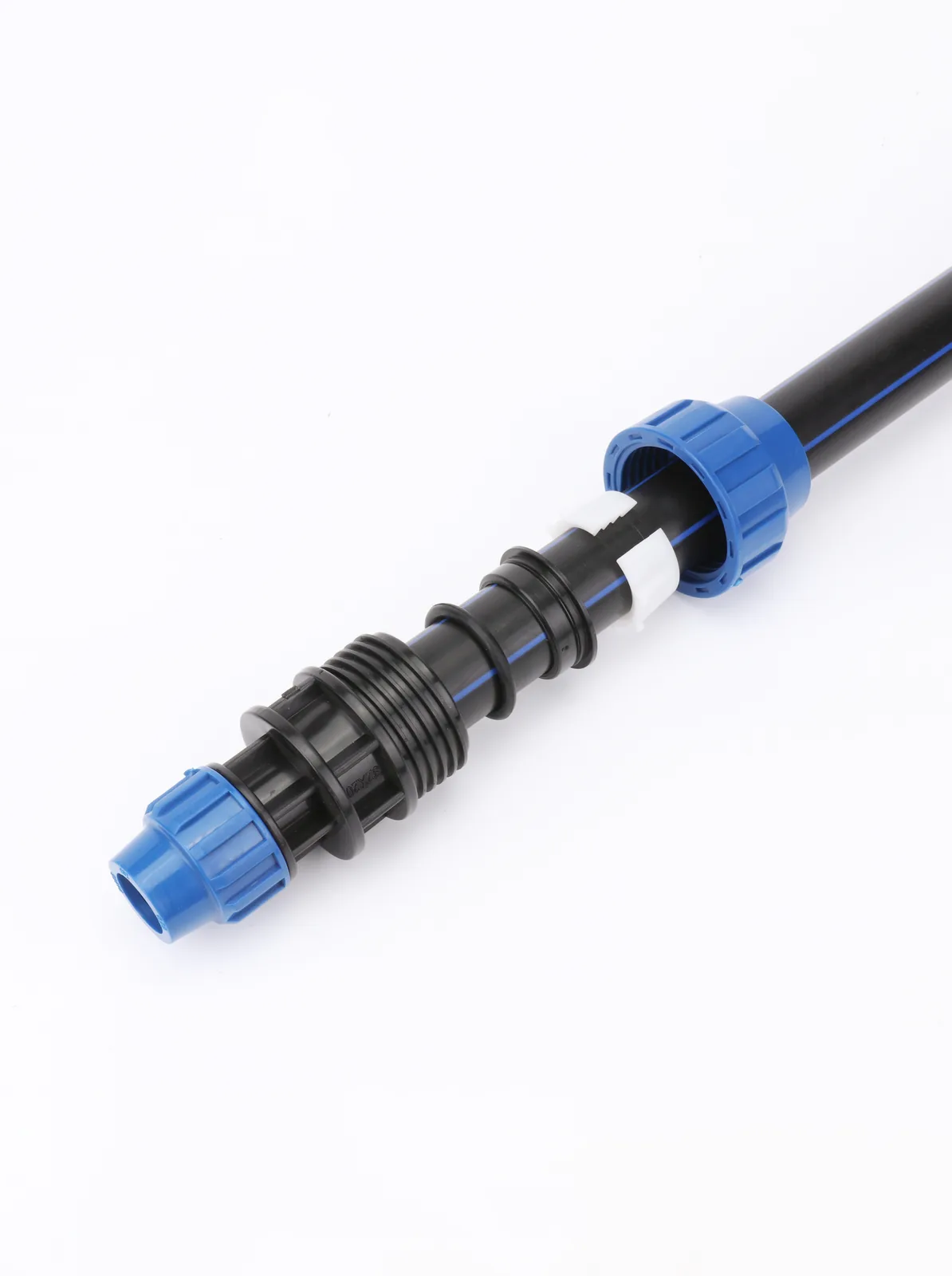
The cut end is where the money is. Wall thickness separates a PN10 pipe from a PN16 pipe of the same outside diameter, and an honest quote from a light one.
Grade, and the premium worth paying for
Two pipes can share a diameter and a wall and still differ in the polymer itself. PE80 against PE100 is the older split, and it shows up as a lower pressure rating for the same wall.
The live question in 2026 is PE100 against PE100-RC, a crack-resistant compound that survives point loads from stones and rough bedding far longer than standard PE100. Industry sources report the premium at roughly 15% to 25% on bare material, narrowing at very large diameters — treat that as a reported market range rather than a verified index, since published figures disagree, with the same publisher quoting 10% to 20% elsewhere. What is not in dispute is where it pays: PE100-RC can allow sand-free trenches and trenchless installation, and the excavation saved usually dwarfs the resin premium.
Why the smallest sizes feel expensive
Buyers pricing 20mm and 25mm pipe often notice the per-metre price does not fall as far as they expected. There is a structural reason. In the dimension tables, the thin-wall pressure classes simply do not exist at those diameters — DN20 and DN25 appear only from SDR 11 upward, because below a certain wall the pipe cannot be extruded or handled reliably. A DN25 pipe starts at 0.173 kg per metre with no lighter option available, while DN32 has a PN10 class at 0.198 kg per metre. The small sizes carry a mass floor that the larger ones can duck under.
Where Your Supplier Buys Resin Changes Your Price
Buyers spend most of their energy negotiating with the factory. The larger variable is often sitting outside the negotiation entirely, in the petrochemical market the factory buys from. Polyethylene is a commodity that tracks crude, naphtha and ethylene, and it does not cost the same everywhere in the same week.
| Region | Q3 2025 | Q4 2025 | Q1 2026 | Q2 2026 |
|---|---|---|---|---|
| Germany | USD 1,028 | USD 1,005 | USD 949 | USD 991 |
| China | USD 1,110 | USD 1,074 | USD 1,036 | USD 1,023 |
| Brazil | USD 1,030 | USD 1,012 | USD 1,001 | USD 1,042 |
| USA | USD 1,200 | USD 1,170 | USD 1,143 | USD 1,194 |
| United Kingdom | USD 1,328 | USD 1,291 | USD 1,261 | USD 1,327 |
Read the last column across. In one quarter, the same commodity ranged from USD 991 to USD 1,327 per tonne depending on where it was bought — a spread of USD 336, or 33.9%. That gap exists before anyone’s line efficiency, scrap rate, labour cost or margin enters the picture.
A buyer who negotiates 5% out of a supplier sitting in the dearest market has still paid more for material than a supplier in the cheapest market charges without being asked. It is worth noting that Türkiye is not among the five regions this assessment reports, so no Turkish figure is quoted here; the German column is used as the nearest reported European reference and nothing more.
Why your quote expires so quickly
Suppliers put short validity windows on pipe quotes and buyers often read this as pressure selling. The table above explains it better than any sales argument. Between Q1 and Q2 2026 the German price rose from USD 949 to USD 991 per tonne — USD 42, or 4.4%, in a single quarter.
Follow that through to a real order. A municipal buyer taking 100,000 metres of DN110 SDR 17 is buying 219 tonnes of polymer. That quarter’s move adds USD 9,198 to the raw material bill on its own, before any conversion cost or freight moves at all. Per metre it is about nine cents — invisible on a single length, and a five-figure sum on a network. This is why a quote issued in March cannot be honoured in July, and why a supplier who does honour it either priced the risk in at the start or is about to have an uncomfortable conversation.
One caution on all these figures: they are quarterly index assessments of contract prices, not a spot quote available to any particular converter on any particular day. A factory’s actual cost depends on its supply agreements, volume and payment terms. Use the index for direction, scale and sanity-checking, not as a price you can demand. A second independent assessor placed European HDPE in the same USD 900–1,100 per tonne order of magnitude in late 2025, which brackets the range above from a different methodology — reassuring, because two assessors that agree by different routes are harder to dismiss than one.
From Per-Metre Price to What Leaves Your Bank
The unit price is the part buyers argue about and rarely the part that decides the landed cost. Two things reshape the number between the quote and the bank statement: how the pipe occupies a container, and the commercial terms wrapped around the order.
HDPE runs out of space before it runs out of weight
A 20GP container gives roughly 33 m³ of usable space against a payload close to 28 tonnes. For dense cargo the weight limit binds first. Polyethylene pipe is the opposite case: it is bulky and light, and mostly air. By mass, 28 tonnes of DN110 SDR 17 would be about 12,785 metres of pipe — but you will never load that, because the volume is exhausted long beforehand.
The practical consequence is that freight per metre is decided by how well the pipe is packed, not by how much it weighs. Coiling the small diameters and nesting the larger ones inside each other is worth more to your landed cost than shaving a cent off the unit price, which is why it is worth asking a supplier how they intend to load before you compare two CFR numbers.
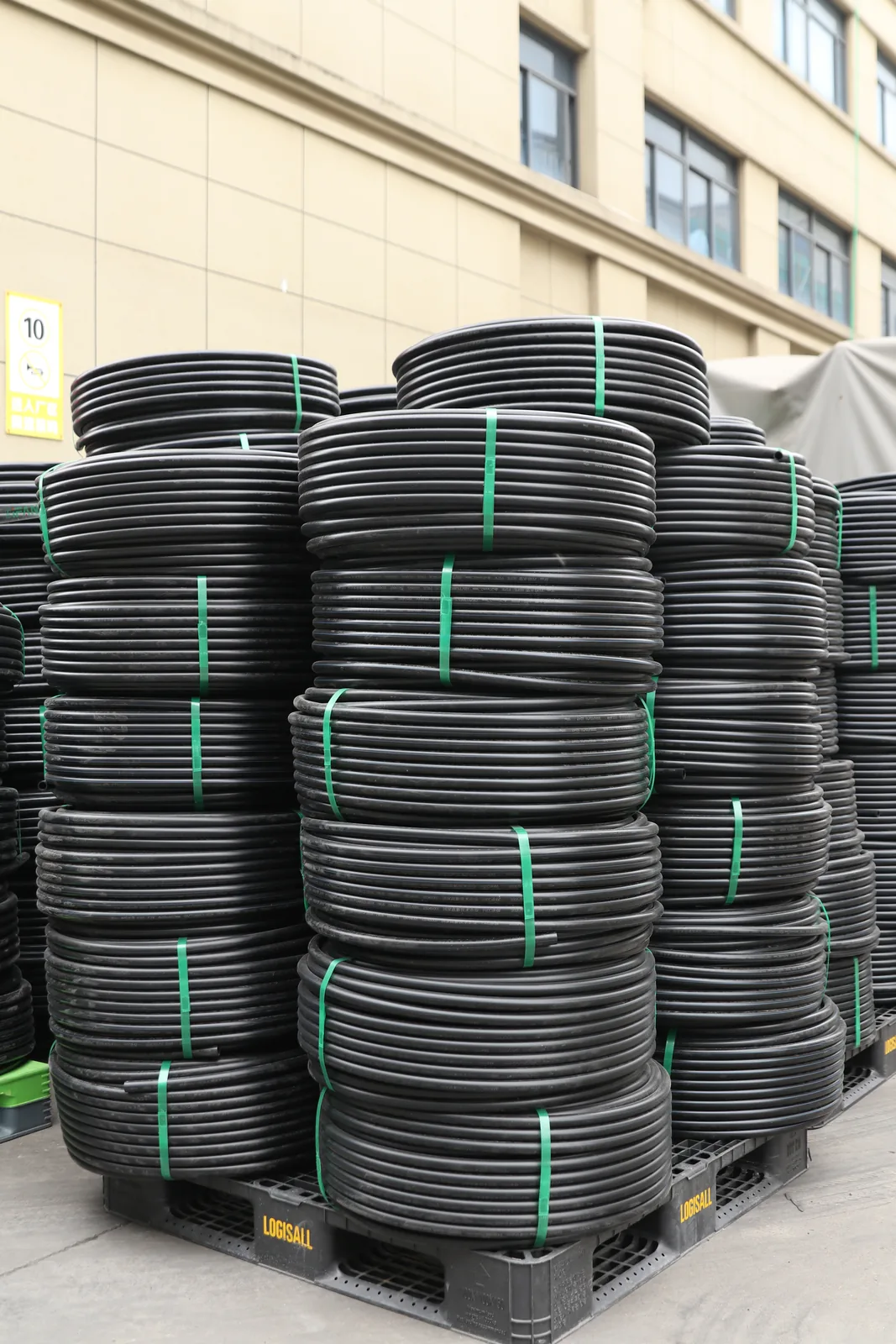
A 20GP offers roughly 33 m³ of usable space against a payload near 28 tonnes. With straight-length pipe the space runs out long before the weight does.
The commercial terms that shape the invoice
These are the figures that turn a per-metre number into a commitment with dates attached. They are Bekaatherm’s standing terms rather than a market survey, and they are the sort of thing worth establishing before you get deep into unit-price haggling with anybody.
| Term | What applies |
|---|---|
| Trial minimum | One 20GP mixed container of pipe, fittings and valves |
| MOQ per specification | 500 kg per size and colour |
| OEM / private label | One 40HQ, or 3 tonnes per colour on a first branded run |
| Lead time | 15–25 days on regular sizes; 30–45 days for OEM; add 7–10 days for a first colour match or new mould |
| Payment | 30% T/T deposit, 70% against copy B/L; irrevocable L/C at sight accepted from USD 50,000 |
| Trade terms | FOB İstanbul or Mersin by default; CFR and CIF on request |
| Verification pieces | Standard items carry no piece charge, 3 items maximum, freight collect; branded items 7–10 days with the cost credited against a first bulk order |
| Warranty | 50-year warranty against material and manufacturing defects |
Two of those deserve a second look. The 500 kg per size and colour rule, not the container, is what really shapes a first order — it is what decides how many diameters you can carry rather than how much pipe you buy, and it is the constraint most first-time importers discover after they have already drafted their SKU list. Set against the PN10 compression range from 20mm to 110mm, that rule is what a realistic trial container looks like: five or six diameters carried properly rather than the whole size chart carried thinly.
The second is the lead-time addition for a first colour match, which quietly moves a delivery date: 15–25 days becomes 22–35 the moment a branded colour enters the conversation.
The remaining landed-cost items each have their own detail and their own page. Duty depends entirely on your destination and origin, and is set out per market in our HS code and duty guide. Sea freight from Türkiye varies by lane and season rather than by supplier, covered in the lanes and transit times guide. And if you want the full capital-commitment picture with dates against each tranche, the first-container cost breakdown works it through end to end.
On compliance, the PE side is governed by ISO 4427 and EN 12201 for water supply, with DIN 8074 and DIN 8075 for dimensions and general quality, and ISO 14236 for the PP compression fittings; certificate numbers and copies are available on request rather than as a download.
Comparing Two HDPE Quotes Without Guessing
Everything above collapses into one habit: stop comparing per metre and start comparing per kilogram. Price per metre rewards the supplier who put the least polymer in the pipe. Price per kilogram normalises for wall thickness and makes an underweight pipe obvious in a single division.
The check, in the order that finds problems fastest
- Confirm the specification is identical. Outside diameter, SDR or PN, grade, the governing standard, and the coil or straight-length format. If these differ, stop — there is nothing to compare yet.
- Get weight per metre in writing. Ask for the supplier’s stated kg/m, not just the wall thickness. This one request settles most disputes because it is falsifiable on arrival.
- Check that weight against the standard. Compare the quoted kg/m with the theoretical mass in the dimension table for that diameter and SDR. A few percent is normal tolerance; ten percent light is a different product.
- Divide price by weight. Convert both quotes to USD per kilogram. Now you are comparing what the suppliers charge for material and work, rather than how much material they chose to include.
- Test against the resin floor. Compare the per-kilogram figure with the current index. A pipe selling near the raw resin price is not a bargain, it is a question.
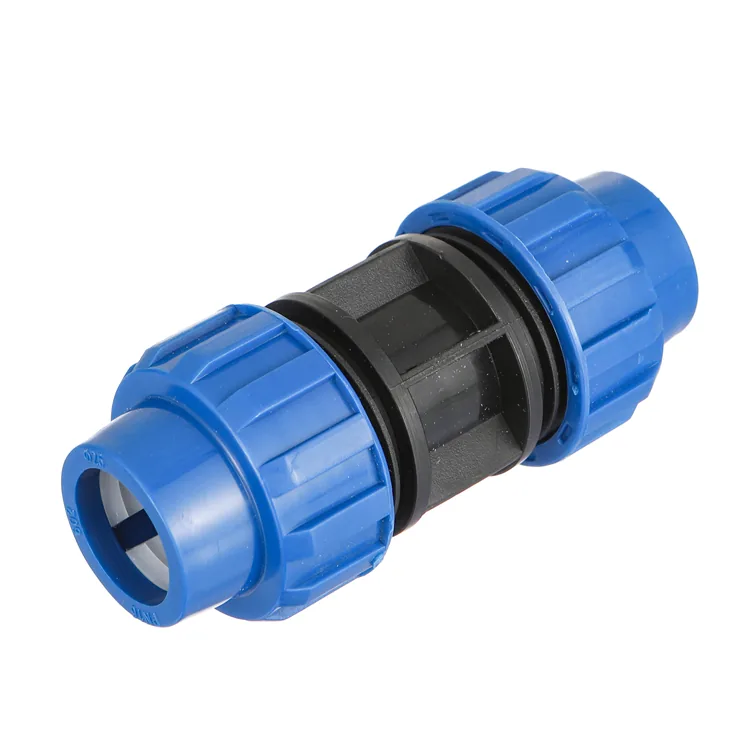
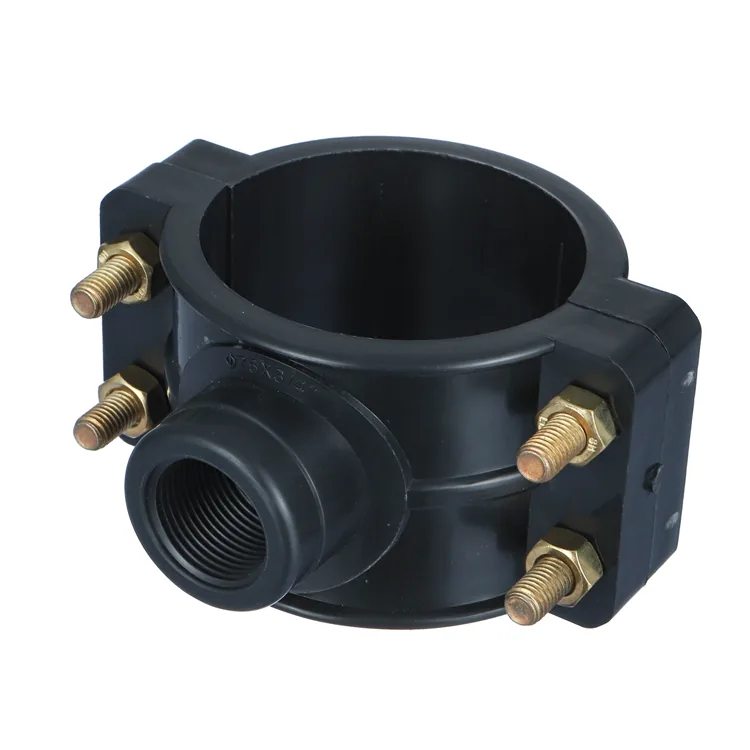
- Normalise the Incoterm and the scope. Put both on the same basis, and confirm whether fittings, valves and saddle clamps are inside the quote or priced separately per piece.
Work an example through. Supplier A offers DN63 PN10 at USD 1.15 per metre; supplier B offers DN63 at USD 1.60. Ask both for weight per metre. A comes back at 0.73 kg/m, which matches the 0.728 kg/m the standard gives for SDR 17. B comes back at 1.06 kg/m, which is the SDR 11 figure — B has quoted PN16 without making it obvious. Per kilogram, A is USD 1.58 and B is USD 1.51. B is the cheaper manufacturer; A only looked cheaper because it was quoting a thinner pipe. If your network needs PN16, A’s quote was never a competing offer at all.
Fittings, valves and saddle clamps are quoted per piece, not per metre. A pipe price compared without them is half a comparison.
When a quote will not reconcile
Sometimes the numbers refuse to add up and the supplier is not forthcoming about weight. Three requests usually resolve it: the material batch documentation showing what resin went into the compound, a physical piece you can weigh and measure yourself, and the marking specification so you know what will be printed on the pipe.
A supplier confident in the product answers all three quickly, and the second one is the decisive test — a 200 mm offcut on a kitchen scale settles an argument that a fortnight of emails will not. Our own terms on that are 3 items maximum with freight collect; branded pieces take 7–10 days and the cost is credited against a first bulk order. If a supplier will not put weight per metre in writing, that reluctance is itself the answer, and you have learned it before the deposit rather than after the container.
Conclusion
HDPE pipe pricing looks opaque until you notice that most of it is arithmetic performed on public documents. Resin trades on published indices, mass per metre is fixed by the dimension standard, and the two together give you a floor that no honest quote sits below. Everything else — pressure class, grade, packing, Incoterm, payment timing — moves the number in ways you can name and check, which is a very different situation from being asked to trust a figure in an email.
If you have quotes in front of you now, the single highest-value step is to ask each supplier for weight per metre and convert both to a per-kilogram basis before you decide anything. Should the numbers still refuse to reconcile, you are welcome to send us the specification and the sizes and we will walk through where the difference is coming from, whether or not it ends with an order here.
Frequently Asked Questions
What is the price of HDPE pipe per metre?
It depends on diameter, SDR and grade, so no single figure exists. What is fixed is the raw material floor: at the Q2 2026 German index of USD 991 per tonne, resin alone costs USD 0.20 per metre at DN32 SDR 17 and USD 2.17 per metre at DN110 SDR 17.
Should I buy HDPE pipe by the metre or by the kilogram?
Quotes usually come per metre, but compare per kilogram. Because resin dominates the cost, a per-kilogram figure normalises for wall thickness and immediately exposes a pipe carrying less polymer than its stated pressure class requires.
Why is 32mm HDPE pipe quoted so differently by different sellers?
Usually pressure class. At DN32, moving from PN10 to PN16 adds 42% more polymer per metre, taking mass from 0.198 to 0.282 kg/m. Retail listings also bundle local duty, freight and shop margin into the figure.
How much does 50mm HDPE pipe cost per metre?
The resin in a metre of DN50 SDR 17 costs USD 0.45 at the Q2 2026 German index, rising to USD 0.67 at SDR 11. A real FOB price sits above that floor by whatever conversion, packing, testing and margin the supplier needs.
Why do HDPE pipe quotes expire after a few weeks?
Because resin moves. The German index rose USD 42 per tonne between Q1 and Q2 2026, which adds USD 9,198 of raw material to a 100,000 metre order of DN110 SDR 17. Short validity windows price that risk honestly.
What is the minimum order for HDPE pipe and fittings?
A trial order is one 20GP mixed container of pipe, fittings and valves, with 500 kg per size and colour. OEM runs start at one 40HQ, or 3 tonnes per colour on a first branded production run.
Is a cheaper HDPE pipe always a thinner one?
Not always. A supplier who bought resin before a price rise or runs a highly utilised line can be genuinely cheaper. But if a quote falls below the resin content of its stated SDR, the specification is the first thing to verify.