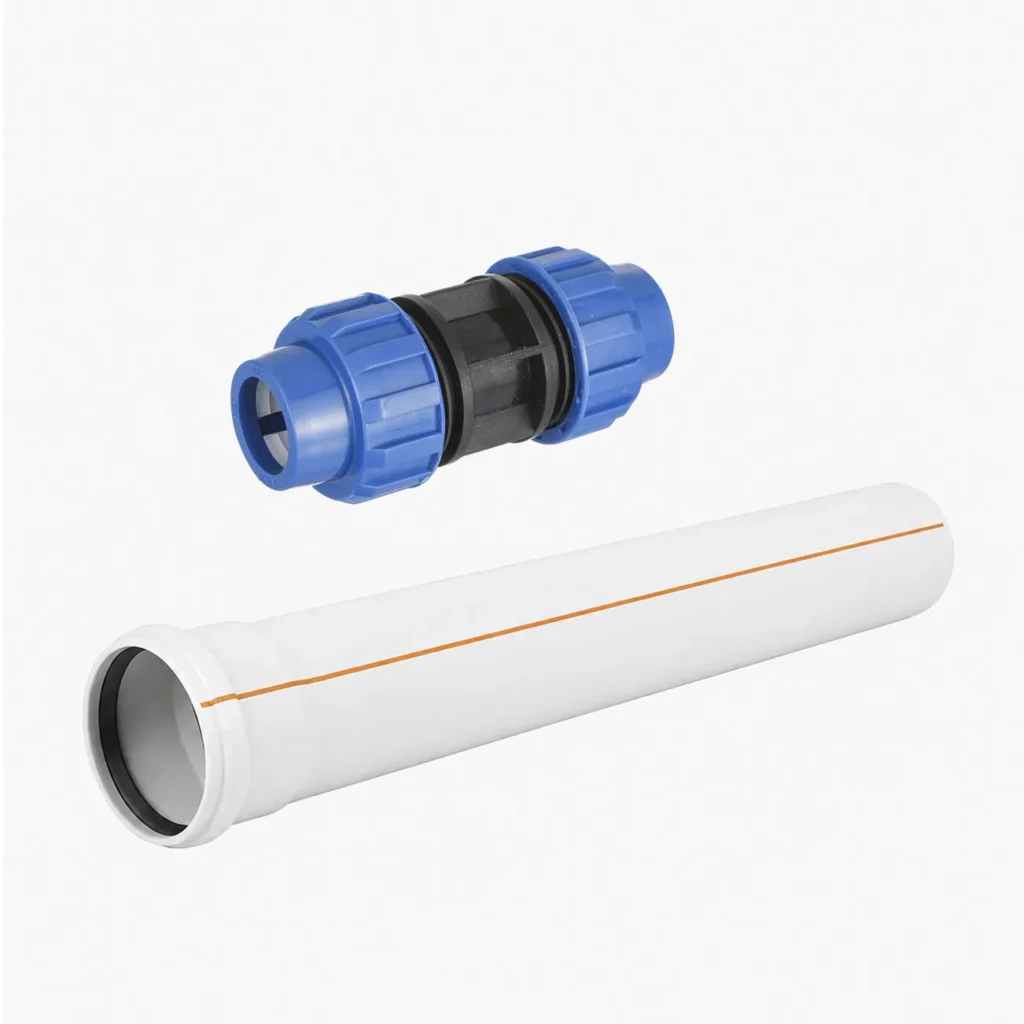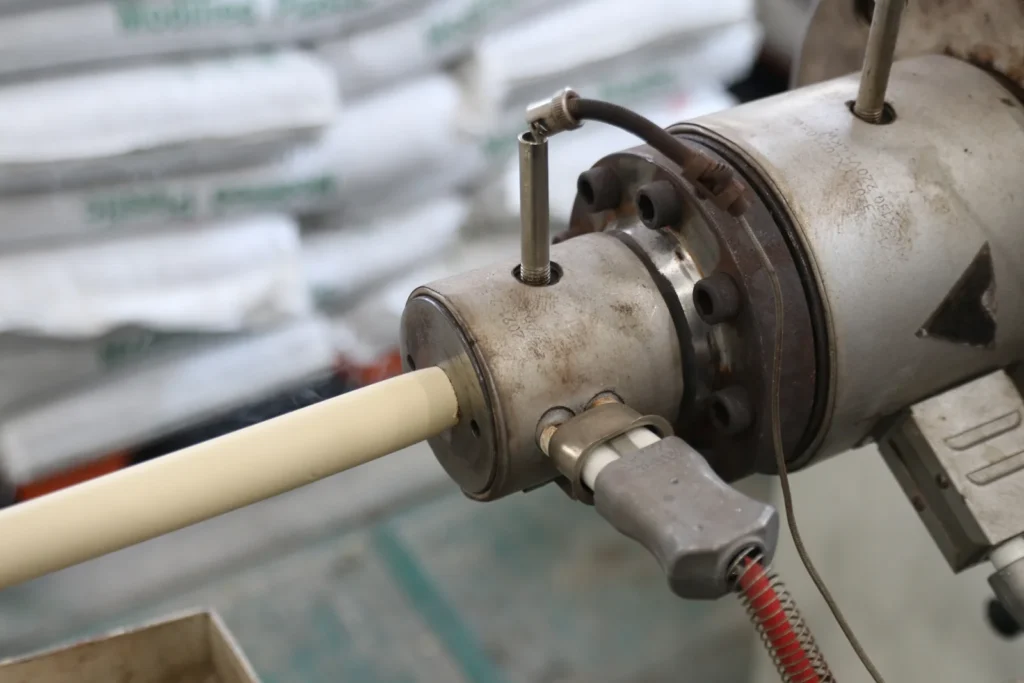
A shallow scratch is not automatically an acceptable HDPE pipe defect. Compare the measured damage with the governing project and manufacturer requirements, then consider its shape, length and location. If the discontinuity may be a gouge or crack, or the measurement basis is unknown, hold the section for assessment rather than treating “below 10%” as permission to install.
Key Takeaways
- Classify the discontinuity before treating it as a scratch.
- Record measured depth and the applicable wall basis.
- Keep length, location and deformation in the assessment.
- Use the governing procedure rather than a universal percentage.
- Quarantine uncertain geometry or possible cracks.
What a depth percentage answers—and what it leaves open
The familiar percentage is a screening question, not the whole decision. The PPI water-transmission FAQ, Q68, describes external scarring to a maximum depth of 10% of pressure-pipe wall thickness as generally tolerable. Its wording is qualified. It does not say that any mark below that depth is harmless in every application, nor does it establish the condition of a particular delivered length. A depth record also says nothing about whether the mark is in a joining area or whether other damage exists.
A buyer therefore needs two separate conclusions: whether a measured depth clears the applicable initial screen, and whether the complete discontinuity meets the rule controlling this installation. Keeping these conclusions separate prevents a useful industry guideline becoming an unsupported acceptance certificate. Our coil delivery handover guide addresses handling responsibility; this article addresses the different question of interpreting damage after it has been found.
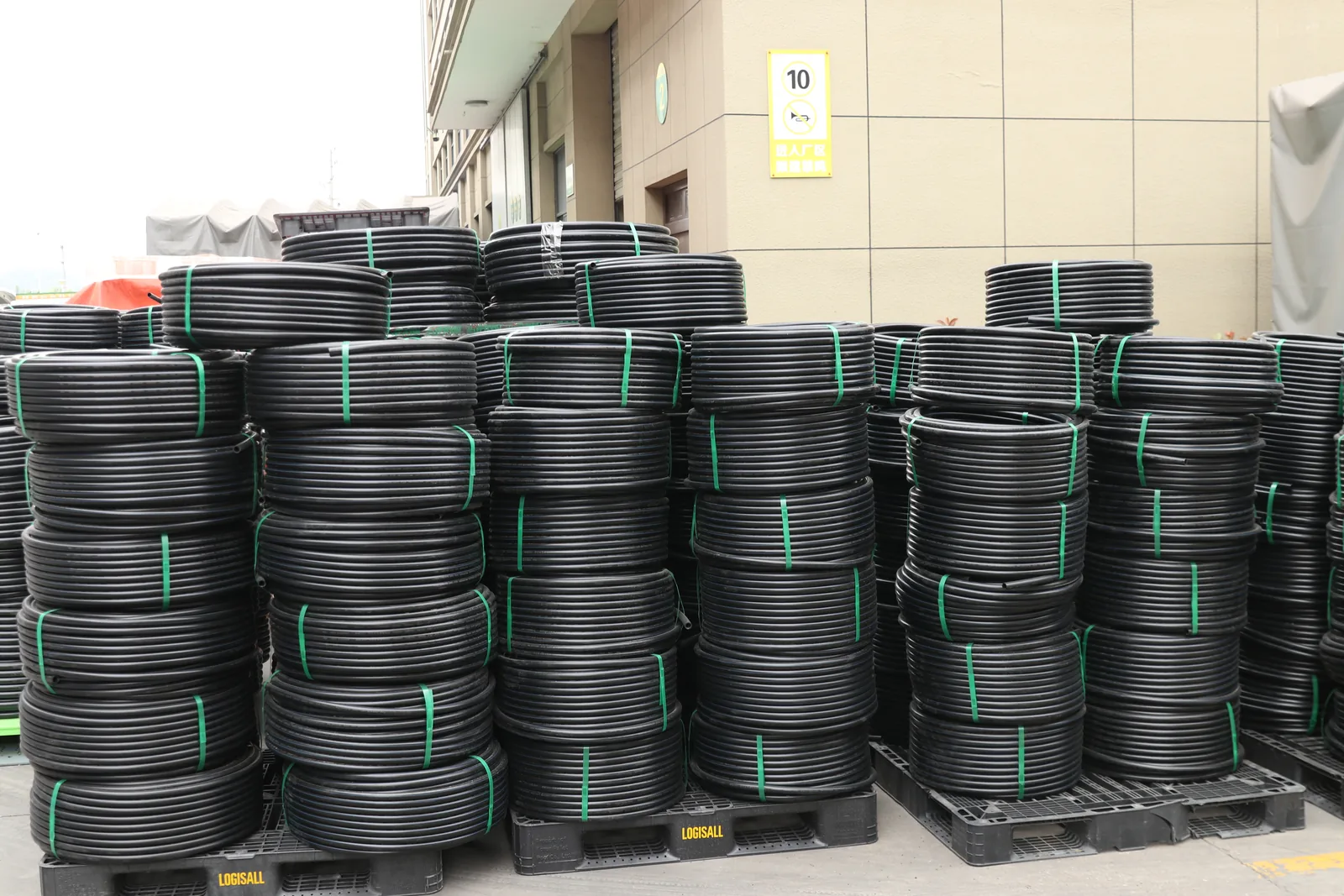
Scratch, gouge or possible crack: classify before calculating
The APGA June 2025 companion paper CP-03-002 distinguishes scratches, with minor or no deformation, from gouges involving significant deformation. Raised displaced material is part of that distinction. The paper also says that classification is subjective and uncertain sections should be quarantined for further evaluation. A clean-looking photograph cannot establish the depth of an irregular groove or rule out a crack.
This changes the disposition before any calculation: an uncertain discontinuity is a hold, even when someone has written a small estimated percentage beside it. Record the location and extent, preserve photographs with a scale, and have the responsible person establish a suitable measurement method. Do not remove material merely to make a mark look shallower. The original condition is evidence, and an improvised dressing operation is not a demonstrated repair procedure.
Read the acceptance rule in its application context
APGA CP-03-002 belongs to the code for upstream polyethylene gathering networks in the coal seam gas industry, primarily in Australia and New Zealand. Its scratch criteria are useful evidence that depth is not the only variable, but they are not a replacement municipal-water specification. For scratches at least 8% and less than 10% of wall thickness, its table adds a length limitation of one third of the pipe length; below 8%, that table gives no length limit. Classification and the other applicable conditions still matter.
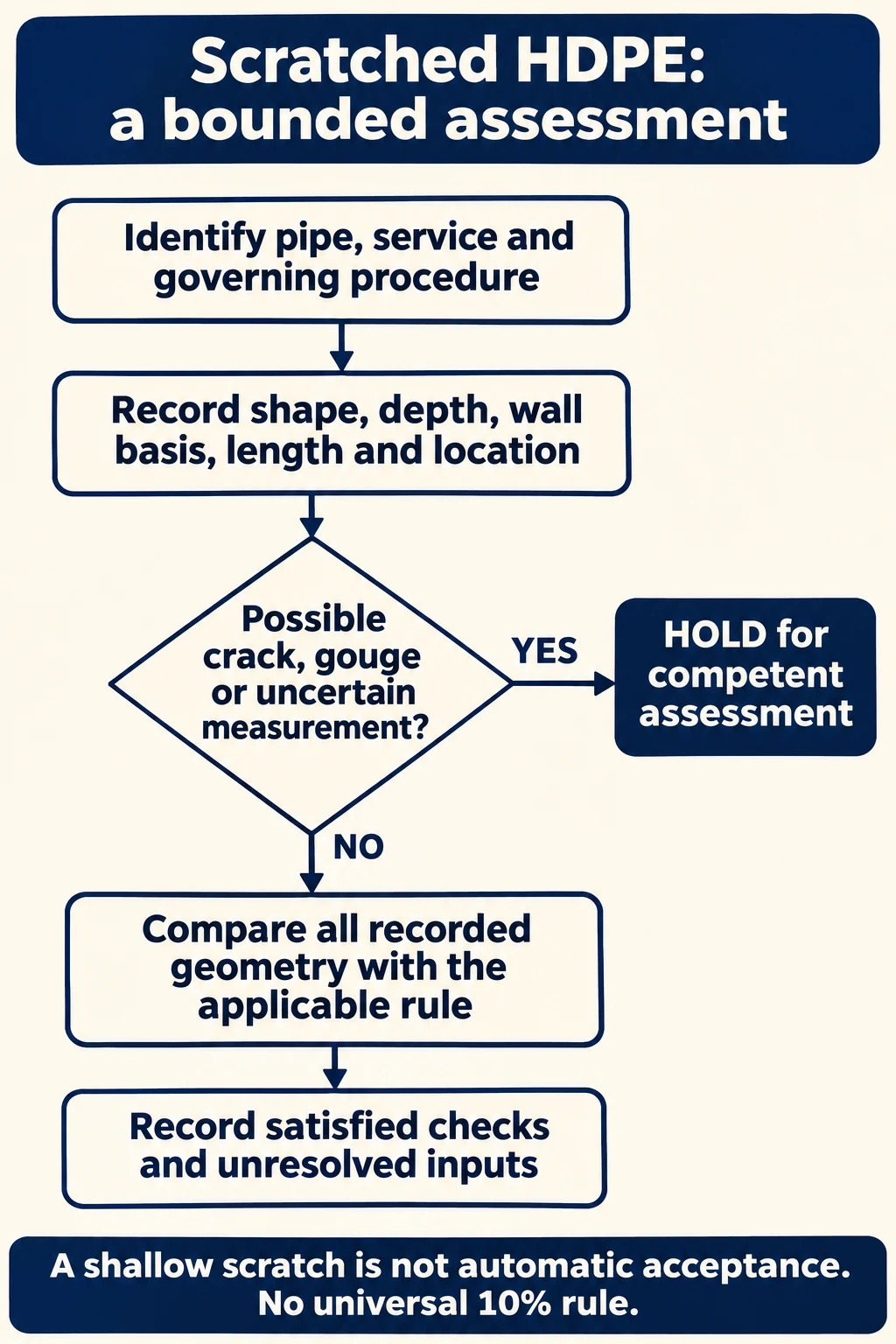

Do not merge this into a new universal rule assembled from fragments of different sources. The PPI FAQ and the APGA companion paper have different contexts. Identify the installed application, actual pipe, project specification and applicable manufacturer instructions first. If a project imposes a stricter limit, a general FAQ cannot cancel it. If the governing rule or its wall-thickness basis is unclear, the unresolved input is the acceptance criterion itself; the pipe remains on hold until the responsible technical authority resolves it.
A transparent depth example with two different dispositions
Consider an illustrative calculation, not a Bekatherm test result: the applicable wall basis is assumed to be 10 mm and measured scratch depth is 0.85 mm. Depth fraction = 0.85 ÷ 10 × 100 = 8.5%. This arithmetic establishes the ratio only. It does not identify the defect or approve the pipe.
If APGA CP-03-002 is genuinely the applicable criterion and the feature is confirmed to be a scratch, its 8–10% band requires the length check. For an assumed 12 m pipe length, one third is 4 m. A 2 m scratch clears that particular length check; a 5 m scratch does not. Neither result replaces the remaining project checks. For a municipal-water project using another procedure, these APGA example dispositions cannot be carried over: compare the same measured geometry against that project’s actual rule.
Change one input and the answer changes again. If 10 mm is only an assumed catalogue value and the required minimum-wall basis has not been established, 8.5% is not a defensible recorded acceptance ratio. Resolve the wall basis and reliable depth before repeating the calculation.
Record a defensible hold or acceptance recommendation
A useful disposition record retains pipe identification and service, applicable document and revision, defect classification, depth and wall basis, length, location, measurement method and assessor. Its conclusion should name the checks actually satisfied. “Depth screen satisfied; final acceptance held pending classification” is more useful than a green tick with no limits.
Do not confuse rejection of a damaged section with rejection of every sound part of the delivery. The responsible project procedure determines removal, replacement and any permitted recovery. Conversely, a general guideline is not authority for field welding over a gouge or burying an uncertain section. A well-documented hold protects the buyer from losing the exact question that still needs an answer. For the product context, see the HDPE pipe and fittings range; product availability and project acceptance must be verified separately.
| Record | Conclusion available | Unresolved input |
|---|---|---|
| Depth only | Preliminary ratio | Shape, length, wall basis and governing rule |
| 8.5% assumed example | Ratio arithmetic completed | Scope-specific acceptance checks |
For a product or documentation availability check, submit the product specification and destination. Include the exact item, intended use and document question. Availability and supporting evidence require confirmation; this is not project acceptance, laboratory analysis or customs clearance.
Conclusion
Separate preliminary depth screening from application-specific final acceptance; quarantine unclear gouges, cracks or missing geometry. The decision is useful when its conditions travel with it: preserve the observed facts, identify the rule that applies, and state exactly which conclusion remains open.
Frequently Asked Questions
Is 10% always the rejection threshold?
No: it is a qualified guideline in particular sources. The governing project and manufacturer procedure, defect type and other conditions decide the actual acceptance assessment.
Can a photograph prove scratch depth?
No. A photograph can document appearance and location, but the relevant depth, wall basis and uncertain morphology require an appropriate competent assessment.
Does passing the depth screen approve a jointing area?
No: joint preparation and fitting requirements remain separate. A scratch-screen result does not establish that a joining surface is acceptable.