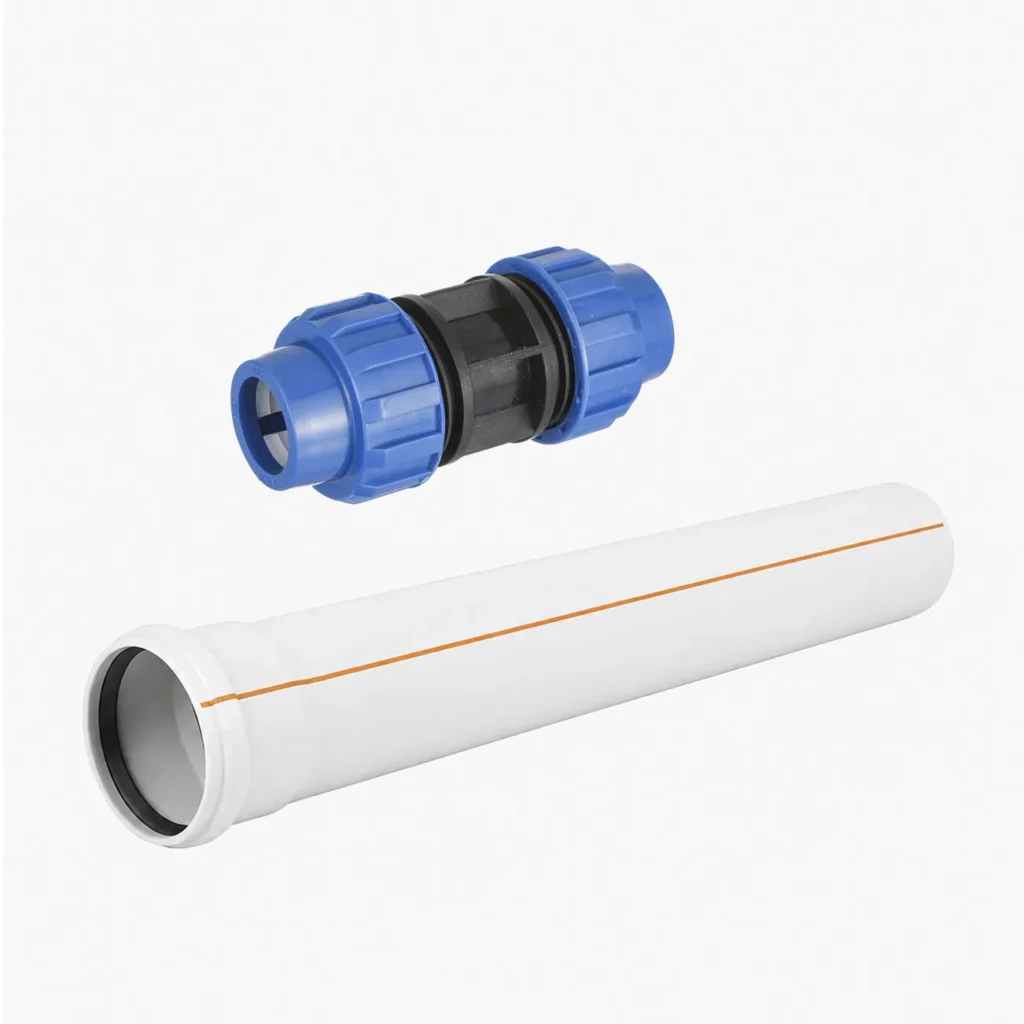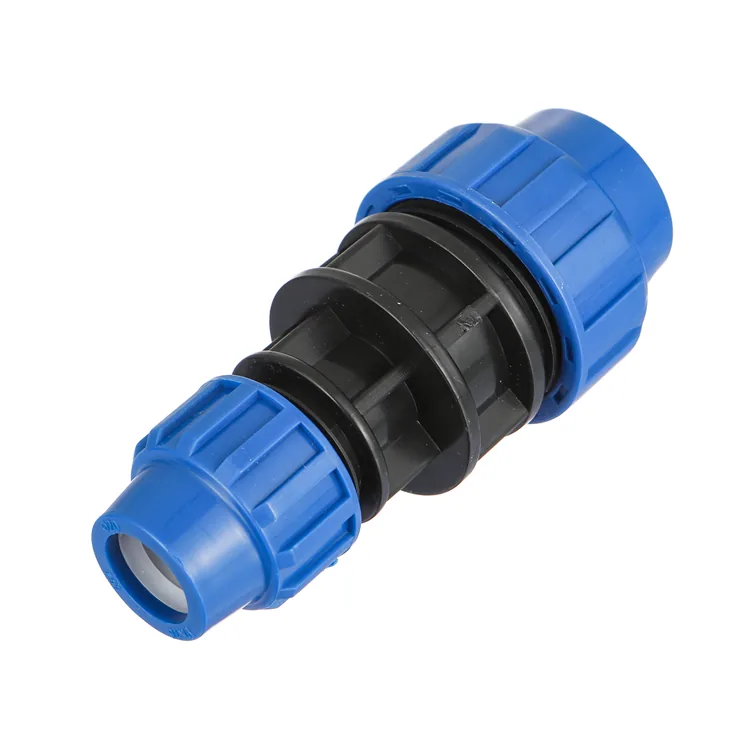
Task 1 in both tables of Sydney Water’s D0001668 v3 says all pipes should be inspected and cleaned before installation if they arrive without caps on work governed by that instruction. Hold any uncapped length at receipt. Identify the affected pipe or the group that could contain it before splitting the delivery. Apply the project’s full inspection and cleaning scope. Release the listed lengths only when the required actions are complete and the authorised person records the decision against those pipe IDs. If the exposed lengths are still uncertain, keep the identifiable group on hold while the project resolves its scope.
A matching pipe stamp tells you what arrived. The receiving record tells you which end was open and what was visible when it arrived. Keep both records tied to the same pipe so the release decision follows the right length onto the site.
Key Takeaways
- Mark the affected pipe or the traceable group that could contain it.
- Record the exposed end, visible condition and the limits of the observation.
- Use the current plan to confirm the full inspection scope, required evidence and release role.
- Record the release only against the identified lengths it covers.
- Keep the original hold and any replacement delivery separately traceable.
Mark the affected lengths before unloading separates them
Start with the delivery ticket, bundle tag and legible pipe markings. Give the affected lengths a site identifier and link it to the supplier’s lot or production code where available. Photograph the markings and the condition of both ends at receipt. If a loose cap is found in the load, record where it was found and which end was open. Keep those lengths separately identifiable and under the site’s approved protection while the hold is open.
Record visible moisture, debris or damage and where it was seen. If the visible opening looks dry, write “no moisture visible at the opening” and record how much of the interior could be seen. A dry-looking opening leaves the duration and extent of exposure unresolved. Mark those details as unknown unless the carrier, supplier or site record can establish them.
If the pack prevents you from matching a missing cap to a particular pipe, identify the bundle or other traceable group containing the possible matches. Keep that group on hold while its scope is resolved. Separately identified pipe still follows the project’s receiving checks and any wider inspection or cleaning requirements triggered by the delivery.
Find the project clause that controls installation
Open the current inspection and test plan (ITP), along with the receiving specification and any owner procedure it references. Record the clause, revision, which pipe it covers, the required preinstallation evidence and the role authorised to decide the exception. If the documents leave the disposition unclear, keep the hold open and ask the project’s designated representative for a written decision tied to the affected IDs.
For work covered by Sydney Water’s D0001668 v3, task 1 in tables 1 and 2 calls for pipe to arrive cleaned and capped. If pipe is delivered without caps, the instruction says that “all pipes should be inspected and cleaned” before installation. A hold record can identify a single open end or an unresolved bundle. That record leaves Sydney Water’s wider inspection and cleaning scope in force. Sydney Water D0001668 v3
On projects governed by Goulburn Valley Water’s QDOC/266, sections 5.2.1–5.2.3 distinguish protected storage from visual inspection immediately before laying and from separate requirements for closing pipe ends in the trench. Use the documents adopted by your project to establish the inspection scope and the evidence needed to close the receiving exception. Goulburn Valley Water QDOC/266
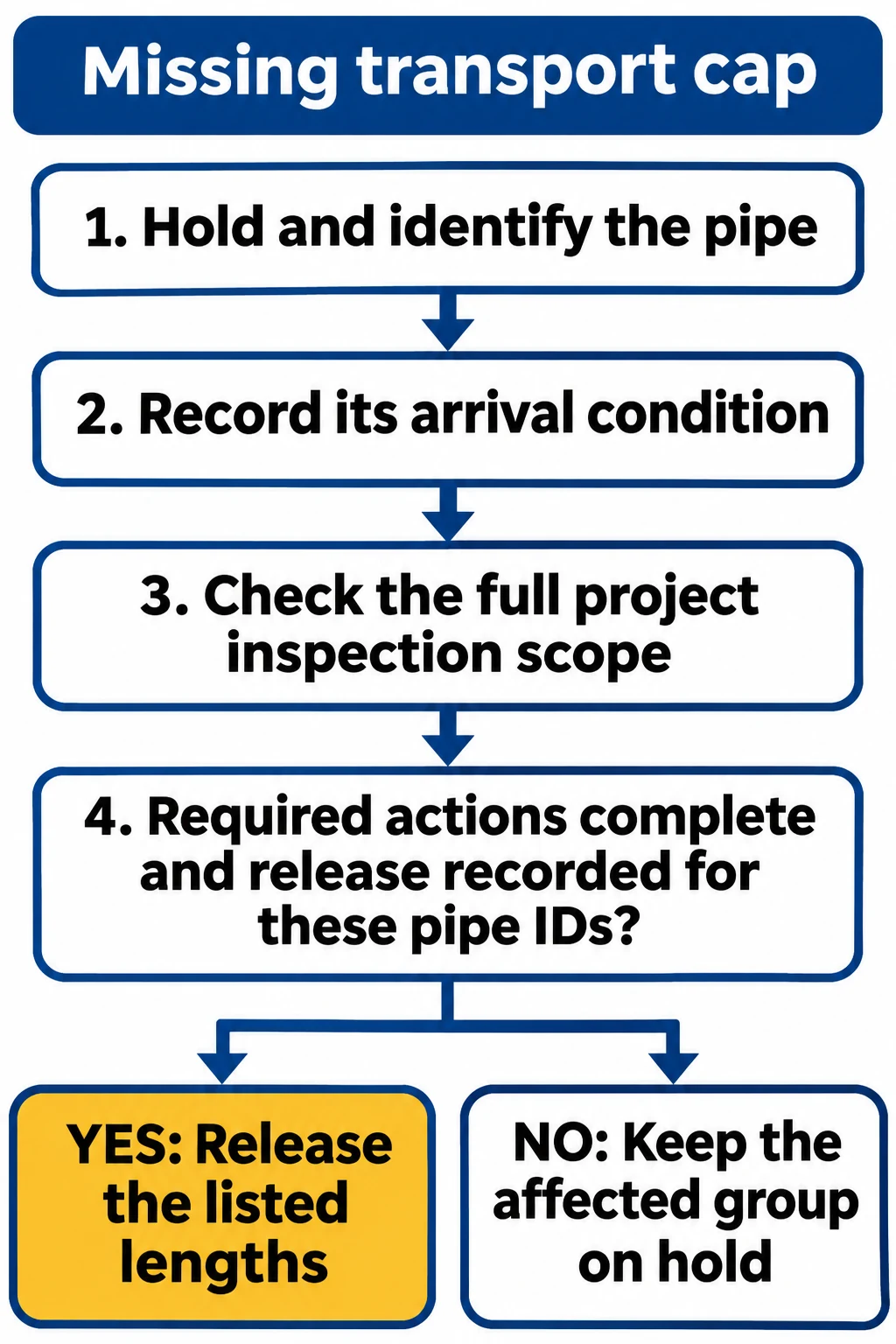
- Hold and identify the pipe.
- Record its arrival condition.
- Check the full project inspection scope.
- Confirm whether required actions are complete and release is recorded for these pipe IDs. If yes, release the listed lengths. If no, keep the affected group on hold.
Close the hold against the same pipe IDs
Use a separate line for each group with the same observed condition and disposition. Split the line if the decision changes for only some lengths. A receiving signature can acknowledge the delivery. Give the installation decision its own status so the laying crew can see which lengths remain held.
| Record field | What to enter |
|---|---|
| Affected pipe | Delivery reference and date, pipe designation, lot, bundle and individual or held-group IDs. |
| Arrival condition | End and cap status, visible condition, viewing limits, exposure status and photo references. |
| Project requirement | ITP clause and revision, inspection scope, required evidence and designated decision role. |
| Disposition | Status, exact IDs, evidence, decision authority, date, conditions and any replacement instruction. |
Example with hypothetical pipe IDs. Pipe A arrived with one end open. The required checks and actions have been completed across the scope specified by the project, the release record names pipe A, and the designated representative signs its release. Pipe A can go to installation subject to any conditions on that release. In a separate hypothetical delivery, a cap was found loose beneath bundle B and the receiver could not identify which pipe it belonged to. Bundle B stays on hold until the project resolves the affected scope and records a disposition. If the project directs replacement, retain the record against the removed IDs and enter the replacements on their own receiving record.
| Trackable item | Entry for the laying crew |
|---|---|
| Pipe A | Release A under the recorded conditions. |
| Bundle B | Hold until affected identities and project disposition are established. |
Put the delivery requirement in the next purchase order
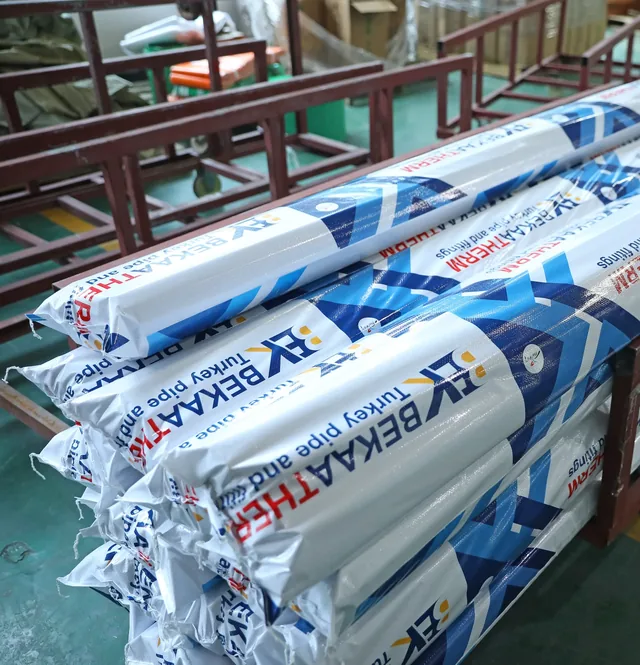
Specify the required end protection, identification and accompanying records in the order. Ask the supplier to confirm in writing how the delivered pipe and packaging will match those requirements. Bekaatherm lists water-supply pipe in its HDPE pipe and fittings range. For a new order, send your PE pipe and packing requirements to Bekaatherm. Include the project specification, size and pressure designation, market, quantity and required transport protection so the supplier can confirm the exact offer before you order.
Conclusion
Before anyone lays the pipe, match the site IDs on the written release to the actual lengths in the staging area and check any conditions the project attached. Hold every unresolved length. Give the laying crew the released list and send any mismatch back to the authorised project representative for reconciliation.
Frequently asked questions
Does putting the cap back close the hold?
A replacement cap can restore protection when used under the project’s procedures. Keep the arrival observation and complete any required inspection and disposition for that same pipe ID.
Can the laying crew use a supplier’s replacement before the hold is closed?
Enter the replacement under its own delivery and pipe IDs. It can go to installation once it passes the project’s receiving and preinstallation requirements for that replacement. Keep the original hold tied to the original pipe.
What if the lot is known but the affected lengths are unclear?
Keep the potentially affected group identifiable on hold. Refine the hold record when the project can link the arrival condition to the physical lengths or records a disposition for the group. Keep applying the project’s full inspection and cleaning requirements.