Colour codes, PN classes, fibreglass and aluminium composites, valve selection and the failure modes that show up in year three. Written against DIN 8077/8078 and ISO 15874 by the people who run the extrusion lines.
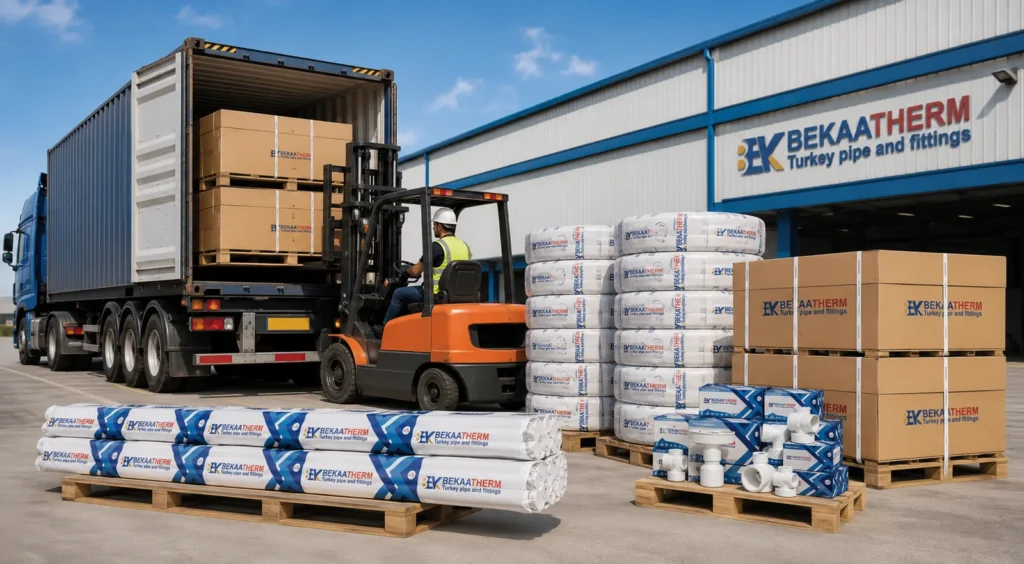
How to read a PPR pipes and fittings catalogue PDF: what part numbers encode, why PN is not your working pressure, and five facts it never…
Read the guide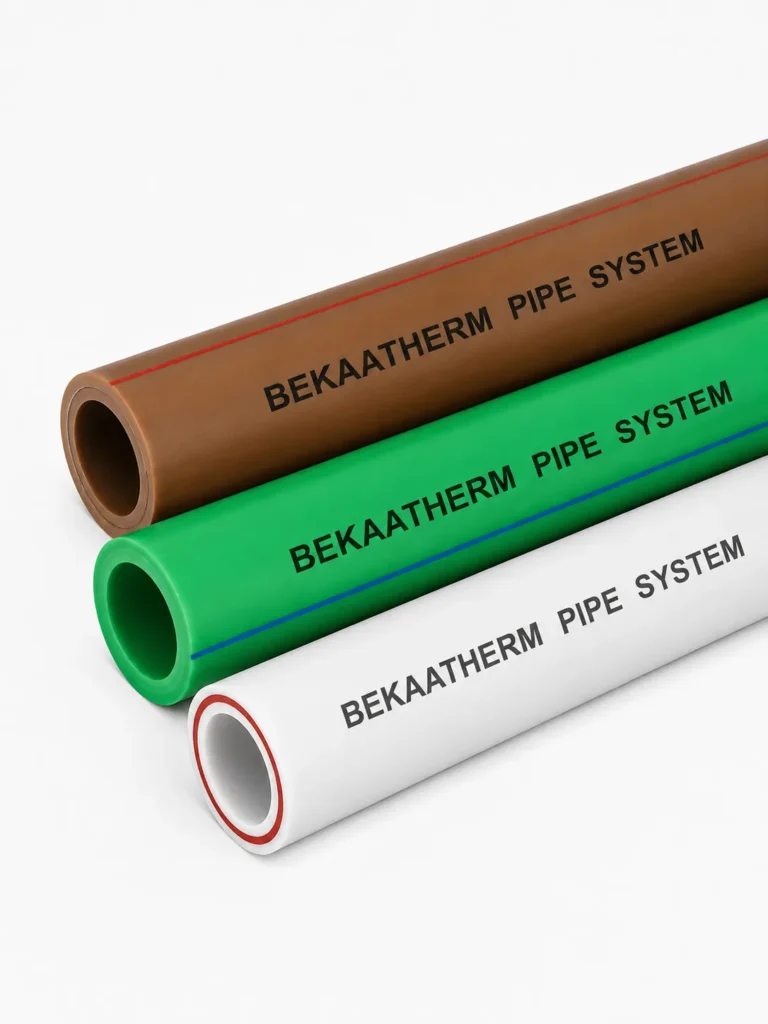
Ask ten suppliers what PPR pipe colour means and you will get ten confident answers, most of them wrong. Green is potable. White is hot. Grey…
Read the guide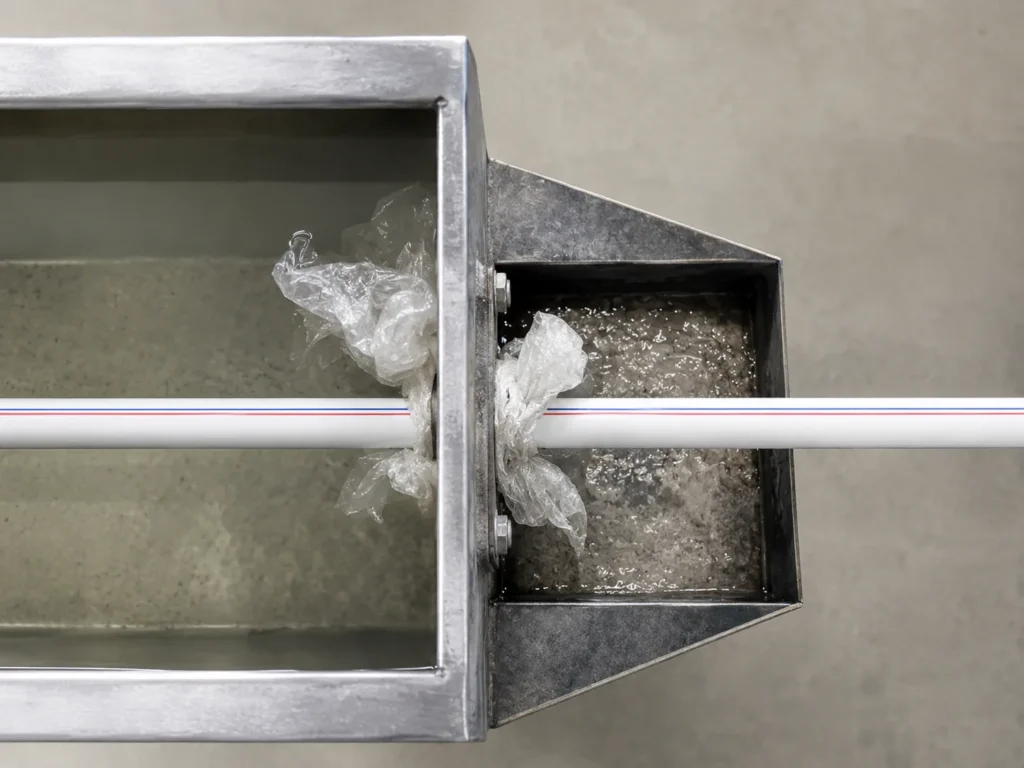
Everything that decides whether a pipe reaches year thirty or year three happens before it leaves the haul-off: resin grade, stabiliser package, and how fast the…
Read the guide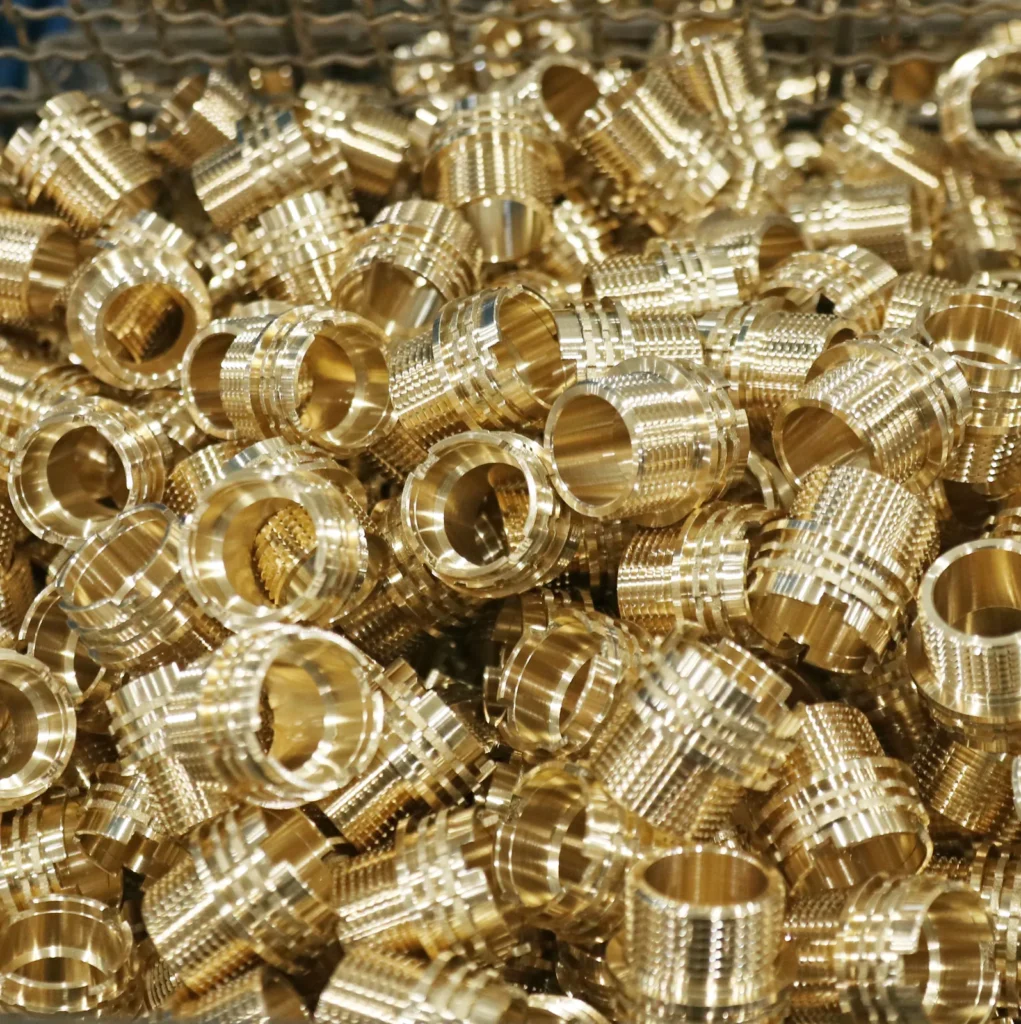
Most brass fittings plumbing failures are not sudden. A threaded PPR fitting that leaks in year four failed on paper long before it failed on site…
Read the guide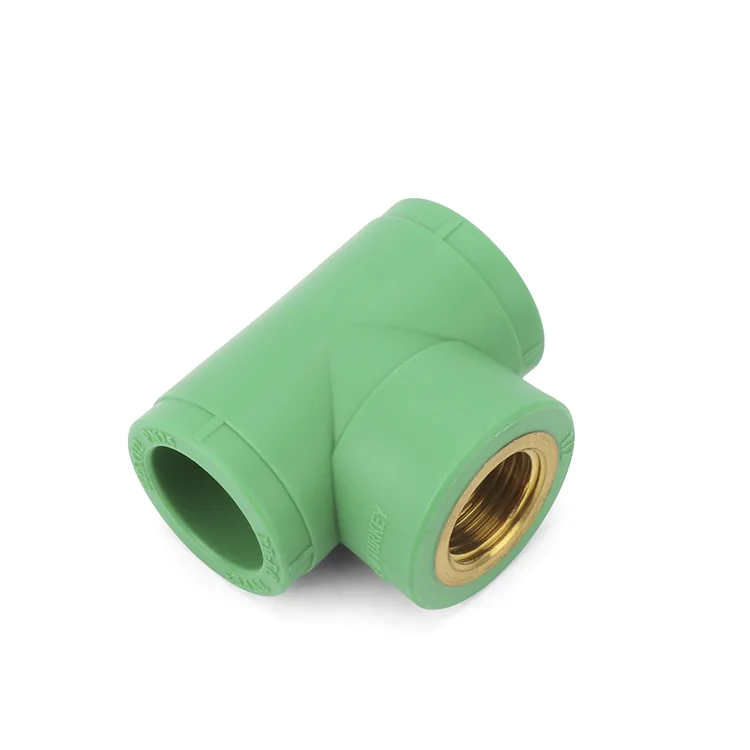
Almost every pipe sizing guide in English sizes in copper. That leaves a specifier working in PP-R with a bad choice: size the copper, then pick…
Read the guide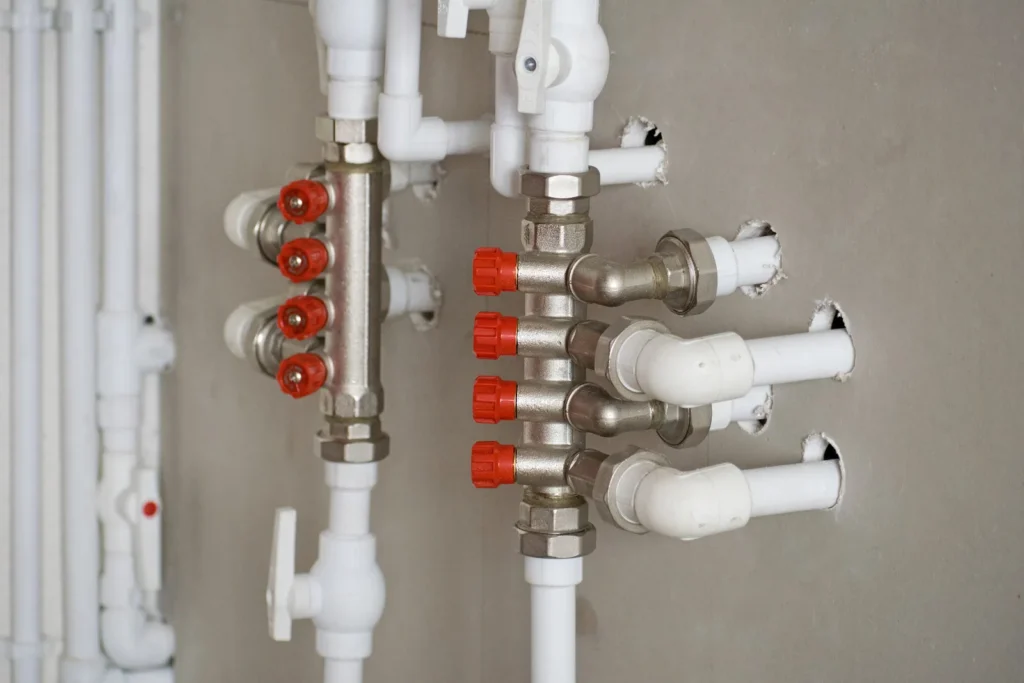
The plastic body of a PPR valve is almost never the part that fails. The brass core is. It carries the thread, holds the seat, takes…
Read the guide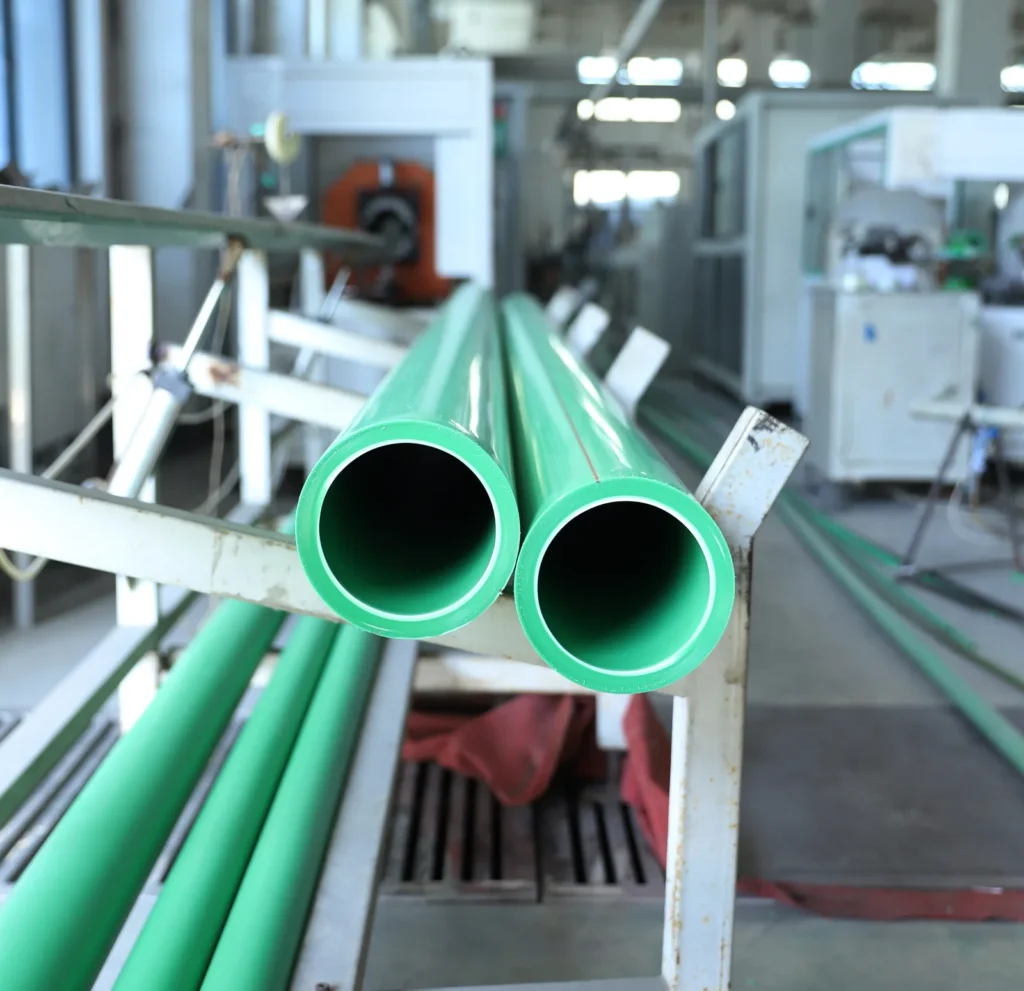
By the time pipe reaches a warehouse, the feedstock question is already closed. It was decided at the hopper, and the only trace left is paperwork.…
Read the guide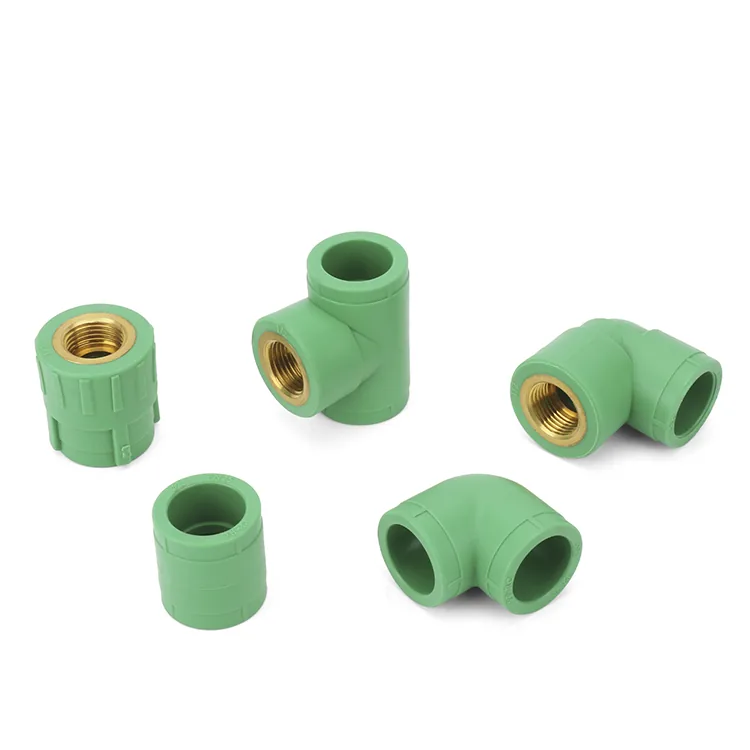
A private-label PPR pipe fitting range is not a shopping list. It is a set of four decisions — which fitting families, which diameters, which thread…
Read the guide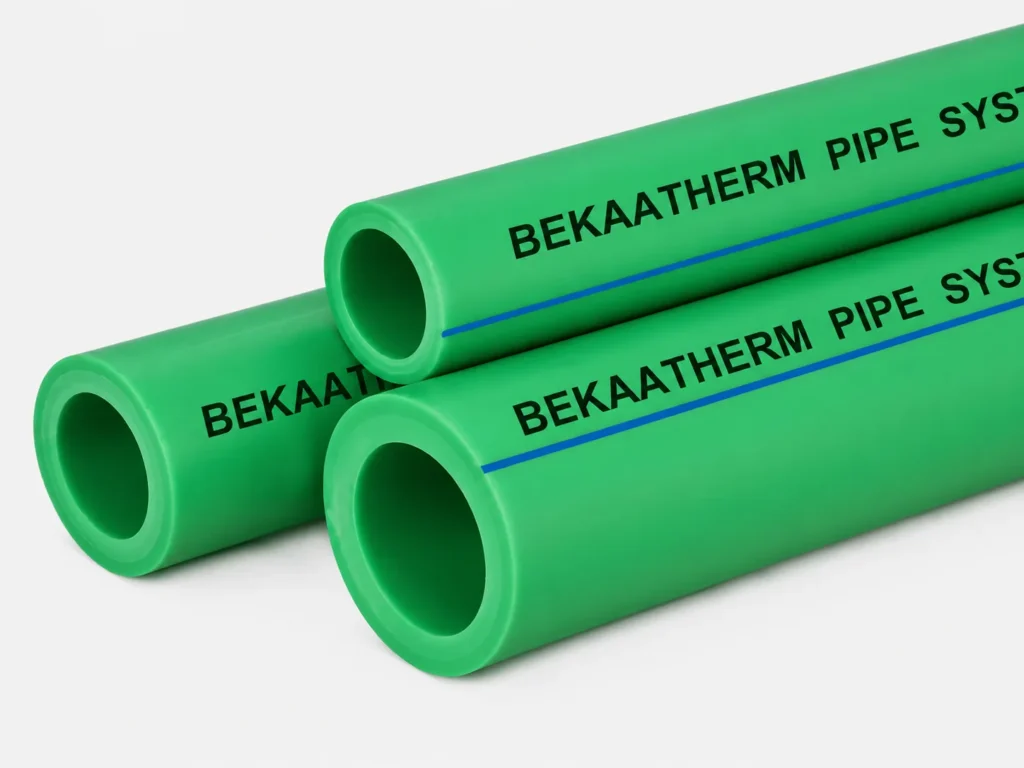
Most PEX pipe plumbing specifications written before 2025 now reference a withdrawn edition of the standard. The entire ISO 15875 series covering PE-X hot and cold…
Read the guide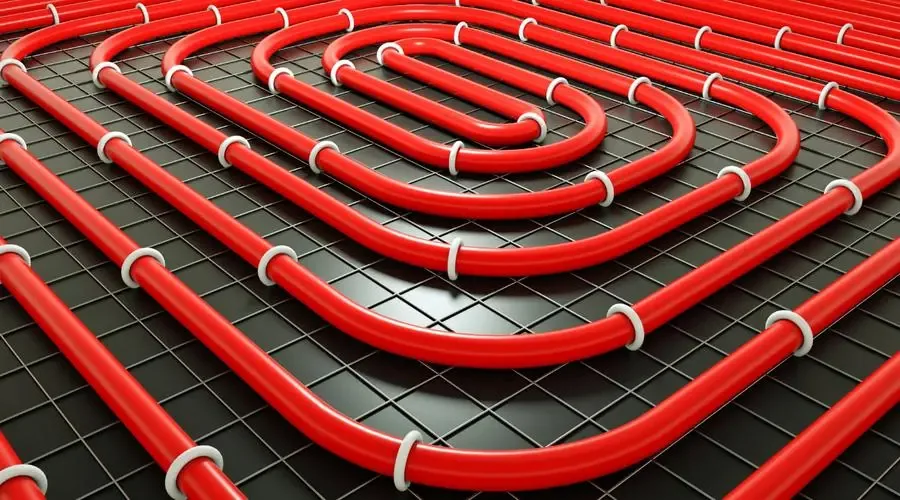
Most questions about PPR pipe for hot water in a heating system are one question in disguise: where in the system does the plastic go? Get…
Read the guide